Side-by-Side Cognitive Profiles
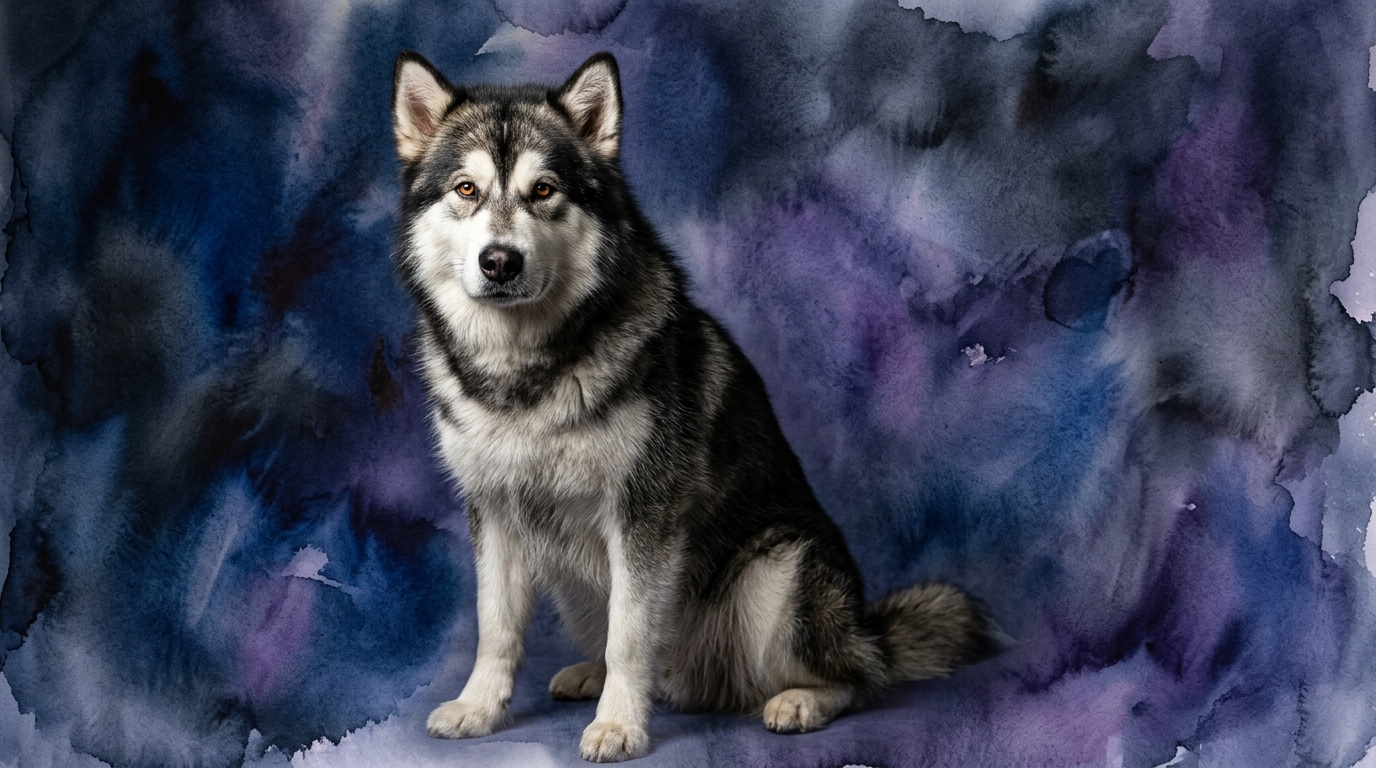
The Cosmic Pet Pet IQ Lab employs a five-dimensional framework to illuminate the unique cognitive landscape of each breed. For the Alaskan Malamute, a Working group dog with a Coren ranking of #50, we observe a robust problem-solving ability at 4/5, indicating a strong capacity for independent thought and navigating complex situations. However, their training speed registers at a moderate 2/5, reflecting a will that often prioritizes self-reliance over immediate human direction. Their social intelligence, at 3/5, suggests a solid understanding of pack dynamics, while an exceptional instinctive drive of 5/5 underscores their profound endurance and purpose-driven nature. Finally, their memory, rated 4/5, points to an impressive recall of experiences and routes, crucial for their historical tasks.
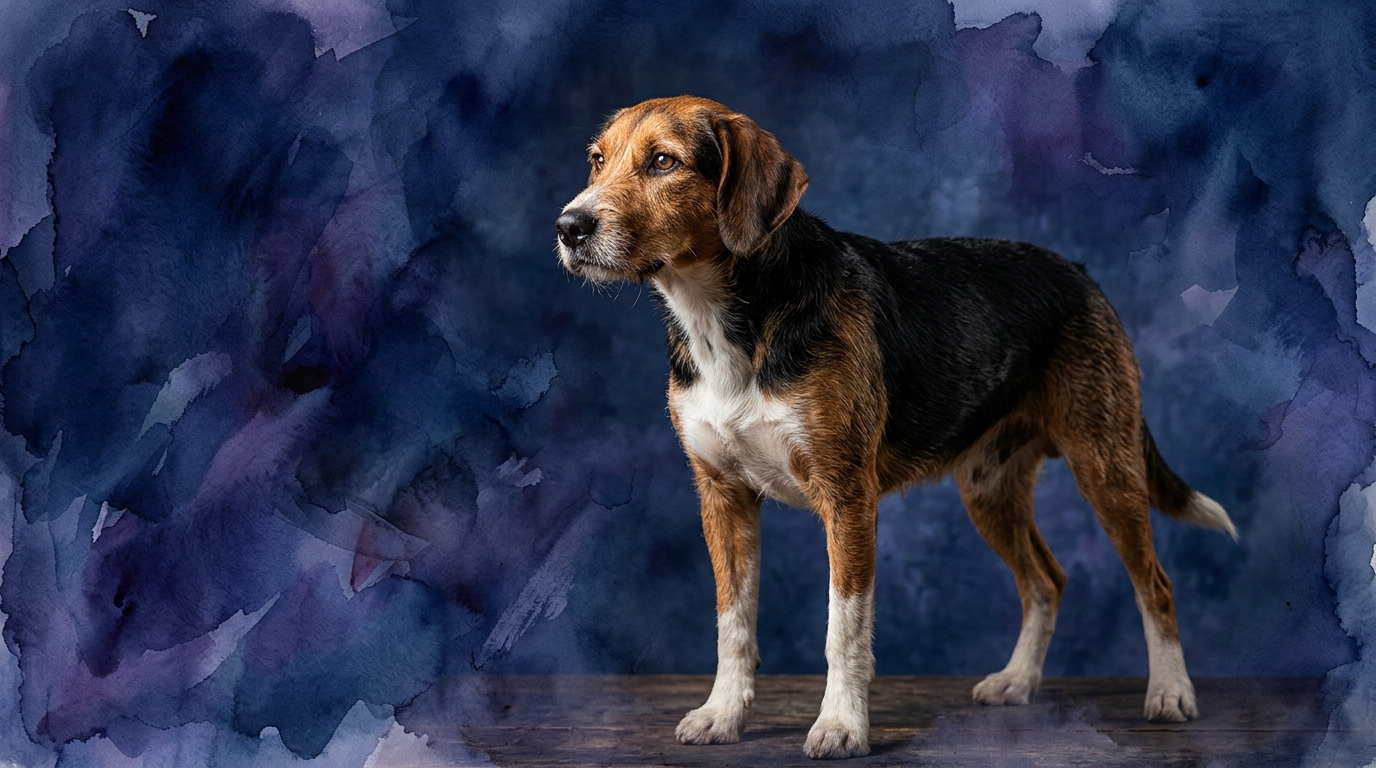
In contrast, the Harrier, a Hound breed not listed in Coren's rankings, presents a different cognitive signature. Their problem-solving score is 3/5, indicating competence but perhaps less independent ingenuity than the Malamute. A training speed of 3/5 suggests they are generally more receptive to instruction, though still prone to hound-like distractions. Their social intelligence matches the Malamute's at 3/5, reflecting their pack hunting heritage. An instinctive drive of 3/5, while lower than the Malamute's, highlights a specialized focus on scent, rather than brute force endurance. Their memory, at 3/5, is sufficient for tracking and recalling learned patterns, but perhaps not as expansive as their northern counterpart.
Where the Alaskan Malamute's Mind Shines
The Alaskan Malamute's cognitive advantages are deeply rooted in their origins as Arctic sled dogs, requiring a formidable blend of physical and mental fortitude. Their exceptional problem-solving score of 4/5 isn't merely about solving puzzles; it reflects an innate ability to assess and overcome practical challenges in unforgiving environments. This might manifest as figuring out how to open gates, navigate tricky terrain independently, or even devise strategies to obtain a coveted treat. This capacity for independent thought was crucial when pulling heavy loads across vast, often featureless, landscapes, where their human companions relied on their judgment.
Coupled with an unparalleled instinctive drive of 5/5, the Malamute possesses an incredible mental stamina and singular focus on their 'job.' This drive translates into a relentless determination, whether it's pulling a sled, hiking for miles, or engaging in a demanding training regimen. It's a profound inner motivation that, when channeled appropriately, makes them incredibly purposeful. Furthermore, their memory, rated at 4/5, allows them to retain complex information, such as intricate sledding routes, past training experiences, or the nuances of their social interactions, contributing to their remarkable resilience and adaptability over time.
Where the Harrier's Mind Excels
The Harrier's cognitive strengths, while different from the Malamute's, are equally compelling and tailored to their heritage as scent hounds. One notable area where the Harrier demonstrates a relative cognitive advantage is their training speed, rated 3/5 compared to the Malamute's 2/5. While not lightning-fast, Harriers generally exhibit a greater eagerness to cooperate and respond to commands, especially when training is framed as a fun, engaging activity or involves their primary motivator: scent. This moderate receptiveness can make them somewhat more amenable to consistent instruction.
Their instinctive drive, at 3/5, while not as broadly intense as the Malamute's, is incredibly specialized and precise when it comes to olfactory tasks. This focused drive allows them to follow a scent trail with remarkable persistence and discernment, filtering out countless other environmental stimuli. This singular focus on scent is a profound cognitive strength, demonstrating an acute sensory processing ability and unwavering dedication to their primary purpose. Additionally, their social intelligence, also rated 3/5, is particularly refined for cooperative pack work during a hunt. This means they are often adept at understanding and navigating group dynamics, which can translate into good integration within a family unit and positive interactions with other dogs, provided their social needs are met and their handler provides clear leadership.
Training Dynamics: Malamute vs. Harrier
When it comes to ease of training, the Harrier generally presents a more straightforward path for the average owner than the Alaskan Malamute. The Harrier's training speed of 3/5, coupled with their inherent desire to work cooperatively within a 'pack' structure, means they are often more inclined to learn and respond to commands. Their history of working alongside other hounds and human hunters has fostered a temperament that, while independent on the trail, is often more biddable in a structured training setting. However, their potent scent drive can be a significant distraction; once a Harrier's nose is engaged, recalling them can become a formidable challenge, requiring consistent, high-value reinforcement.
In contrast, the Alaskan Malamute, with a training speed of 2/5 and a problem-solving score of 4/5, offers a more considerable challenge. Malamutes are independent thinkers, often questioning the necessity of a command or preferring to solve a problem their own way. They are not typically driven by an overwhelming desire to please, but rather by their own internal motivations or a clear understanding of what's in it for them. Their high instinctive drive (5/5) means they have immense energy and purpose that must be harnessed, not suppressed. Training a Malamute demands patience, consistency, and a deep understanding of their independent nature, often requiring creative methods to make training feel like a partnership or a problem to be solved together, rather than mere obedience.
Matching Minds to Lifestyles: Active vs. Relaxed Owners
Understanding the cognitive profiles of the Alaskan Malamute and the Harrier is crucial for aligning a breed with an owner's lifestyle expectations. For active owners, the Alaskan Malamute is an ideal match, provided 'active' encompasses not just physical exertion but also significant mental engagement. Their 5/5 instinctive drive and 4/5 problem-solving ability necessitate a lifestyle filled with purpose. These dogs thrive on long hikes, sledding, carting, or engaging in demanding canine sports that challenge both body and mind. A Malamute requires an owner who understands their need for a 'job' and is prepared to dedicate substantial time to structured exercise and mental enrichment to prevent boredom and destructive behaviors. They are not suited for relaxed owners who cannot meet these high demands.
The Harrier, while also requiring an active lifestyle, presents a different type of activity. Their 3/5 instinctive drive is primarily directed towards scent work and running. An active owner for a Harrier is someone who enjoys exploring outdoors, providing opportunities for secure off-leash running and engaging in scent games, tracking, or agility. While they may not demand the sheer endurance of a Malamute, a Harrier will not be content with minimal exercise. A 'relaxed' owner who provides inadequate outlets for their natural drives will find either breed challenging, but the Harrier might be marginally more adaptable to a less extreme active lifestyle than the Malamute, provided their innate need to hunt with their nose is consistently satisfied.
The Verdict
Choose an Alaskan Malamute if you are an experienced, active owner seeking a resilient, independent working partner who thrives on complex challenges and requires consistent, motivated training and extensive physical outlets.
Opt for a Harrier if you are an active individual who enjoys outdoor adventures, especially scent-based activities, and desires a moderately trainable, companionable hound with a keen nose and a generally cooperative spirit.
🧠 Find Your Pet's IQ Score
Our Pet IQ Lab assessment covers 25+ tests across 5 cognitive dimensions — personalized to your breed.
Take the Full IQ Test →Frequently Asked Questions
Is the Alaskan Malamute harder to train than the Harrier?
Yes, the Alaskan Malamute is generally more challenging to train due to their 2/5 training speed and strong independent problem-solving skills (4/5). They often require more motivation and a partnership approach, whereas the Harrier's 3/5 training speed and pack mentality can make them more amenable to instruction.
Which breed is better suited for apartment living?
Neither breed is ideally suited for small apartment living without significant commitment. The Alaskan Malamute's extreme instinctive drive (5/5) and large size demand ample space and vigorous daily exercise. A Harrier, while smaller, still requires secure outdoor access for scent exploration and running to satisfy their natural drives.
Do Harriers need a lot of exercise, or can they be more relaxed?
Harriers definitely require a significant amount of exercise, though it often focuses on scent-driven activities and running rather than brute endurance. Their 3/5 instinctive drive means they need regular, vigorous outings to explore with their nose and burn off energy; a truly relaxed lifestyle will likely lead to behavioral issues.