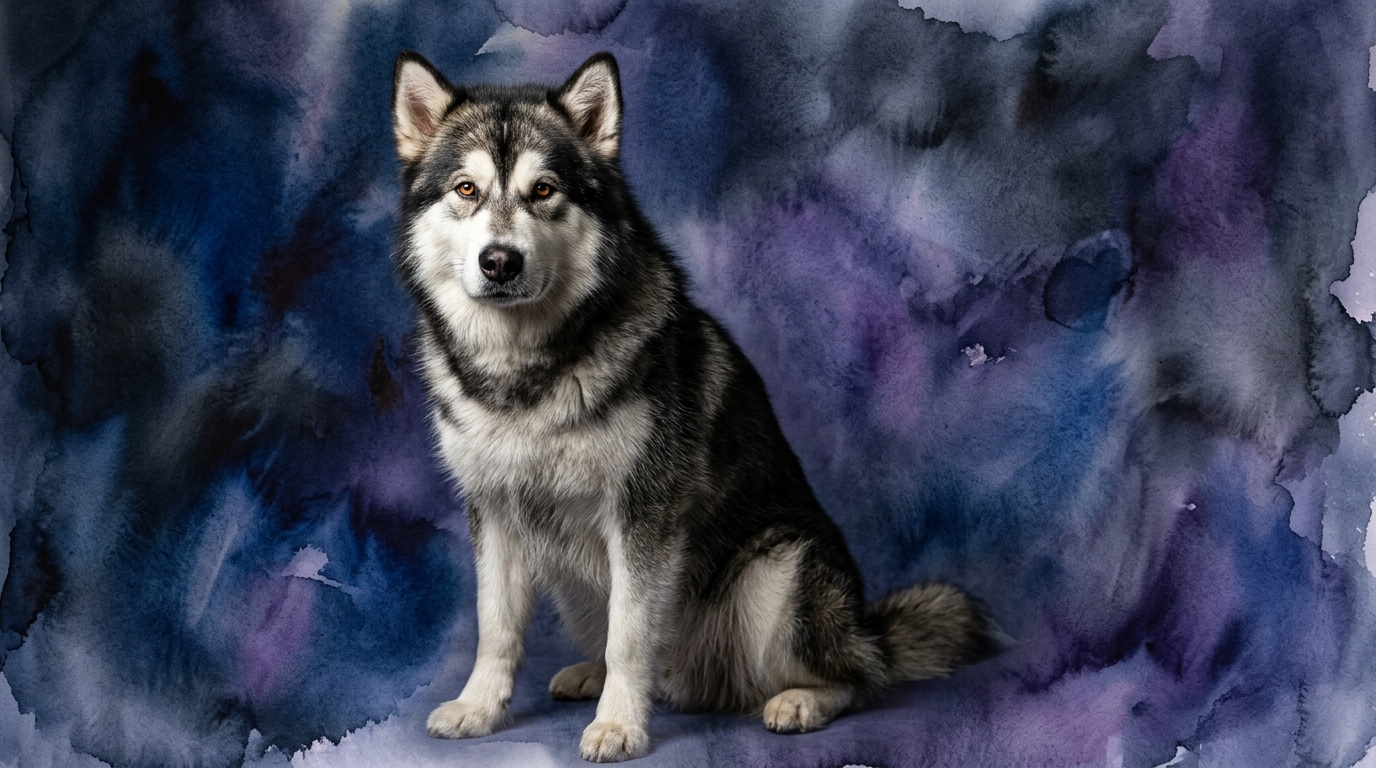
Side-by-Side IQ Profile: Alaskan Malamute
The Alaskan Malamute, a working dog, presents a robust cognitive profile shaped by its demanding historical role. Its Problem Solving ability scores a notable 4/5, reflecting a capacity for independent thought and resourcefulness crucial for navigating harsh environments and complex tasks without constant human direction. Training Speed is rated 2/5, indicating a strong-willed nature that, while not resistant to learning, requires consistent and patient methods to engage. Social Intelligence at 3/5 suggests they are adept at understanding pack dynamics and human cues, though often with a degree of self-reliance. An exceptional Instinctive Drive of 5/5 highlights their profound urge for purposeful activity, particularly pulling and endurance tasks. Their Memory, at 4/5, enables them to recall routes, experiences, and learned behaviors effectively.
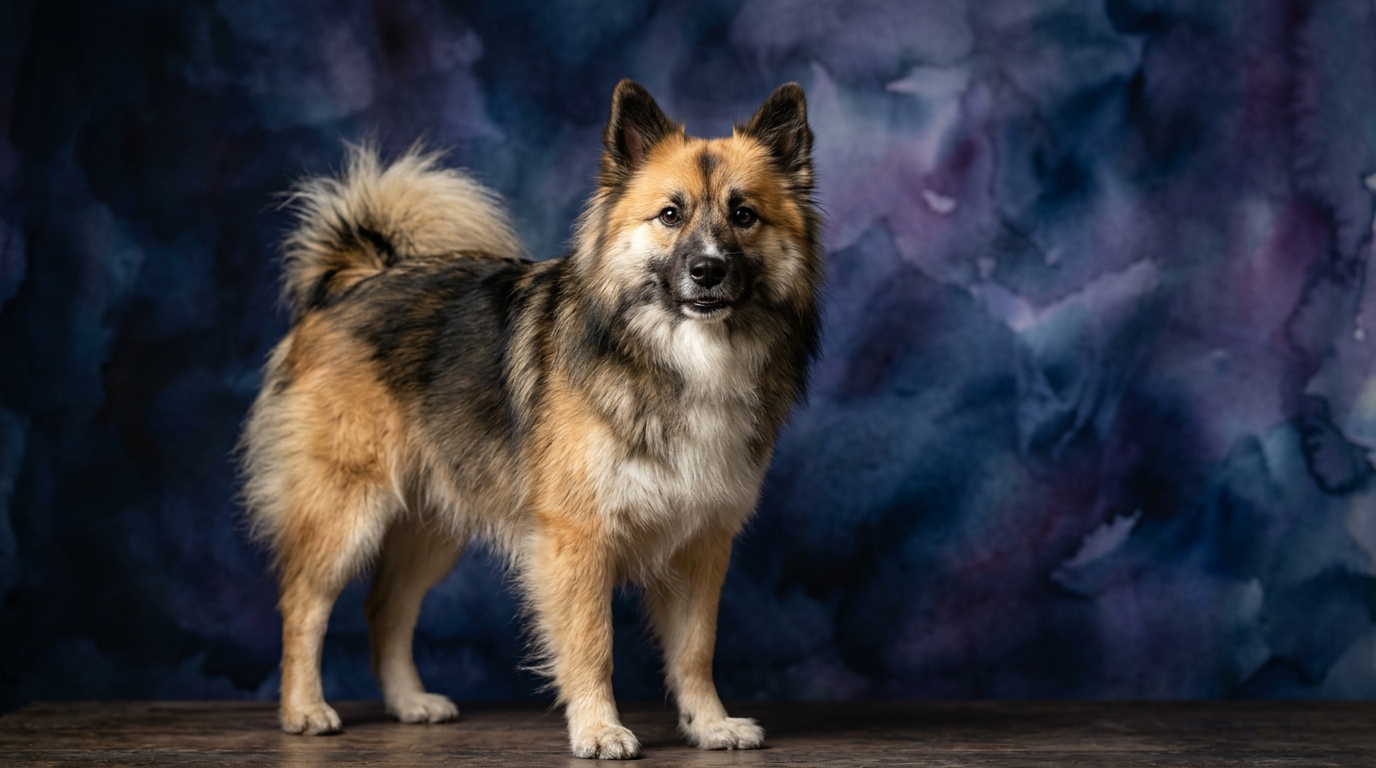
Side-by-Side IQ Profile: Icelandic Sheepdog
In contrast, the Icelandic Sheepdog, a herding breed, offers a different cognitive blueprint. Its Problem Solving capacity is 3/5, demonstrating an ability to adapt to changing situations within its herding duties, yet typically within a cooperative framework rather than extreme independence. Training Speed is 3/5, suggesting a moderate eagerness to learn and respond, making them generally receptive to guidance. Social Intelligence also stands at 3/5, reflecting their role as alert communicators within a flock and with their human handlers. Their Instinctive Drive is 3/5, encompassing a strong, but not overwhelming, herding inclination that manifests as a desire to keep things together. Memory is rated 3/5, allowing them to retain commands, routines, and social interactions reliably.
Where the Alaskan Malamute Wins Cognitively
The Alaskan Malamute distinguishes itself with superior Problem Solving and unparalleled Instinctive Drive. Their 4/5 Problem Solving score means they excel at figuring out complex environmental challenges, such as navigating unfamiliar terrain or devising ways to reach a desired object, often through trial and error or inventive strategies. This cognitive strength, paired with a formidable 5/5 Instinctive Drive for endurance and purposeful work, allows them to maintain focus and motivation over long periods in demanding tasks. Their memory of 4/5 further reinforces this, enabling them to retain intricate patterns and solutions vital for independent ventures, making them formidable partners for complex, self-directed exploration.
Where the Icelandic Sheepdog Wins Cognitively
The Icelandic Sheepdog's cognitive strengths shine in areas of cooperative learning and situational responsiveness. While their Problem Solving is 3/5, it's often applied in real-time, dynamic herding scenarios where quick assessment and reaction are paramount. Their Training Speed, at 3/5, surpasses the Malamute's, indicating a more direct and often quicker uptake of new commands and behaviors when presented with positive reinforcement. This receptiveness, combined with their 3/5 Social Intelligence, allows for a more fluid communication and partnership with their handler, making them highly adaptable to varied training exercises and interactive tasks requiring consistent feedback and agility.
Which is Easier to Train and Why
Evaluating ease of training reveals significant behavioral differences rooted in their historical roles. The Alaskan Malamute, with its 2/5 Training Speed, often presents a greater challenge. Bred for independent decision-making over vast distances, they possess a strong will and may question commands, requiring an owner with exceptional patience, consistency, and an understanding of motivation beyond simple obedience. Their drive to work for themselves, rather than solely for human approval, means training must be engaging and rewarding on their terms. In contrast, the Icelandic Sheepdog’s 3/5 Training Speed suggests a more amenable disposition. Their herding lineage fostered a need for close communication and responsiveness to human direction, making them generally more eager to please and quicker to grasp new concepts. They thrive on positive reinforcement and consistent guidance, often finding satisfaction in working cooperatively with their people, making the training journey smoother for many owners.
Which Suits Active Owners vs. Relaxed Owners
The choice between these breeds hinges significantly on an owner's activity level. The Alaskan Malamute, with its exceptional 5/5 Instinctive Drive for endurance and work, absolutely demands an active owner. These dogs require substantial daily physical exertion, such as long hikes, runs, or opportunities for pulling, to satisfy their deep-seated need for purposeful activity. A relaxed owner would quickly find themselves overwhelmed by a Malamute's unchanneled energy, which can manifest as destructive behaviors or incessant vocalization. The Icelandic Sheepdog, while also an active breed, suits owners who are consistently engaged rather than intensely endurance-focused. Their 3/5 Instinctive Drive translates to a need for regular exercise and mental stimulation, including dog sports, interactive play, and consistent training sessions. They are not content with minimal activity, but their needs are generally more manageable than a Malamute's, making them suitable for active families who enjoy daily engagement without necessarily needing to conquer a mountain.
The Verdict
For those seeking an independent, powerful partner for endurance challenges and complex, self-directed exploration, willing to invest deeply in consistent, creative training, the Alaskan Malamute is a fitting choice.
Conversely, if you desire an alert, cooperative, and responsive companion for varied activities and enjoy a more fluid, interactive training dynamic, the Icelandic Sheepdog will likely be a more harmonious match.
🧠 Find Your Pet's IQ Score
Our Pet IQ Lab assessment covers 25+ tests across 5 cognitive dimensions — personalized to your breed.
Take the Full IQ Test →Frequently Asked Questions
Does the Malamute's independence make them aloof companions?
While Malamutes possess a strong independent streak, scoring 3/5 in social intelligence, this doesn't equate to aloofness. They are deeply devoted to their families, enjoying participation in household activities, but may not constantly seek attention, preferring to observe or engage on their own terms.
Are Icelandic Sheepdogs suitable for first-time dog owners?
Icelandic Sheepdogs can be suitable for first-time owners who are committed to consistent training and daily activity. Their moderate training speed and desire to cooperate make them responsive, but their need for mental stimulation and proper socialization requires a dedicated approach.
How do their exercise needs differ on a daily basis?
The Alaskan Malamute demands extensive, rigorous daily exercise to satisfy its 5/5 instinctive drive, often requiring hours of purposeful activity like pulling or long-distance running. The Icelandic Sheepdog, with a 3/5 instinctive drive, needs regular, consistent exercise and mental engagement, such as brisk walks, agility, or interactive play, typically less intense but still vital.