Cognitive Profiles: Alaskan Malamute vs. Komondor
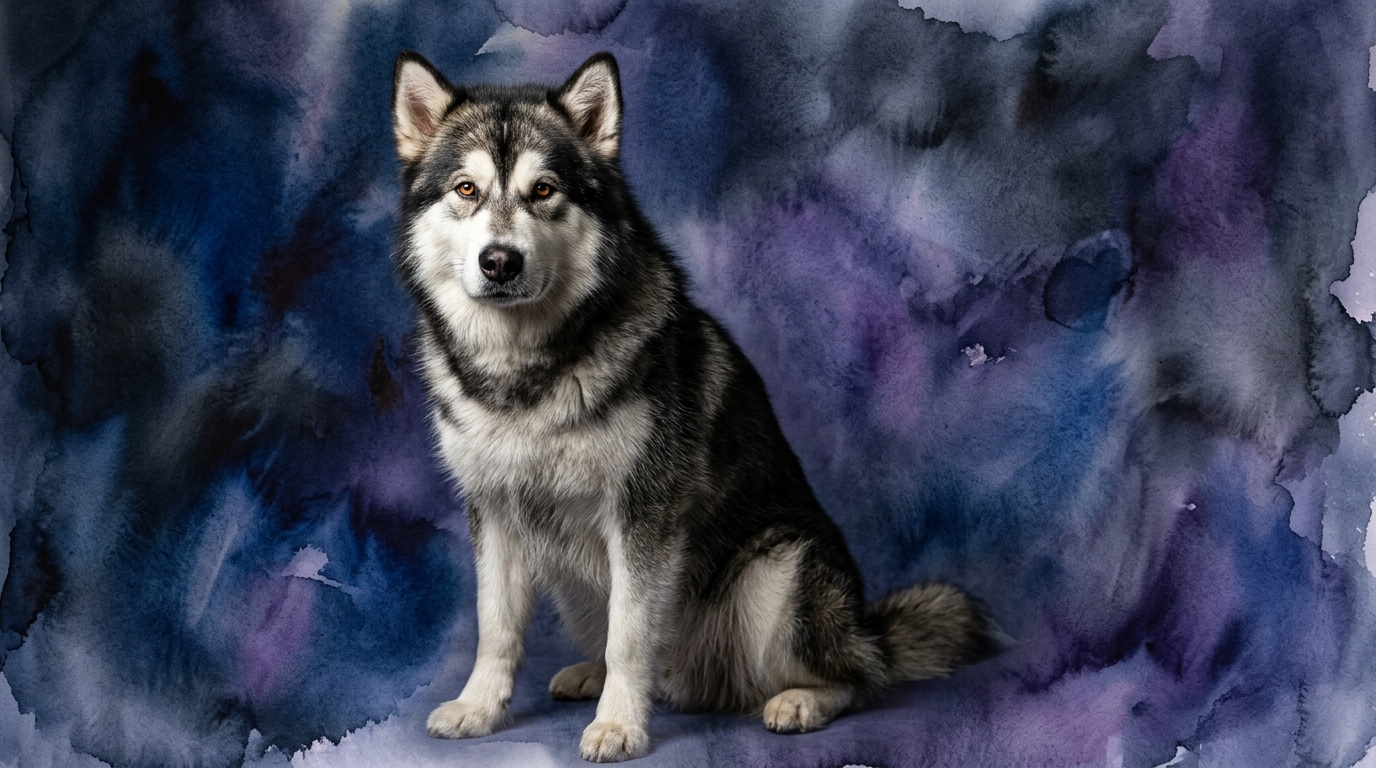
The Alaskan Malamute, ranked #50 on the Coren intelligence scale, exhibits a cognitive profile sculpted by centuries of demanding work as a heavy-duty sled dog and hunter. Their Problem Solving (4/5) score reflects a strong capacity for independent thought, often demonstrating ingenuity in overcoming physical obstacles or figuring out how to achieve desired outcomes, such as opening latches or retrieving out-of-reach items. This resourcefulness stems from a need to make decisions in challenging, dynamic environments without constant human direction.
Their Training Speed (2/5), however, indicates a more deliberate approach to learning formal commands. Malamutes are known for their independent nature and a 'what's in it for me?' attitude, meaning they require patient, consistent, and highly motivating training methods. Repetitive drills can quickly lead to boredom, demanding creative engagement from their handlers.
Social Intelligence (3/5) for Malamutes centers on their pack dynamics. They form deep bonds with their immediate human family, often understanding subtle cues and displaying loyalty. While generally good-natured, they can be reserved or discerning with strangers, assessing new individuals before offering full acceptance. Their social interactions are often clear and direct within their established hierarchy.
Perhaps their most defining trait is their Instinctive Drive (5/5). This score highlights a profound urge to work, pull, dig, and explore. Driven by an ancient heritage, Malamutes possess an inherent motivation for physical exertion and tasks that engage their powerful bodies and exploratory senses. This strong drive requires significant outlets to prevent boredom and destructive behaviors.
Finally, their Memory (4/5) is quite robust. Malamutes effectively retain learned behaviors, remember complex routes, and recall specific individuals or past experiences. This strong memory contributes to their ability to navigate familiar territories and remember training cues, even if they sometimes choose not to comply immediately.
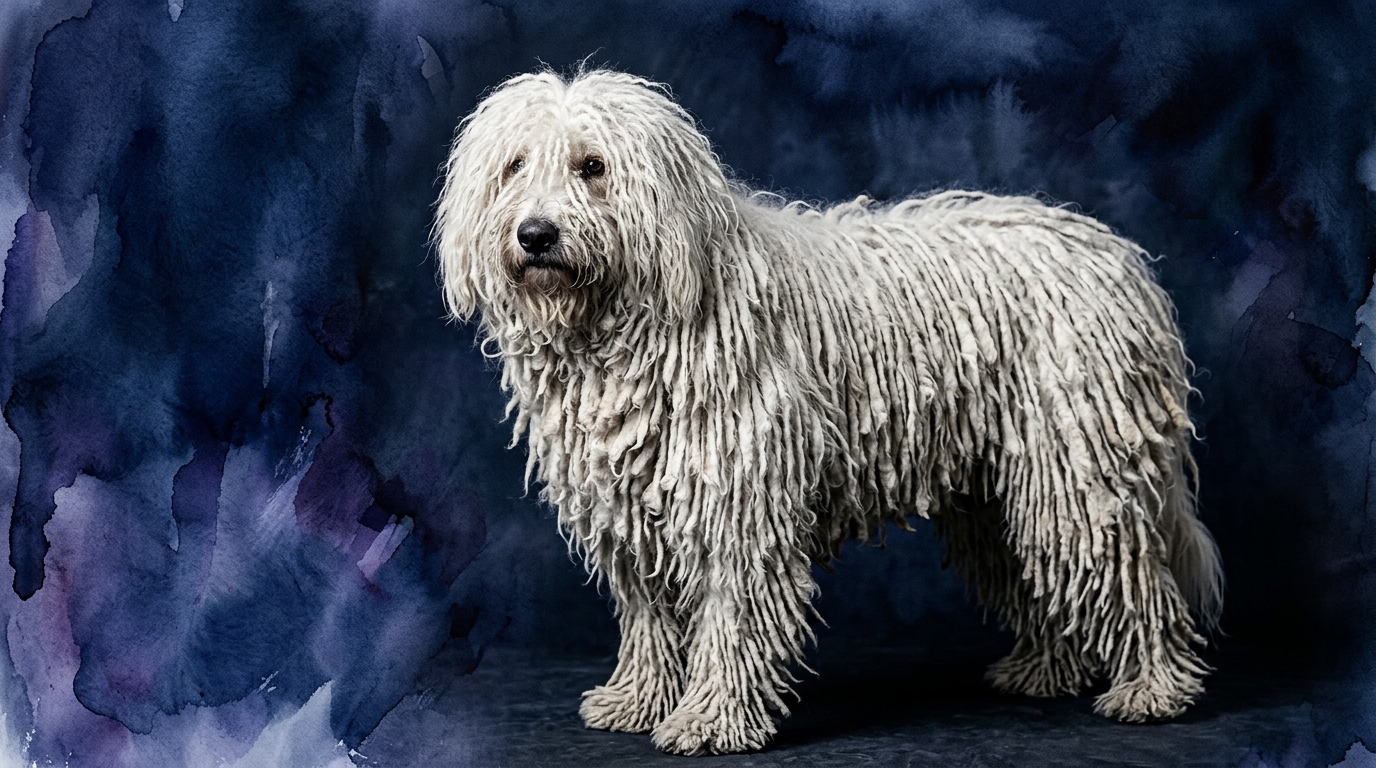
The Komondor, positioned at #67 on the Coren scale, presents a cognitive makeup distinctly influenced by its role as a livestock guardian dog (LGD). Their Problem Solving (3/5) manifests as strategic thinking within their defined territory. They excel at assessing potential threats, anticipating intruder movements, and adapting their guarding tactics to protect their flock or family. This isn't about opening doors, but about nuanced situational awareness.
Their Training Speed (3/5) suggests a moderate pace of learning, often influenced by their independent and self-reliant guardian instincts. Komondors are not typically eager to please in the same way some other breeds are; they learn best when tasks are presented with a clear purpose or align with their innate protective duties. Consistency and understanding their motivation are key.
Social Intelligence (3/5) in a Komondor is deeply rooted in their bond with their 'flock' – their immediate family. They are profoundly devoted and protective, capable of interpreting subtle shifts in their family's mood or environment. However, this intense loyalty often comes with a cautious, sometimes aloof, demeanor towards strangers, a characteristic essential for their guarding role.
The Komondor's Instinctive Drive (3/5) is primarily focused on vigilance and protection. While they possess physical prowess, their drive is less about relentless physical activity for its own sake and more about patrolling, observing, and reacting to perceived threats. Their energy is channeled into watchful guardianship rather than high-octane physical pursuits.
Their Memory (3/5) enables them to retain crucial information about their territory, the individuals they protect, and past experiences. They remember boundaries, routines, and who belongs, though their independent nature might mean they occasionally need refreshers on less instinctual commands.
Alaskan Malamute's Cognitive Strengths
The Alaskan Malamute demonstrates superior cognitive agility in dynamic, exploratory environments. Their Problem Solving (4/5) ability outshines the Komondor's in scenarios requiring independent decision-making and physical resourcefulness to navigate varied terrains or manipulate objects. For instance, a Malamute is more likely to devise a method to open a tricky gate or find a hidden path through a dense forest, leveraging their drive for exploration and their strong memory for spatial layouts. Their higher score in memory also means they can retain complex sequences of actions or routes over extended periods, making them exceptional companions for multi-stage adventures or tasks requiring recall of intricate patterns. This translates into a dog that adapts quickly to new physical challenges and remembers solutions.
Komondor's Cognitive Strengths
The Komondor's cognitive strengths lie in its specialized capacity for strategic observation and territorial management, areas where its Problem Solving (3/5) and Social Intelligence (3/5) are uniquely deployed. While their problem-solving isn't about physical manipulation, it excels at assessing nuanced environmental cues, identifying potential threats, and making independent judgments on how to best protect their charge. This involves a deep understanding of their territory's layout and the behaviors of those within it. Their social intelligence, though not broadly outgoing, is finely tuned to the dynamics of their immediate 'flock,' allowing them to perceive subtle shifts in mood or threat levels within their family unit more acutely than a Malamute might, fostering a profound, watchful protectiveness.
Training Dynamics: Independence on Display
Comparing their training ease reveals distinct challenges rooted in their breed-specific independence. The Komondor, with a Training Speed of 3/5, is marginally 'easier' in the sense that once they understand the purpose behind a command, especially if it aligns with their protective instincts, they can learn and comply. Their independence means they aren't driven by an inherent desire to please, but rather by logic or perceived necessity. Conversely, the Alaskan Malamute's Training Speed of 2/5 reflects a more pronounced stubbornness and a tendency to quickly become bored with repetitive exercises. Their strong independent streak and high instinctive drive mean they constantly evaluate if compliance is worth their effort. Training a Malamute demands exceptional patience, creative motivation, and an understanding that their cooperation must be earned through engaging, varied sessions, making the Komondor slightly more amenable to consistent, purpose-driven instruction.
Lifestyle Compatibility: Matching Minds with Owners
The choice between these two breeds largely hinges on an owner's lifestyle. The Alaskan Malamute, defined by its Instinctive Drive (5/5), is unequivocally suited for active owners. They require extensive daily physical exertion, whether it's long hikes, sledding, or engaging in demanding canine sports. Their need for mental stimulation and physical work is profound, making them ideal for individuals or families who embrace an adventurous, outdoor-centric life and can dedicate significant time to their exercise and enrichment. A 'relaxed' owner would likely find themselves overwhelmed by a Malamute's unfulfilled energy and drive.
The Komondor, with an Instinctive Drive (3/5) focused more on vigilance than constant movement, suits a different kind of owner. While not a couch potato, their activity is often expressed through patrolling their territory and watchful observation. They thrive with owners who appreciate a calm yet incredibly vigilant presence, understanding that their mental engagement is tied to their protective duties. They don't demand hours of high-intensity cardio but require secure outdoor space for patrolling and owners who can manage their territorial instincts and independent nature. They are not a fit for 'relaxed' owners who cannot provide the necessary structure and understanding of their LGD temperament.
The Verdict
For owners who thrive on outdoor adventures, seek a resourceful companion for active pursuits, and are prepared for a consistent, engaging training journey that respects their independent spirit, the Alaskan Malamute is an excellent match.
For owners seeking a dedicated, watchful protector, who understand the nuances of a livestock guardian breed's independence and territorial nature, and value a calm but vigilant presence in their home and property, the Komondor stands out.
🧠 Find Your Pet's IQ Score
Our Pet IQ Lab assessment covers 25+ tests across 5 cognitive dimensions — personalized to your breed.
Take the Full IQ Test →Frequently Asked Questions
How does the Alaskan Malamute's high instinctive drive manifest in daily life?
Their 5/5 instinctive drive translates into a strong urge to explore, dig, chew, and pull, often leading them to seek out physical and mental challenges. This can mean a propensity for wandering if not securely contained, or a need for vigorous daily exercise and puzzle toys to satisfy their inherent working nature.
What are the key challenges in training a Komondor, given its intelligence profile?
Training a Komondor is challenged by their independent guardian mindset; they are not inherently eager to please and require commands to align with a perceived purpose. Their moderate training speed and discerning social intelligence mean consistent, patient, and purpose-driven methods are essential, as they often evaluate requests before complying.
How do these breeds typically interact with strangers, considering their social intelligence scores?
Both breeds score 3/5 in social intelligence, but manifest differently. Alaskan Malamutes tend to be reserved and discerning with strangers, assessing them before forming connections. Komondors, true to their guardian heritage, are typically wary and aloof with outsiders, a trait crucial for their protective role, and will only accept those introduced as part of their 'flock.'