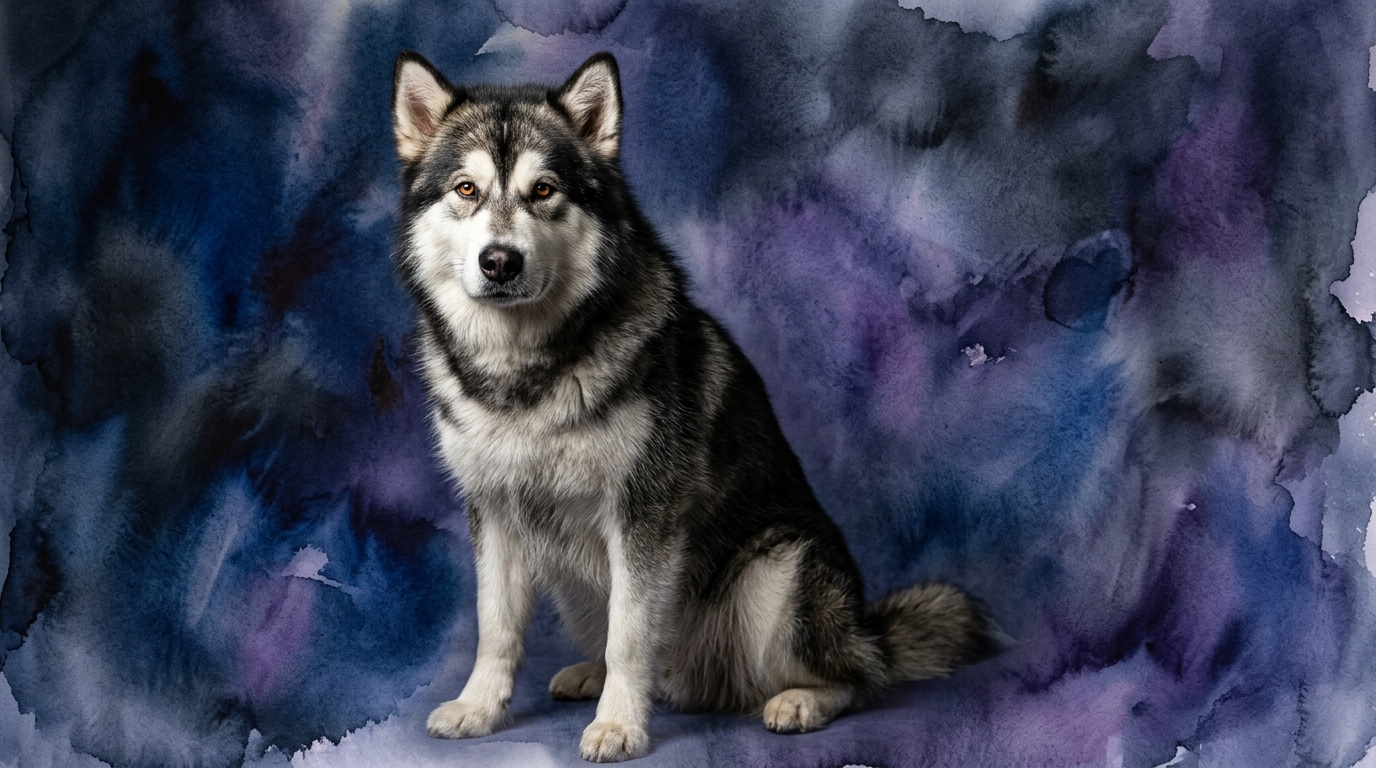
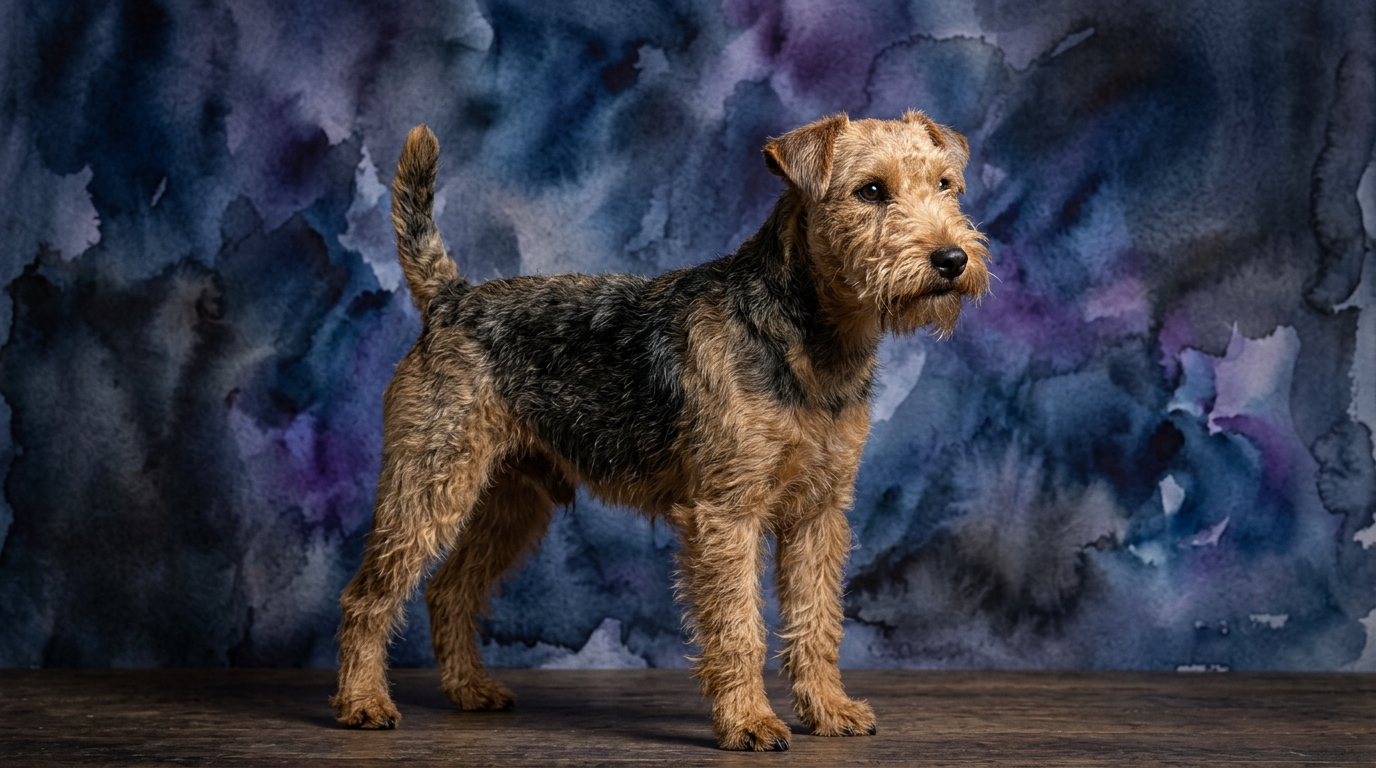
The Cosmic Pet Pet IQ Lab: Alaskan Malamute vs. Lakeland Terrier
At The Cosmic Pet Pet IQ Lab, we dissect canine cognition into five measurable dimensions: problem solving, training speed, social intelligence, instinctive drive, and memory. This framework allows for a nuanced understanding, moving past generalized labels to appreciate the specialized intellect each breed possesses. Today, we turn our attention to two breeds from vastly different corners of the canine world: the formidable Alaskan Malamute and the spirited Lakeland Terrier.
The Alaskan Malamute, a powerful working dog, and the Lakeland Terrier, a nimble terrier, each bring a unique cognitive toolkit to the table. Their historical purposes — hauling heavy loads across vast, icy expanses versus fearlessly pursuing quarry in rugged terrain — have profoundly influenced how their minds operate. Understanding these foundational differences is key to appreciating their individual cognitive profiles and what makes each a distinctive companion.
Side-by-Side Cognitive Profiles: A Deep Dive
The Alaskan Malamute’s profile is defined by its working heritage: a Problem Solving score of 4/5 reflects its capacity for complex tasks like route-finding or strategizing during a pull. Its Training Speed of 2/5 indicates a deliberate, independent learner, often requiring consistent motivation. Social Intelligence at 3/5 suggests a moderate understanding of human cues, while its Instinctive Drive is a powerful 5/5, reflecting an inherent pull to work and explore. Finally, a Memory score of 4/5 speaks to its ability to recall complex information, such as trails or learned tasks.
In contrast, the Lakeland Terrier, while not Coren-ranked, presents a balanced and tenacious cognitive profile. Its Problem Solving at 3/5 points to an effective, focused approach to challenges, particularly those related to its hunting background. Training Speed is 3/5, suggesting a more amenable, though still independent, learner compared to the Malamute. Social Intelligence is 3/5, indicating a similar level of understanding human interactions. Its Instinctive Drive stands at 3/5, a focused prey drive rather than the Malamute's expansive work drive. A Memory score of 3/5 rounds out its profile, showing functional recall for its specific tasks and routines.
Where the Alaskan Malamute's Cognition Shines
The Alaskan Malamute’s cognitive strengths are deeply rooted in its ancestral role as a formidable sled dog. Its 4/5 Problem Solving capability means it excels at navigating complex environmental challenges, such as finding the most efficient path through varied terrain or overcoming obstacles during a haul. This isn't just about physical strength; it's about the mental acuity to assess, plan, and execute, often with minimal human direction, crucial for survival in harsh conditions. Their impressive 4/5 Memory supports this, enabling them to retain intricate details about routes, tasks, and learned solutions over long periods.
Furthermore, the Malamute's towering 5/5 Instinctive Drive is not merely a physical attribute; it's a profound cognitive engine. This drive fuels their persistence, endurance, and an innate desire to engage in purposeful activities. This powerful internal motivation means they are less likely to give up on a task, even when faced with significant difficulty, demonstrating a mental fortitude directly linked to their historical responsibilities. This persistent, self-directed engagement with challenges contrasts sharply with the Lakeland's more focused, but less expansive, drive.
Where the Lakeland Terrier's Cognition Excels
While the Lakeland Terrier doesn't boast the Malamute's high scores in raw power or broad problem-solving, its cognitive profile is exceptionally well-suited for its specialized niche. Its 3/5 Problem Solving, though numerically lower, represents a focused, tenacious approach to specific challenges, particularly those requiring cleverness in confined spaces or outsmarting agile prey. This isn't about brute force but about quick-witted, persistent engagement with a task, often involving intricate maneuvers and strategic thinking to achieve a goal.
The Lakeland's balanced 3/5 scores across Training Speed, Social Intelligence, Instinctive Drive, and Memory signify a breed that is adaptable and responsive within its context. Its training speed, while not exceptional, is more cooperative than the Malamute's, allowing for more fluid learning in varied environments. Its moderate instinctive drive, primarily focused on prey, can be more readily channeled into structured activities or dog sports where precision and agility are valued. This balance means the Lakeland often demonstrates a nimble, responsive intellect, capable of quick shifts in focus and a readiness to engage with its handler in a more direct, interactive manner than the independent Malamute.
Training Dynamics: Independence vs. Compliance
The training experience with an Alaskan Malamute (Training Speed 2/5) is a testament to their independent spirit. Their strong Instinctive Drive (5/5) and Problem Solving (4/5) mean they often evaluate a command based on its perceived value or their own motivations, rather than immediate compliance. Training requires immense patience, creativity, and a deep understanding of their innate drives. They are not 'unintelligent'; rather, their intelligence manifests as self-sufficiency and a tendency to make their own decisions. Consistency, positive reinforcement, and making training feel like a collaborative task rather than a command-and-obey dynamic are crucial for success, leveraging their robust Memory (4/5) to build lasting habits.
In contrast, the Lakeland Terrier (Training Speed 3/5) generally presents a more direct, though still characteristic terrier, training experience. While they possess terrier tenacity and can be stubborn, their moderate Instinctive Drive (3/5) and balanced Problem Solving (3/5) often make them more receptive to structured training sessions. They respond well to engaging, varied training that taps into their curiosity and prey drive, making it a game. Unlike the Malamute, who might simply opt out if unconvinced, a Lakeland might push boundaries but is often more willing to work cooperatively if the rewards are compelling and the tasks stimulating. Real behavioral differences include the Malamute's tendency to wander or become distracted by scents during training versus the Lakeland's focused determination once engaged in a task, even if it's a puzzle rather than a chase.
Matching Cognitive Profiles to Lifestyles
For owners seeking an active companion, the Alaskan Malamute demands a lifestyle that accommodates its powerful physicality and mental independence. Owners who thrive on long hikes, backpacking, or even recreational sledding will find a partner that revels in these activities. Their independence means they are not constantly seeking attention, suiting owners who appreciate a dog with a strong sense of self. However, their lower training speed and high instinctive drive necessitate owners who are experienced, patient, and committed to consistent, engaging training and socialization to channel their immense energy and intellect constructively.
The Lakeland Terrier, while also requiring an active lifestyle, offers a different flavor of companionship. Its balanced cognitive profile makes it suitable for owners who enjoy engaging in various activities, from agility and earthdog trials to extended walks and interactive play. They are often more adaptable to different living situations, including urban environments, provided they receive sufficient physical and mental stimulation to prevent boredom. Owners who appreciate a spirited, curious, and interactive companion, and are prepared to engage with a dog that possesses a focused drive and a clever mind, will find the Lakeland Terrier a rewarding match. They are often more inclined to be involved in family activities and can be more openly affectionate, suiting owners who desire a more constant canine presence.
The Verdict
Choose the Alaskan Malamute if you are an experienced, active owner seeking an independent, powerful partner for endurance activities and appreciate a dog that thinks for itself. Be prepared for a significant commitment to consistent, understanding training that respects their self-sufficient nature.
Opt for the Lakeland Terrier if you desire a spirited, tenacious, and clever companion for varied activities, from dog sports to engaging walks, and value a dog that is adaptable yet requires consistent mental stimulation. They suit owners who enjoy a more interactive training dynamic and appreciate a focused, determined personality.
🧠 Find Your Pet's IQ Score
Our Pet IQ Lab assessment covers 25+ tests across 5 cognitive dimensions — personalized to your breed.
Take the Full IQ Test →Frequently Asked Questions
Which breed is better for apartment living?
The Lakeland Terrier is generally more adaptable to apartment living due to its smaller size and different exercise needs, provided it receives daily mental stimulation and adequate walks. The Alaskan Malamute's large size, powerful drive, and significant energy requirements make apartment living challenging, necessitating extensive outdoor access and exercise.
Are Alaskan Malamutes or Lakeland Terriers easier for first-time dog owners?
Neither breed is typically recommended for first-time dog owners without a strong commitment to education and training, but the Lakeland Terrier might present fewer initial challenges. The Alaskan Malamute's strong independence, high drive, and need for specialized training make it more suitable for experienced handlers, while the Lakeland's terrier tenacity still requires consistent guidance.
What are the primary grooming differences between these two breeds?
The Alaskan Malamute has a thick, double coat that requires regular brushing, especially during shedding seasons, and can be a significant grooming commitment. The Lakeland Terrier has a wiry, dense coat that requires regular hand-stripping or professional grooming to maintain its texture and minimize shedding, in addition to routine brushing.