Side-by-Side IQ Profile: Alaskan Malamute vs. Lhasa Apso
The Cosmic Pet Pet IQ Lab provides a unique framework for understanding canine intelligence beyond anecdotal observations. Here, we break down the cognitive strengths of the Alaskan Malamute and the Lhasa Apso across five key dimensions, offering a clear picture of their distinct mental landscapes.
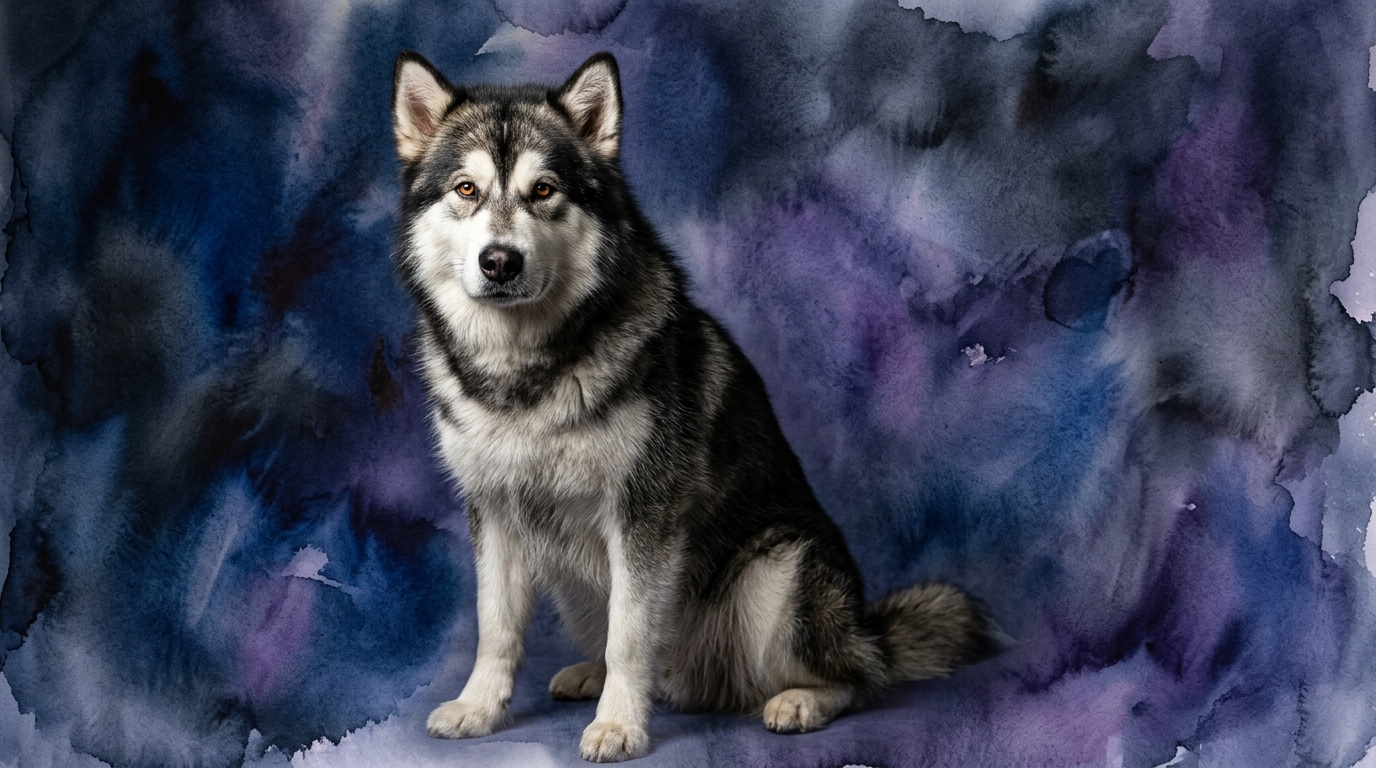
**Alaskan Malamute (Working, Coren rank #50)**: This robust breed, historically a freighting and sled dog, exhibits cognitive traits perfectly honed for endurance and independent work. Their **Problem Solving (4/5)** demonstrates strong independent thought, adept at navigating complex environments and figuring out how to achieve goals, often in a self-directed manner. Their **Training Speed (2/5)** indicates that learning new commands can be a deliberate process; Malamutes often require consistent, patient, and engaging methods to internalize instructions, not due to lack of ability but a strong independent streak. **Social Intelligence (3/5)** suggests a moderate understanding of social cues, capable of forming deep bonds with their human family, though they can be reserved with strangers and exhibit a pack mentality. Their **Instinctive Drive (5/5)** is their foundational strength, rooted in powerful, ingrained behaviors for pulling, exploring, and enduring, making them highly motivated by tasks that tap into these inherent predispositions. Lastly, their **Memory (4/5)** ensures these dogs retain experiences and learned information well, remembering routes, routines, and past interactions, which aids in their ability to adapt to familiar environments.
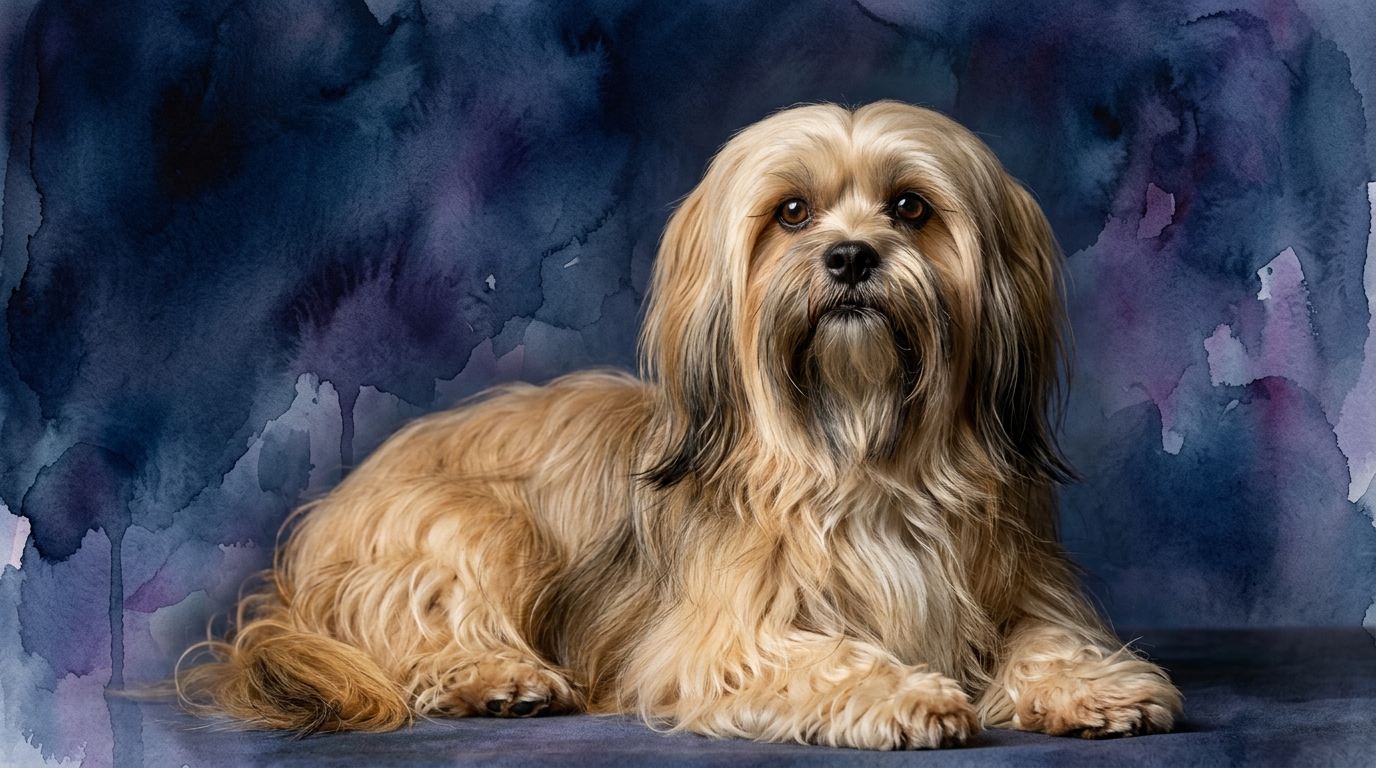
**Lhasa Apso (Non-Sporting, Coren rank #68)**: Originating as sentinels in Tibetan monasteries, the Lhasa Apso's intelligence is geared towards vigilance and companionship. Their **Problem Solving (3/5)** reflects a moderate capacity for tackling novel challenges, often employing persistence and observation to work through issues, particularly those related to their immediate environment or comfort. Their **Training Speed (3/5)** shows they learn at a steady pace, capable of grasping new concepts with clear, positive reinforcement, though their independent nature can sometimes lead to selective hearing. **Social Intelligence (3/5)**, similar to Malamutes, means Lhasas show moderate social awareness, forming close attachments to their inner circle and often displaying a watchful, discerning attitude towards outsiders. Their **Instinctive Drive (3/5)** primarily revolves around guarding and companionship, exhibiting a natural alertness and a desire to remain close to their people, rather than intense physical work. Finally, their **Memory (3/5)** indicates Lhasas possess a solid memory for routines, favored people, and past events, which contributes to their reliability within their established home environment.
Where the Alaskan Malamute Wins Cognitively
The Alaskan Malamute distinguishes itself with a superior problem-solving acumen and an unparalleled instinctive drive. Their problem-solving capability, rated at 4/5, reflects their historical role as independent sled dogs who navigated treacherous terrains and made decisions without constant human direction; they excel at figuring out how to achieve objectives, whether it's opening a gate or finding a hidden toy. This cognitive strength is amplified by their 5/5 instinctive drive, a deep-seated motivation for physical work, exploration, and endurance. This drive isn't merely physical; it's a cognitive engine that fuels their persistence and focus on tasks that align with their heritage, making them formidable in activities requiring sustained effort and self-reliance. Furthermore, their 4/5 memory ensures they learn and recall complex routes and tasks, critical for their working origins, allowing them to build upon past experiences effectively. This combination of independent problem-solving, powerful drive, and strong recall makes them exceptional at navigating and mastering challenging environments.
Where the Lhasa Apso Wins Cognitively
While the Malamute's strengths lean towards independence and physical endurance, the Lhasa Apso shines in areas that emphasize steady learning and nuanced social observation within their specific context. Although their problem-solving is rated 3/5, a point lower than the Malamute, their approach is often characterized by a thoughtful persistence, particularly when it concerns their comfort or security. Their training speed, at 3/5, is a notable advantage compared to the Malamute's 2/5, indicating a slightly more amenable disposition to instruction when motivated correctly. This means a Lhasa Apso might grasp a new command or routine with fewer repetitions, provided the training is engaging and consistent. Their social intelligence and memory, both at 3/5, while not exceptionally high, are perfectly suited to their role as companion and alert guardian, allowing them to form strong, discerning bonds and remember who belongs and who doesn't in their home environment. They excel at subtle communication within their trusted circle, demonstrating a quiet, observational intelligence.
Which is Easier to Train and Why
When considering ease of training, the Lhasa Apso holds a slight edge over the Alaskan Malamute. The Lhasa Apso's training speed is rated 3/5, indicating a moderate willingness to learn and respond to commands, often needing fewer repetitions than the Malamute. Their problem-solving (3/5) and instinctive drive (3/5) are also balanced, meaning they are less likely to be independently driven to 'figure things out their own way' like a Malamute might be, and their instincts are more aligned with companionship and alertness than with intense physical tasks. They respond well to positive reinforcement and consistent methods, making them generally cooperative students once they understand the expectation. Their moderate memory (3/5) ensures they retain learned behaviors effectively within a stable routine, contributing to their trainability.
In contrast, the Alaskan Malamute's training speed is 2/5. This lower score isn't a reflection of a lack of cognitive capacity, but rather their formidable problem-solving (4/5) and instinctive drive (5/5) often translate into a strong independent will. A Malamute might understand what you want but choose to prioritize its own perceived task or desire, requiring trainers to be exceptionally patient, creative, and consistent to overcome their inherent self-reliance and high drive for exploration or pulling. Their memory (4/5) means they recall training, but their independent nature often makes compliance a negotiation, especially if they deem the task less interesting than their own agenda. Therefore, the Lhasa Apso typically presents fewer challenges for the average owner seeking a dog that will readily follow instructions, while the Malamute demands a more experienced and dedicated trainer.
Which Suits Active Owners vs. Relaxed Owners
The cognitive profiles of these two breeds clearly delineate their suitability for different lifestyles. The Alaskan Malamute, with its 5/5 instinctive drive and 4/5 problem-solving, is an ideal match for active owners who relish outdoor adventures and can provide ample physical and mental stimulation. Their deep-seated need for purposeful activity, whether it's hiking, sledding, or engaging in demanding canine sports, means they thrive when given a 'job' that taps into their endurance and independent spirit. Owners who understand and embrace this need for sustained engagement will find a rewarding partnership, as a bored Malamute can channel its problem-solving into destructive behaviors. Their moderate social intelligence (3/5) also means they appreciate companionship during these activities but can be independent.
Conversely, the Lhasa Apso, with its 3/5 instinctive drive and moderate energy levels, is better suited for more relaxed owners. While they enjoy daily walks and playtime, their primary cognitive and emotional needs revolve around companionship and being an alert presence within the home. Their social intelligence (3/5) and memory (3/5) make them excellent, observant house companions who appreciate a comfortable routine and a secure environment, making them a superb choice for those seeking a devoted, less physically demanding canine friend. They are content with a steady pace of life and thrive on close interaction with their family without the intense demands for physical work that a Malamute requires.
The Verdict
Choose an Alaskan Malamute if you are an experienced, active individual or family prepared for a highly driven, independent companion who thrives on challenging physical and mental engagement.
Opt for a Lhasa Apso if you seek a steadfast, observant, and moderately active companion who values comfort and routine within a stable home environment.
🧠 Find Your Pet's IQ Score
Our Pet IQ Lab assessment covers 25+ tests across 5 cognitive dimensions — personalized to your breed.
Take the Full IQ Test →Frequently Asked Questions
Does the Malamute's lower training speed mean it's not smart?
Not at all; the Malamute's 2/5 training speed primarily reflects its strong independent thinking and high instinctive drive, meaning it often prioritizes its own agenda. It understands commands but frequently requires more motivation and consistency to comply, rather than lacking cognitive capacity.
Are Lhasa Apsos good watchdogs due to their intelligence?
Yes, Lhasa Apsos excel as alert watchdogs due to their moderate social intelligence (3/5) and keen observation skills, allowing them to discern between familiar and unfamiliar individuals. Their memory (3/5) helps them remember who belongs, making them effective at signaling new arrivals.
Can a Lhasa Apso participate in agility or other dog sports?
Absolutely, a Lhasa Apso can participate in agility or other dog sports, especially those that emphasize precision and teamwork, given their 3/5 training speed and problem-solving. They may not have the Malamute's raw athletic drive, but their steady learning and desire for engagement make them capable competitors.