Side-by-Side IQ Profile: Alaskan Malamute vs. Maltese
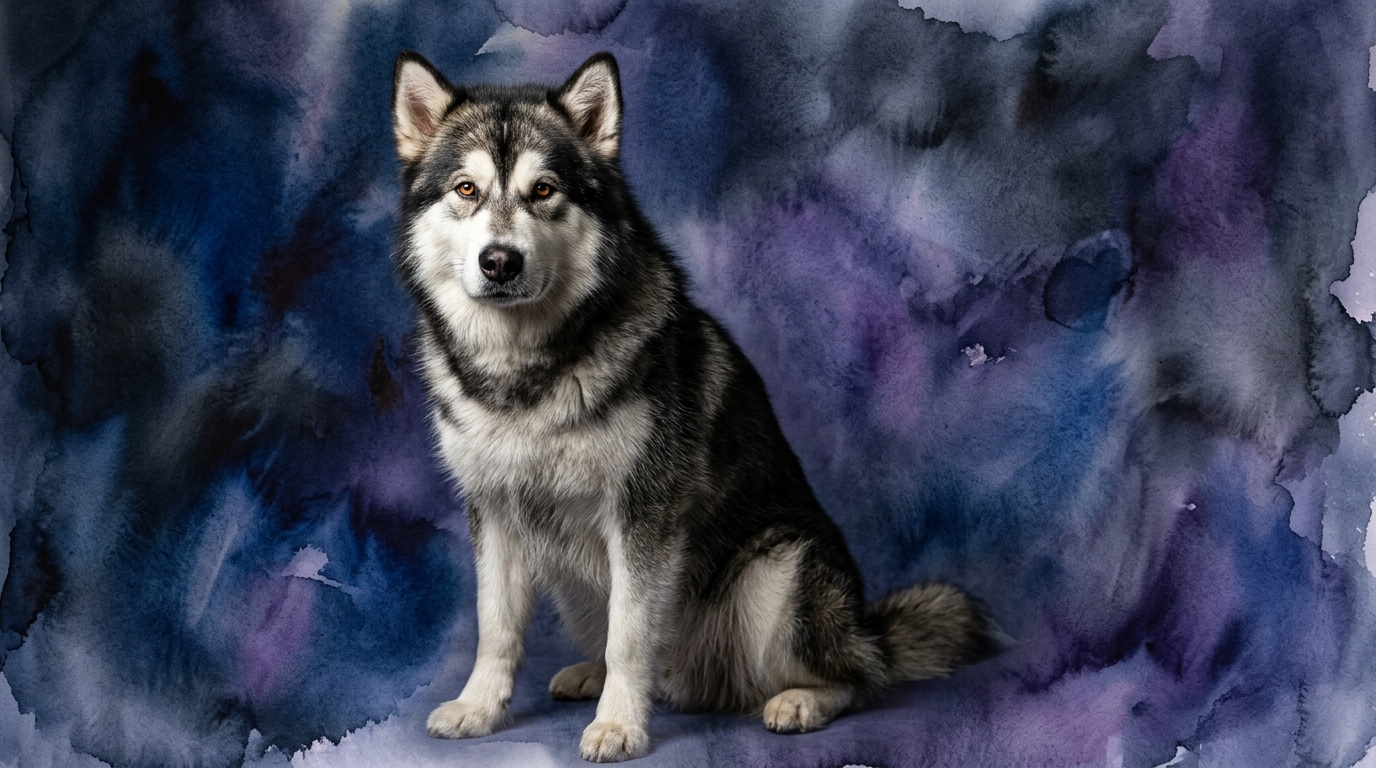
The Alaskan Malamute, a robust working breed, registers a Coren rank of #50. Their cognitive profile highlights exceptional capabilities in specific areas. Problem Solving scores 4/5, indicating a strong capacity for independent thought and finding solutions to complex environmental challenges, reflecting their historical role. Training Speed, however, is rated 2/5, suggesting a more independent and less inherently compliant nature, requiring patient and consistent methods to embed new behaviors. Social Intelligence is 3/5, meaning they can form strong bonds but might not always be seeking constant social cues from humans in the same way some other breeds do, often possessing a more self-reliant disposition. Instinctive Drive is a commanding 5/5, underscoring their profound natural urges related to their working heritage, such as pulling, hunting, and exploring, which are deeply ingrained cognitive programs. Memory is strong at 4/5, allowing them to retain complex information and spatial awareness over time, crucial for their historical tasks.
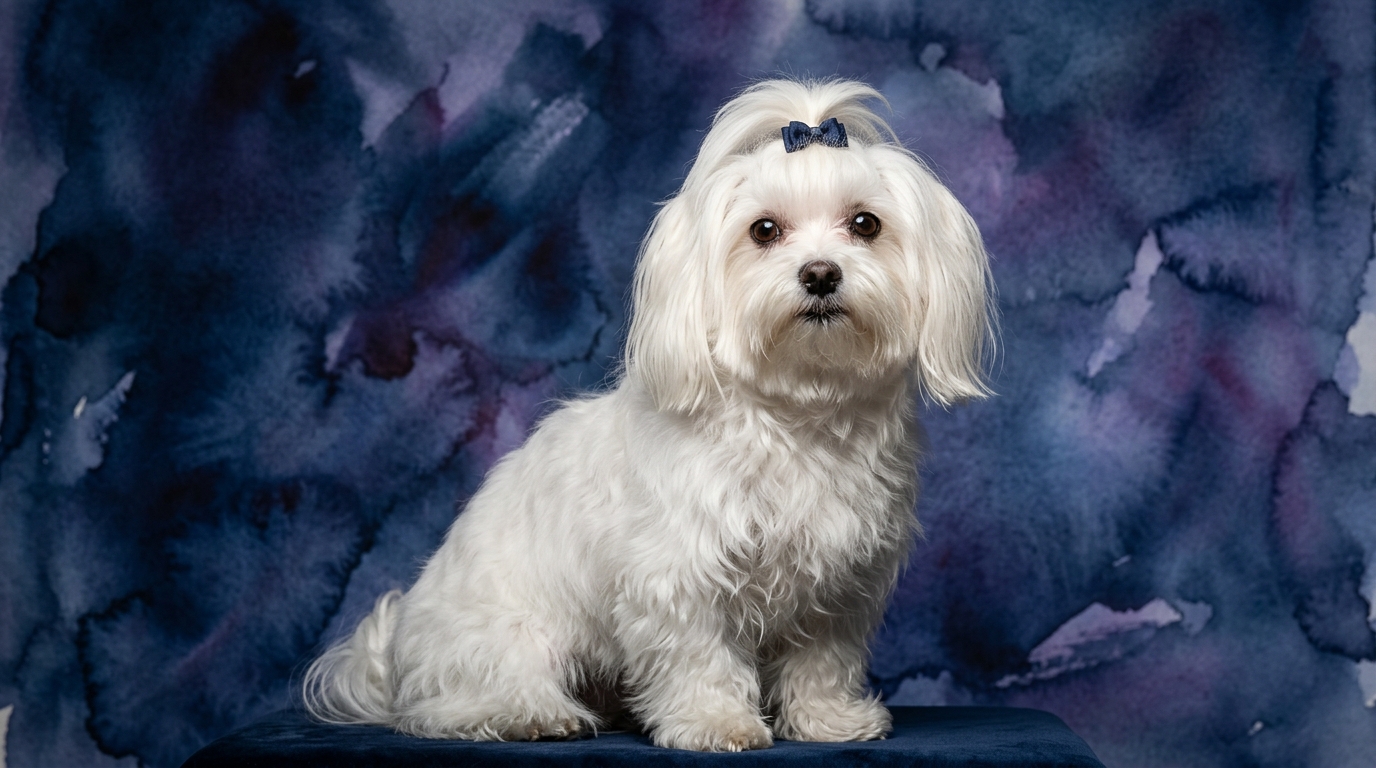
As a quintessential toy breed, the Maltese holds a Coren rank of #59. Their cognitive strengths lie in different domains. Problem Solving is rated 3/5, showing a moderate ability to navigate novel situations, though perhaps less inclined towards the independent, physical problem-solving of a working dog. Training Speed is 3/5, indicating they are generally receptive to learning and can pick up new commands at an average pace, often motivated by companionship and positive reinforcement. Social Intelligence shines brightest at 5/5, reflecting an exceptional capacity for understanding human emotions, cues, and a strong desire to connect and interact, making them highly attuned companions. Instinctive Drive is lower at 2/5, meaning their innate drives are less focused on traditional working tasks and more on companionship and interaction within a domestic setting. Memory is 3/5, allowing them to recall routines, people, and basic commands.
Where the Alaskan Malamute Wins Cognitively
The Alaskan Malamute's cognitive strengths are deeply rooted in their working heritage. Their 4/5 Problem Solving score means they excel at figuring out practical solutions, whether it's unlatching a gate, finding a way around an obstacle in their path, or independently assessing a situation. This isn't about obeying a command, but autonomous thought in real-world scenarios. Furthermore, their 5/5 Instinctive Drive gives them an unparalleled internal motivation for specific tasks like scent tracking, pulling, or exploring vast territories, a drive that translates into a persistent mental focus on their objectives. Their 4/5 Memory supports this by allowing them to recall complex routes, past experiences, and the location of resources, which was vital for their historical roles in sled teams.
Where the Maltese Wins Cognitively
The Maltese truly excels in the realm of social cognition, registering a perfect 5/5 in Social Intelligence. This indicates an extraordinary ability to read and respond to human emotions, intentions, and subtle cues, making them exceptionally empathetic and communicative companions. They are often profoundly connected to their human families, seeking out interaction and comfort. While their Problem Solving is a moderate 3/5, their slightly higher 3/5 Training Speed compared to the Malamute suggests a greater willingness to engage in cooperative learning with their humans. This cooperative spirit extends from their strong social drive, where pleasing their owner motivates learning.
Which Breed is Easier to Train and Why
When considering ease of training, the Maltese (Training Speed 3/5) generally presents a more straightforward experience than the Alaskan Malamute (Training Speed 2/5). The Maltese's exceptional 5/5 Social Intelligence means they are often highly motivated by human interaction and approval, making them eager to learn and respond to cues. Their lower 2/5 Instinctive Drive also means fewer strong inherent urges that might conflict with desired behaviors, making them generally more amenable to domestic routines. In contrast, the Alaskan Malamute's lower Training Speed score and powerful 5/5 Instinctive Drive mean they possess a strong independent streak and a formidable will. Training a Malamute often requires immense patience, creativity, and a deep understanding of their innate motivations. They may learn, but their compliance is often conditional on their own assessment of the task's value or their independent spirit. For example, a Malamute might understand 'come' but choose not to if something more interesting captures their attention, whereas a Maltese is more likely to prioritize human connection.
Cognition and Lifestyle: Active vs. Relaxed Owners
The Alaskan Malamute, with its 5/5 Instinctive Drive and 4/5 Problem Solving, thrives with active owners who can meet their substantial physical and mental stimulation needs. They require consistent engagement in activities that tap into their innate drives, such as long hikes, sledding, pulling sports, or complex puzzle toys that challenge their independent problem-solving skills. A Malamute with insufficient outlets can become destructive or vocal. Conversely, the Maltese, with its 5/5 Social Intelligence and lower 2/5 Instinctive Drive, is an ideal fit for more relaxed owners who prioritize companionship and indoor activities. While they enjoy walks and playtime, their primary need is for close human interaction and being part of family life. Their cognitive profile makes them adaptable to various living situations, as long as they receive ample affection and attention.
The Verdict
Choose an Alaskan Malamute if you are an experienced, active owner seeking a resilient, independent companion eager for adventures that challenge both body and mind, and you appreciate a dog that thinks for itself.
Opt for a Maltese if you desire a highly social, affectionate companion whose greatest joy is being by your side, fitting seamlessly into a home environment with regular interaction and moderate activity.
🧠 Find Your Pet's IQ Score
Our Pet IQ Lab assessment covers 25+ tests across 5 cognitive dimensions — personalized to your breed.
Take the Full IQ Test →Frequently Asked Questions
Do Alaskan Malamutes learn quickly?
Alaskan Malamutes have a Training Speed of 2/5, meaning they are not the quickest learners in terms of obedience commands. Their independent nature and strong instincts often lead them to prioritize their own desires over immediate compliance, requiring consistent and patient training methods.
Are Maltese dogs good at problem-solving?
Maltese dogs have a Problem Solving score of 3/5, indicating a moderate ability to figure out novel situations. While they may not demonstrate the same independent, physical problem-solving as working breeds, they can learn to navigate their environment and solve puzzles appropriate for their size and cognitive style.
Which breed is more affectionate, Malamute or Maltese?
The Maltese, with a perfect 5/5 Social Intelligence score, is inherently more affectionate and attuned to human emotions, often forming incredibly strong bonds and seeking constant interaction. Alaskan Malamutes, scoring 3/5 in Social Intelligence, are affectionate with their families but tend to be more independent and less overtly demonstrative.