Side-by-Side Cognitive Profiles
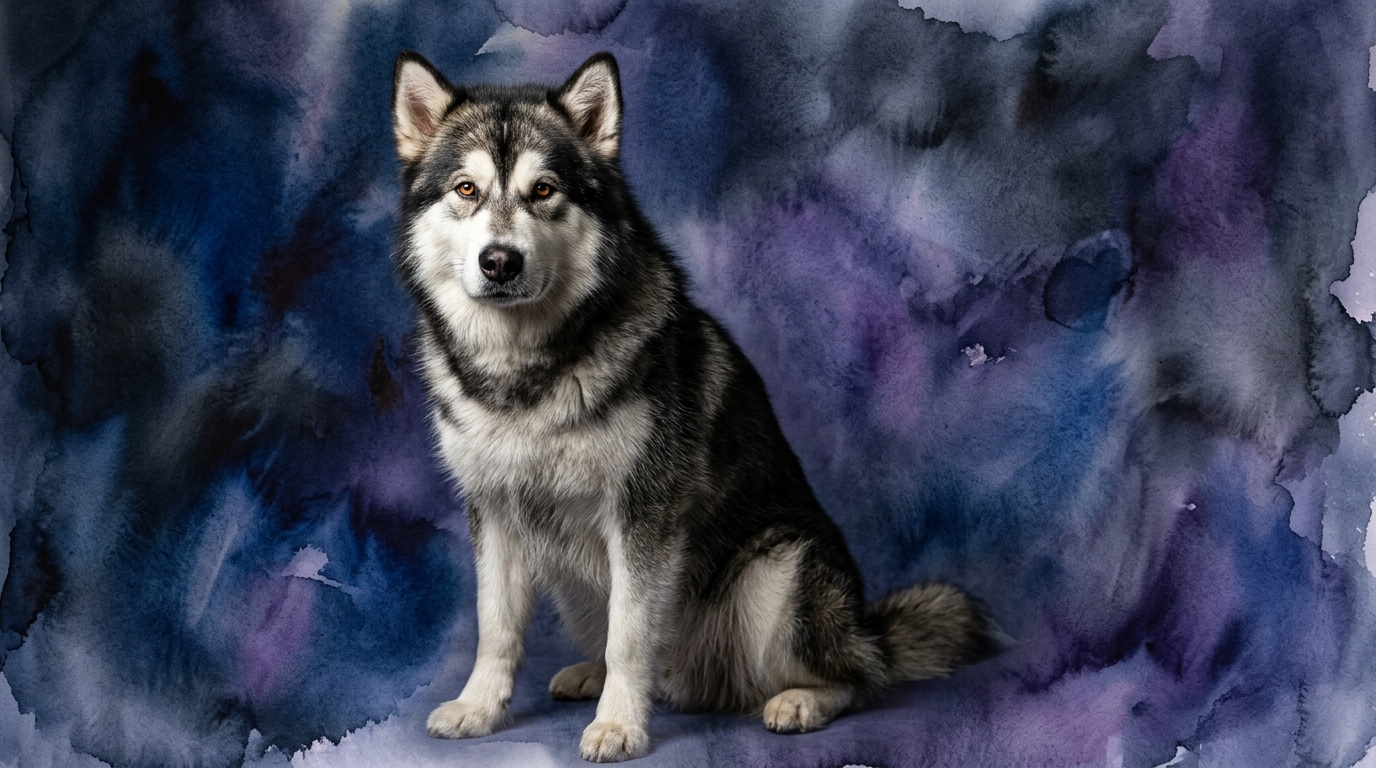
The Cosmic Pet Pet IQ Lab provides a detailed framework for understanding the unique cognitive strengths and inclinations of each breed. For the Alaskan Malamute, a Working dog, their Coren rank sits at #50, reflecting a respectable capacity for learning and task execution. Delving into their specific IQ dimensions, Malamutes score 4/5 in Problem Solving, indicating a strong ability to navigate complex situations and strategize. Their Training Speed is rated 2/5, suggesting they may require more repetition and motivation to consistently grasp new commands. Social Intelligence is 3/5, meaning they can read cues but often prioritize their own agenda. A commanding 5/5 in Instinctive Drive highlights their profound urge to perform breed-specific tasks, like pulling or endurance, while their Memory is a robust 4/5, allowing them to recall complex routes or learned sequences effectively.
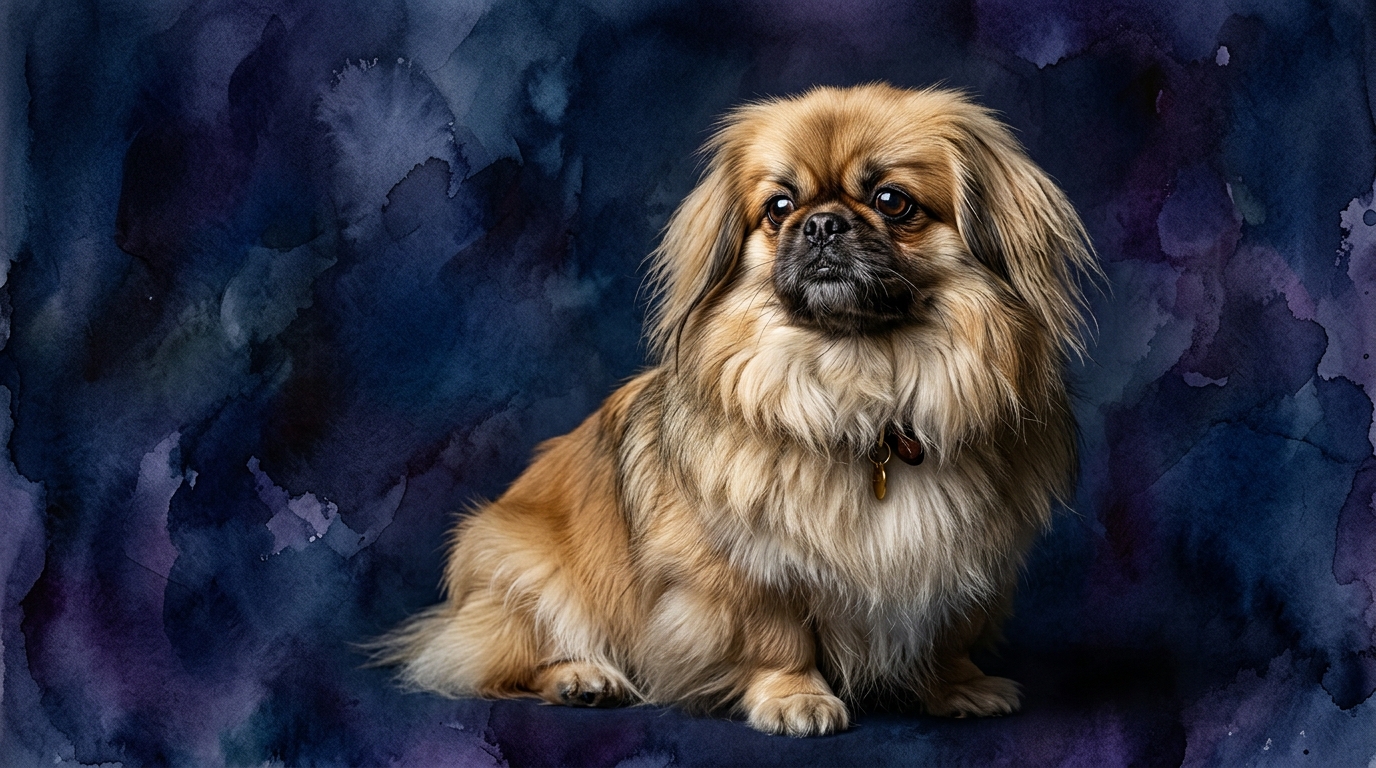
In contrast, the Pekingese, a Toy breed, holds a Coren rank of #77. This position suggests a different approach to learning, often geared more towards companionship than complex commands. Their Problem Solving score is 3/5, indicating an adequate ability to figure out everyday challenges, perhaps related to comfort or interaction within their environment. Notably, their Training Speed is also 3/5, which, surprisingly, is a point higher than the Malamute's, implying they might pick up basic commands with slightly less effort or resistance. Social Intelligence matches the Malamute at 3/5, reflecting their capacity for nuanced interaction, albeit typically within a domestic context. An Instinctive Drive of 3/5 suggests they possess a moderate internal motivation, often expressed through their self-assured demeanor rather than a strong urge for physical tasks. Finally, their Memory is 3/5, allowing them to retain familiar routines and interactions.
Where the Alaskan Malamute Excels Cognitively
The Alaskan Malamute’s cognitive strengths are deeply rooted in their heritage as powerful sled dogs, requiring both physical and mental fortitude for survival in harsh environments. Their 4/5 Problem Solving score shines in scenarios demanding endurance and strategic navigation. Imagine a Malamute assessing a snowdrift, calculating the best path through or around it, or figuring out how to free a snagged sled. This isn't about solving abstract puzzles, but practical, environmental problem-solving crucial for their historical roles. Their robust 4/5 Memory complements this, enabling them to recall vast territories, remember intricate trail patterns, or retain complex multi-step routines, making them dependable partners in demanding work.
Furthermore, the Malamute's formidable 5/5 Instinctive Drive fuels their cognitive engagement. This isn't just a physical urge; it’s a mental commitment to purpose. When given a task that aligns with their drive, such as pulling a cart or participating in a hiking expedition, their mental focus and stamina are exceptional. This drive means they are not merely following commands but are intrinsically motivated by the work itself, transforming physical exertion into a mentally stimulating activity. Their cognitive strengths are less about passive compliance and more about active, independent engagement with their world, seeking out challenges that resonate with their primal purpose.
Where the Pekingese Shines Cognitively
While the Pekingese might not possess the Malamute's raw power or endurance, their cognitive profile reveals a distinct set of intellectual advantages, particularly within a domestic setting. Their 3/5 Problem Solving, though lower than the Malamute's, often manifests in subtle ways, such as figuring out the optimal sunbeam for napping, manipulating their humans for attention, or strategically guarding their favorite spot on the couch. This is a form of social and environmental problem-solving tailored to their companion role, emphasizing comfort and influence rather than strenuous tasks.
Crucially, the Pekingese boasts a 3/5 Training Speed, surpassing the Malamute's 2/5. This suggests they can learn new commands with slightly greater efficiency, especially when the motivation is clear and consistent. While they possess an independent streak, their capacity to absorb and respond to cues within a structured training environment is a notable cognitive asset. Their 3/5 Social Intelligence, like the Malamute's, allows for nuanced interactions, but for the Pekingese, it often translates into a keen awareness of household dynamics and human moods, enabling them to adapt their behavior to maintain their favored position within the family unit. Their memory, at 3/5, is perfectly adequate for recalling daily routines, preferred people, and the location of treasured items, ensuring a smooth and predictable home life.
Ease of Training: A Behavioral Perspective
When considering ease of training, the raw IQ scores paint an interesting picture. The Alaskan Malamute's 2/5 Training Speed, coupled with their 5/5 Instinctive Drive, means they are not inherently difficult to teach due to a lack of capacity, but rather due to a strong independent streak and a profound self-motivation that often supersedes human directives. They are intelligent enough to understand what is being asked but may choose not to comply if the task doesn't align with their internal drives or if they perceive a better alternative. This makes training a Malamute an exercise in establishing leadership, consistent motivation, and making tasks feel purposeful and rewarding for them, often requiring more patience and creativity from the trainer.
The Pekingese, with a 3/5 Training Speed, is often perceived as more amenable to learning basic commands, despite their independent and sometimes stubborn nature. Their lower 3/5 Instinctive Drive means they are less compelled by an overwhelming internal purpose and can be more swayed by external motivators like treats or praise, especially when training aligns with their desire for comfort or attention. While they can be particular, their learning curve for foundational obedience often feels smoother than a Malamute’s, as they are less likely to actively challenge the command structure if they see a personal benefit. Their behavioral differences stem from centuries of selective breeding for companionship versus demanding work.
Matching Breeds to Lifestyles: Active vs. Relaxed Owners
The cognitive profiles of the Alaskan Malamute and Pekingese clearly delineate their suitability for different owner lifestyles. The Malamute’s high Problem Solving (4/5), robust Memory (4/5), and overwhelming Instinctive Drive (5/5) necessitate an active owner who can provide ample physical and mental stimulation. They thrive with individuals or families who embrace outdoor adventures, whether it’s long hikes, sledding, skijoring, or other endurance activities. Their minds are constantly seeking purpose and challenge, and an owner who can facilitate this will find a deeply engaged and fulfilling companion. A sedentary lifestyle for a Malamute will inevitably lead to frustration and potentially destructive behaviors, as their powerful cognitive engines are left idling.
Conversely, the Pekingese, with its moderate scores across the board (3/5 for Problem Solving, Training Speed, Social Intelligence, Instinctive Drive, and Memory), is an ideal companion for more relaxed owners. Their cognitive needs are met through consistent daily routines, indoor play, and rich social interaction within the home. While they enjoy short, leisurely strolls, they do not demand extensive physical exertion or complex work-oriented tasks. Their intelligence is geared towards navigating domestic life, forming strong bonds, and enjoying a comfortable existence. An owner who appreciates their independent spirit, provides gentle companionship, and finds joy in their distinct personality will discover a loyal and surprisingly perceptive housemate.
The Verdict
Choose an Alaskan Malamute if you are an active, experienced owner ready to channel their powerful instinctive drive and problem-solving abilities into a life of shared adventure and purpose. They thrive with consistent mental and physical challenges that align with their working heritage.
Opt for a Pekingese if you seek a charming, independent companion for a more relaxed, indoor-centric lifestyle, appreciating their subtle social intelligence and moderate training capacity for a comfortable home environment.
🧠 Find Your Pet's IQ Score
Our Pet IQ Lab assessment covers 25+ tests across 5 cognitive dimensions — personalized to your breed.
Take the Full IQ Test →Frequently Asked Questions
Are Alaskan Malamutes difficult to train?
While Malamutes are intelligent with strong problem-solving skills, their 2/5 training speed and high instinctive drive mean they are independent thinkers. Training requires consistent, positive reinforcement and making tasks feel purposeful and rewarding to overcome their self-motivated nature.
Do Pekingese require much mental stimulation?
Pekingese have a 3/5 problem-solving score and moderate instinctive drive, meaning they benefit from regular, but not overly demanding, mental engagement. Short training sessions, puzzle toys, and consistent social interaction within the home are typically sufficient to keep them content.
Which breed is better for first-time dog owners?
Given the Alaskan Malamute's strong independent streak and high exercise/mental stimulation needs, they are generally not recommended for first-time owners. The Pekingese, while possessing an independent spirit, often adapts better to a first-time owner's lifestyle due to their lower physical demands and moderate training curve for basic companionship.