Side-by-Side IQ Profile
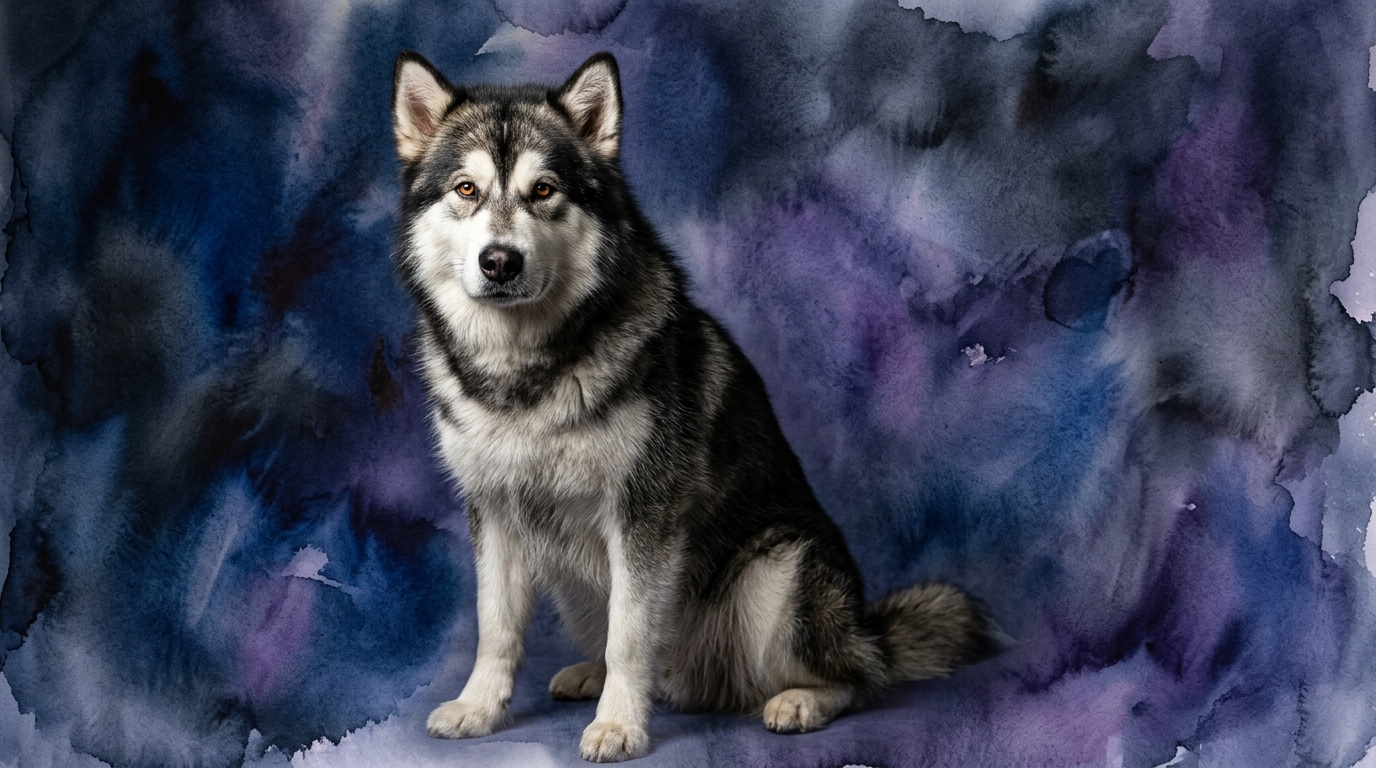
The Alaskan Malamute, ranking #50 on the Coren intelligence scale, presents a fascinating cognitive makeup honed for robust, independent work in challenging environments. Their problem-solving ability stands at a strong 4/5, reflecting a deep capacity for strategic thought and independent action, often observed as they meticulously figure out how to open a complex gate or retrieve a hidden object. This mental acuity is a direct legacy of their need to make decisions and navigate autonomously during sledding expeditions. Training speed, however, is a moderate 2/5; while they are perfectly capable of understanding commands, their strong-willed and self-reliant nature means compliance is often a considered choice rather than an immediate reaction, demanding exceptional patience and consistent, positive reinforcement from their handler. Their social intelligence is rated 3/5; they are generally friendly and can form strong bonds, but they are less driven by a need to constantly please or attune to subtle human emotional shifts compared to some breeds, preferring interactions based on clear communication and mutual respect. An impressive 5/5 for instinctive drive highlights their powerful urges to pull, dig, and explore, behaviors deeply ingrained from their heritage as formidable sled dogs. Finally, their memory is a solid 4/5, enabling them to recall complex routes, learned behaviors, and past experiences effectively, a critical asset for their historical working roles.
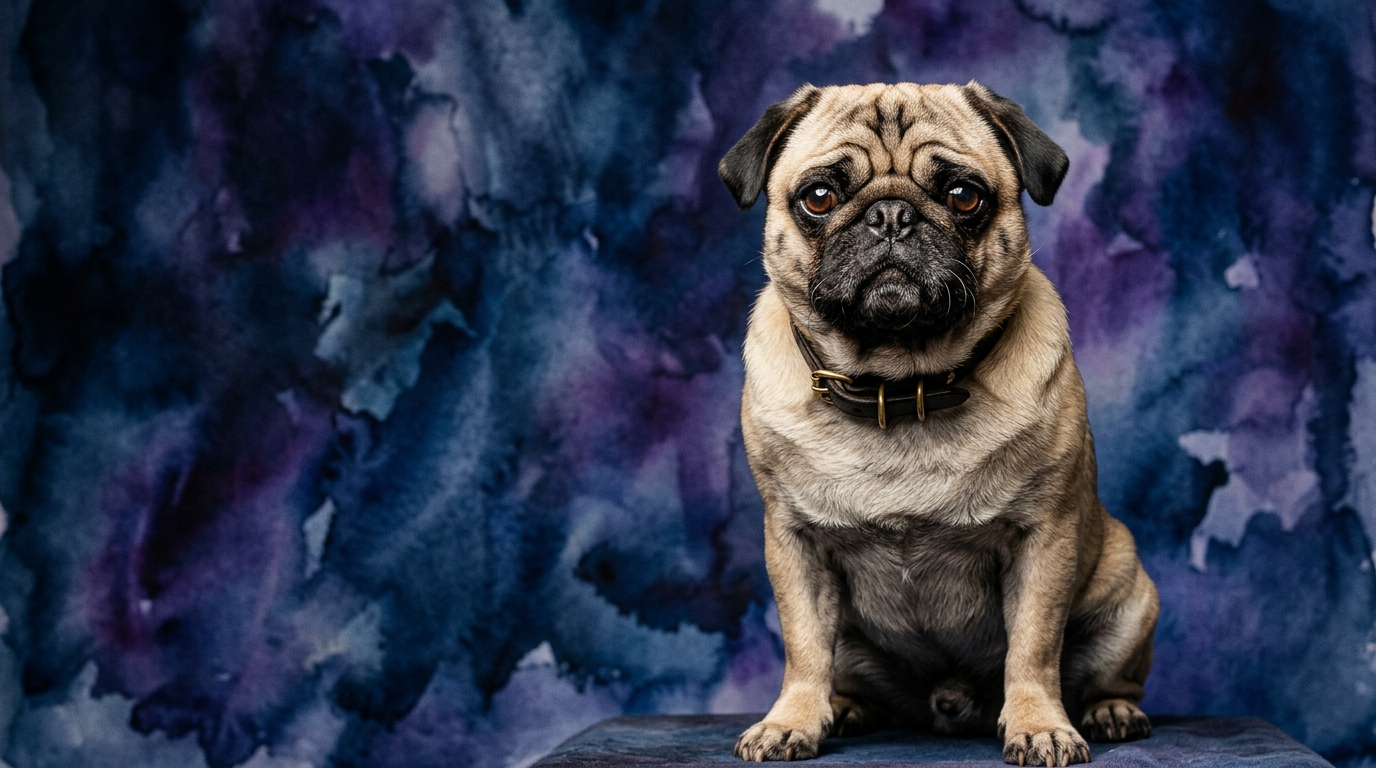
The Pug, positioned at #57 on the Coren intelligence scale, showcases a cognitive profile exquisitely optimized for intimate companionship and social interaction. Their problem-solving scores 2/5, indicating a preference for simpler solutions or a tendency to rely on human intervention rather than engaging in intricate, independent strategizing, a trait consistent with their historical role as devoted lap dogs. Training speed mirrors the Malamute at 2/5, though their challenges stem more from a desire for comfort, a shorter attention span, or playful stubbornness rather than pure independence. Successful training necessitates engaging, brief sessions infused with positive reinforcement and fun. Where the Pug truly shines is in social intelligence, earning a perfect 5/5; they are exceptionally attuned to human emotions, masters of subtle communication, and thrive on intimate interaction, making them highly empathetic and intuitive companions. Their ability to read a room and charm their way into hearts is unparalleled. Their instinctive drive is a low 2/5, with minimal inherent desire for activities like pulling, hunting, or extensive digging, prioritizing comfort, warmth, and human connection above all else. Their memory is a respectable 3/5, sufficient for remembering daily routines, familiar faces, and the location of their favorite napping spots, reinforcing their role as a comforting presence.
Where Alaskan Malamute Wins Cognitively
The Alaskan Malamute's cognitive superiority lies in their capacity for independent thought and robust practical application, skills honed over centuries of demanding work. They excel in solving novel problems that require strategic planning and physical execution, such as figuring out how to bypass an obstacle in their path or manipulating objects to achieve a desired outcome. This breed displays a remarkable ability to learn and remember complex spatial layouts and sequences of actions, crucial for their historical role in navigating vast, undifferentiated landscapes. Their working memory allows them to hold multiple pieces of information in mind while performing a task, making them adept at multi-stage challenges. Furthermore, their powerful instinctive drives translate into an inherent motivation for purposeful activity, meaning they possess an internal engine for sustained mental effort in tasks that resonate with their heritage, such as tracking or advanced agility. This cognitive resilience allows them to persist through mentally demanding situations where other breeds might falter.
Where Pug Wins Cognitively
The Pug's cognitive strengths are profoundly rooted in their exceptional social and emotional intelligence, making them masters of human-canine bonding. They possess an unparalleled ability to read and respond to the nuances of human moods and intentions, often anticipating their owner's desires or offering comfort with uncanny accuracy without explicit cues. This breed is a virtuoso of non-verbal communication, adeptly using subtle body language, expressive facial cues, and varied vocalizations to convey their needs and elicit specific responses from their human companions. Their high social intelligence enables them to form deep, empathetic attachments, allowing them to integrate seamlessly into complex family dynamics and adapt to diverse social settings with remarkable ease and charm. Pugs demonstrate a keen memory for social interactions and routines involving their human family, solidifying their role as intuitive and deeply understanding companions who prioritize connection above all else.
Which is Easier to Train and Why
Neither the Alaskan Malamute nor the Pug are typically categorized as "easy" to train in the conventional sense, both occupying the average intelligence bracket for obedience. The Malamute’s training challenges stem from their profound independence and powerful working drives; they understand commands but often critically evaluate whether compliance aligns with their own agenda or immediate desires. Their "stubbornness" is often a manifestation of their strong will and inherent problem-solving capacity, requiring a handler who can consistently demonstrate leadership, patience, and tap into their natural motivations for pulling or exploring through engaging, purpose-driven activities. Conversely, the Pug’s training hurdles arise from a different cognitive profile: a shorter attention span, a strong preference for comfort, and a playful, sometimes distractible nature. While highly food-motivated and eager for praise, their focus can wane quickly, demanding fun, brief, and highly rewarding sessions to maintain engagement. For basic home obedience, a Pug might be perceived as "easier" for a novice owner because their motivations (food, affection, comfort) are simpler to leverage, and their physical demands are minimal. However, achieving advanced obedience or off-leash reliability often requires more specialized handling and motivation for both breeds, with the Malamute's deep-seated independence presenting a greater long-term commitment in structured training.
Which Suits Active Owners vs Relaxed Owners
The Alaskan Malamute is an ideal match for active owners who genuinely relish outdoor adventures and are fully prepared to provide consistent, vigorous mental and physical stimulation. These dogs thrive with individuals or families who enjoy activities such as hiking, backpacking, sledding, skijoring, or engaging in demanding puzzle games and advanced obedience work. They require an owner who not only understands and respects their independent, often strong-willed nature but also provides clear boundaries, structured training, and ample opportunities to channel their powerful drives productively. Conversely, the Pug is the quintessential companion for more relaxed owners seeking constant affection and a significantly less demanding physical routine. They are perfectly content with leisurely strolls, gentle indoor play, and extensive cuddle sessions on the sofa, prioritizing comfort and proximity to their human family. Pugs flourish with owners who prioritize companionship, appreciate their charming social antics, and are happy to provide a warm lap and plenty of gentle interaction without the need for intense outdoor activities or extensive training regimens.
The Verdict
When choosing an Alaskan Malamute, opt for this breed if you are an experienced, active owner seeking a robust, independent, and intelligent partner for outdoor adventures and structured working tasks.
Choose a Pug if you desire a charming, socially adept, and affectionate companion who excels at bonding and thrives in a more relaxed, indoor-centric lifestyle.
🧠 Find Your Pet's IQ Score
Our Pet IQ Lab assessment covers 25+ tests across 5 cognitive dimensions — personalized to your breed.
Take the Full IQ Test →Frequently Asked Questions
Are Alaskan Malamutes truly stubborn, or is it a sign of their intelligence?
Malamute "stubbornness" is often a manifestation of their high problem-solving ability and independent thinking, rather than a lack of understanding. They possess a strong will and evaluate whether a command aligns with their own perceived best interest, which requires a trainer to be consistent and motivational.
Do Pugs genuinely understand human emotions, or are they just seeking attention?
Pugs possess exceptional social intelligence, allowing them to genuinely read and respond to human emotions with remarkable accuracy. While they certainly enjoy attention, their ability to offer comfort or adjust their behavior based on your mood is a testament to their deep empathetic capacity.
What kind of mental enrichment is most effective for each breed's specific IQ profile?
For Alaskan Malamutes, enrichment should involve puzzle toys that challenge their problem-solving, structured training for complex tasks, and activities like scent work or carting that engage their instinctive drives. For Pugs, interactive toys that provide treats, short and fun training sessions, and plenty of social interaction and cuddle time are most effective for their companionship-oriented intelligence.