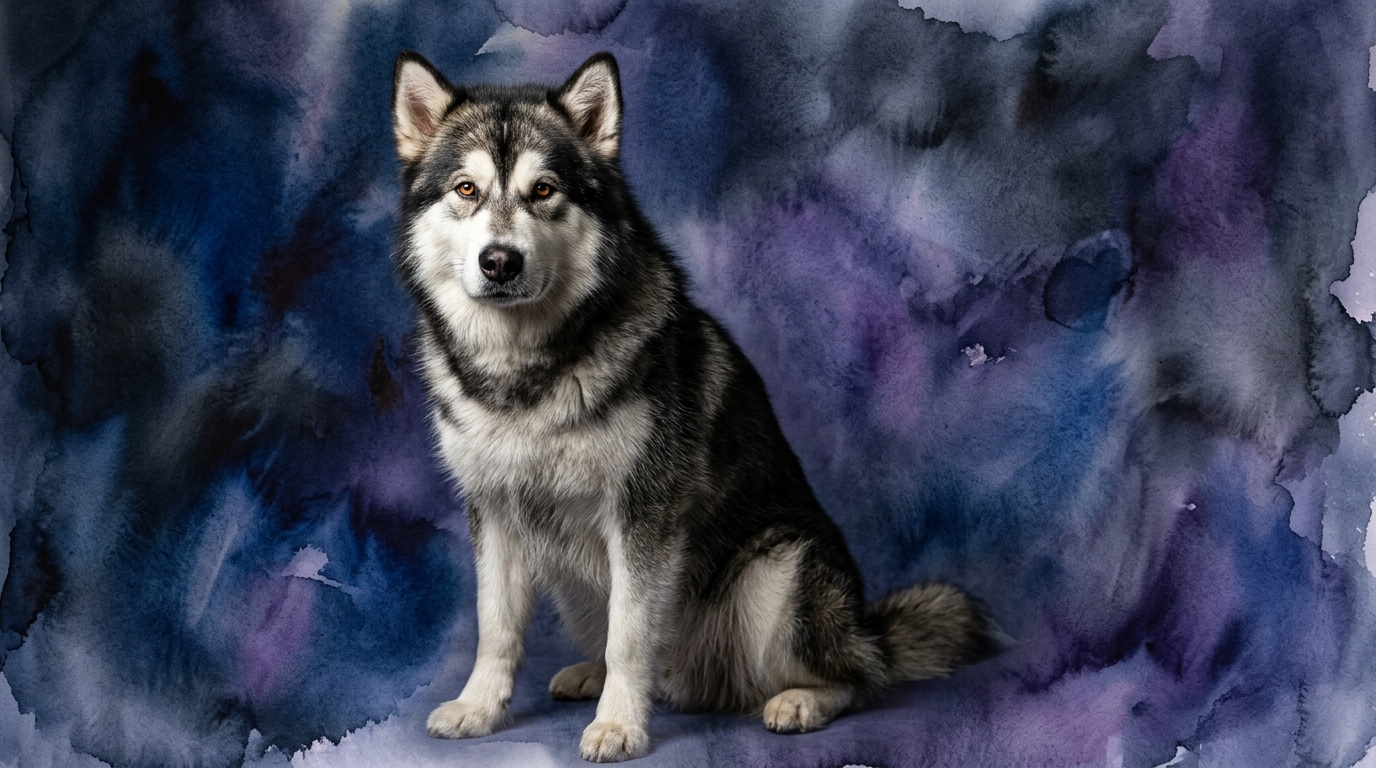
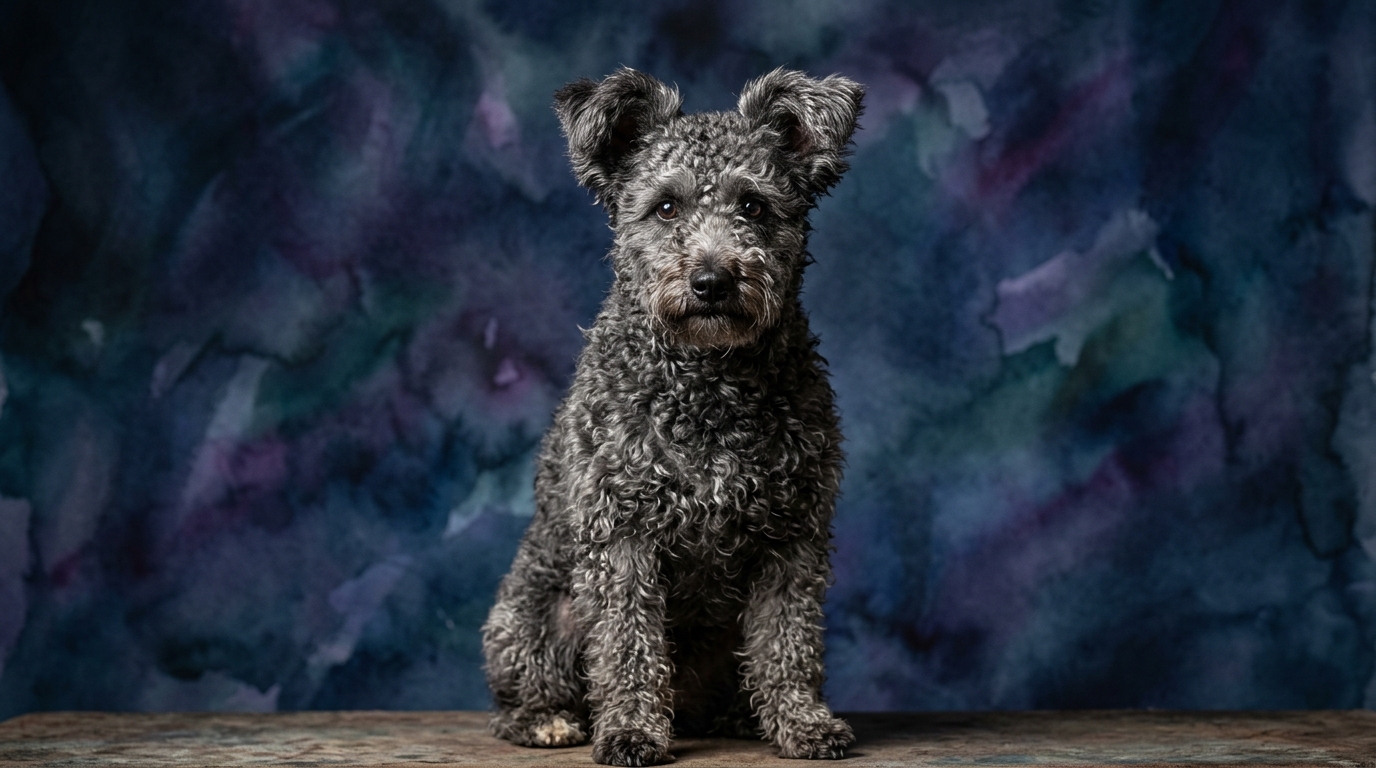
Side-by-side IQ profile
The Cosmic Pet Pet IQ Lab employs a five-dimensional framework to assess canine cognition, offering a holistic view of mental aptitude beyond simple obedience. This approach illuminates the distinct cognitive strengths and challenges presented by breeds like the Alaskan Malamute and the Pumi, providing crucial insights for prospective owners.
The Alaskan Malamute, a powerful working dog, exhibits a cognitive profile built for endurance and self-reliance in harsh environments. Their Problem Solving is a notable 4/5, reflecting independent thought for physical challenges. Training Speed registers a 2/5, indicating a strong-willed nature requiring patience. Social Intelligence is 3/5, suggesting independent connection. Their Instinctive Drive is exceptionally high at 5/5, a deep-seated urge for purposeful activity like pulling. Memory stands at 4/5, showcasing retention of routes and experiences over vast territories.
In contrast, the Pumi, a lively Hungarian herding dog, showcases a cognitive blueprint optimized for agility, quick responses, and handler collaboration. Their Problem Solving score of 3/5 suggests practical intelligence for tasks like managing livestock, less for abstract, solitary puzzles. Training Speed is 3/5, indicating moderate trainability and efficient learning when motivated. Social Intelligence also scores 3/5, reflecting a balanced temperament for close work. Instinctive Drive is 3/5, a pronounced urge for herding and activity, but with less overwhelming intensity than a sled dog. Memory is also 3/5, capable of remembering commands and routines, but perhaps not for vast environmental complexities.
Where Alaskan Malamute wins cognitively
The Alaskan Malamute's cognitive strengths distinctly shine in areas demanding independent reasoning and unwavering task commitment. Their 4/5 Problem Solving score reflects an innate ability to assess environmental challenges and devise solutions without constant human input. This stems from generations of making self-reliant decisions crucial for survival and task completion in challenging arctic landscapes, such as finding paths or resources.
The Malamute's exceptional 5/5 Instinctive Drive is another clear cognitive advantage, signifying an unparalleled inner motivation for purposeful activity. This is a deep mental imperative to perform "work" involving strength, endurance, and pulling. Their minds are wired for sustained effort and goal-oriented behaviors, providing a cognitive stamina and focus that few other breeds can match when engaged in relevant tasks like sledding or extended hikes.
Furthermore, the Malamute's 4/5 Memory score gives them an edge in retaining complex spatial information and learned experiences over extended periods. This superior recall is invaluable for remembering vast routes, identifying safe paths, and recognizing familiar situations. For a dog bred to cover extensive distances and return home, this robust cognitive filing system for past events and locations is a critical asset.
Where Pumi wins cognitively
While the Pumi's individual scores might seem moderate compared to the Malamute's peaks, their cognitive advantages lie in their balanced and adaptable profile, particularly in responsiveness and handler-centric cooperation. Their 3/5 Training Speed, a win over the Malamute's 2/5, indicates a greater willingness to engage with human instruction and a quicker grasp of new commands, making them more amenable to diverse training disciplines.
The Pumi's 3/5 Problem Solving and 3/5 Social Intelligence, viewed together, highlight a cognitive strength in dynamic, interactive scenarios. They excel at solving problems within a human partnership, often anticipating handler movements or responding to subtle cues during herding or agility. Their social intelligence is practical and task-oriented, enabling a strong working bond where they are attentive to human direction, making them effective in sports requiring quick thinking and collaborative problem-solving.
Their 3/5 Instinctive Drive, while less intense than the Malamute's, is perfectly calibrated for sustained, focused work requiring bursts of energy and rapid changes in direction, typical of herding. This drive is coupled with a cognitive capacity for self-regulation, allowing them to switch tasks or disengage when instructed – a flexibility less common in breeds with extremely high, singular drives. Their 3/5 Memory means they reliably recall routines and commands for collaborative tasks.
Which is easier to train and why
The Pumi generally presents a more straightforward training path due to its higher Training Speed (3/5) compared to the Alaskan Malamute's 2/5. The Pumi's cognitive makeup leans towards engaging with its handler, making it more receptive to learning new commands. Their herding background fosters a natural inclination to respond to direction and work in tandem, translating into a quicker grasp of concepts and willing participation in structured training.
The Malamute, while capable, approaches training with a strong independent nature and deep-seated instinctive drives (5/5). Bred to make self-reliant decisions, their self-sufficiency can manifest as perceived stubbornness in training. Their primary motivation often isn't handler-pleasing but fulfilling their own internal drives. Owners must be exceptionally creative and patient, making training appealing and relevant to the Malamute's inherent desires, as their cognitive prioritization of instinct over compliance can lead them to disregard commands for more interesting "tasks."
The Pumi's balanced Social Intelligence (3/5) allows for a more direct communication channel during training, as they are typically attentive to human cues. While Malamutes also have 3/5 Social Intelligence, theirs is often expressed through more independent engagement; they appreciate companionship but may not feel the same inherent cognitive pressure to obey every command. This difference in social wiring means the Pumi's cognitive readiness to partner in learning often makes training a more mutually rewarding experience for most owners.
Which suits active owners vs relaxed owners
For owners leading an active lifestyle who seek a robust partner for endurance activities, the Alaskan Malamute is a compelling choice. Their 5/5 Instinctive Drive and 4/5 Problem Solving mean they thrive on sustained physical and mental challenges, such as long hikes, sledding, or skijoring. These dogs require consistent outlets for their immense energy and cognitive need for purpose, making them ideal for individuals who integrate their dog into daily adventurous pursuits. A "relaxed" owner who cannot meet these needs would likely find themselves with a frustrated and potentially destructive Malamute, as their cognitive wiring demands a job.
The Pumi, with its 3/5 Instinctive Drive and balanced cognitive profile, suits active owners who enjoy diverse, interactive activities. They excel in dog sports like agility, obedience, and herding, which demand quick thinking, responsiveness, and a close working partnership. While they require regular exercise and mental stimulation, their needs are generally more adaptable than the Malamute's singular drive for endurance. They can thrive with owners who provide structured play, training sessions, and shorter, but more intense, bursts of activity, making them suitable for active households that may not necessarily seek a partner for extreme endurance challenges.
The Verdict
Choose the Alaskan Malamute if you are an experienced, highly active owner who can consistently provide extensive physical outlets and mentally engaging, independent 'work' that aligns with their powerful instinctive drives and problem-solving nature.
Opt for the Pumi if you seek an agile, responsive companion for dog sports and interactive training, valuing a quicker learning pace and a collaborative cognitive style in an active, but not necessarily extreme, lifestyle.
🧠 Find Your Pet's IQ Score
Our Pet IQ Lab assessment covers 25+ tests across 5 cognitive dimensions — personalized to your breed.
Take the Full IQ Test →Frequently Asked Questions
Does the Coren ranking difference matter in this comparison?
The Alaskan Malamute's Coren rank of #50 (out of 79) places it in the "Average Working/Intelligence" category, reflecting its independent nature impacting obedience. The Pumi is not Coren-ranked, which is common for less globally widespread breeds, but its 3/5 Training Speed indicates it generally responds more readily to instruction than a Malamute, making the practical difference notable.
Can a Pumi live in an apartment?
A Pumi can adapt to apartment living if their significant exercise and mental stimulation needs are consistently met. Their moderate instinctive drive (3/5) requires daily vigorous activity, such as long walks, runs, or dog sports, to prevent boredom and ensure cognitive well-being. Without sufficient outlets, they may become restless or develop unwanted behaviors.
Are Alaskan Malamutes good family dogs despite their independence?
Alaskan Malamutes can be good family dogs, as their social intelligence (3/5) allows for connection, but their independent nature means they may not always seek constant interaction or be overly demonstrative. They generally do well with older, respectful children who understand their boundaries, and benefit from early socialization to ensure they are well-adjusted to family life.