Side-by-Side Cognitive Profile
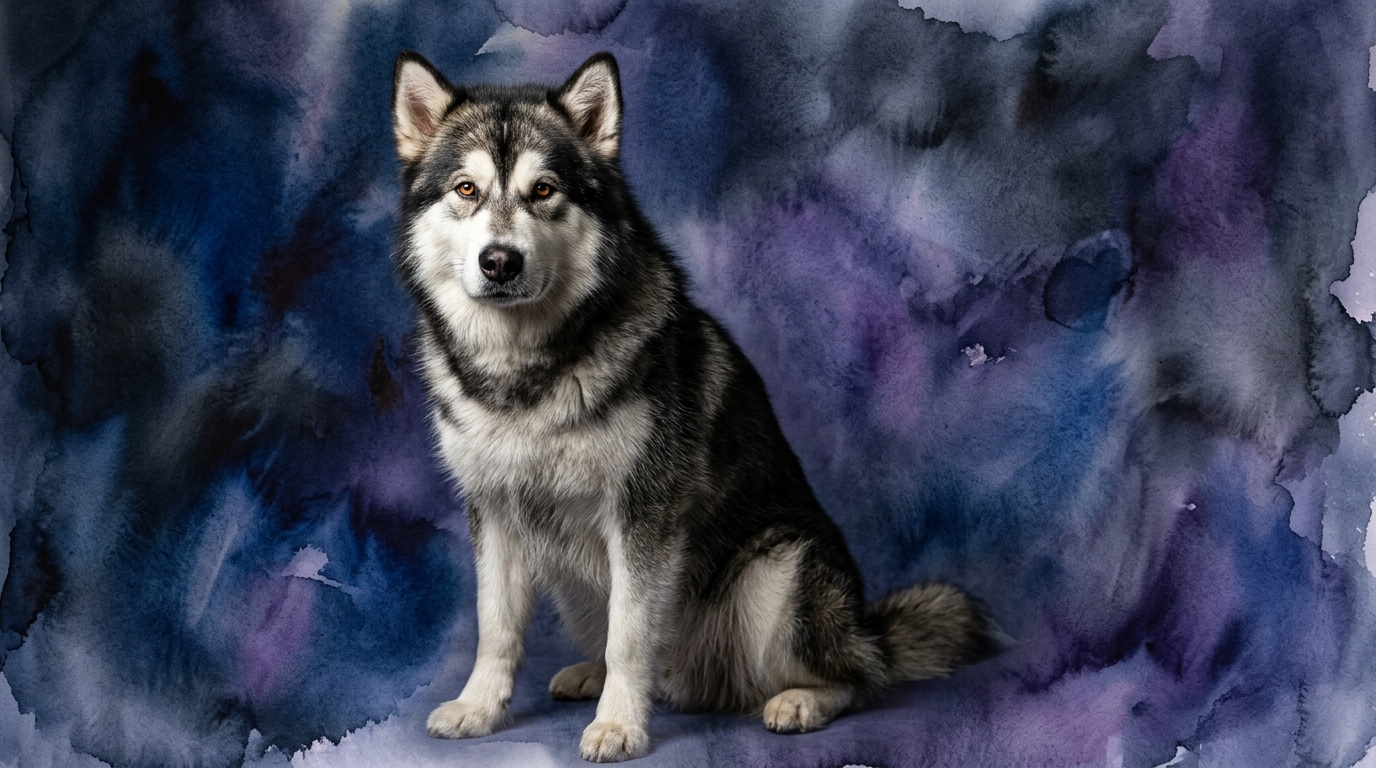
At The Cosmic Pet Pet IQ Lab, we dissect canine cognition across five crucial dimensions to offer a nuanced understanding of each breed's mental landscape. For the Alaskan Malamute, a breed steeped in working heritage, their problem-solving ability rates a robust 4/5. This reflects their historical need to navigate complex, often treacherous arctic environments, making strategic decisions for survival and efficiency over vast distances. Their training speed, however, is a more moderate 2/5, indicative of an independent spirit that values self-reliance. Social intelligence sits at 3/5, suggesting a capacity for pack dynamics but also a discerning nature. A formidable 5/5 in instinctive drive underscores their powerful urge for activities like pulling and exploring, deeply ingrained for their ancestral purpose. Finally, a memory score of 4/5 highlights their exceptional recall for routes, tasks, and experiences crucial for long-haul work.
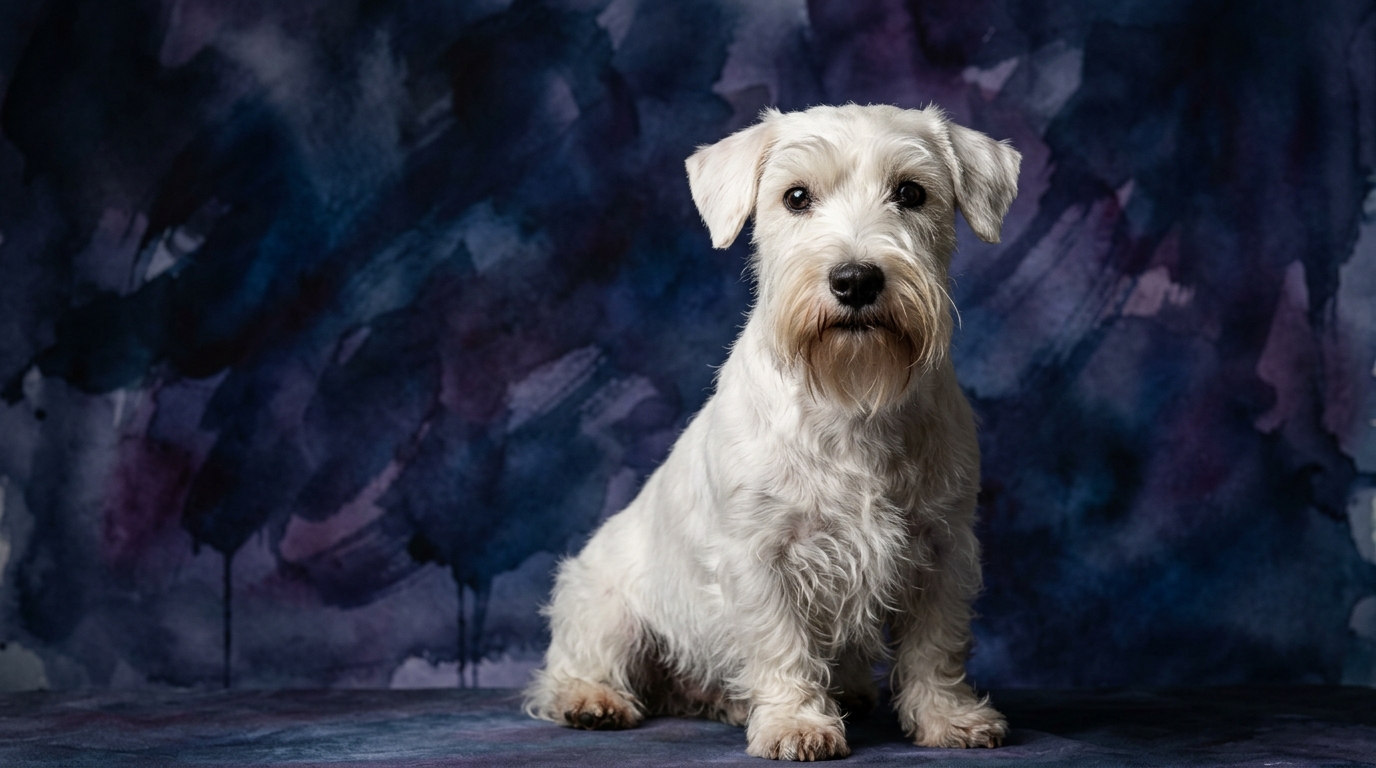
The Sealyham Terrier, a smaller yet equally spirited companion, presents a different cognitive blueprint. Their problem-solving ability scores 3/5, reflecting a focused tenacity in overcoming immediate obstacles, often in pursuit of prey, rather than broad environmental strategy. Training speed for the Sealyham is a solid 3/5; while they possess terrier stubbornness, they generally pick up new commands at a reasonable pace. Social intelligence, like the Malamute, is rated 3/5, indicating a capacity for forming strong bonds but potentially a reserved or assertive approach to strangers and other animals. Their instinctive drive comes in at 3/5, manifesting as a strong urge for digging and chasing, though less about sustained endurance than the Malamute. Lastly, their memory is rated 3/5, sufficient for remembering key locations, scents, and past hunting successes.
Where the Alaskan Malamute Excels Cognitively
The Alaskan Malamute's cognitive strengths are deeply intertwined with their heritage as a powerful sled dog. Their 4/5 problem-solving score isn't about quick tricks, but about sustained, adaptive thinking required to navigate vast, featureless landscapes and unpredictable weather. This involves complex decision-making regarding pathfinding, energy conservation, and team coordination over hours or days, a profound difference from the Sealyham's more immediate, localized problem-solving. This breed demonstrates a cognitive capacity for long-term strategic planning and environmental assessment that few can match.
The Malamute's 5/5 instinctive drive is another area of distinct advantage. This isn't merely a physical urge; it's a deep cognitive blueprint for purpose and persistence. Their inherent motivation for pulling, exploring, and engaging in endurance activities is an intrinsic part of their mental makeup, guiding their actions and providing a powerful internal reward system. This profound, embedded drive fuels their ability to perform demanding tasks with unwavering focus. Furthermore, their 4/5 memory allows them to recall intricate routes, resource locations, and past experiences with exceptional fidelity, a critical asset for survival and efficiency in challenging, expansive terrains, far exceeding the more localized memory needs of a Sealyham.
Where the Sealyham Terrier Shines Cognitively
While the Sealyham Terrier's overall problem-solving is rated 3/5, it represents a distinct and valuable form of intelligence. Their cognitive strength lies in focused, persistent, and often inventive solutions for a singular objective – getting to prey. This involves rapid assessment and decision-making in confined spaces, utilizing their environment to their advantage, and demonstrating a relentless drive to overcome immediate physical barriers. This is a different cognitive challenge than the Malamute's, emphasizing intense, concentrated effort over broad, strategic planning.
The Sealyham also holds a relative cognitive advantage in training speed, scoring 3/5 compared to the Malamute's 2/5. Despite their inherent terrier tenacity, Sealyhams often demonstrate a quicker grasp of new commands and routines. Their motivation for learning, whether through play or food, can be more readily channeled, leading to a swifter uptake of desired behaviors. This isn't to say they are always compliant, but their cognitive processing for learning specific cues tends to be more direct. Their social intelligence, also 3/5, manifests as a compact, assertive presence, often quick to assess intentions within their immediate social circle, a valuable trait for a smaller dog needing to hold its own.
Training: Alaskan Malamute vs. Sealyham Terrier
When it comes to training ease, the Sealyham Terrier generally presents a more straightforward path than the Alaskan Malamute. The Malamute's 2/5 training speed score reflects their independent, strong-willed nature. They learn, but often decide *when* to perform, rather than exhibiting an eagerness to please. Their ancestral role demanded self-reliance and the ability to make critical decisions without constant human direction, making them less inclined to blindly follow commands. Training a Malamute requires immense patience, unwavering consistency, and positive reinforcement, often feeling like a negotiation rather than simple instruction. Their powerful 5/5 instinctive drive means redirecting natural behaviors like pulling, chasing, or wandering requires constant, dedicated effort and creative management strategies.
The Sealyham Terrier, with a 3/5 training speed, offers a somewhat more amenable training experience. While they certainly possess the characteristic terrier tenacity and can be stubborn, they are generally more receptive to learning new commands and routines. They can be effectively motivated by toys, treats, or engaging play, and while they might test boundaries, their cognitive uptake of instructions is typically swifter than a Malamute's. Their moderate 3/5 instinctive drive, primarily focused on digging and chasing, is more manageable in a domestic setting, allowing owners to channel this energy into appropriate outlets like scent work or designated digging areas, making it easier to integrate them into a structured home life without battling deeply ingrained, powerful urges.
Best Fit: Active vs. Relaxed Owners
The choice between an Alaskan Malamute and a Sealyham Terrier hinges significantly on an owner's lifestyle and experience. The Alaskan Malamute demands a highly active, experienced owner. Their 5/5 instinctive drive for endurance and work, combined with their 4/5 memory for routes, necessitates extensive physical and mental engagement. They thrive with rigorous daily exercise, consistent training to manage their independence, and owners who appreciate a dog with a strong will and a profound penchant for exploration. A relaxed owner would quickly find themselves overwhelmed by the Malamute's energy levels, need for activity, and their independent decision-making tendencies, which can lead to destructive behaviors if unmet.
Conversely, the Sealyham Terrier suits moderately active owners. While they possess a 3/5 instinctive drive and require daily exercise to satisfy their terrier instincts like digging and chasing, their needs are far less demanding than a Malamute's. Their 3/5 problem-solving and memory can be satisfied with engaging play, scent work, and shorter, more focused training sessions. They are content with a good walk or two, combined with indoor activities and mental stimulation, making them more adaptable to owners who are not seeking an extreme outdoor companion but still appreciate a spirited, engaging canine presence.
The Verdict
Choose an Alaskan Malamute if you are a highly experienced, active owner seeking a powerful, independent companion for demanding outdoor adventures and appreciate a dog with profound problem-solving abilities in complex environments. Be prepared for a significant commitment to consistent, patient training and management of their innate drives.
Opt for a Sealyham Terrier if you desire a tenacious, spirited companion for a moderately active lifestyle, valuing a dog that learns at a reasonable pace and enjoys engaging in focused activities like scent work or agility. They are well-suited for owners who appreciate a compact dog with a bold personality and manageable energy levels.
🧠 Find Your Pet's IQ Score
Our Pet IQ Lab assessment covers 25+ tests across 5 cognitive dimensions — personalized to your breed.
Take the Full IQ Test →Frequently Asked Questions
Are Alaskan Malamutes stubborn during training?
Yes, their 2/5 training speed and independent nature mean they often prioritize their own judgment, requiring persistent, positive training approaches. Their ancestral role as self-reliant sled dogs contributes to this strong-willed disposition.
Do Sealyham Terriers have a strong digging instinct?
With a 3/5 instinctive drive, Sealyhams retain their ancestral urge to dig, a behavior that requires management and redirection through appropriate outlets. Providing designated digging areas or engaging in scent work can help satisfy this natural inclination.
Which breed is generally better with other household pets?
Both breeds score 3/5 in social intelligence, meaning early, consistent socialization is crucial for either to comfortably coexist with other animals. Their natural instincts can lean towards prey drive (Sealyham) or territoriality (Malamute) if not properly managed from a young age.