Side-by-Side Cognitive Profiles
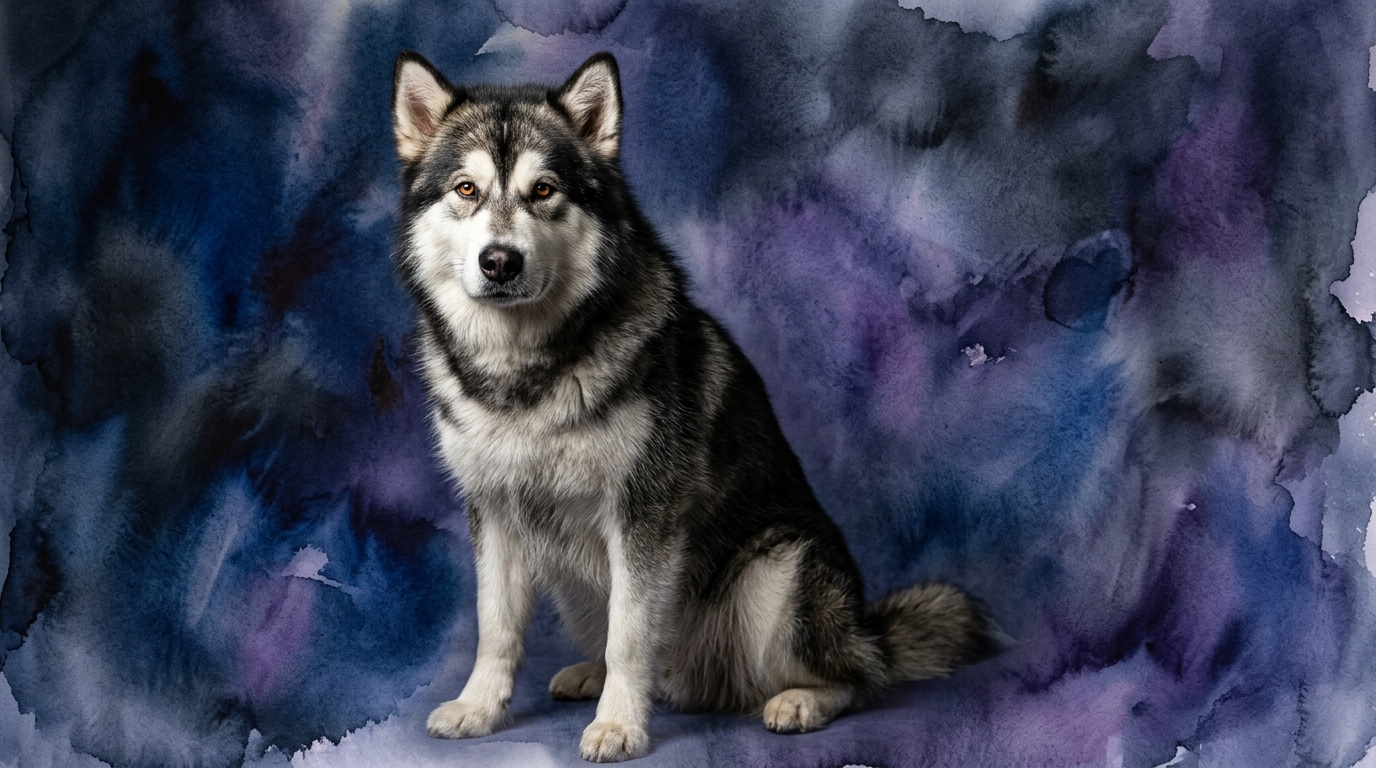
The Cosmic Pet Pet IQ Lab offers a structured framework to understand canine cognition, breaking it down into five crucial dimensions. For the Alaskan Malamute, a powerful Working breed, its profile reflects its origins as a sled dog: Problem Solving 4/5, indicating a strong capacity for independent thought and navigating complex tasks; Training Speed 2/5, suggesting a more deliberate learning pace often influenced by their independent nature; Social Intelligence 3/5, a balanced understanding of social cues; Instinctive Drive 5/5, highlighting their intense natural urges for pulling, hunting, or seeking; and Memory 4/5, demonstrating excellent retention of experiences and learned behaviors.
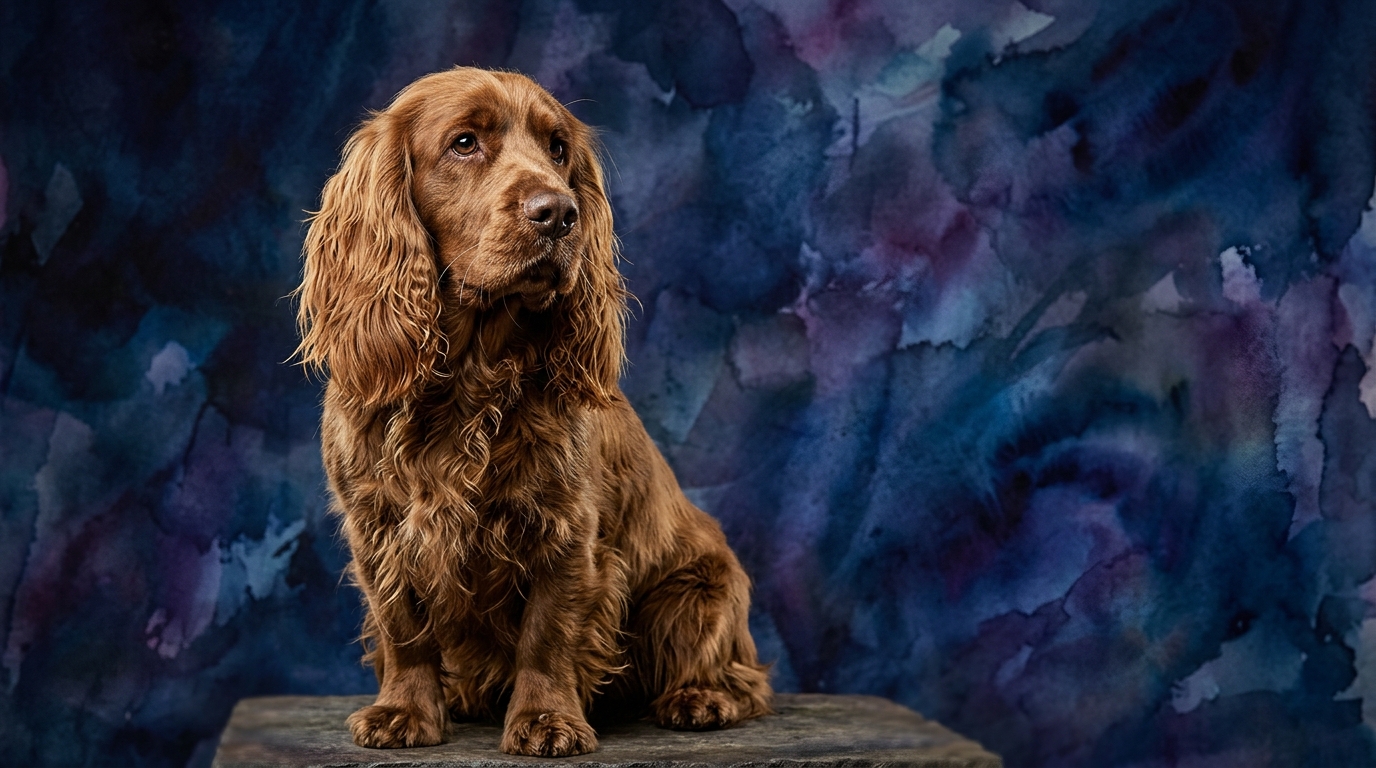
In contrast, the Sussex Spaniel, a dedicated Sporting breed, presents a different cognitive blueprint. Its Problem Solving score of 3/5 suggests a moderate ability to figure things out independently; Training Speed 3/5, indicating a more amenable learning curve compared to the Malamute; Social Intelligence 3/5, a similar aptitude for understanding social dynamics; Instinctive Drive 3/5, reflecting a moderate, focused drive often related to flushing game; and Memory 3/5, a solid but not exceptional recall of past events and commands. These profiles underscore their differing historical roles and the mental aptitudes required for them.
Where the Alaskan Malamute Excels Cognitively
The Alaskan Malamute's cognitive superiority primarily lies in its robust problem-solving capabilities and an exceptionally strong instinctive drive. With a Problem Solving score of 4/5, Malamutes exhibit a remarkable aptitude for figuring out how to achieve goals independently, whether that involves strategizing an escape from an enclosure or devising a method to obtain a coveted toy. This isn't about rote learning but about intrinsic ingenuity and resourcefulness, a trait honed over centuries of navigating challenging Arctic environments and relying on their own judgment.
Furthermore, their Instinctive Drive, rated a perfect 5/5, is a profound cognitive advantage for tasks requiring immense stamina, focus, and adherence to innate behavioral patterns. This manifests as an unyielding desire to pull, an acute sense of direction, and a deep-seated need for purpose-driven activity. This high drive isn't just physical; it's a mental engine that propels them through long, demanding tasks, making them unparalleled in endurance-based challenges and pursuits that tap into their ancestral working instincts. Their superior memory (4/5) also ensures they retain complex routes, commands, and experiences over time, aiding their problem-solving in familiar contexts.
Where the Sussex Spaniel Shines Cognitively
While the Malamute excels in raw, independent problem-solving and drive, the Sussex Spaniel carves its own niche of cognitive strength, particularly in its more balanced approach to learning and its focused, yet less intense, instinctive drive. The Sussex Spaniel's Training Speed of 3/5, a notch above the Malamute's 2/5, suggests a more cooperative and perhaps quicker uptake of new commands and routines when presented with consistent, positive reinforcement. This isn't to say they are always eager-to-please, but their learning process tends to be more straightforward and less prone to the independent decision-making that can sometimes challenge Malamute training.
Their Instinctive Drive, at 3/5, while not as overwhelming as the Malamute's, is precisely tuned for their sporting role. This drive manifests as a focused determination to quarter fields, flush game, and retrieve, without the same level of self-directed persistence that might lead to independent 'problem-solving' like digging or exploring far afield. This controlled drive makes them highly effective partners in specific tasks, where their attention can be directed and maintained with greater ease. Their Social Intelligence (3/5) is also a steady asset, allowing them to integrate well into family dynamics and understand human cues without the pronounced independence that can sometimes characterize more primitive breeds.
Which is Easier to Train and Why
When it comes to ease of training, the Sussex Spaniel generally presents a more straightforward path for the average owner compared to the Alaskan Malamute. This is largely due to their respective Training Speed scores: the Sussex Spaniel rates 3/5, while the Malamute scores 2/5. The Sussex Spaniel's slightly higher training speed often translates into a dog that is more receptive to instruction, more willing to repeat desired behaviors, and less likely to challenge commands with stubborn independence. Their instinctive drive (3/5) is also more manageable, allowing their focus to be channeled effectively during training sessions, especially when it involves scent work or retrieving.
The Alaskan Malamute's lower training speed is often a reflection of their strong problem-solving ability (4/5) and immense instinctive drive (5/5). They are not unintelligent, but rather possess a deep-seated independence and a history of making their own decisions in demanding environments. This can manifest as a dog that questions the necessity of a command, prefers to follow its own agenda, or requires significant motivation to comply. Their strong memory (4/5) means they recall training well, but their initial willingness to engage can be more challenging, requiring patience, consistency, and a deep understanding of their unique motivations to truly succeed in obedience and specialized tasks.
Suited for Active Owners vs. Relaxed Owners
Considering their distinct cognitive and physical profiles, the Alaskan Malamute is unequivocally suited for active owners, while the Sussex Spaniel can adapt to more relaxed yet engaged households. The Malamute's profound Instinctive Drive (5/5), combined with its problem-solving acumen (4/5) and memory (4/5), necessitates an owner who can consistently provide demanding physical exercise and rigorous mental challenges. These dogs thrive on purpose-driven activities like sledding, canicross, hiking, or weight pulling. An owner who cannot meet these needs risks a Malamute that will channel its formidable energy and intelligence into less desirable behaviors, such as destructive chewing, digging, or escaping.
The Sussex Spaniel, with its moderate instinctive drive (3/5) and problem-solving (3/5), is a better fit for owners seeking a companion that enjoys activity but doesn't demand the same extreme output. While they are sporting dogs and appreciate regular walks, moderate hikes, and engaging play sessions, particularly those involving scent work or retrieving, their energy levels are generally less overwhelming than a Malamute's. They are content with a good daily exercise routine and mental stimulation through training and interactive toys, making them suitable for owners who enjoy an active lifestyle but also appreciate quieter moments at home without the constant need to manage an intense working drive.
The Verdict
Choose the Alaskan Malamute if you are an experienced, highly active owner committed to providing consistent, demanding physical and mental challenges for a resourceful, independent companion.
Opt for the Sussex Spaniel if you desire a warm, moderately active companion who is generally more amenable to training and thrives on consistent, engaging interaction without extreme exercise demands.
🧠 Find Your Pet's IQ Score
Our Pet IQ Lab assessment covers 25+ tests across 5 cognitive dimensions — personalized to your breed.
Take the Full IQ Test →Frequently Asked Questions
Do Alaskan Malamutes get bored easily?
Yes, their high problem-solving ability and intense instinctive drive mean Alaskan Malamutes require significant mental stimulation and physical activity to prevent boredom. Without adequate engagement, they may invent their own 'fun,' which often involves destructive behaviors like digging or chewing, or attempting to escape.
Are Sussex Spaniels good for first-time dog owners?
Sussex Spaniels can be a good choice for first-time owners who are committed to consistent training and socialization. Their moderate training speed and social intelligence make them generally more manageable than some other breeds, provided their needs for regular exercise and mental engagement are met.
How do their social intelligence scores impact their interactions?
Both breeds have a Social Intelligence score of 3/5, suggesting a similar capacity for understanding social cues and interacting appropriately. This means both are generally capable of good social integration with humans and other animals, though individual personalities and early socialization play a significant role in how these traits manifest.