Side-by-Side IQ Profile: Alaskan Malamute vs. Swedish Vallhund
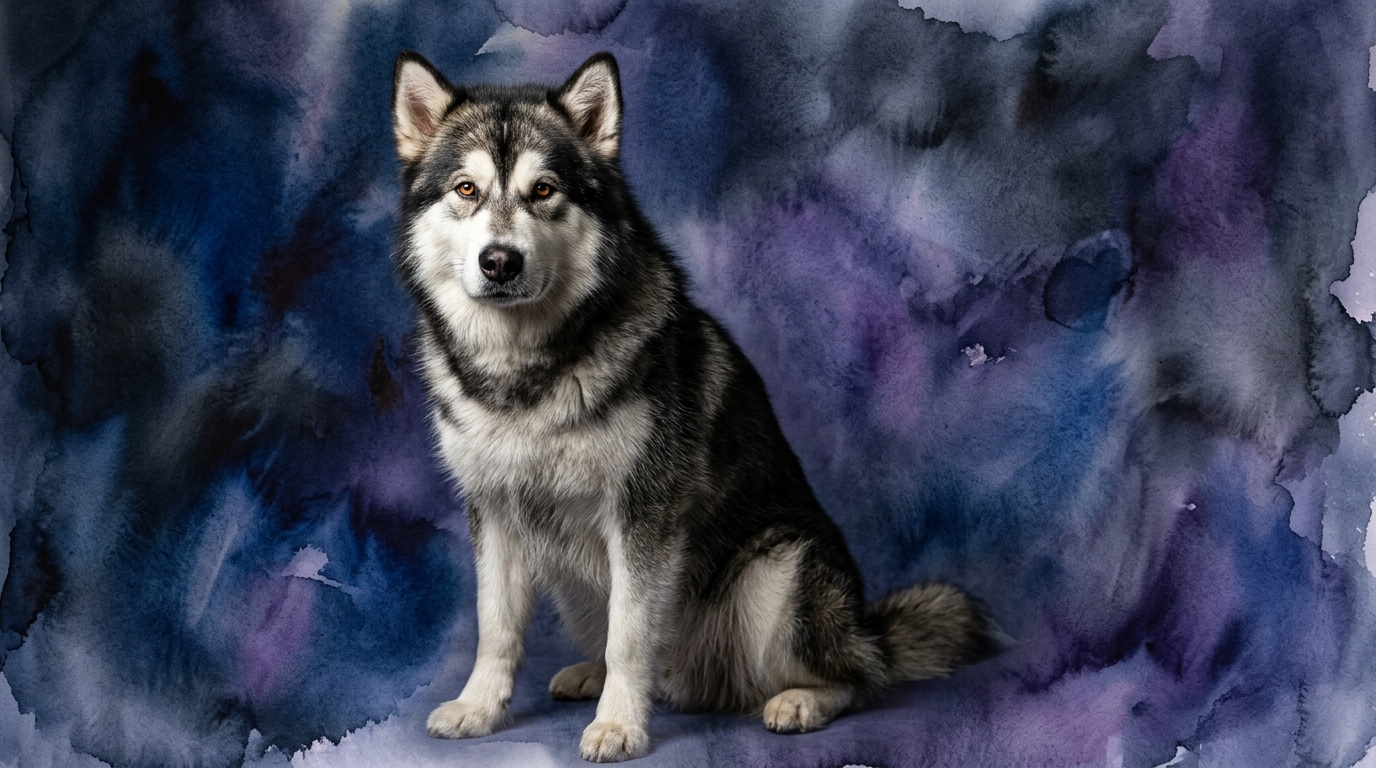
The Alaskan Malamute, a powerful working dog ranked #50 by Coren, demonstrates a cognitive profile honed for survival and demanding tasks in harsh environments. Their Problem Solving is rated 4/5, reflecting a capacity for independent thought and navigating complex challenges. Training Speed is 2/5, indicating a deliberate and often self-directed learning approach. Social Intelligence stands at 3/5, signifying an understanding of pack dynamics but often with a strong personal agenda. Their Instinctive Drive is an exceptional 5/5, fueling their tireless work ethic and exploratory nature. Finally, Memory is 4/5, crucial for retaining vital information about territories and tasks.
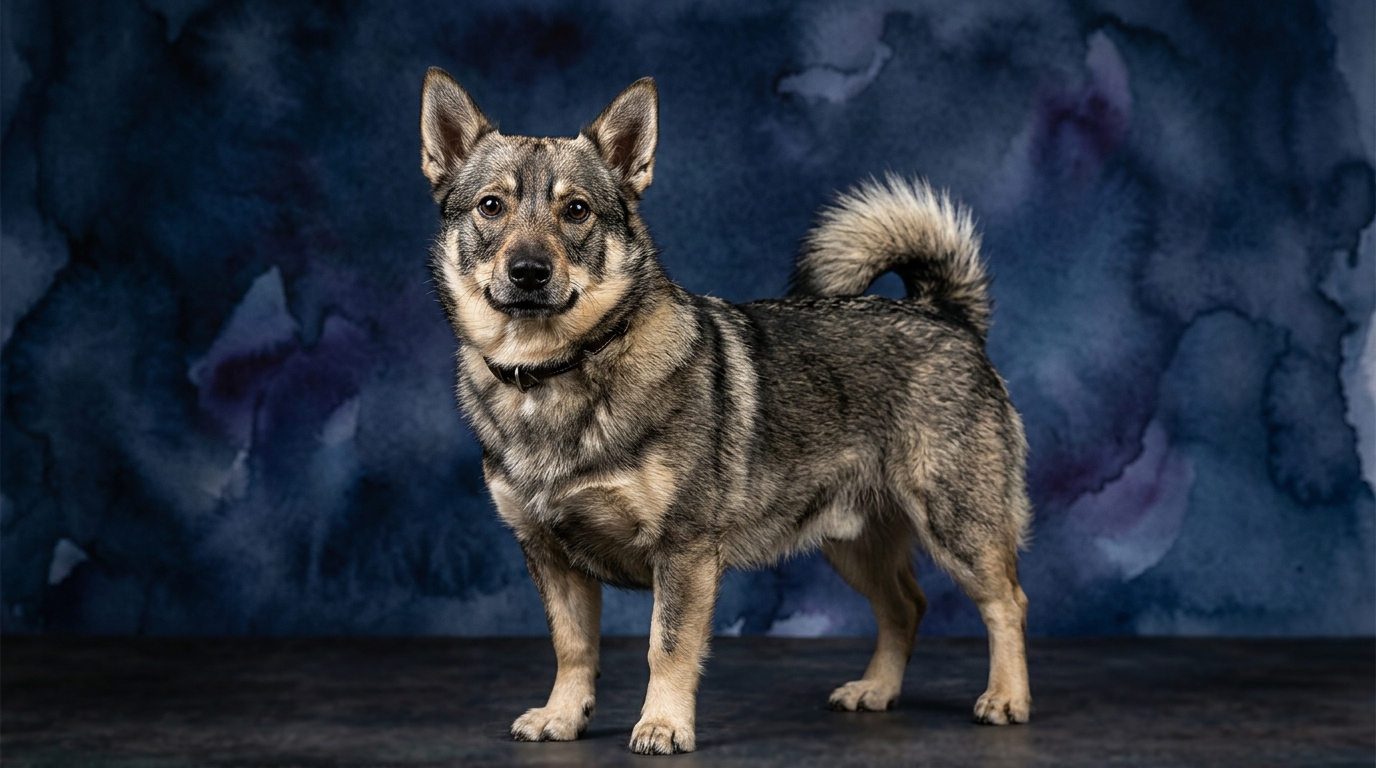
In contrast, the Swedish Vallhund, a spirited herding dog not Coren-ranked, possesses a balanced cognitive toolkit suited for cooperative work and vigilant companionship. Their Problem Solving is 3/5, showing competence in practical, task-oriented situations. Training Speed is 3/5, suggesting a moderate pace of learning, often driven by a desire to engage with their handlers. Social Intelligence also rates 3/5, reflecting their attentiveness to human interaction and family integration. Instinctive Drive is 3/5, embodying a manageable herding impulse. Their Memory is 3/5, providing a solid foundation for routines and learned behaviors.
Alaskan Malamute's Cognitive Strengths
The Alaskan Malamute distinguishes itself with superior Problem Solving (4/5) compared to the Vallhund (3/5). This manifests in their remarkable ability to independently assess and overcome obstacles, whether it's figuring out how to open a gate or navigating a complex trail. Their history as sled dogs required them to make critical decisions in challenging, often unforgiving, terrain without constant human direction.
Their unparalleled Instinctive Drive (5/5 vs. 3/5) is another significant cognitive strength. While it can pose training challenges, this intense drive translates into extraordinary endurance and focus for specific working roles. This deep-seated motivation for pulling, exploring, and engaging in sustained physical activity is a genetic advantage for tasks requiring immense stamina.
Furthermore, Malamutes often exhibit a more robust Memory (4/5 vs. 3/5), particularly for spatial information and survival-critical experiences. This strong recall is vital for remembering routes, past encounters, and learned solutions to environmental challenges, a trait less emphasized in the more localized herding tasks of the Vallhund.
Swedish Vallhund's Cognitive Advantages
The Swedish Vallhund shows a distinct advantage in Training Speed (3/5 vs. 2/5). Their moderate biddability and eagerness to please their human companions mean they typically absorb new commands and routines more readily. This cooperative learning style stems from their herding background, where quick responses to handler cues were paramount for managing livestock efficiently.
While both breeds score 3/5 in Social Intelligence, the Vallhund's expression of this trait often leans towards greater responsiveness and attunement to subtle human cues. They are generally more inclined to seek cooperation and engage in two-way communication, making them more pliable in social settings and easier to direct in structured activities.
Another cognitive advantage for the Vallhund lies in its balanced and moderate Instinctive Drive (3/5). This allows for easier integration into diverse activities and environments, as their drives are present but generally more manageable than the Malamute's intense working impulses. This balance makes them more adaptable for various dog sports and family life, where consistent responsiveness is valued.
Which is Easier to Train and Why
The Swedish Vallhund is generally considered easier to train due to its 3/5 Training Speed and moderate 3/5 Instinctive Drive. Vallhunds typically enjoy working alongside their owners, displaying a cooperative spirit that makes them receptive to commands and eager to learn. Their herding heritage instilled a need for quick, precise responses to handler direction, which translates into a more compliant and engaged learner in a pet context.
In contrast, the Alaskan Malamute's 2/5 Training Speed combined with its powerful 5/5 Instinctive Drive presents a significant training commitment. While they are capable learners, Malamutes possess a strong independent streak and will often question the necessity of a command, preferring to follow their own instincts or problem-solve independently. Training a Malamute requires exceptional patience, unwavering consistency, and highly motivating techniques to channel their formidable drives rather than suppress them, making it a more involved endeavor.
Suitability for Active vs. Relaxed Owners
The Alaskan Malamute is best suited for highly active owners who can meet their immense needs for physical and mental engagement. Their 5/5 Instinctive Drive means they thrive on consistent, vigorous activities such as long hikes, sledding, skijoring, or structured working tasks. An owner who cannot provide this level of outlet will likely face challenges with an under-stimulated Malamute, who may resort to independent, sometimes destructive, behaviors or attempts to escape.
The Swedish Vallhund, while active, offers more flexibility for moderately active owners. With a 3/5 Instinctive Drive, they enjoy regular daily exercise, including brisk walks, playtime, and participation in dog sports like agility or obedience. They adapt well to owners who can provide consistent daily activity and mental challenges without demanding the extreme output necessary for a true working powerhouse like the Malamute. They are a good fit for those seeking an engaged and versatile companion without the intensity of a heavy-duty working breed.
The Verdict: When to Choose Each Breed
The Verdict
Choose an Alaskan Malamute if you seek a resilient, independent partner for demanding outdoor adventures or specific working tasks requiring immense stamina and self-reliance, and you are prepared for a substantial, consistent training commitment.
Opt for a Swedish Vallhund if you desire an active, cooperative companion for a variety of dog sports and family life, valuing responsiveness and a more manageable level of instinctual drive in a loyal, watchful package.
🧠 Find Your Pet's IQ Score
Our Pet IQ Lab assessment covers 25+ tests across 5 cognitive dimensions — personalized to your breed.
Take the Full IQ Test →Frequently Asked Questions
Are Alaskan Malamutes stubborn?
Alaskan Malamutes can exhibit strong independence, often perceived as stubbornness. Their high problem-solving ability and intense instinctive drive mean they often prefer to follow their own agenda rather than blindly obey, especially if they don't see the immediate value in a command or if their instincts suggest an alternative course of action.
How much exercise does a Swedish Vallhund need?
Swedish Vallhunds require regular daily exercise, typically 30-60 minutes of brisk walking or active play. Their herding background means they appreciate mental stimulation and opportunities to run and engage, making dog sports like agility or herding trials ideal outlets to satisfy their moderate energy levels.
Can a Swedish Vallhund live in an apartment?
A Swedish Vallhund can adapt to apartment living if their exercise and mental stimulation needs are consistently met. They are a compact breed, but their energy and herding instincts necessitate daily outdoor activity and engagement to prevent boredom, excessive barking, or destructive behaviors within a confined space.