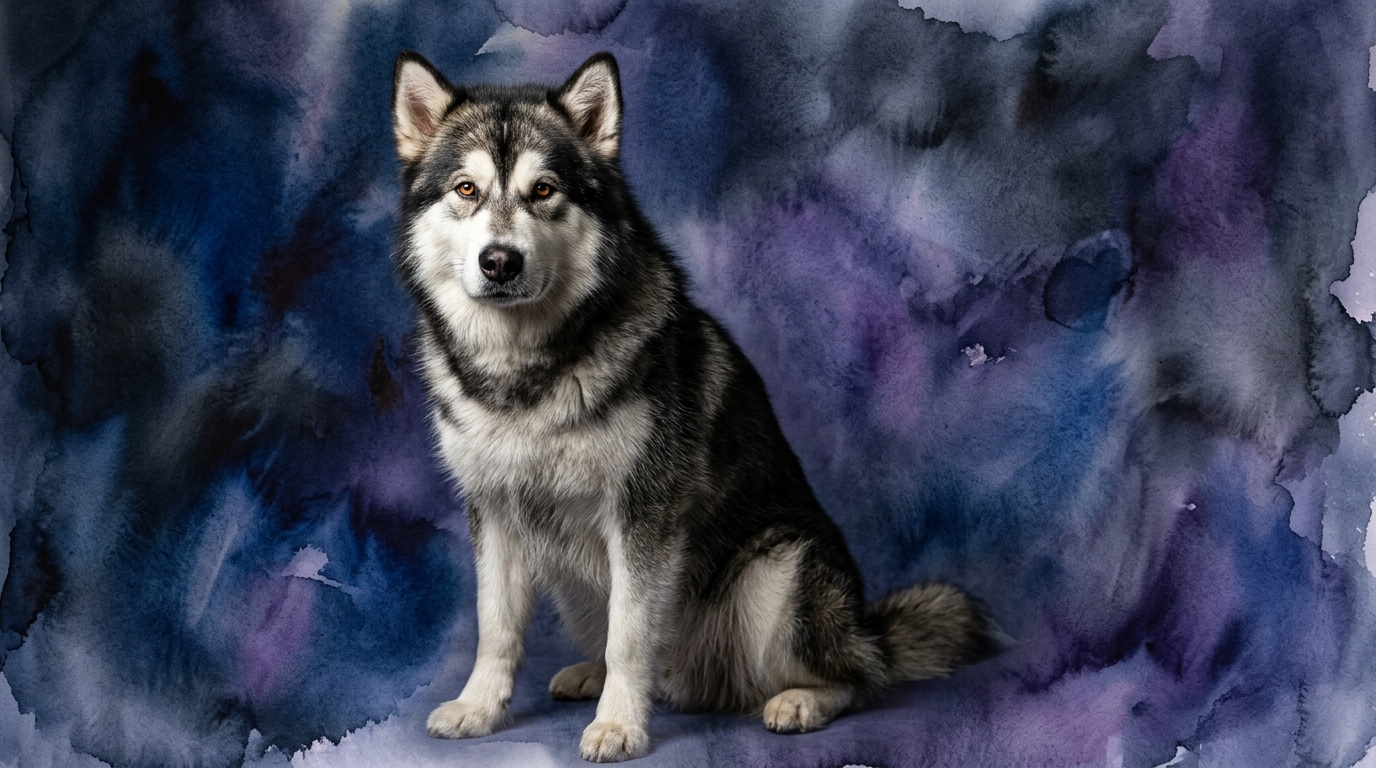
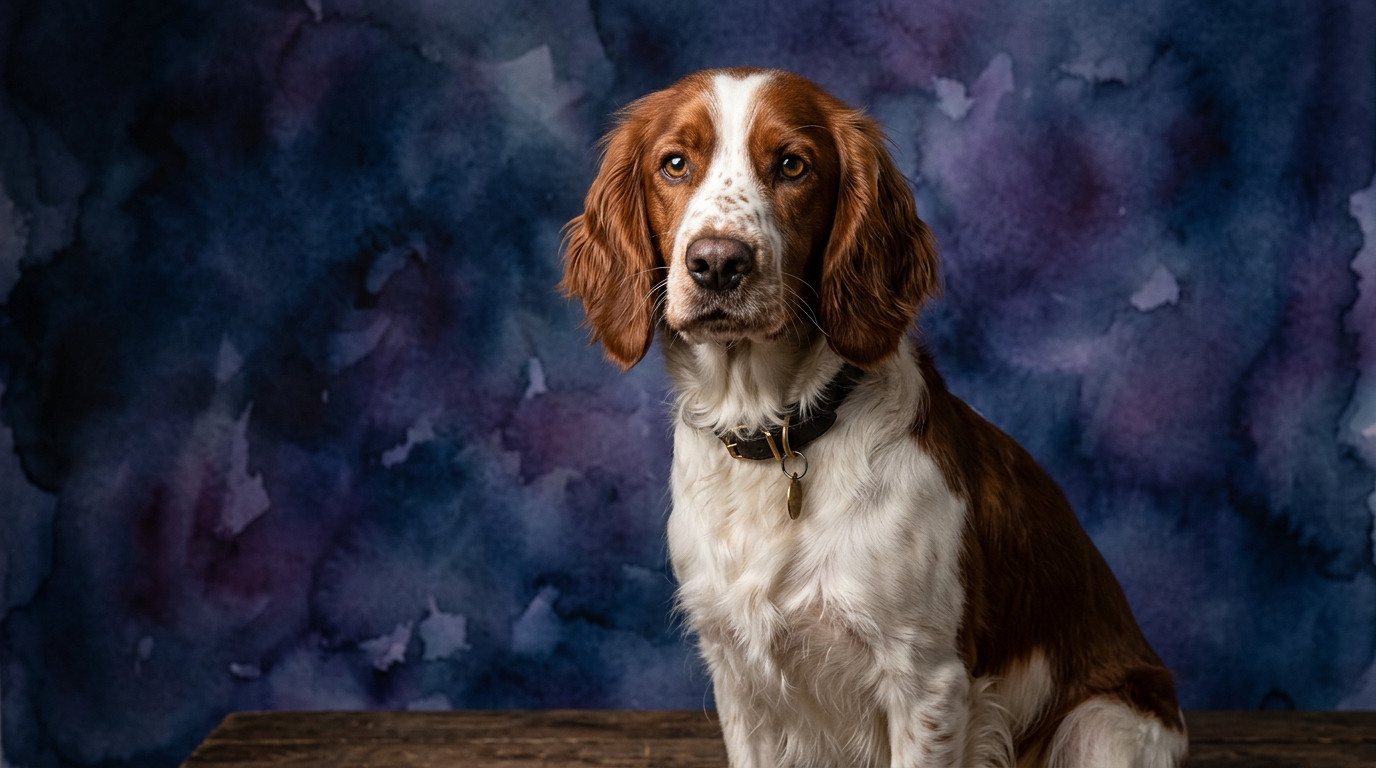
Side-by-Side IQ Profile: Alaskan Malamute vs. Welsh Springer Spaniel
The Cosmic Pet Pet IQ Lab provides a nuanced framework for understanding canine intelligence beyond simple obedience, evaluating five key dimensions. For the Alaskan Malamute, a powerful working dog ranked #50 by Coren, its Problem Solving ability scores 4/5, indicating an aptitude for independent thought and strategic action, especially in complex environmental scenarios. Its Training Speed is 2/5, reflecting a self-willed nature that requires patience and consistent motivation. Social Intelligence stands at 3/5, suggesting a capacity for strong pack bonds within its trusted circle, though it can be reserved with strangers. The Malamute’s Instinctive Drive is a robust 5/5, deeply rooted in its sledding heritage, encompassing a powerful urge to pull, explore, and hunt. Memory for this breed is 4/5, allowing it to recall complex routes, learned commands, and social interactions effectively.
In contrast, the Welsh Springer Spaniel, a spirited sporting dog ranked #31 by Coren, also earns a 4/5 for Problem Solving, demonstrating an ability to figure out tasks, particularly those involving retrieval and scent work. Its Training Speed is notably higher at 4/5, highlighting an eager-to-please disposition and a quicker grasp of new commands. Social Intelligence for the Welsh Springer Spaniel is 3/5, indicating a generally friendly and adaptable nature, often forming strong bonds with its family. Its Instinctive Drive scores 3/5, primarily focused on hunting and flushing game, though less intensely driven by sheer endurance than the Malamute. The Welsh Springer Spaniel’s Memory is 4/5, enabling it to retain a wide array of commands, locations, and social cues, crucial for its role as a cooperative hunting companion.
Where the Alaskan Malamute Wins Cognitively
The Alaskan Malamute’s cognitive strengths shine brightest in scenarios demanding robust independence and physical endurance, reflecting its history as a heavy-duty sled dog. Its 4/5 Problem Solving score, coupled with a 5/5 Instinctive Drive, means it excels at navigating complex, often solitary, tasks. For instance, a Malamute might independently assess the safest path through challenging terrain or strategize how to access a hidden resource, relying on its own judgment rather than constant human direction. This breed's memory (4/5) supports its ability to recall intricate routes and past experiences, allowing it to learn from environmental cues and apply solutions over time. Their formidable drive for sustained effort, whether pulling a sled or embarking on a long hike, is not just physical but mentally guided, requiring an internal compass and an unwavering focus on the task at hand, making them adept at self-directed work.
Where the Welsh Springer Spaniel Wins Cognitively
The Welsh Springer Spaniel’s cognitive advantages are most apparent in its cooperative spirit and responsiveness to human guidance, a hallmark of its sporting dog lineage. Its superior Training Speed of 4/5 indicates a quicker uptake of new commands and a greater eagerness to comply compared to the Malamute. This breed thrives on collaborative problem-solving, where its 4/5 Problem Solving ability is often channeled into tasks directed by a handler, such as intricate retrieves or following scent trails with precision. Their 4/5 Memory allows them to build a vast repertoire of commands and cues, making them highly adaptable to various training disciplines, from obedience to agility. The Welsh Springer Spaniel’s instinctive drive, while not as intensely endurance-focused as the Malamute’s, is finely tuned for partnership in the field, demonstrating a specific cognitive edge in tasks requiring focused attention on a human partner and rapid execution of learned behaviors.
Which is Easier to Train and Why
When considering ease of training, the Welsh Springer Spaniel generally presents a more straightforward path due to its higher Training Speed (4/5) and a more cooperative Instinctive Drive (3/5). These dogs exhibit a strong desire to please their handlers, making them highly receptive to positive reinforcement and less prone to independent decision-making that might diverge from instructions. For example, a Welsh Springer Spaniel is likely to pick up a new 'stay' command with fewer repetitions and maintain focus for longer durations during a training session, reflecting their inherent responsiveness and willingness to engage directly with human instruction.
Conversely, the Alaskan Malamute, with its Training Speed of 2/5 and an Instinctive Drive of 5/5, requires a different approach. Their strong independent streak, a valuable trait for a working sled dog, means they often evaluate whether a command aligns with their own perceived purpose or immediate interest. This isn't a lack of comprehension (their problem-solving and memory are strong) but rather a preference for autonomy. Training a Malamute demands exceptional patience, consistency, and a deep understanding of their motivations, often requiring the handler to make the desired action feel like the dog's own idea or a highly rewarding endeavor. They are less likely to offer immediate, unquestioning compliance and more likely to test boundaries, necessitating a firm yet empathetic hand that respects their self-reliant nature.
Suitability for Active vs. Relaxed Owners
The Alaskan Malamute is an ideal companion for highly active, experienced owners who embrace the outdoors and relish a mentally stimulating challenge. Their profound Instinctive Drive (5/5) for physical exertion and exploration means they require extensive daily exercise, often beyond typical walks. Owners must be prepared for long hikes, sledding, skijoring, or other demanding activities that tap into their endurance and working heritage. Furthermore, their 4/5 Problem Solving and 2/5 Training Speed suggest that owners should appreciate an independent thinker and be prepared to engage in consistent, creative training that respects their self-willed nature rather than expecting instant obedience. They thrive with owners who understand and can channel their powerful drives into productive outlets, preventing boredom and potential behavioral issues.
The Welsh Springer Spaniel, while also an active breed, suits owners seeking a cooperative and energetic companion for regular outdoor adventures that are perhaps less extreme than those required by a Malamute. Their 3/5 Instinctive Drive for hunting and retrieving means they thrive on activities like long walks, runs, fetch, and scent work in varied environments. Their higher Training Speed (4/5) makes them more amenable to structured training and participation in dog sports like agility or obedience, making them a rewarding choice for active families or individuals who enjoy collaborative activities. They are generally more adaptable to a range of active lifestyles, provided their needs for regular physical and mental engagement are consistently met, without the same intensity of independent drive seen in the Malamute.
The Verdict
Choose the Alaskan Malamute if you are an experienced, highly active individual or family seeking a robust, independent companion for demanding outdoor adventures and are prepared for consistent, patient training of a strong-willed dog.
Opt for the Welsh Springer Spaniel if you desire an energetic, cooperative, and trainable companion for regular outdoor activities and enjoy engaging in collaborative dog sports or training with a responsive partner.
🧠 Find Your Pet's IQ Score
Our Pet IQ Lab assessment covers 25+ tests across 5 cognitive dimensions — personalized to your breed.
Take the Full IQ Test →Frequently Asked Questions
Do Alaskan Malamutes and Welsh Springer Spaniels get along with other pets?
Alaskan Malamutes, with their strong instinctive drive, can have a high prey drive, requiring careful introductions and supervision with smaller pets. Welsh Springer Spaniels are generally more adaptable and can coexist peacefully with other pets, especially if socialized from a young age, though their hunting instincts may still emerge with small, fast-moving animals.
What kind of mental stimulation do these breeds need?
Alaskan Malamutes benefit from puzzles, exploring new environments, and tasks that allow for independent problem-solving, channeling their natural curiosity and drive. Welsh Springer Spaniels thrive on training sessions, scent games, and activities that involve retrieving or working closely with their owner, satisfying their cooperative and sporting instincts.
Are these breeds suitable for first-time dog owners?
The Alaskan Malamute's independent nature and strong drives make it less suitable for first-time dog owners, requiring experience to manage effectively. The Welsh Springer Spaniel, while active, is generally more trainable and cooperative, making it a more manageable choice for dedicated first-time owners willing to commit to consistent training and exercise.