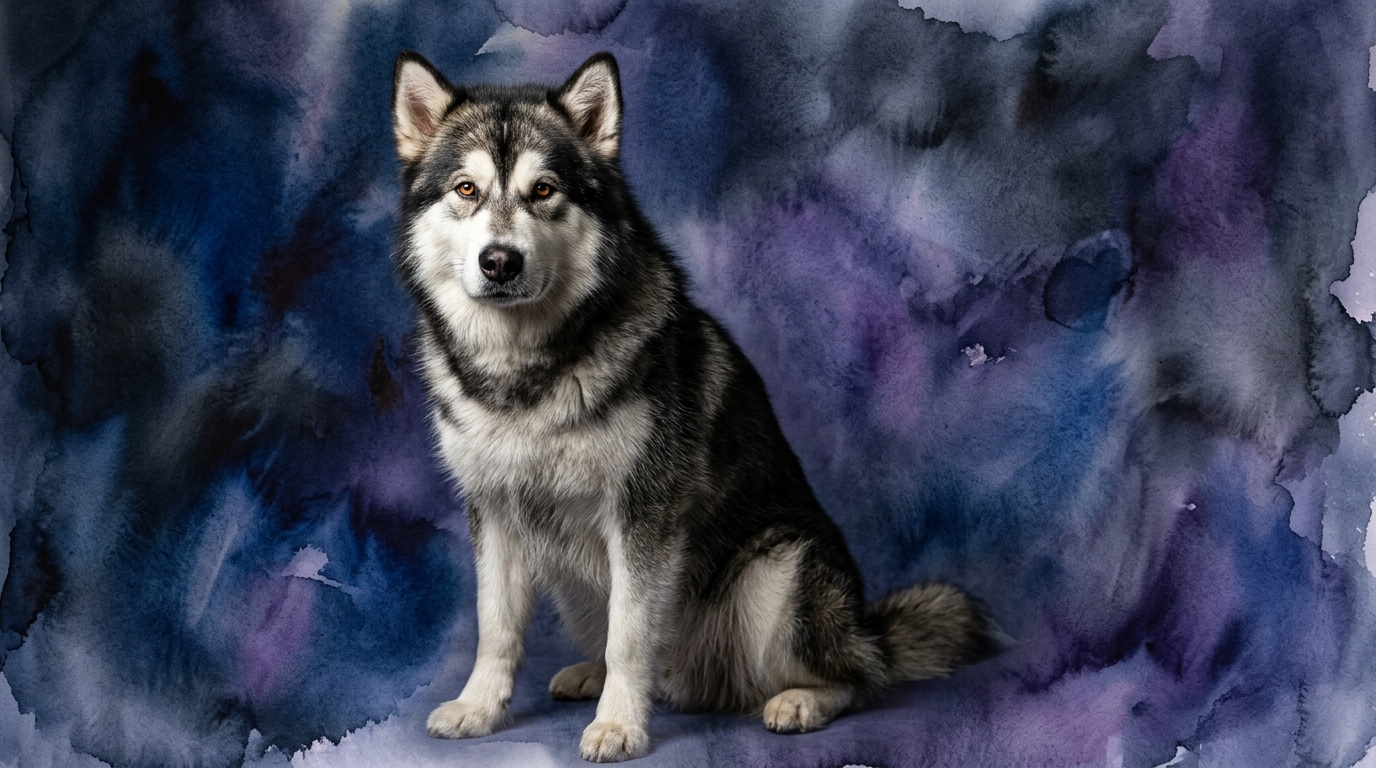
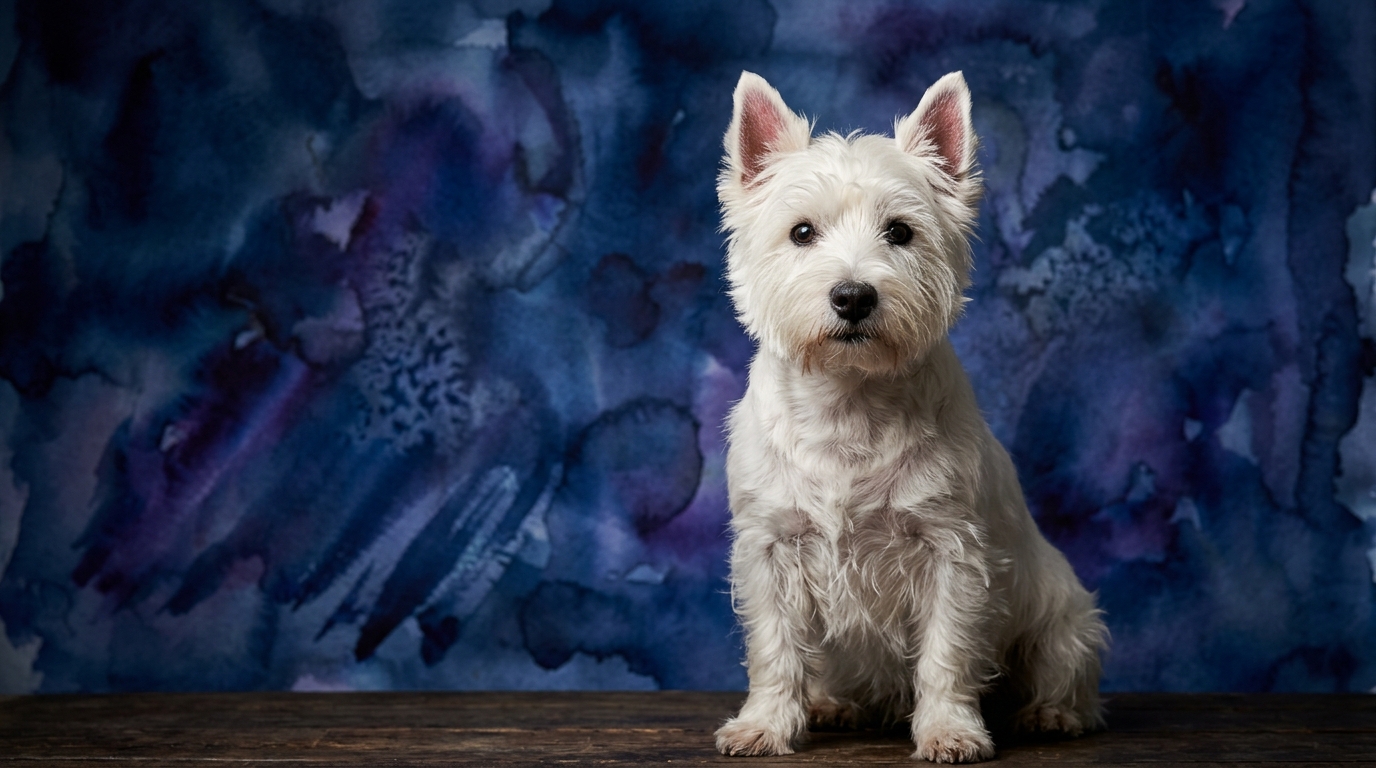
Side-by-Side IQ Profile
At The Cosmic Pet Pet IQ Lab, we dissect canine cognition into five core dimensions, offering a nuanced view of how different breeds process and interact with their environment. Let's explore the distinct mental blueprints of the Alaskan Malamute and the West Highland White Terrier.
The Alaskan Malamute, a Working breed with a Coren ranking of #50, demonstrates a formidable intellect tailored for survival and strenuous tasks. Their Problem Solving ability scores 4/5, reflecting a capacity for independent thought and resourceful decision-making in complex situations, often involving navigation or resource acquisition. Training Speed is rated 2/5; these dogs are not quick to comply with repetitive commands, preferring to weigh the utility of a task against their own inclinations. Social Intelligence stands at 3/5, indicating an awareness of pack dynamics and human cues, though often filtered through a lens of self-interest and independence. Their Instinctive Drive is a powerful 5/5, manifesting as an unwavering urge for endurance, pulling, and a strong prey drive. Finally, their Memory is a robust 4/5, allowing them to recall complex routes, past experiences, and social interactions with remarkable accuracy.
The West Highland White Terrier, a Terrier breed ranking #47 on the Coren scale, presents a different, yet equally compelling, cognitive profile. Their Problem Solving scores 3/5, indicating a keen ability to figure out immediate puzzles, particularly those related to hunting or navigating tight spaces. Training Speed is 3/5; Westies can learn quickly with engaging methods but their independent terrier spirit means they can also be selective about when they choose to apply their knowledge. Social Intelligence is 3/5, enabling them to form strong bonds and read human emotions, though their assertive nature can sometimes lead to misunderstandings with other canines. Instinctive Drive is 3/5, primarily focused on hunting small vermin, digging, and exploring, rather than sustained physical exertion. Their Memory is also 4/5, allowing them to retain commands, routines, and specific experiences, often with a long-lasting recall of perceived injustices.
Where the Alaskan Malamute's Cognition Shines
The Alaskan Malamute's cognitive architecture is a testament to its heritage as a powerful sled dog and companion in harsh environments. Their superior Problem Solving (4/5) truly distinguishes them in scenarios requiring independent decision-making for survival or complex tasks. Imagine a Malamute navigating a blizzard, finding its way back to camp through instinct and memory, or strategizing to access a hidden treat. This isn't about simple obedience; it's about self-reliance and finding innovative solutions to environmental challenges.
Their Instinctive Drive (5/5) is not just about physical power but also the mental fortitude to sustain effort over long periods. This translates into a focused, enduring mindset that allows them to push through discomfort and maintain a goal-oriented approach. Paired with a Memory score of 4/5, Malamutes excel at recalling intricate routes, patterns in their environment, and the consequences of past actions, making them adept at learning from experience and adapting their strategies for future endeavors. For example, a Malamute might remember precisely where a squirrel buried a nut months prior or the exact sequence of events that led to a successful escape from a yard.
Where the Westie's Cognition Excels
The West Highland White Terrier, while physically smaller, possesses a cognitive framework perfectly suited to its original purpose: tenacious vermin hunting. Their Problem Solving (3/5) is particularly potent when it involves object manipulation or spatial reasoning within confined areas. A Westie might meticulously work out how to dislodge a toy from under furniture or meticulously plan an escape route from a secure enclosure, demonstrating a cleverness focused on immediate, tangible goals.
The Westie's moderate Instinctive Drive (3/5) is a concentrated burst of focused energy, often directed towards observation and pursuit. They are highly alert to subtle changes in their environment – a rustle in the bushes, a distant sound – and possess the mental acuity to quickly assess and react. Their 4/5 Memory allows them to quickly learn and retain specific triggers, routines, and the locations of interesting scents or perceived threats. This contributes to their reputation for being observant and sometimes opinionated, as they remember interactions and apply past lessons to current situations, often with a strong sense of self-preservation.
Training Trajectories: Malamute vs. Westie
When it comes to training, the core differences in Training Speed and Instinctive Drive between these two breeds become strikingly apparent. The Alaskan Malamute's 2/5 Training Speed is not a reflection of a lack of mental capacity, but rather a strong inclination towards independence and a need for tasks to have perceived value. They learn best when the training aligns with their natural drives or offers a clear, motivating reward that makes sense to their working dog mindset. Repetitive drills without a clear purpose can quickly lead to boredom and a refusal to cooperate. Training a Malamute requires immense patience, creativity, and a willingness to understand their intrinsic motivations, often needing to convince them that a command is their idea or serves their purpose.
The West Highland White Terrier's 3/5 Training Speed means they can pick up commands with reasonable efficiency, but their terrier tenacity presents a different challenge. While they enjoy engaging with their owners, their strong independent streak and instinctive drive to explore or chase can make focus a fleeting commodity. Training a Westie demands consistent, positive reinforcement, short and engaging sessions, and the ability to make learning feel like a game. They respond well to novelty and mental stimulation, but their stubbornness can surface if they perceive a command as arbitrary or if something more interesting captures their attention. Both breeds benefit from early socialization and consistent, positive reinforcement, but the *approach* must be tailored to their distinct cognitive styles.
Owner Lifestyles: Matching Minds
Choosing between an Alaskan Malamute and a West Highland White Terrier often comes down to aligning their cognitive and physical needs with an owner's lifestyle. The Alaskan Malamute thrives with active owners who can provide a structured environment and outlets for their profound Instinctive Drive and Problem Solving abilities. This means regular, strenuous exercise – think hiking, canicross, or even recreational pulling – coupled with mental challenges that engage their independent thinking. Owners must be prepared for a dog that will make its own decisions and requires an experienced hand to guide rather than simply command. They are not suited for relaxed owners seeking a low-maintenance companion; their powerful physicality and independent intellect demand a significant commitment to training, activity, and socialization to prevent boredom and destructive behaviors.
The West Highland White Terrier, on the other hand, suits owners who are active but perhaps not seeking the extreme endurance of a Malamute, and who appreciate a clever, spirited companion. They need daily walks, engaging playtime, and consistent mental stimulation to satisfy their curiosity and moderate instinctive drives. Owners must be ready for a dog that will alert them to every perceived anomaly, enthusiastically dig in the garden, and possess a tenacious personality. While less physically demanding than a Malamute, a Westie is far from a couch potato; they thrive on interaction, learning new tricks, and having their inquisitive minds challenged regularly. Their independent streak means owners should be prepared for a confident, sometimes stubborn, personality that requires consistent guidance and boundaries.
The Verdict — When to Choose Each
The choice between an Alaskan Malamute and a West Highland White Terrier is a decision about embracing distinct forms of canine intelligence and companionship.
If you are an experienced, highly active individual or family seeking a physically powerful and independently thoughtful partner for outdoor adventures and complex tasks, who values a dog with deep problem-solving abilities and unwavering endurance, the Alaskan Malamute is likely your ideal match. If you prefer a spirited, tenacious companion with a sharp wit, keen observational skills, and a desire for engaging interaction, who thrives on mental puzzles and confident exploration without requiring extreme physical demands, the West Highland White Terrier will be a wonderfully fulfilling choice.
The Verdict
Choose the Alaskan Malamute if you seek a powerful, independent problem-solver for demanding outdoor activities and value a dog that thinks for itself in complex situations.
Opt for the West Highland White Terrier if you desire a clever, tenacious companion for engaging mental games and enjoy a dog with a spirited personality and keen observational skills.
🧠 Find Your Pet's IQ Score
Our Pet IQ Lab assessment covers 25+ tests across 5 cognitive dimensions — personalized to your breed.
Take the Full IQ Test →Frequently Asked Questions
Do Alaskan Malamutes and Westies learn new commands at the same pace?
No, their training speeds differ. Alaskan Malamutes (2/5) learn new commands more slowly due to their independent nature and need for tasks to have clear purpose, often requiring creative motivation. West Highland White Terriers (3/5) can learn commands at a moderate pace, but their terrier stubbornness and distractibility mean training sessions need to be engaging and consistent.
Which breed is better at figuring out new puzzles or problems?
The Alaskan Malamute generally exhibits superior problem-solving skills (4/5), particularly for complex, multi-step challenges or those requiring independent thought in varied environments. The West Highland White Terrier (3/5) is also adept at problem-solving, especially for immediate, tangible puzzles like those related to hunting or navigating confined spaces.
How do their instinctive drives impact their daily behavior?
The Alaskan Malamute's strong instinctive drive (5/5) manifests as a deep need for physical exertion, endurance, and often a powerful prey drive, influencing their desire to pull, run, and explore extensively. The West Highland White Terrier's moderate instinctive drive (3/5) is focused more on hunting small vermin, digging, and alert observation, leading to behaviors like enthusiastic digging, chasing small animals, and being a vigilant watchdog.