Side-by-Side Cognitive Profiles
To understand the distinct mental makeup of these two breeds, The Cosmic Pet Pet IQ Lab employs a five-dimensional cognitive assessment. Let's explore how the Alaskan Malamute and the Xoloitzcuintli measure up in each area, revealing their unique intellectual strengths and inclinations.
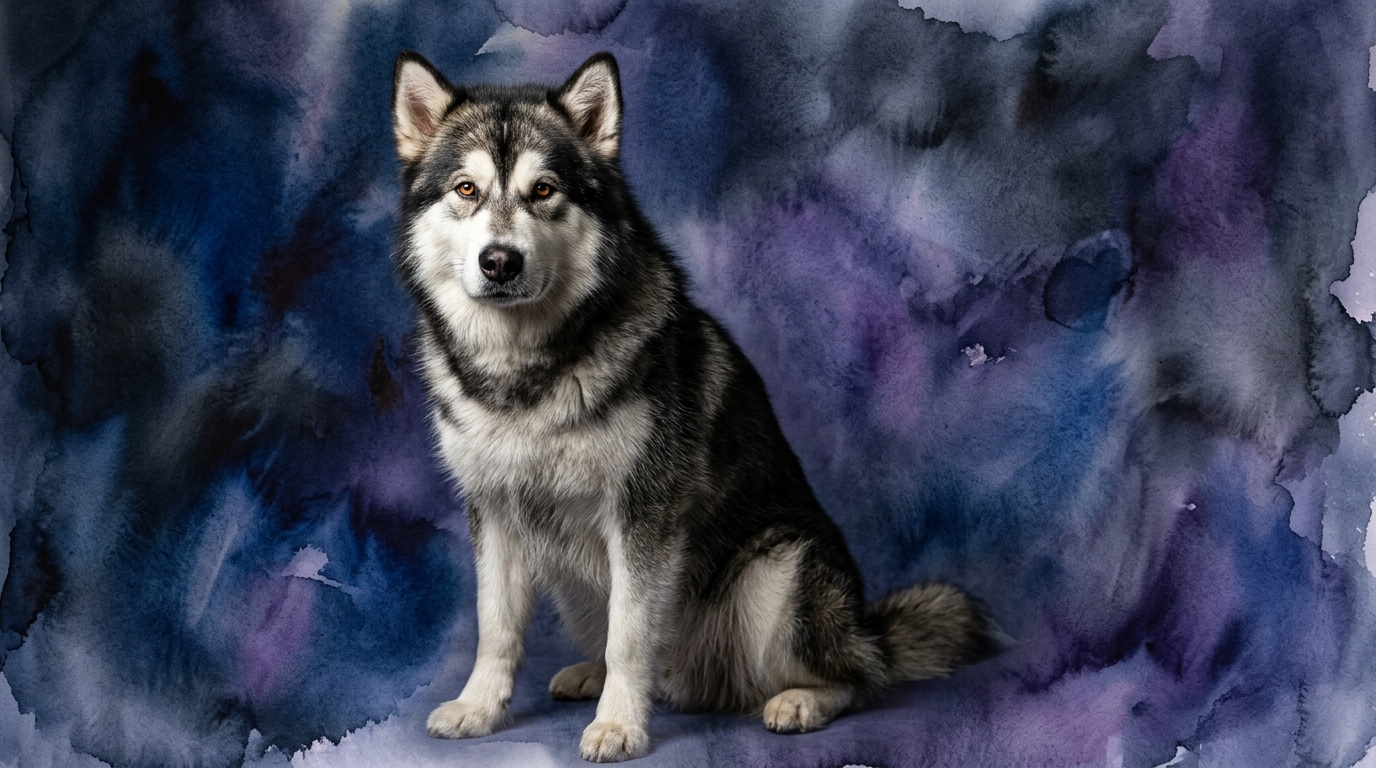
The Alaskan Malamute, a powerful Working breed, exhibits a cognitive profile sculpted by its history as a heavy-duty sled dog. Its problem-solving ability is rated 4/5, indicating a strong capacity for independent thought and strategic planning, often devising its own solutions to challenges, especially when it involves accessing resources or navigating complex environments. Training speed stands at 2/5; while capable of learning, Malamutes are not typically quick to obey commands, often weighing the perceived value of compliance against their own desires, leading to a slower acquisition of rote obedience. Social intelligence is 3/5, showing a moderate understanding of social cues, both canine and human, allowing them to be affectionate with family but maintaining a degree of self-reliance. Instinctive drive is exceptionally high at 5/5, possessing a powerful suite of innate behaviors, particularly for pulling, scent tracking, and pack dynamics, which are deeply ingrained and highly motivating. Their memory scores 4/5, demonstrating a robust recall of past experiences, learned routes, and interactions with impressive accuracy.
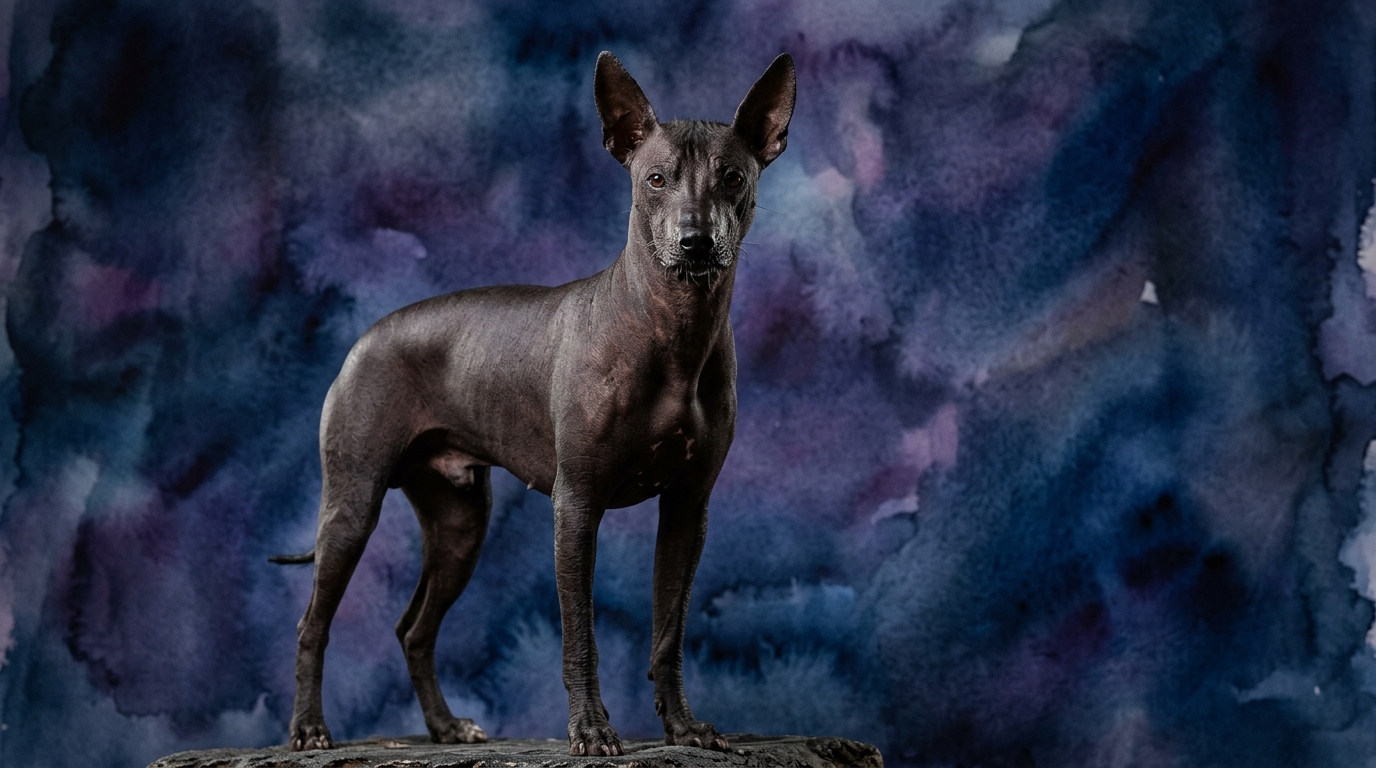
The Xoloitzcuintli, a Non-Sporting breed with ancient roots, presents a more balanced cognitive landscape. Its problem-solving ability is rated 3/5, displaying a moderate capacity for figuring out puzzles or navigating new situations with a thoughtful, if not always immediate, approach, tending to observe and consider before acting. Training speed is 3/5; these dogs generally learn at a steady pace, responding well to consistent, positive reinforcement, as their desire to please their primary human, combined with their attentive nature, makes them moderately receptive to new commands. Social intelligence is 3/5, known for their profound bond with their immediate family, exhibiting a keen awareness of human emotions and household dynamics, though often reserved with strangers. Instinctive drive is 3/5, meaning they possess a moderate level of natural impulses; while they retain some hunting instincts and can be alert guardians, these drives are generally not as overwhelming or singularly focused as those found in working breeds. Their memory also rates 3/5, demonstrating a solid recall of routines, past interactions, and learned behaviors, allowing them to maintain a consistent understanding of their environment and expectations.
Where the Alaskan Malamute Excels Cognitively
The Alaskan Malamute's cognitive strengths truly shine in scenarios demanding independent thought and the application of deeply ingrained natural abilities. Their superior problem-solving capacity means they are adept at devising solutions to complex environmental challenges, such as finding a way around an obstacle during a hike or figuring out how to open a gate to access a desired area. This isn't about human-directed puzzles, but rather self-motivated strategic thinking. Furthermore, their unparalleled instinctive drive, specifically for pulling and endurance, translates into an innate understanding and mastery of tasks related to their heritage. This drive isn't just physical; it's a cognitive imperative, making them excel in activities that tap into this powerful internal motivation. Their robust memory further supports these traits, allowing them to recall intricate routes, past successful strategies, and the layout of their surroundings with impressive detail, proving invaluable in navigating vast or changing landscapes.
Where the Xoloitzcuintli Excels Cognitively
The Xoloitzcuintli's cognitive profile, characterized by its balanced scores, presents distinct advantages for living closely within a human family. While not exhibiting the extreme drives of a working breed, their moderate instinctive drive means they are generally less compelled to follow ancient urges, making them more adaptable to a domestic setting without constant management of powerful impulses. Their training speed, a steady 3/5, indicates a willingness to engage and learn at a consistent pace, without the strong-willed resistance sometimes seen in more independent thinkers. This makes them more amenable to household rules and companion-oriented training. Moreover, their focused social intelligence, while reserved with strangers, allows for an exceptionally deep and nuanced understanding of their immediate human family's emotions and routines, fostering a profound, intuitive bond that many owners find incredibly rewarding. Their cognitive makeup is perfectly suited for being a sensitive, attuned companion.
Trainability: A Tale of Two Approaches
When it comes to ease of training, the Xoloitzcuintli generally presents a more straightforward path for the average owner. With a training speed rating of 3/5, Xolos are attentive and responsive to positive reinforcement, exhibiting a consistent desire to understand and comply with their human's expectations. Their moderate instinctive drive means fewer inherent distractions vying for their attention during training sessions, making them more focused learners. In contrast, the Alaskan Malamute, rated 2/5 for training speed, often approaches commands with a deliberate, independent mindset. They are not unintelligent; rather, they are often assessing the utility of a command from their own perspective, and their strong instinctive drives, particularly for self-directed exploration or pulling, can frequently override a trainer's requests. This means training a Malamute requires immense patience, creativity, and a deep understanding of their motivations, often feeling more like a negotiation than a simple instruction. Success with a Malamute hinges on consistent, engaging methods that tap into their problem-solving nature and strong drives, rather than simple rote obedience.
Matching Canine Intellect to Lifestyle
For active owners seeking a canine partner for demanding outdoor pursuits, the Alaskan Malamute is an ideal match. Their profound instinctive drive (5/5) for physical activity, endurance, and navigation, coupled with their superior problem-solving skills, means they thrive on challenging adventures like long hikes, sledding, or skijoring. These dogs require consistent mental and physical engagement that taps into their working heritage, and an owner who can facilitate this will find a truly dedicated companion. Their cognitive profile demands a lifestyle that offers outlets for their robust physical and mental energy. Conversely, the Xoloitzcuintli's more balanced cognitive profile makes them better suited for relaxed owners who appreciate a quieter, more introspective companion. While they enjoy regular walks and mental stimulation, their moderate instinctive drives and focused social intelligence mean they are content with being a central, observant part of the household, often preferring the comfort of their family circle to constant high-octane activities. They are excellent for owners who value a calm presence and deep, quiet companionship, and whose cognitive needs are met through consistent routines and close family interaction.
The Verdict
Choose the Alaskan Malamute if you are an experienced, active owner eager to channel a powerful, independent intellect and formidable instinctive drives into adventurous, purposeful activities.
Opt for the Xoloitzcuintli if you seek a sensitive, devoted companion with a balanced cognitive profile, adaptable to a calmer home life and forming deep, intuitive bonds with its immediate family.
🧠 Find Your Pet's IQ Score
Our Pet IQ Lab assessment covers 25+ tests across 5 cognitive dimensions — personalized to your breed.
Take the Full IQ Test →Frequently Asked Questions
Does the Alaskan Malamute's low training speed mean it cannot be trained?
No, a 2/5 training speed indicates a need for different training approaches, not an inability to learn. Malamutes are capable of learning, but their independent nature and strong drives mean training requires exceptional patience, high-value motivation, and a consistent, understanding approach tailored to their self-directed cognitive style.
Is the Xoloitzcuintli a good choice for first-time dog owners?
The Xoloitzcuintli can be a suitable choice for dedicated first-time owners who are prepared for their unique social intelligence and potential aloofness with strangers. Their moderate training speed and adaptable nature make them generally easier to manage than breeds with extreme drives, provided consistent socialization and positive reinforcement are applied.
How does a dog's instinctive drive impact its daily behavior?
Instinctive drive profoundly shapes daily behavior by dictating a dog's most compelling internal motivations, such as pulling, hunting, or guarding. A high drive means these behaviors are potent and require significant outlets, while a moderate drive suggests these impulses are present but less overwhelming, leading to more adaptable and less demanding behavioral expressions in a domestic setting.