Side-by-Side IQ Profile: Unpacking Identical Scores
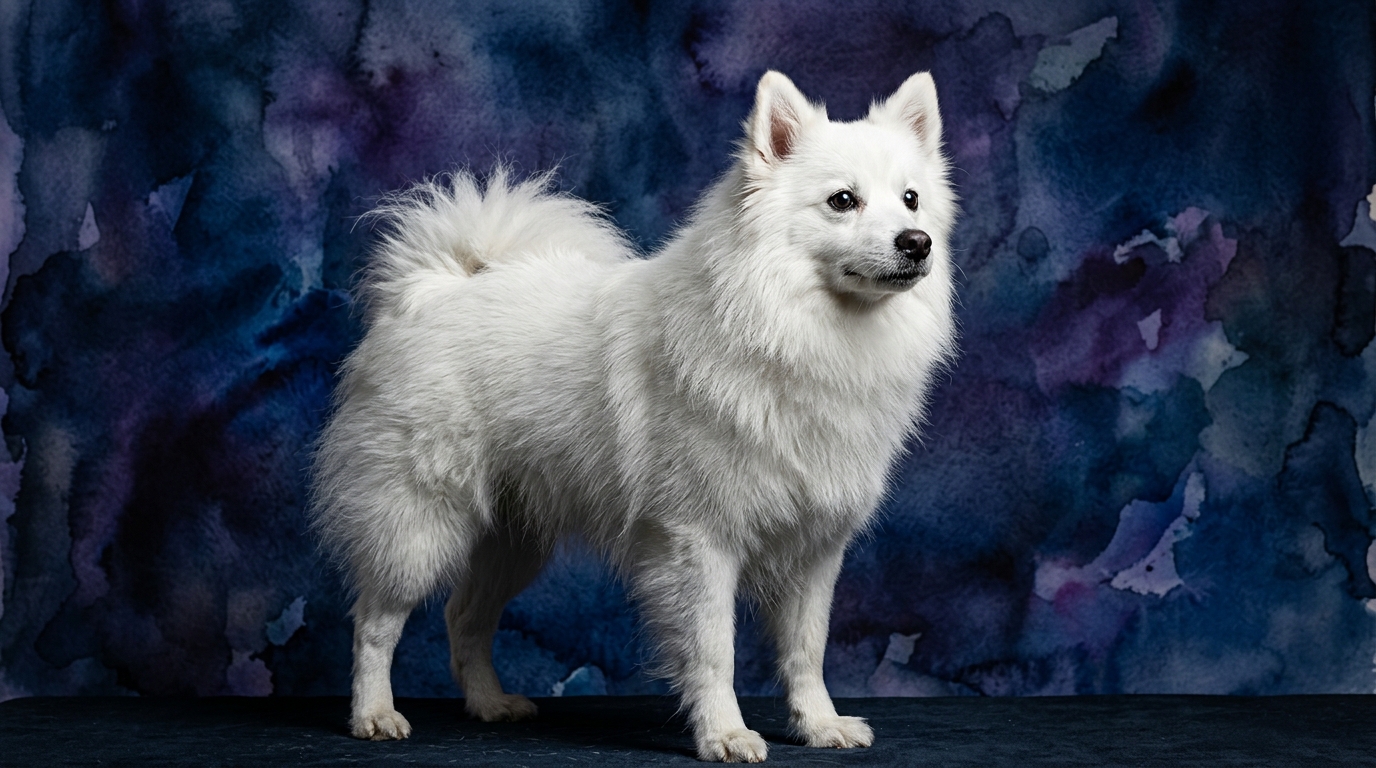
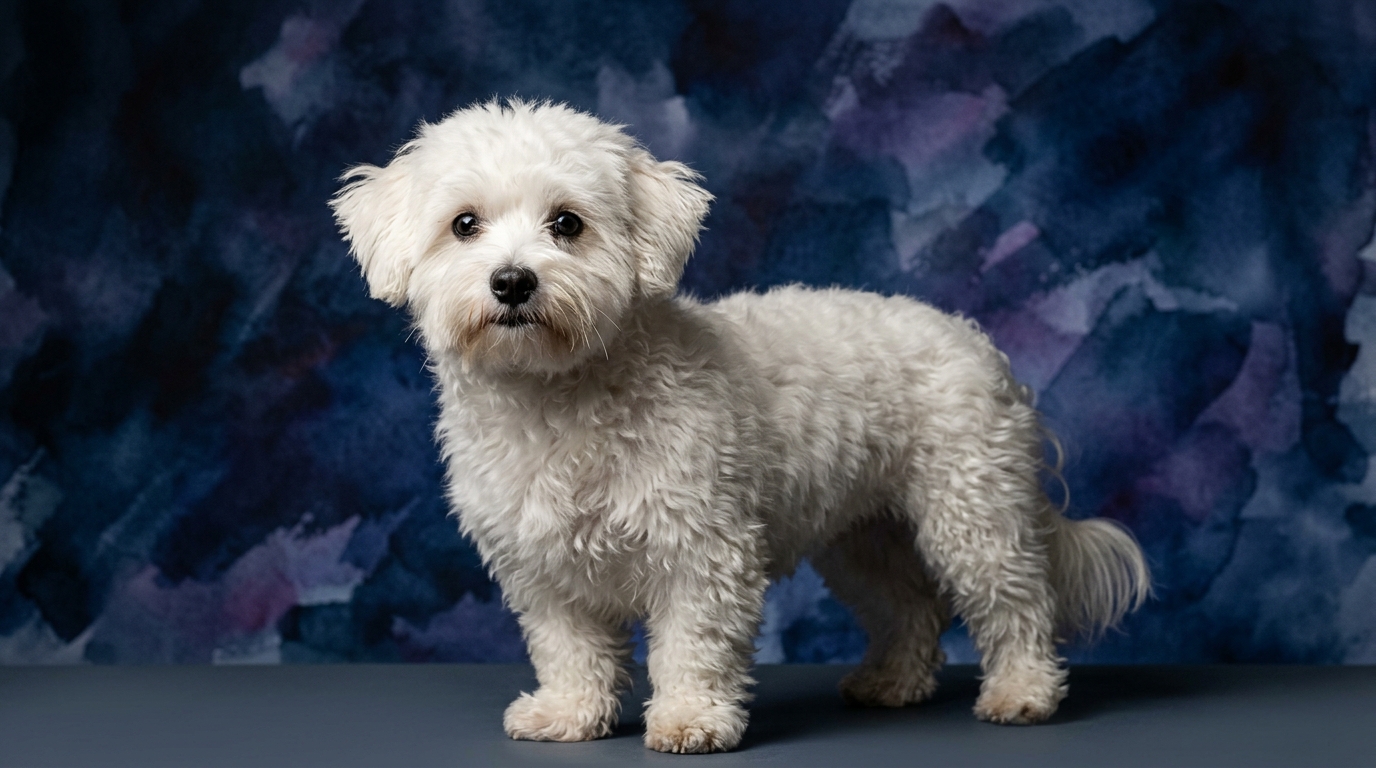
The Cosmic Pet Pet IQ Lab assesses canine intelligence across five critical dimensions, providing a nuanced understanding beyond simple obedience. Interestingly, both the American Eskimo Dog and the Coton de Tuléar register a consistent 3 out of 5 across all categories, indicating a moderate, capable level of cognitive function. Let's explore what these identical scores imply for each breed.
For Problem Solving (3/5), both breeds demonstrate an average capacity to navigate novel situations or overcome obstacles to achieve a goal. An American Eskimo Dog might figure out how to open a cabinet to access a treat, while a Coton de Tuléar might devise a clever way to retrieve a toy stuck under furniture. Their approaches might differ, but their ability to conceptualize and execute a solution is comparable.
Training Speed (3/5) suggests that both breeds learn new commands and routines at a moderate pace. They are neither instant savants nor particularly slow learners, meaning consistency, clear communication, and positive reinforcement will yield steady progress. Neither breed will frustrate an owner with an inability to grasp concepts, nor will they master complex sequences overnight without dedicated practice.
Social Intelligence (3/5) highlights their moderate ability to interpret human cues, understand social hierarchies, and adapt their behavior within a family unit. An Eskie might keenly observe your mood to decide if it's a good time to demand attention, while a Coton might read subtle body language to offer comfort. Both are attuned to their environment and the emotions of their people to a reasonable degree.
Instinctive Drive (3/5) reflects a moderate level of inherent behaviors rooted in their breed's history, such as herding, guarding, or retrieving. For an American Eskimo Dog, this might manifest as a moderate tendency to alert bark or a desire for active engagement. For a Coton de Tuléar, it could be a moderate desire for companionship or a playful chase instinct. These drives are present but generally manageable.
Finally, Memory (3/5) indicates that both breeds possess an average ability to retain learned commands, remember past experiences, and recall specific locations or people. They will remember their training, routines, and who their favorite people are, though they might not possess the exceptional recall of breeds with higher scores in this dimension. This moderate memory capacity supports their moderate training speed and problem-solving abilities.
Where the American Eskimo Dog Excels Cognitively
Despite sharing identical scores, the American Eskimo Dog often channels its cognitive capabilities in ways that reflect its historical role as a versatile farm dog and performer. Its 3/5 in Problem Solving, for instance, frequently manifests as an independent ingenuity. Eskies can be quite adept at figuring out how to manipulate their environment, whether it's opening doors, escaping enclosures, or finding hidden resources. This isn't necessarily a sign of higher intelligence, but rather a robust application of their problem-solving capacity towards self-motivated goals, sometimes requiring a cleverness that can surprise owners.
The Eskie's Social Intelligence (3/5) often expresses itself through a keen awareness of their surroundings and a pronounced ability to communicate their needs or perceived threats. They are often assertive communicators, using barks, nudges, and vocalizations to make their intentions clear. This can be particularly beneficial for owners seeking a companion who is vocal about changes in their environment or eager to participate in interactive play. Their Memory (3/5) supports their ability to retain complex sequences, making them suitable for advanced trick training where sequences of actions are paramount, building upon their foundational problem-solving and training speed.
Where the Coton de Tuléar Shines Cognitively
The Coton de Tuléar, while sharing the same 3/5 cognitive profile, often applies its abilities with a focus on companionship and social interaction. Their Problem Solving (3/5) frequently manifests in ways that enhance their bond with humans, such as figuring out how to initiate play, retrieving specific comfort items, or navigating household dynamics to secure a prime lap spot. This problem-solving is often driven by a desire for connection and comfort, making them adept at 'solving' social puzzles within the home.
A Coton's Social Intelligence (3/5) is often geared towards emotional attunement and subtle responsiveness. They can be quite perceptive of their owner's moods, often adjusting their demeanor to offer quiet companionship or playful distraction as needed. This isn't about guarding or alerting as much as it is about fostering a harmonious relationship. Their Training Speed (3/5) benefits from their generally eager-to-please nature, making them responsive to positive reinforcement methods that strengthen the human-animal bond. They often thrive on the interaction itself, viewing training as a shared activity rather than merely a task to complete. Their Memory (3/5) supports their ability to recall a wide array of social cues and household routines, making them predictable and comforting companions.
Training Dynamics: American Eskimo Dog vs. Coton de Tuléar
Given their identical 3/5 Training Speed scores, both breeds require consistent, positive reinforcement methods. However, their underlying motivations and typical temperaments create distinct training experiences. The American Eskimo Dog, with its history of independence and performance, can sometimes exhibit a 'what's in it for me?' attitude. Their Problem Solving (3/5) can translate into a tendency to test boundaries or seek loopholes if rules aren't consistently enforced. Training an Eskie often requires a firm, patient hand, ensuring they understand that compliance leads to desirable rewards, whether it's a valued treat, a favorite toy, or engaging playtime. Their moderate Instinctive Drive (3/5) can also mean they are easily distracted by environmental stimuli, necessitating a structured training environment.
The Coton de Tuléar, on the other hand, often approaches training with a greater eagerness to please its primary human. Their moderate Social Intelligence (3/5) means they are generally responsive to praise and affection, making positive reinforcement highly effective when paired with physical rewards. While they also possess a 3/5 Training Speed, their desire for companionship often translates into a cooperative spirit. They may be less prone to testing limits aggressively, responding well to gentle corrections and a focus on building a strong, trusting relationship. Training a Coton often feels like a collaborative effort, with their moderate Memory (3/5) helping them retain what they've learned in the context of their bond with you.
Lifestyle Match: Active Engagement vs. Relaxed Companionship
Understanding how their moderate cognitive abilities manifest differently is key to matching these breeds with the right owner. The American Eskimo Dog, while not requiring extreme athleticism, thrives with owners who can provide consistent mental and physical engagement. Their 3/5 Instinctive Drive suggests a need for purposeful activity beyond simple walks, such as interactive games, puzzle toys, or even dog sports like agility or obedience. Their Problem Solving (3/5) means they will find ways to entertain themselves if not adequately stimulated, which might not always align with an owner's preferences. Owners who enjoy teaching tricks, exploring new places, and engaging in structured play will find the Eskie a rewarding companion.
The Coton de Tuléar, conversely, often flourishes with owners who prioritize close companionship and gentle, consistent interaction. While they enjoy play and walks, their moderate Instinctive Drive and Social Intelligence (3/5) mean their primary need is often to be near their people, participating in daily life. They are less likely to become destructive out of boredom if they have consistent human interaction, making them suitable for more relaxed households where their exercise needs can be met with moderate walks and indoor play. Owners who seek a devoted, sensitive companion who enjoys lap time and gentle games will find the Coton a perfect fit, appreciating their ability to adapt to a calmer home environment while still enjoying mental enrichment through interactive toys and short training sessions.
The Verdict
Choose an American Eskimo Dog if you appreciate an independent, vocal companion eager for structured activities and enjoy engaging their cleverness with consistent training and mental challenges.
Opt for a Coton de Tuléar if you desire a devoted, emotionally attuned companion who thrives on close human interaction and gentle training, fitting seamlessly into a relaxed yet interactive home environment.
🧠 Find Your Pet's IQ Score
Our Pet IQ Lab assessment covers 25+ tests across 5 cognitive dimensions — personalized to your breed.
Take the Full IQ Test →Frequently Asked Questions
Do American Eskimo Dogs make good family pets?
Yes, American Eskimo Dogs can be excellent family pets, especially for active families willing to engage their moderate cognitive abilities and energy. Their moderate social intelligence means they bond well with their family but can be reserved with strangers, requiring early socialization to ensure they are comfortable in various settings.
Are Coton de Tuléars prone to separation anxiety?
Coton de Tuléars, with their moderate social intelligence and strong desire for companionship, can be prone to separation anxiety if not properly conditioned to alone time. Their tendency to form deep bonds means they thrive on human presence, so gradual training and mental enrichment during absences are crucial for their well-being.
Which breed is better for apartment living?
While both breeds can adapt to apartment living with sufficient exercise, the Coton de Tuléar is generally better suited due to its slightly lower, or at least differently expressed, exercise needs and strong desire for indoor companionship. The American Eskimo Dog's moderate instinctive drive and vocal nature might require more dedicated management in a close-quarters environment to prevent excessive barking or boredom-induced behaviors.