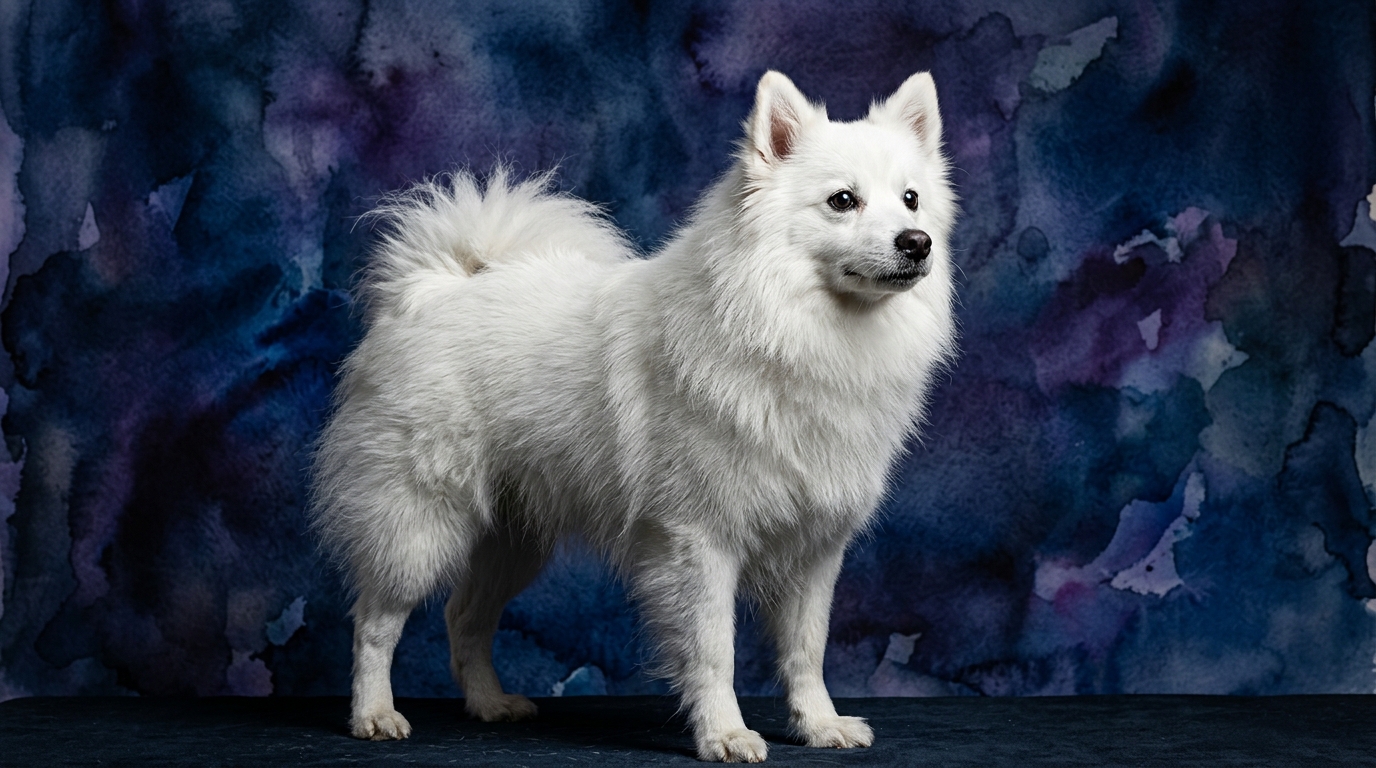
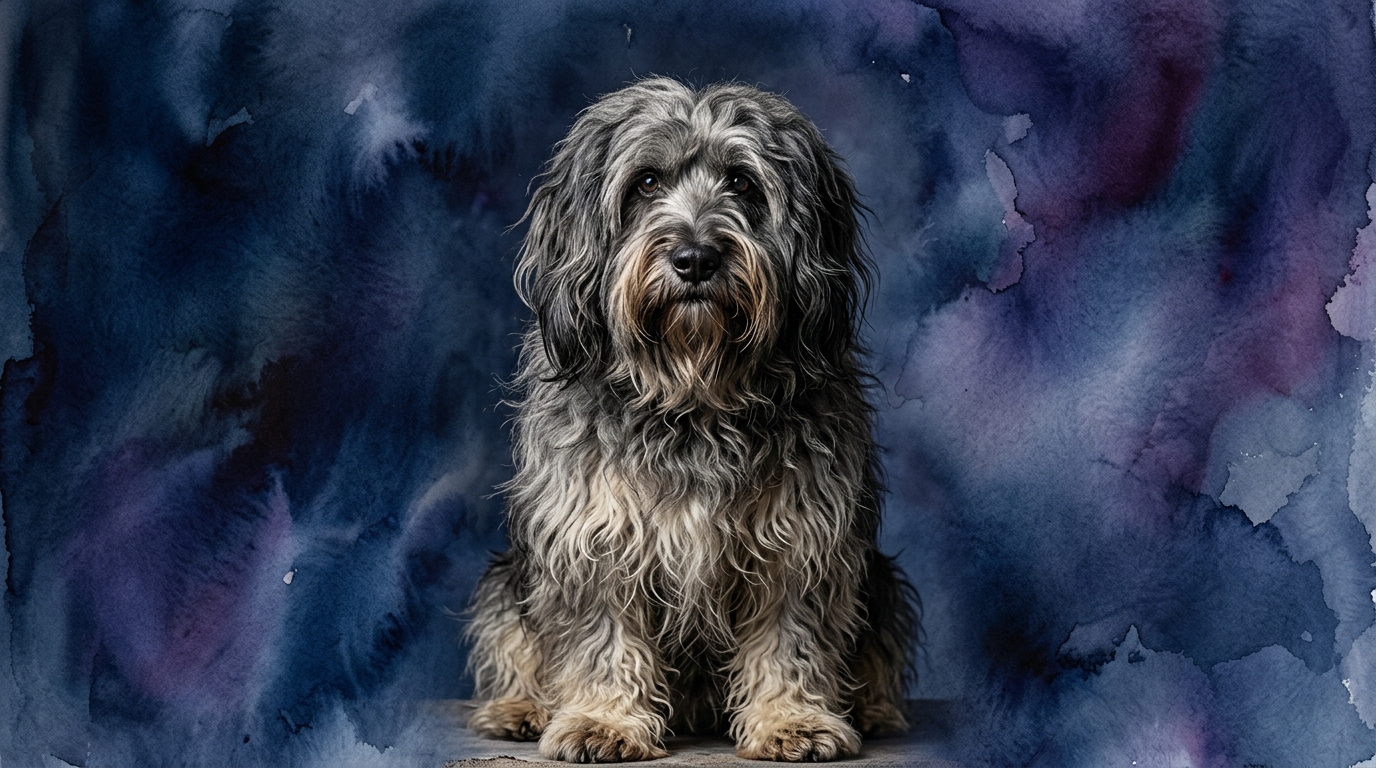
Side-by-Side IQ Profile: American Eskimo Dog vs. Polish Lowland Sheepdog
At The Cosmic Pet Pet IQ Lab, both the American Eskimo Dog (Non-Sporting Group) and the Polish Lowland Sheepdog (Herding Group) have received identical scores of 3/5 across all five measured cognitive dimensions. While the numerical scores are the same, the manifestation and application of these mental faculties often differ significantly due to their distinct histories and breed purposes. Understanding these nuances is key to appreciating each breed's unique intellectual charm.
For Problem Solving (3/5), the American Eskimo Dog demonstrates a moderate capacity to navigate novel situations and figure out solutions. They often excel in tasks requiring manipulation, such as opening latches on puzzle toys or devising strategies to obtain a coveted treat. Their problem-solving is frequently intertwined with their desire to engage and please their human companions, making them quick to learn the 'rules' of interactive games or household routines that lead to positive outcomes. The Polish Lowland Sheepdog, also scoring 3/5 in problem-solving, reflects a practical, independent approach to challenges deeply rooted in their pastoral heritage. They are capable of assessing dynamic situations, like finding the most efficient path to gather scattered objects or navigating complex terrain. This breed's problem-solving often manifests as autonomous decision-making, particularly when no direct human command is present, and they are less inclined to solve abstract puzzles purely for human amusement unless it serves a perceived purpose or reward.
In Training Speed (3/5), the American Eskimo Dog demonstrates a respectable pace in acquiring new commands and behaviors. They often pick up basic obedience, advanced tricks, and agility sequences with relative ease, especially when training is fun, positive, and consistent. Their eagerness to please and inherent desire to perform contributes significantly to their learning curve, as they are motivated by praise and shared activity, quickly associating actions with desired rewards. The Polish Lowland Sheepdog also shows a 3/5 training speed, indicating a solid capacity to learn, but their independent nature shapes the training experience. They require a trainer who understands their need for clear motivation and consistent, patient guidance, rather than expecting immediate, blind obedience. They learn effectively when the purpose of the task is clear, appeals to their instinctive drives, or when they perceive a benefit, often needing repetition and a strong, trusting bond to truly internalize commands.
Regarding Social Intelligence (3/5), the American Eskimo Dog's score points to a moderate aptitude for understanding and responding to human cues, including body language and tone of voice, as well as interacting appropriately with other animals. They form strong, often deeply empathetic bonds with their families, displaying a charming awareness of social dynamics and adapting their behavior to different situations, making them intuitive companions capable of subtle communication. The Polish Lowland Sheepdog’s 3/5 social intelligence reflects their keen ability to observe and interpret complex social signals, both from humans and their perceived 'flock.' This allows them to integrate well into family life while maintaining a watchful, discerning demeanor towards strangers. They are highly observant of their environment and the people within it, often anticipating intentions or reacting to subtle shifts in social atmosphere, which is a hallmark of their guarding instincts.
For Instinctive Drive (3/5), the American Eskimo Dog's drive is primarily channeled into playful pursuits, vocalizations, and a strong desire for companionship, reflecting their historical role as companions and performers. While not burdened by intense prey or herding drives, they possess an innate curiosity, a moderate urge to 'alert' their family to novelties, and a strong drive to be involved in all family activities, often initiating games or seeking attention. True to its heritage, the Polish Lowland Sheepdog exhibits a 3/5 instinctive drive primarily focused on herding, watchful guardianship, and a moderate prey drive. This manifests as an innate tendency to gather (family members or objects), protect their territory, and survey their surroundings with a diligent eye. These strong natural inclinations require appropriate outlets, such as structured activities that mimic herding or guarding tasks, to ensure their mental well-being.
Finally, with a Memory (3/5) score, the American Eskimo Dog shows a good capacity for retaining learned commands, complex tricks, preferred routes for walks, and the faces of familiar individuals. They benefit significantly from positive associations, remembering routines and experiences with clarity, which reinforces their bond with their owners and aids in consistent behavior. The Polish Lowland Sheepdog's 3/5 memory serves them exceptionally well in recalling extensive training sequences, identifying familiar individuals and places, and remembering past interactions with accuracy. This strong memory is crucial for their protective and independent nature, allowing them to learn and adhere to boundaries, anticipate events, and maintain a consistent understanding of their environment and social structure.
Where the American Eskimo Dog Wins Cognitively
Despite identical baseline scores, the American Eskimo Dog often shines in cognitive applications that leverage their inherent eagerness to please and desire for engagement. Their 3/5 problem-solving and training speed, when combined with their companion dog temperament, makes them particularly adept at mastering complex sequences of tricks or agility courses where human direction is paramount and the goal is shared performance. They excel in scenarios requiring focused attention on a human handler and sustained enthusiasm for interactive learning, often appearing to 'think' alongside their person. Their social intelligence also allows them to quickly gauge and adapt to a trainer's mood or expectations, fostering a highly responsive learning environment. This breed’s cognitive strengths are best showcased in cooperative tasks that build upon a strong human-animal bond and offer consistent positive reinforcement, where their memory for sequences and associations truly stands out.
Where the Polish Lowland Sheepdog Wins Cognitively
The Polish Lowland Sheepdog, with its comparable 3/5 cognitive scores, demonstrates distinct advantages in situations demanding independent thought and environmental awareness. Their herding background means their 3/5 problem-solving is often applied to assessing dynamic situations, such as managing the movement of a 'flock' (be it sheep or family members) or navigating complex outdoor environments to identify optimal paths or safe zones. Their instinctive drive to observe and protect means they excel in tasks requiring vigilance and autonomous decision-making, such as identifying potential threats or anticipating changes in their surroundings without constant human prompting. Their memory serves them particularly well in recalling established boundaries, routines, and the characteristics of familiar individuals versus strangers, making them reliable guardians of their perceived territory and family. This breed's cognitive prowess is most evident when they are given a 'job' that allows them to utilize their natural instincts and make decisions on their own.
Which is Easier to Train and Why
While both breeds possess a 3/5 training speed, the American Eskimo Dog generally presents as 'easier' to train for a typical pet owner due to their eager-to-please disposition and lower inherent independence. Their motivation often stems from positive human interaction, praise, and the sheer joy of performing, making them highly receptive to reward-based training methods for a wide array of commands and tricks. They typically seek to understand and comply with human directives readily, viewing training as a fun, collaborative activity. This makes them less prone to 'selective hearing' and more straightforward to motivate with conventional methods.
In contrast, the Polish Lowland Sheepdog, despite its similar training speed score, brings a more independent and discerning mindset to the training process. Their history as autonomous herders means they often question the 'why' behind a command or prefer to evaluate a situation before complying. They are not necessarily stubborn, but rather thoughtful and self-reliant, often needing to understand the purpose of a task. Training a PLS requires patience, consistency, and a clear understanding of their motivations, often tapping into their instinctive drives rather than solely relying on a desire to please. While capable of learning complex commands, their training journey demands a more nuanced, respectful approach that acknowledges their self-reliant nature and provides strong, consistent leadership.
Which Suits Active Owners vs. Relaxed Owners
For owners seeking an active, engaging companion, both breeds offer considerable energy, but their expression differs. The American Eskimo Dog thrives with owners who enjoy interactive play, regular training sessions, and activities like agility or canine freestyle, channeling their moderate instinctive drive and social intelligence into shared experiences. They are well-suited to households that provide consistent mental stimulation and companionship, as their desire for involvement is strong. A truly relaxed owner who prefers minimal interaction might find an Eskie becomes bored, potentially leading to excessive vocalization or destructive chewing as an outlet for their unmet cognitive and social needs.
The Polish Lowland Sheepdog also requires substantial activity, but their preference leans towards purposeful engagement that taps into their herding instincts and independent problem-solving. They suit active owners who can provide outlets for their patrolling, surveying, and watchful nature, such as long walks in varied environments, scent work, or even herding games. While they can be calm indoors once adequately exercised, their cognitive needs demand more than just physical exertion; they need jobs or tasks that engage their independent problem-solving and observant nature. This makes them less ideal for entirely relaxed, hands-off owners who cannot commit to fulfilling their inherent drive for purpose and mental challenge, as they can become restless or develop unwanted guarding behaviors without appropriate outlets.
The Verdict
Choose the American Eskimo Dog if you desire a responsive, engaging companion eager to participate in shared activities and training, thriving on human interaction and performing.
Opt for the Polish Lowland Sheepdog if you appreciate an independent, watchful companion who excels at autonomous problem-solving and requires purposeful mental and physical engagement.
🧠 Find Your Pet's IQ Score
Our Pet IQ Lab assessment covers 25+ tests across 5 cognitive dimensions — personalized to your breed.
Take the Full IQ Test →Frequently Asked Questions
Are American Eskimo Dogs good at learning tricks?
Yes, with a 3/5 training speed and a strong desire to please, American Eskimo Dogs are generally quite adept at learning a wide variety of tricks and enjoy the mental stimulation and attention it provides. Their problem-solving skills also help them figure out complex sequences.
Do Polish Lowland Sheepdogs need a lot of mental stimulation?
Absolutely. Their 3/5 problem-solving and instinctive drive, rooted in their herding background, mean they thrive on mental challenges and purposeful activities. Without adequate stimulation, they can become bored or channel their energy into less desirable behaviors.
How do their social intelligence scores impact family life?
Both breeds, with 3/5 social intelligence, integrate well into family dynamics. The American Eskimo Dog often forms very close bonds and is attuned to family moods, while the Polish Lowland Sheepdog is observant and protective of its family, understanding its role within the household social structure.