
Side-by-Side Cognitive Profiles
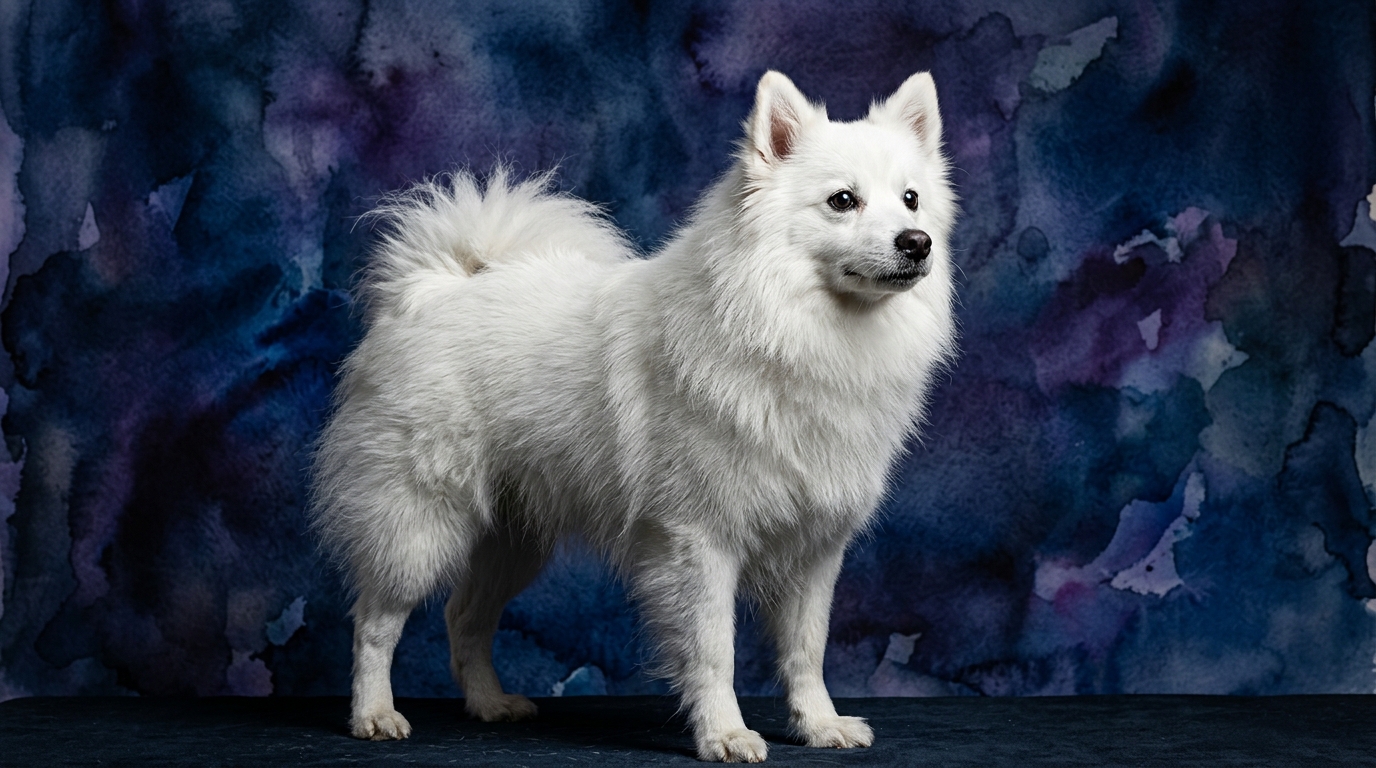
The Cosmic Pet Pet IQ Lab assesses canine cognition across five distinct dimensions, revealing how each breed processes information and interacts with its environment. For the American Eskimo Dog, we observe a remarkably consistent cognitive blueprint: Problem Solving 3/5, Training Speed 3/5, Social Intelligence 3/5, Instinctive Drive 3/5, and Memory 3/5. This suggests a dog with reliable, moderate capabilities across the board. An Eskie can capably navigate familiar household challenges, like figuring out how to open a treat-dispensing toy they’ve used before or remembering the quickest path to their favorite nap spot. However, when faced with entirely novel obstacles or a complex, multi-step puzzle, they might rely more on trial and error rather than immediate strategic insight. Their solutions tend to be practical and repeatable rather than innovative. Learning new commands with an American Eskimo Dog is a process that benefits significantly from consistent, positive reinforcement. They absorb information steadily, but may require more repetitions than some breeds to solidify a behavior. Once a command like "sit" or "stay" is understood, they perform it reliably, but don't expect them to pick up a new trick in a single short session. Eskies are adept at reading their human family's general moods and intentions, often offering comfort or seeking attention appropriately. They form strong, loyal bonds and can interpret common vocal tones and body language. While they understand social cues, they might not possess the nuanced ability to anticipate complex human emotional shifts or adapt their behavior to subtle social pressures with the same fluidity as some highly empathetic breeds. Their instinctive drives are moderately expressed, often manifesting as a desire to be involved in family activities, a tendency towards vocal communication (barking or "talking"), and a moderate prey drive that might prompt chasing squirrels. These drives are manageable and generally don't dominate their personality, allowing them to integrate well into various home environments without intense behavioral outlets being constantly required. An Eskie's memory is robust enough for daily routines and learned commands, allowing them to remember where their toys are kept, their feeding schedule, and the sequence of a familiar walk. They will recall faces and past experiences, but might benefit from occasional refreshers for commands not frequently practiced, ensuring long-term retention remains strong.
In contrast, the Toy Poodle presents a profile with distinct peaks: Problem Solving 5/5, Training Speed 5/5, Social Intelligence 3/5, Instinctive Drive 3/5, and Memory 5/5. The Toy Poodle consistently demonstrates exceptional problem-solving capabilities. They don't just learn solutions; they often invent them, figuring out intricate latches, devising strategies to reach forbidden items, or even manipulating their environment to their advantage. Faced with a new puzzle toy, they'll analyze it, try different approaches, and quickly deduce the mechanism, rather than relying solely on brute force or luck. Training a Toy Poodle is often a rapid and rewarding experience. They grasp new concepts and commands with astonishing speed, frequently understanding a new cue after only one or two repetitions. This quick cognitive uptake makes them ideal candidates for complex obedience routines, advanced tricks, and competitive dog sports where precision and speed of learning are paramount. Toy Poodles are generally attuned to their owners' emotions and social dynamics within the household. They form deep attachments and can be quite responsive to human moods, often seeking to comfort or engage. While highly connected, their social intelligence is balanced, meaning they understand relationships and cues well, without necessarily exhibiting the extreme empathy or complex social manipulation seen in some herding or working breeds. The Toy Poodle's instinctive drives are moderate, primarily expressed through a strong desire for companionship, interactive play, and a keen interest in exploring their surroundings. They typically possess a playful retrieve drive and enjoy engaging in activities that involve their human partners. Unlike breeds with intense prey or guarding instincts, their drives are generally channeled towards social interaction and mental engagement. With an outstanding memory, the Toy Poodle retains a vast repertoire of commands, tricks, and past experiences with remarkable clarity. Once a lesson is learned, it tends to stick, even after long periods without practice. This exceptional recall makes them highly reliable in performing complex sequences and remembering intricate details of their training, contributing significantly to their ease of advanced instruction.
Where the American Eskimo Dog Excels Cognitively
While the Toy Poodle shines with specific cognitive spikes, the American Eskimo Dog's balanced 3/5 scores across all five dimensions present a unique cognitive advantage: a predictable and steady mental presence. This consistency means they are less prone to the cognitive restlessness that can sometimes accompany extreme problem-solving abilities. Owners of Eskies often find their dogs capable of handling routine challenges without constantly seeking to deconstruct their environment or invent new forms of engagement that might test boundaries. Their moderate problem-solving capacity means they are perfectly adept at navigating daily life, learning household rules, and engaging with familiar toys, but without the intense drive to outsmart their owners or constantly seek novel intellectual puzzles. This balanced cognitive profile fosters a calm, reliable interaction, making them excellent companions for those who appreciate a dog whose mental demands are straightforward and manageable, rather than perpetually pushing for complex intellectual stimulation.
Where the Toy Poodle Excels Cognitively
The Toy Poodle's cognitive architecture is designed for peak performance in several crucial areas. Their exceptional Problem Solving, rated at 5/5, means they approach novel situations with an almost analytical mind, quickly assessing challenges and devising creative solutions. Whether it's figuring out how to open a cabinet, manipulating a complex puzzle toy, or understanding an intricate sequence of commands, their mental agility is profound. This pairs seamlessly with their 5/5 Training Speed, allowing them to absorb new commands and complex behaviors with astonishing rapidity, often requiring minimal repetition to achieve mastery. This makes them incredibly responsive and a delight for owners who enjoy advanced training or canine sports. Furthermore, their Memory, also a 5/5, is a significant asset. They retain a vast repertoire of learned information and experiences over extended periods, ensuring that once a lesson is grasped, it is rarely forgotten, contributing to their reliability and consistency in performance.
Ease of Training: A Clear Distinction
When it comes to ease of training, the Toy Poodle undeniably holds the advantage. Their 5/5 Training Speed indicates an almost instantaneous grasp of new commands, often understanding a concept after just a few repetitions. This rapid assimilation, combined with their 5/5 Memory, means that once a behavior is learned, it is deeply ingrained and readily recalled. Their superior problem-solving ability also contributes, allowing them to comprehend the underlying logic of complex tasks and sequences, making them eager and capable participants in advanced obedience or trick training. In contrast, the American Eskimo Dog, with a Training Speed of 3/5 and Memory of 3/5, requires a more patient and consistent approach. They will certainly learn, but their pace is more measured, necessitating more repetitions and regular reinforcement to solidify new behaviors. While they are willing participants, they may not spontaneously connect abstract commands as quickly as a Poodle, making detailed breakdown of tasks more crucial for their learning process. Owners of Eskies will find success through clear, consistent instruction and positive reinforcement over time, but should anticipate a less rapid learning curve compared to the Poodle.
Matching Cognitive Needs to Owner Lifestyles
For owners seeking an active, mentally engaging companion, the Toy Poodle is an exceptional match. Their 5/5 Problem Solving and 5/5 Training Speed mean they thrive on consistent mental challenges, excelling in activities like advanced obedience, agility, puzzle toys, and learning intricate tricks. They require their minds to be stimulated regularly to prevent boredom-induced behaviors, making them ideal for individuals who enjoy dedicating time to interactive training and canine sports. This breed truly flourishes when given opportunities to use their intellect. Conversely, the American Eskimo Dog, with its consistent 3/5 scores across all cognitive dimensions, is a better fit for more relaxed owners. While they certainly appreciate walks and playtime, their cognitive profile suggests they are less prone to demanding constant, high-intensity mental work. They are content with established routines, moderate physical activity, and companionship, providing a steady, agreeable presence without the constant need for complex intellectual engagement that a Toy Poodle might exhibit. Eskies are adaptable and enjoy being part of the family, but their cognitive needs are met with a more moderate approach to mental stimulation.
The Verdict
Choose the American Eskimo Dog if you value a cognitively balanced companion who thrives on predictable routines and moderate mental engagement, offering a steady, dependable presence.
Opt for the Toy Poodle if you are an owner eager to dedicate time to advanced training, intricate mental challenges, and desire a highly responsive partner who rapidly masters complex tasks and revels in intellectual work.
🧠 Find Your Pet's IQ Score
Our Pet IQ Lab assessment covers 25+ tests across 5 cognitive dimensions — personalized to your breed.
Take the Full IQ Test →Frequently Asked Questions
Is the American Eskimo Dog difficult to train?
No, the American Eskimo Dog is not difficult to train, but their 3/5 Training Speed means they learn at a moderate pace. Success comes with consistent, clear instruction and positive reinforcement, requiring more repetitions than a faster-learning breed.
Do Toy Poodles require a lot of mental stimulation?
Yes, Toy Poodles thrive on mental stimulation due to their 5/5 Problem Solving and Training Speed. They need regular engagement through training, puzzle toys, and interactive games to prevent boredom and channel their cognitive energy constructively.
Which breed is better for first-time dog owners?
The choice depends on the owner's commitment to training and mental engagement. An American Eskimo Dog might be more forgiving for a first-timer seeking a predictable companion, while a Toy Poodle suits a novice ready to invest consistently in advanced training and mental enrichment.