
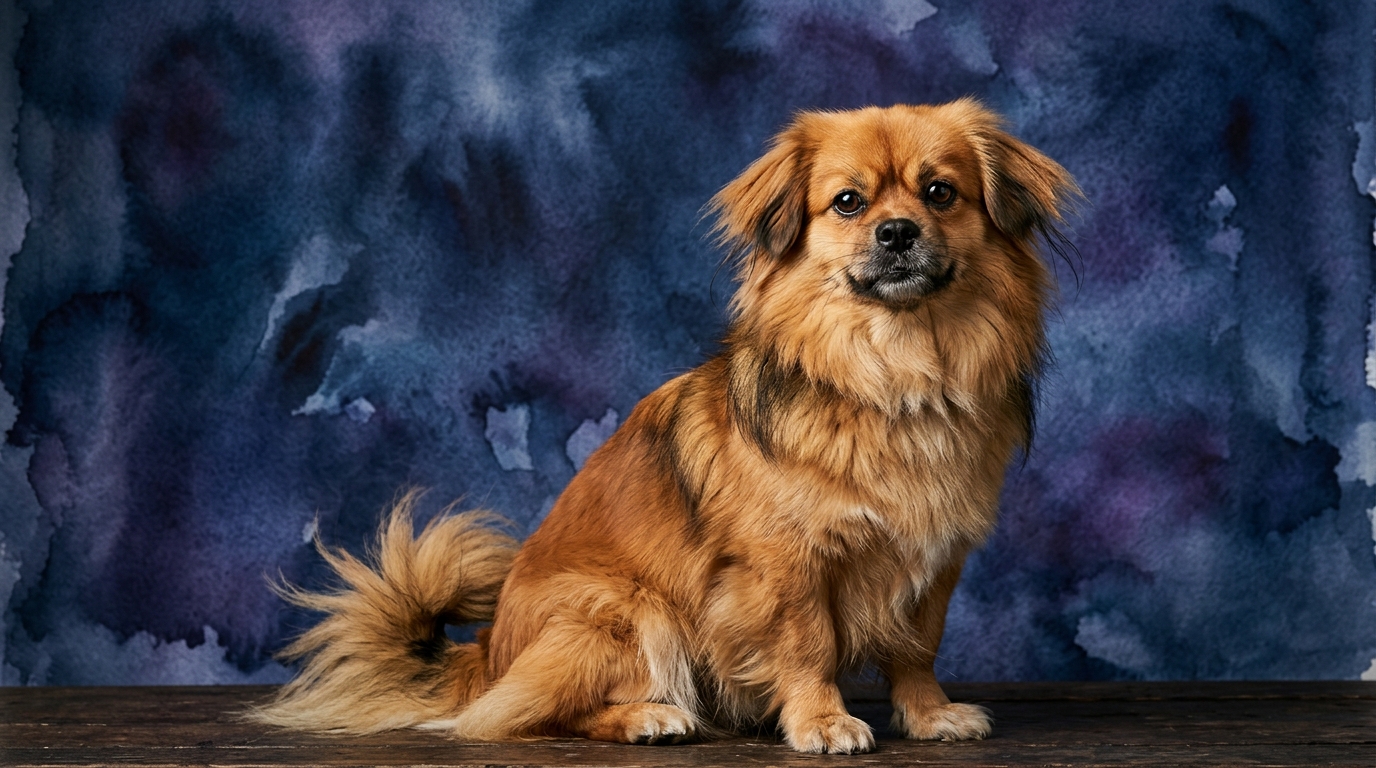
Side-by-Side IQ Profile: AWS vs. Tibetan Spaniel
The American Water Spaniel (AWS), a Sporting group dog, is recognized by the Coren ranking system at #44 for obedience and working intelligence, reflecting its capacity for learned commands. Our Pet IQ Lab assessment shows its Problem Solving at 3/5, indicating a resourceful nature in tasks, particularly those involving water or retrieving. Training Speed is also 3/5, suggesting a moderate learning pace that benefits from consistent, positive reinforcement. Social Intelligence sits at 3/5, meaning they form strong bonds with their primary family but might be reserved with unfamiliar individuals, often focusing more on task engagement during work. Their Instinctive Drive is 3/5, characterized by a keen prey drive, strong scenting ability, and a natural inclination to retrieve from water, which fuels their participation in practical activities. A standout feature for the AWS is its Memory at 4/5, demonstrating excellent recall for learned tasks, routes, and specific locations, which is crucial for navigating complex retrieving scenarios and retaining training over extended periods.
In contrast, the Tibetan Spaniel, a Non-Sporting breed, is not listed on the Coren ranking, which often reflects less emphasis on formal obedience competition and more on companionship. Our IQ Lab data places its Problem Solving at 3/5, showcasing a cleverness in manipulating domestic situations for comfort or attention, such as figuring out how to access preferred resting spots. Training Speed is 3/5, indicating they learn at a moderate pace, though their independent streak means training needs to be engaging and highly rewarding. Their Social Intelligence is 3/5, reflecting a deep attunement to their family's moods and routines, adeptly reading subtle human emotional cues, while often remaining reserved and watchful around strangers. The Tibetan Spaniel’s Instinctive Drive, also 3/5, manifests as strong watch-dog instincts and keen observation of their surroundings, rather than a significant prey or retrieving drive. Their Memory is rated at 3/5, which is good for retaining routines, recognizing family members, and remembering basic commands, though perhaps less geared towards intricate, multi-step working tasks than a sporting breed.
Where the American Water Spaniel Wins Cognitively
The AWS exhibits a distinct cognitive advantage in its memory capabilities, scoring 4/5 compared to the Tibetan Spaniel's 3/5. This superior memory allows them to recall intricate retrieving patterns, remember specific scent trails, and navigate varied outdoor environments with remarkable precision. This makes them exceptionally dependable for multi-step instructions or remembering the location of hidden objects over time, a crucial trait for their historical role as a hunting companion.
Furthermore, while both breeds share a 3/5 rating for Instinctive Drive, the AWS's drive is specifically channeled towards purposeful work. Their problem-solving often manifests in overcoming physical obstacles to retrieve game or navigating challenging terrains, showcasing a cognitive framework geared towards sustained engagement in a defined, physical task. This task-oriented application of their drive indicates a focused intelligence for practical, outdoor challenges.
Where the Tibetan Spaniel Wins Cognitively
Despite sharing a 3/5 rating for Social Intelligence, the Tibetan Spaniel’s cognitive strength lies in its nuanced application of this trait. Their social intelligence is acutely oriented towards human interaction and companionship, making them highly perceptive of subtle shifts in human mood, tone, and behavior. They excel at anticipating their family's needs or offering comfort, often acting as sensitive emotional barometers within the home, a hallmark of their long history as companion dogs.
Similarly, their Problem Solving, also rated 3/5, is particularly adept at navigating the domestic environment and social situations to achieve desired outcomes. A Tibetan Spaniel might cleverly figure out how to open a cabinet for a treat or strategically position themselves to maximize affection, demonstrating a distinct form of cleverness that is less about outdoor work and more about optimizing their living conditions and social interactions within the household.
Training Aptitude: Which is Easier to Train and Why?
Both the American Water Spaniel and the Tibetan Spaniel share a 3/5 rating for Training Speed, indicating a moderate learning pace. However, their specific behavioral drivers create different training experiences. The AWS's strong instinctive drive for retrieving and working can be a powerful asset in training; they often possess an inherent eagerness to please when the task aligns with their natural inclinations. While their independence might require consistent motivation and clear direction, they typically respond well to structured, task-oriented training methods that leverage their natural abilities, making them reliable partners for specific commands and activities.
The Tibetan Spaniel, conversely, presents a different training dynamic. While equally capable of learning, their independence and sometimes self-willed nature mean they are less driven by external tasks and more by internal motivations like comfort, attention, or social interaction. Traditional obedience might feel less compelling to them. Training a Tibetan Spaniel requires patience, creativity, and a highly engaging, reward-based approach that makes learning feel like a fun game rather than a chore. They need to be persuaded that complying with a command is more rewarding than following their own agenda, which can sometimes make them appear less 'easy' to train for formal obedience without the right approach.
Matching Breeds to Lifestyles: Active vs. Relaxed Owners
For owners with an active lifestyle, the American Water Spaniel is an ideal match. Their sporting heritage dictates a substantial need for regular, vigorous exercise and mental stimulation, ideally involving water activities, retrieving games, or scent work. They thrive with individuals or families who enjoy outdoor adventures, participate in dog sports like agility or dock diving, or engage in hunting, providing ample outlets for their considerable energy and focused working intelligence. A sedentary lifestyle would likely lead to boredom and potential behavioral issues for an AWS.
Conversely, the Tibetan Spaniel is perfectly suited for more relaxed owners. While they certainly enjoy daily walks and interactive playtime, their exercise requirements are moderate. They are content with indoor companionship, short strolls around the neighborhood, and engaging mental games that involve observation or problem-solving within the home environment. They are excellent companions for those who appreciate a watchful, affectionate, and relatively low-maintenance dog that thrives on close family bonds and a generally calmer pace of life.
The Verdict: When to Choose Each Breed
The Verdict
Choose the American Water Spaniel if you're an active outdoor enthusiast, enjoy dog sports, or seek a dedicated working partner that excels in retrieving and water activities, as its robust memory and task-oriented drive will align perfectly with your lifestyle.
Opt for the Tibetan Spaniel if you desire a perceptive, charming, and independent companion who thrives on close family bonds and moderate activity, as its social acumen and clever domestic problem-solving will bring quiet joy to a more relaxed household.
🧠 Find Your Pet's IQ Score
Our Pet IQ Lab assessment covers 25+ tests across 5 cognitive dimensions — personalized to your breed.
Take the Full IQ Test →Frequently Asked Questions
Do American Water Spaniels need a lot of mental stimulation?
Yes, their sporting background means American Water Spaniels benefit greatly from regular mental challenges like scent work, puzzle toys, and advanced obedience training to keep their minds engaged and prevent boredom. Consistent engagement with varied tasks is key to their well-being.
Are Tibetan Spaniels good at learning tricks?
Tibetan Spaniels can indeed learn tricks, but their independent nature means training must be kept fun and highly rewarding. They respond best to positive reinforcement and short, engaging sessions that appeal to their cleverness and desire for interaction, rather than repetitive drills.
How do their social skills differ with children?
American Water Spaniels are generally good with children, especially if raised together, but their energy and retrieving instincts require supervision to prevent accidental bumps. Tibetan Spaniels are often more reserved and typically prefer older, respectful children who understand their sometimes sensitive and independent nature, often observing before engaging.