A Tale of Two Canine Minds: IQ Profiles Compared
Delving into the cognitive landscapes of the Australian Cattle Dog and the Akita reveals how breed history profoundly shapes mental capabilities. These aren't just numerical rankings; they reflect distinct approaches to learning, problem-solving, and interacting with their world, offering a nuanced view beyond a simple 'smartest' label.
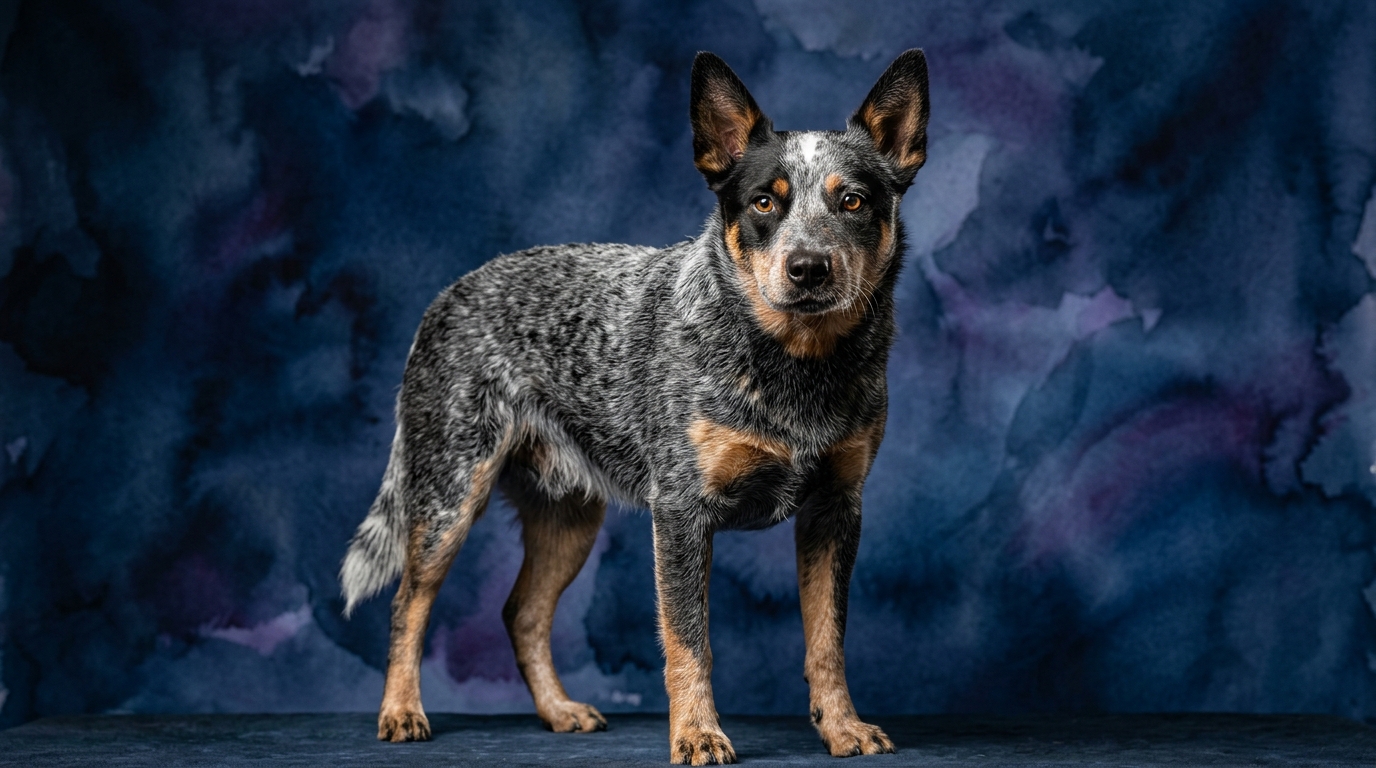
The Australian Cattle Dog, a Herding breed, boasts an impressive Coren rank of #10, indicating a strong capacity for obedience and working intelligence. Its IQ profile includes a perfect 5/5 in Problem Solving, 5/5 in Training Speed, 3/5 in Social Intelligence, 5/5 in Instinctive Drive, and 5/5 in Memory. This combination paints a picture of a dog built for complex, dynamic tasks requiring quick decisions and reliable recall.
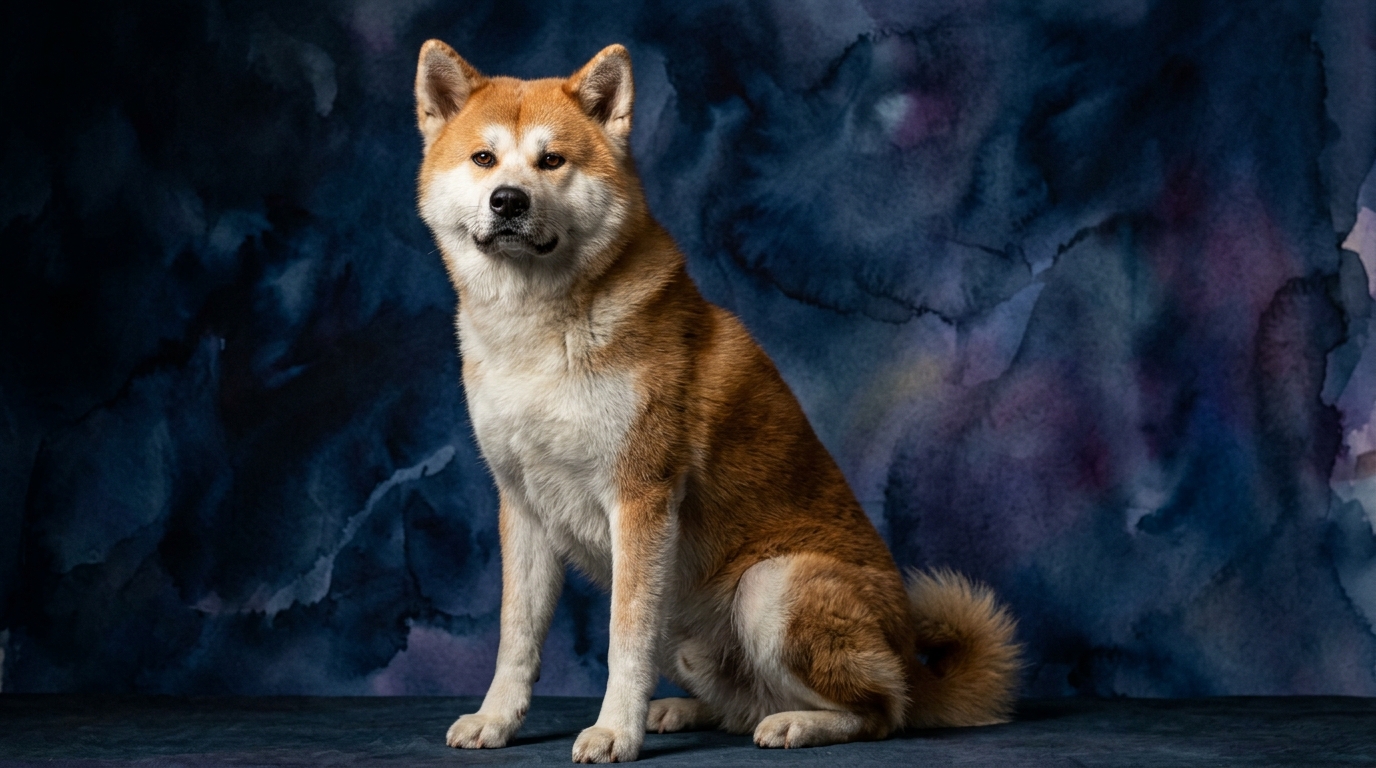
In contrast, the Akita, a Working breed, holds a Coren rank of #54. Its cognitive strengths manifest differently, with scores of 3/5 in Problem Solving, 2/5 in Training Speed, 3/5 in Social Intelligence, 5/5 in Instinctive Drive, and 4/5 in Memory. These metrics suggest a dog with a robust inner world, driven by deep-seated instincts, but with a more independent approach to new commands and novel situations.
Australian Cattle Dog: The Agile Problem-Solver and Rapid Learner
The Australian Cattle Dog’s cognitive profile is a testament to its demanding heritage as a drover of cattle. Its 5/5 Problem Solving ability is evident in its capacity to navigate complex environments, outmaneuver livestock, and devise solutions to herding challenges, often without direct human command. This manifests as a keen ability to understand multi-step instructions and adapt quickly when initial approaches fail, making them adept at canine sports like agility or advanced obedience.
A Training Speed of 5/5 means these dogs absorb new commands with remarkable swiftness, often requiring fewer repetitions than many other breeds. They possess an eagerness to engage and a strong desire to work alongside their handler, making them highly responsive to consistent, positive reinforcement training. Paired with a 5/5 Memory, an Australian Cattle Dog retains learned behaviors and commands over long periods, ensuring reliability once a skill is mastered.
Their Instinctive Drive, also rated 5/5, is a powerful motivator, channeled into purposeful work. While their Social Intelligence at 3/5 indicates they might not be the most effusive or universally friendly dogs, this score reflects a selective rather than deficient social capacity. They form deep bonds with their chosen family, but their focus remains on their 'job' or inner circle, often displaying a reserved nature with strangers, rather than an inability to understand social cues.
Akita: Steadfast Resolve and Independent Thought
The Akita’s cognitive makeup reflects its history as a hunting and guarding dog, where self-reliance and keen observation were paramount. Its 5/5 Instinctive Drive fuels a strong sense of purpose, often manifesting as a powerful protective instinct over its family and territory. This drive is not about rapid task execution but about unwavering commitment to its inherent role, requiring an owner who understands and respects this deep-seated motivation.
With a Problem Solving score of 3/5, Akitas will assess situations and find solutions, but their approach is often more deliberate and independent. They may not seek immediate human guidance for every challenge, preferring to ponder and act on their own terms. This can be interpreted not as a lack of ability, but as a preference for autonomy, a trait valuable in a dog expected to make decisions in isolation while guarding or hunting.
The Akita's Training Speed of 2/5 signifies that while they are certainly capable of learning, they require patience, consistency, and highly motivating rewards. They aren't as eager to please as some breeds and may question the necessity of a command, often requiring a clear 'what's in it for me?' before complying. Their Memory at 4/5 ensures they do retain lessons, but initial acquisition may take longer. Their Social Intelligence (3/5) mirrors the Australian Cattle Dog's in score, but often manifests as a dignified aloofness, preferring the company of their trusted few and often being wary of strangers or other animals.
Ease of Training: A Clear Distinction
When it comes to training, the difference between these two breeds is profound. The Australian Cattle Dog's 5/5 Training Speed and high problem-solving ability means they are often a joy to train for experienced handlers. They pick up complex commands quickly, enjoy the mental stimulation of learning, and thrive on consistent engagement. Their eagerness to please and work with their human partner makes them excellent candidates for advanced obedience, herding trials, or complex scent work, where rapid learning and precise execution are key.
Conversely, the Akita's 2/5 Training Speed indicates a more challenging path for the novice trainer. While perfectly capable of learning, their independent nature and lower inherent desire to please mean training sessions must be engaging, fair, and consistently rewarding. They are less likely to perform a task simply because they are asked; instead, they need to understand the value or logic behind the command. This requires an owner with immense patience, a creative approach to motivation, and a deep understanding of canine behavior, as Akitas will often make their own decisions if they don't see the point.
Real behavioral differences highlight this: an Australian Cattle Dog will often anticipate the next command in an agility course, eager to move. An Akita might pause, consider the request, and decide if it's worth their effort before proceeding, especially if the reward isn't compelling. This isn't stubbornness, but a manifestation of their independent cognitive process and self-reliant working history, requiring a different training philosophy focused on building a strong, respectful partnership rather than expecting blind obedience.
Lifestyle Compatibility: Active Companionship vs. Calm Guardianship
The cognitive profiles of these breeds directly influence their ideal living situations. The Australian Cattle Dog, with its high problem-solving, training speed, and intense instinctive drive, requires an active owner who can provide consistent mental and physical challenges. They are best suited for individuals or families committed to dog sports, extended hikes, or a 'job' around the home. Without sufficient outlets for their sharp minds and boundless energy, they can become bored and destructive, channeling their impressive cognitive abilities into undesirable behaviors.
The Akita, while possessing a powerful instinctive drive, generally has a more measured pace. They thrive with owners who appreciate a calm, dignified presence and understand their need for a strong, consistent leader. While they enjoy regular exercise, their cognitive needs lean more towards security and companionship within their family unit, rather than constant high-intensity tasks. They are excellent guardians, content to observe and protect their domain, making them suitable for owners who prefer a strong, loyal companion over a hyper-active participant in every activity.
Their social intelligence scores, both 3/5, manifest differently in a home setting. An Australian Cattle Dog's social interactions often revolve around their human partners in a working context, needing clear boundaries with strangers and other animals. An Akita's social approach is typically more reserved and aloof, requiring careful socialization from a young age to ensure they are well-adjusted in various environments. Both breeds demand thoughtful management of their interactions, but for different underlying reasons related to their working heritage and self-perception.
The Cosmic Pet Pet IQ Lab Verdict
Understanding the Australian Cattle Dog and Akita's distinct cognitive blueprints is key to choosing a compatible canine companion. Neither breed is universally 'smarter'; rather, they possess different strengths tailored to their ancestral roles. The Australian Cattle Dog offers a partnership of agile intellect and eager collaboration, while the Akita provides a bond built on independent thought, steadfast loyalty, and dignified guardianship. Your lifestyle and training philosophy will dictate which of these remarkable minds will integrate best into your home.
The Verdict
Choose an Australian Cattle Dog if you desire a highly engaged, responsive partner for complex tasks, dog sports, or an active lifestyle that includes consistent mental stimulation and training challenges.
Choose an Akita if you seek a loyal, independent guardian with a dignified presence, are prepared for patient, consistent training, and appreciate a dog that thinks for itself rather than seeking constant direction.
🧠 Find Your Pet's IQ Score
Our Pet IQ Lab assessment covers 25+ tests across 5 cognitive dimensions — personalized to your breed.
Take the Full IQ Test →Frequently Asked Questions
Which breed is better for first-time dog owners?
Given its 5/5 Training Speed and eagerness to collaborate, the Australian Cattle Dog is generally a more manageable choice for a dedicated first-time owner willing to provide significant mental and physical engagement. The Akita’s independence and lower training speed make it a more suitable companion for experienced owners who understand its unique motivations and require a patient approach.
How do their social intelligence scores impact household dynamics?
Both breeds score 3/5 in Social Intelligence, meaning they are not typically 'everyone's friend.' The Australian Cattle Dog often forms intense bonds with its primary handler and family, but can be reserved or wary of strangers. The Akita often displays a dignified aloofness, preferring its inner circle and requiring careful, early socialization to ensure it interacts appropriately with new people and animals, making for a calm but discerning family member.
Can an Akita be trained for complex tasks like an Australian Cattle Dog?
Yes, an Akita can certainly learn complex tasks, but the training process will differ significantly. While an Australian Cattle Dog might quickly master an intricate agility course through eager repetition, an Akita will require more time, stronger motivation, and an understanding of its independent thought process. It’s about patience and finding what truly motivates the Akita, rather than expecting the same rapid compliance seen in an ACD.