Side-by-Side IQ Profile
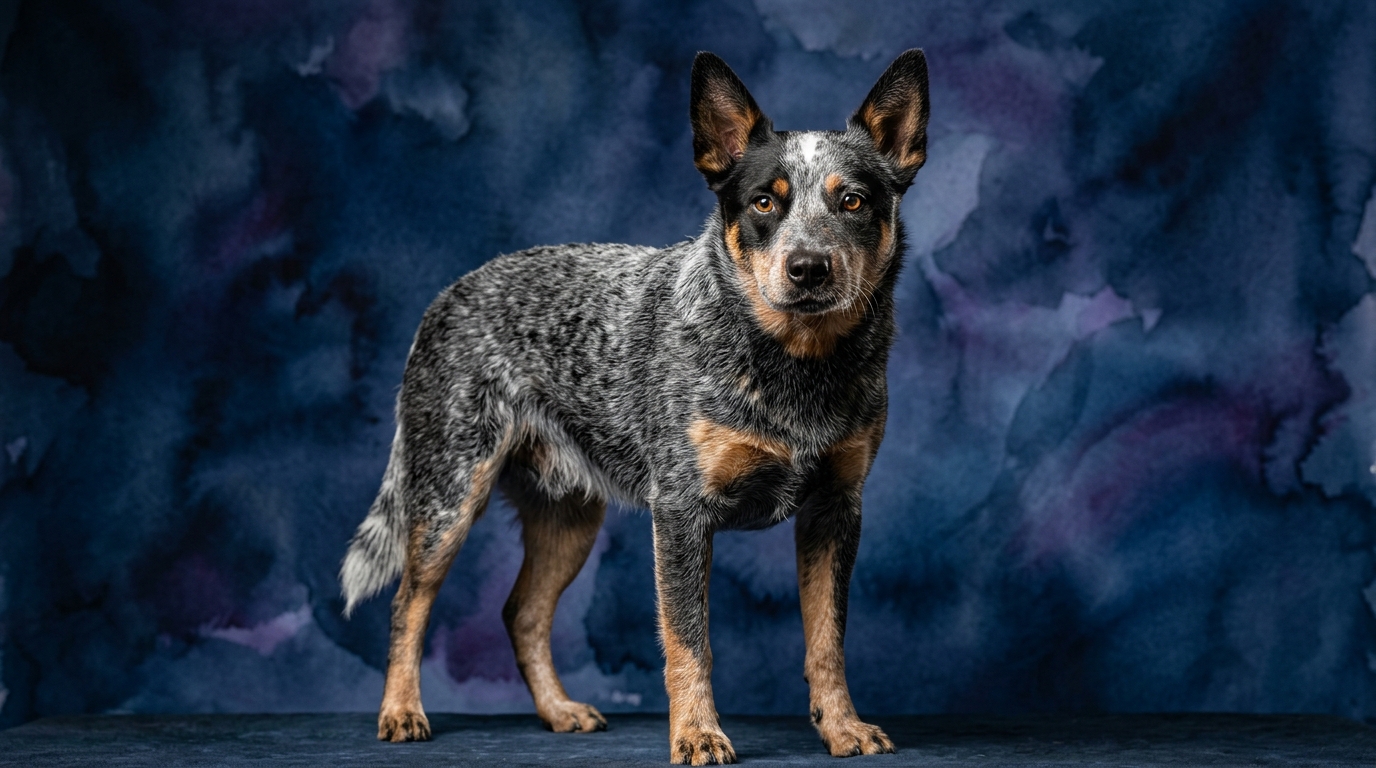
The Cosmic Pet Pet IQ Lab employs a comprehensive five-dimensional framework to assess canine cognition, offering a nuanced view beyond simple obedience. For the Australian Cattle Dog, a breed recognized for its working prowess, its profile paints a picture of exceptional mental acumen. Its Problem Solving score of 5/5 indicates a remarkable capacity to analyze novel situations and devise effective solutions, often demonstrating strategic thinking. Training Speed also stands at an impressive 5/5, meaning these dogs grasp new commands and routines with very few repetitions, making them rapid learners. Social Intelligence, rated 3/5, suggests a solid understanding of human and canine social cues, though perhaps not the primary focus of its intense working directives. Instinctive Drive, a robust 5/5, reflects a powerful inner motivation for tasks, often expressed through herding behaviors or a strong desire for purpose. Finally, Memory, also 5/5, underscores their ability to retain complex information and recall it accurately over time.
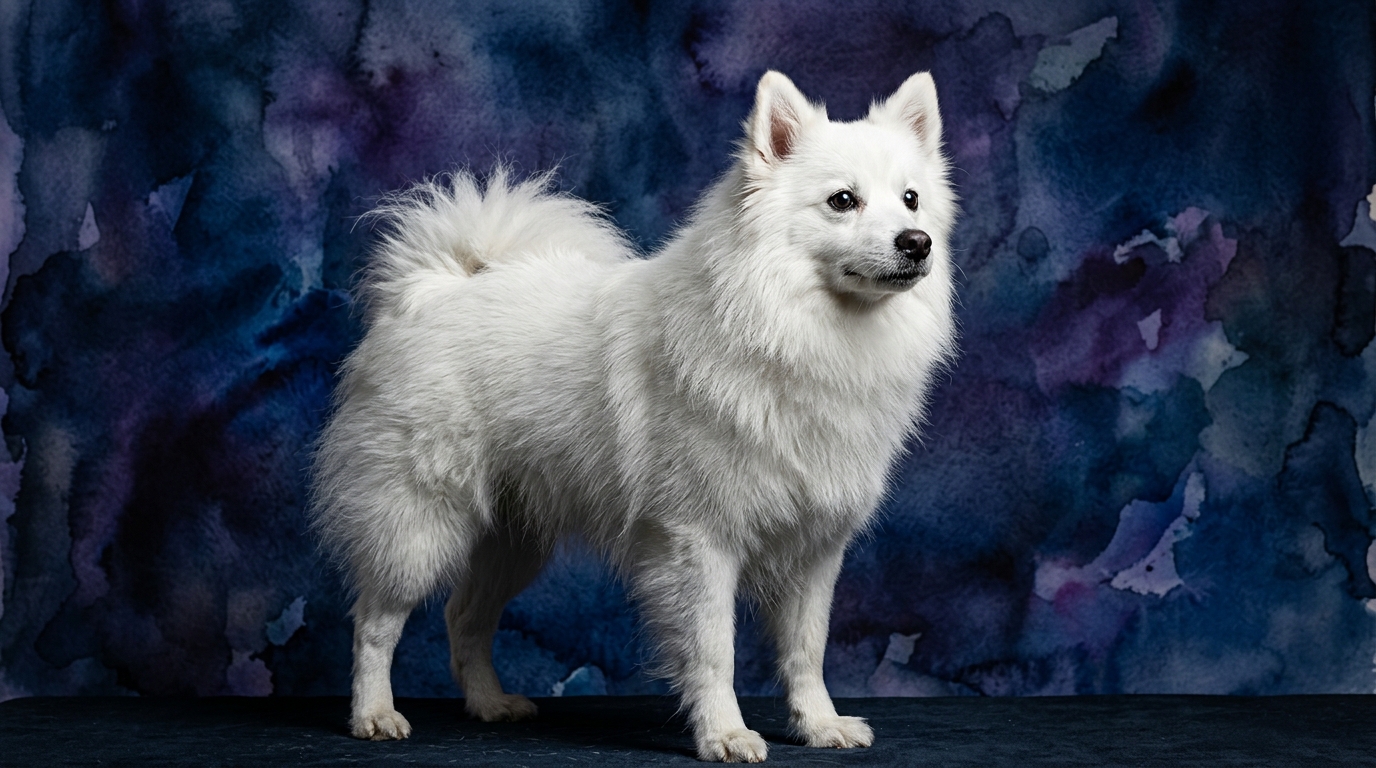
In contrast, the American Eskimo Dog, a breed celebrated for its companionship and striking appearance, presents a different cognitive blueprint. While not Coren-ranked, its IQ profile at our lab reveals a balanced and capable mind. Its Problem Solving score of 3/5 suggests a moderate ability to navigate new challenges, capable of figuring things out but perhaps not consistently seeking complex mental puzzles. Training Speed, also 3/5, indicates that these dogs learn at an average pace, requiring consistent but not excessive repetition to master new skills. Social Intelligence matches the ACD at 3/5, signifying a good grasp of social dynamics crucial for their role as family companions. Instinctive Drive, at 3/5, points to a moderate internal motivation, sufficient for engaging in play and daily activities but without the intense, task-oriented focus of a herding breed. Memory, rated 3/5, suggests a reliable capacity to remember commands and routines, though perhaps not the exceptional recall seen in breeds bred for intricate, long-term working tasks.
Where Australian Cattle Dog Wins Cognitively
The Australian Cattle Dog's cognitive strengths are particularly pronounced in areas demanding self-sufficiency and complex task mastery. With a Problem Solving score of 5/5, they excel at interpreting their environment and adapting their strategies in real-time, such as figuring out how to bypass an unexpected obstacle to reach a goal or independently solving a multi-step puzzle toy designed for advanced dogs. Their 5/5 Training Speed means they absorb intricate command sequences with remarkable swiftness, allowing them to learn elaborate routines for dog sports like agility or competitive obedience that might take other breeds significantly longer. Coupled with a 5/5 Memory, an ACD can retain a vast repertoire of commands and experiences, recalling specific instructions even after long periods, which is vital for a herding dog that must remember specific flock movements or handler signals. This potent combination of rapid learning, strategic thinking, and exceptional recall allows them to excel in roles requiring independent decision-making and sophisticated behavioral responses.
Where American Eskimo Dog Wins Cognitively
While the American Eskimo Dog's IQ scores are generally moderate compared to the ACD, this profile offers distinct advantages, particularly for certain lifestyles. Its 3/5 Instinctive Drive means it possesses a healthy motivation for engagement without the intense, often relentless, need for a "job" that defines many working breeds. This moderation can translate into a more relaxed household companion, less prone to inventing its own (potentially destructive) tasks when under-stimulated. Their 3/5 Problem Solving, while not exceptional, means they are typically less likely to outsmart owners by devising elaborate escape plans or cleverly manipulating household rules, preferring simpler, more direct interactions. The AED's balanced cognitive profile makes it less prone to the overthinking that can sometimes accompany higher cognitive scores in working breeds, potentially leading to a more straightforward and less demanding mental companion for owners who appreciate a steady, amiable presence without constant high-level intellectual engagement. Their cognitive "win" lies in their inherent suitability for a companion role that values affability and moderate mental stimulation over intense, driven performance.
Which is Easier to Train and Why
When evaluating ease of training, the Australian Cattle Dog typically presents a different challenge than the American Eskimo Dog. The ACD's 5/5 Training Speed and 5/5 Memory mean they learn new commands and concepts with astonishing rapidity, often requiring only a few repetitions before demonstrating proficiency. This makes them incredibly responsive to consistent, engaging training methods, and they thrive on learning complex sequences and varied tasks. However, their 5/5 Instinctive Drive, while a cognitive strength, means that training must be structured to channel this intense energy and purpose effectively. If not given a constructive outlet for their mental and physical drive, an ACD can quickly become bored and redirect its problem-solving abilities towards undesirable behaviors like excessive herding of family members, nipping, or destructive chewing. Therefore, while they are fast learners, they require an owner who is equally dedicated to providing consistent mental stimulation and appropriate behavioral guidance.
The American Eskimo Dog, with its 3/5 scores across Training Speed, Instinctive Drive, and Memory, offers a more conventional training experience. They are certainly trainable and capable of mastering basic obedience and a variety of tricks, but they learn at an average pace, requiring more consistent repetition than an ACD. Their moderate instinctive drive means they are generally less prone to developing intense "job-seeking" behaviors if their mental exercise isn't constant, making them more forgiving for owners who cannot dedicate hours daily to structured training. Training an AED focuses more on positive reinforcement, patience, and making learning enjoyable, rather than channeling an overwhelming innate drive. While they may not pick up complex tasks as quickly as an ACD, their lower intensity means that general obedience and good manners are often achieved through steady, positive reinforcement without the added pressure of managing an exceptionally driven mind.
Which Suits Active Owners vs Relaxed Owners
The Australian Cattle Dog is unequivocally suited for highly active owners who seek a canine partner for demanding pursuits. Their 5/5 Instinctive Drive, coupled with exceptional Problem Solving and Memory, means they require substantial physical exercise and rigorous mental engagement daily. These dogs thrive in environments where they can participate in dog sports like agility, flyball, competitive obedience, or even real-world herding. Owners who enjoy long hikes, running, cycling, or who are keen on training for advanced canine activities will find an ACD a willing and capable companion. A relaxed owner, or one unable to commit to extensive daily stimulation, would likely find an ACD to be a demanding and potentially overwhelming presence, as their unfulfilled cognitive and physical needs often manifest as undesirable behaviors.
The American Eskimo Dog, with its moderate 3/5 scores across the board for instinctive drive and problem-solving, is a far better match for owners who prefer a more balanced level of activity. They enjoy daily walks, playtime in the yard, and engaging with puzzle toys, but they do not typically demand the intense, purpose-driven exercise regime of an ACD. An AED can adapt well to apartment living provided they receive regular outdoor excursions and mental enrichment. While they are playful and enjoy interaction, they are also content to relax with their family. This makes them suitable for owners who are active but not extreme, those who enjoy regular engagement with their dog but also value quiet time. They are a good fit for individuals or families seeking an affectionate, lively companion without the cognitive demands of a high-drive working breed.
The Verdict
For those seeking a highly engaged, intellectually driven partner capable of mastering complex tasks and thriving on extensive mental and physical challenges, the Australian Cattle Dog is the ideal choice.
If you desire a charming, intelligent companion with a moderate activity level and a straightforward approach to life, the American Eskimo Dog will be a delightful addition to your home.
🧠 Find Your Pet's IQ Score
Our Pet IQ Lab assessment covers 25+ tests across 5 cognitive dimensions — personalized to your breed.
Take the Full IQ Test →Frequently Asked Questions
Does an American Eskimo Dog require a lot of mental stimulation despite its moderate scores?
While not as intensely driven as an Australian Cattle Dog, the American Eskimo Dog still benefits greatly from regular mental engagement. Their 3/5 problem-solving and memory scores mean they enjoy learning new tricks, engaging with puzzle toys, and participating in obedience training to keep their minds sharp and prevent boredom.
Can an Australian Cattle Dog adapt to a less active lifestyle if given enough mental puzzles?
An Australian Cattle Dog's profound 5/5 instinctive drive and physical stamina mean mental puzzles alone are often insufficient for their needs. While mental stimulation is crucial, it must be paired with substantial physical exercise to truly satisfy their inherent drive and prevent the development of behavioral issues stemming from pent-up energy.
Are both breeds good with children, considering their different cognitive profiles?
Both breeds can be good with children, but their interactions may differ due to their cognitive traits. The Australian Cattle Dog, with its strong herding drive, may attempt to "herd" children, requiring careful supervision and training to manage this instinct. The American Eskimo Dog, with its more moderate drive and companion-oriented nature, is often playful and affectionate with children, though supervision is always recommended.