A Tale of Two Minds: Unpacking Their IQ Profiles
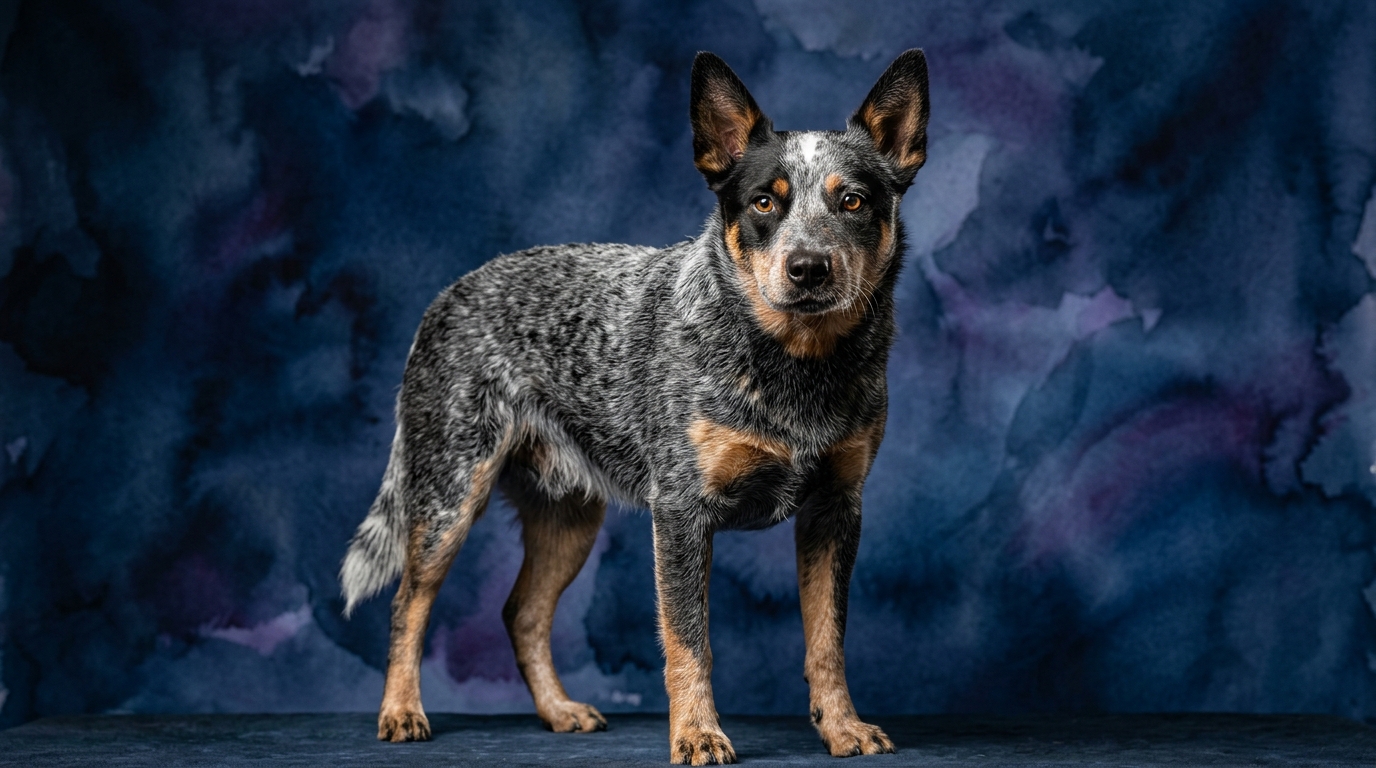
The Australian Cattle Dog, a Herding group member, showcases a formidable cognitive profile, reflected in its Coren rank of #10. Their Problem Solving is rated an exceptional 5/5, indicating an outstanding capacity to independently navigate and resolve complex challenges, often requiring abstract thought and strategic planning. Training Speed is also a perfect 5/5, meaning they grasp new commands and sequences with remarkable rapidity, often after very few repetitions. Their Instinctive Drive, at 5/5, underscores a powerful innate urge to work, herd, and engage in purposeful activity, a core component of their cognitive makeup. Memory, too, is a flawless 5/5, allowing them to retain vast amounts of information, from command sequences to environmental details, over long periods. Social Intelligence, at 3/5, suggests they are competent in understanding human cues but prioritize task-orientation over intricate emotional engagement.
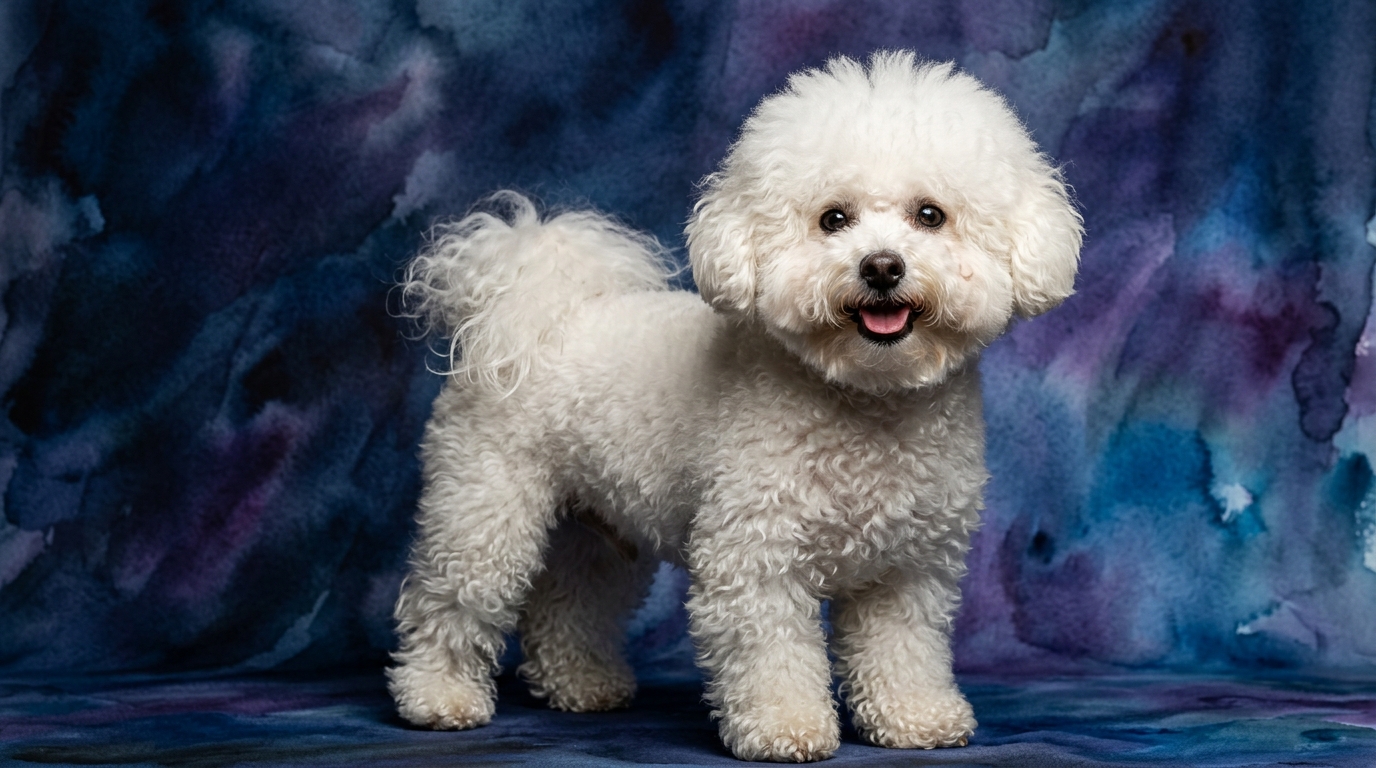
In stark contrast, the Bichon Frisé, from the Non-Sporting group, holds a Coren rank of #45, highlighting a different set of cognitive priorities. Their Problem Solving ability is rated 3/5, meaning they can solve straightforward issues but may struggle with highly abstract or multi-step challenges without guidance. Training Speed also stands at 3/5; they are certainly trainable, but typically require more repetition and consistent reinforcement to solidify new behaviors compared to their herding counterpart. Instinctive Drive is a modest 2/5, indicating a lower intrinsic motivation for work-oriented tasks, preferring companionship over a 'job.' Memory is a functional 3/5, allowing them to remember basic commands and routines but perhaps not the extensive, complex patterns of a working breed. Where the Bichon truly shines is in Social Intelligence, earning a perfect 5/5, demonstrating an exceptional ability to read and respond to human emotions, bond deeply, and adapt seamlessly to social dynamics.
The Herder's Edge: Australian Cattle Dog's Cognitive Strengths
The Australian Cattle Dog's cognitive strengths are deeply rooted in its heritage, manifesting as superior capabilities in practical and complex tasks. Their 5/5 Problem Solving means they don't just follow instructions; they can extrapolate, troubleshoot, and devise solutions in novel situations. This might look like figuring out how to open a tricky latch, navigating an intricate agility course without explicit guidance, or even moving livestock in a way that optimizes efficiency without direct command. This breed thrives on mental puzzles and can become destructive if their mind isn't regularly challenged to think and strategize.
Furthermore, their perfect 5/5 Training Speed and Memory work in tandem to create an extraordinarily capable learner. An Australian Cattle Dog can master a new command in just a few repetitions and retain that knowledge for years. This rapid acquisition of skills extends beyond basic obedience to complex sequences, such as advanced trick training, scent work, or intricate herding patterns. Their 5/5 Instinctive Drive fuels this learning, imbuing them with an intense desire to engage in purposeful activities, making them eager participants in training and work scenarios where they can channel their natural drives effectively.
The Companion's Flair: Bichon Frisé's Social Acumen
The Bichon Frisé's primary cognitive advantage lies in its exceptional Social Intelligence, a perfect 5/5, which allows them to excel in ways that breeds focused on utility tasks often do not. This high social acumen means they are incredibly adept at reading human body language, vocal tones, and emotional states, often preempting their owner's needs or moods. They possess a remarkable capacity for empathy, offering comfort when sensing distress and reciprocating joy. This makes them highly intuitive companions, capable of forming profound emotional bonds and seamlessly integrating into family life.
Their social strength extends to adaptability in various social settings. A Bichon Frisé can comfortably navigate crowded environments, new people, and different household dynamics, often charming everyone they meet with their affable and responsive nature. This makes them particularly well-suited for roles such as therapy dogs, where their ability to connect emotionally and provide comfort is paramount. While their Problem Solving and Training Speed are more moderate, their social dexterity ensures they understand the nuances of their human relationships, making them incredibly perceptive and cherished members of a household.
Training Trajectories: Understanding Ease and Engagement
When it comes to training, the Australian Cattle Dog typically presents a different experience than the Bichon Frisé. The Cattle Dog's 5/5 Training Speed means they absorb new commands with astonishing quickness, often picking up complex routines in a handful of sessions. Their high Problem Solving and Memory further enhance this, allowing them to generalize learned behaviors to new contexts and recall them reliably. However, their equally high Instinctive Drive demands consistent mental engagement; without a job or challenging activities, their cognitive prowess can manifest as boredom or destructive behaviors, requiring an owner committed to continuous, stimulating training.
The Bichon Frisé, with a 3/5 Training Speed, is certainly trainable, but typically requires more patience and repetition. While they are eager to please their human companions due to their high Social Intelligence, their lower Instinctive Drive means they may not be as intrinsically motivated by tasks alone. They respond best to positive reinforcement, short, engaging sessions, and leveraging their desire for social interaction during training. Their training focus often leans more towards manners, house-training, and social etiquette rather than complex working tasks, making them easier to manage for owners seeking a well-behaved companion rather than a working partner.
Lifestyle Harmony: Matching Breed to Owner Energy
The Australian Cattle Dog is an ideal match for active owners who relish outdoor adventures and are prepared to provide extensive mental and physical stimulation. Their 5/5 Instinctive Drive translates into a boundless need for activity, whether it's running, hiking, dog sports like agility or flyball, or actual herding. They require a significant outlet for their energy and problem-solving abilities daily; a short walk around the block will not suffice. Owners who can commit to several hours of vigorous exercise and engaging mental tasks will find an incredibly loyal and dedicated partner, but those seeking a sedentary companion will quickly find themselves overwhelmed by an under-stimulated Cattle Dog.
Conversely, the Bichon Frisé is a better fit for more relaxed owners or those with less demanding lifestyles. While they enjoy regular walks and playtime, their moderate Instinctive Drive (2/5) means they are generally content with less strenuous activity, thriving on companionship within the home. Their exceptional 5/5 Social Intelligence makes them flourish in environments where they receive ample attention and interaction, preferring to be close to their human family. They are well-suited for apartment living, provided their social and moderate exercise needs are consistently met, making them a joyful presence for owners who value close emotional bonds and a more tranquil pace.
The Verdict
For those seeking a dedicated working partner eager for complex tasks and extensive physical activity, the Australian Cattle Dog is an unparalleled choice. They demand a committed owner ready to channel their profound cognitive and physical drives into meaningful endeavors.
Conversely, the Bichon Frisé is ideal for individuals or families desiring a perceptive, adaptable companion who thrives on close social bonds and brings joy through their affectionate, intuitive nature. They flourish in environments where their emotional intelligence is valued and reciprocated.
🧠 Find Your Pet's IQ Score
Our Pet IQ Lab assessment covers 25+ tests across 5 cognitive dimensions — personalized to your breed.
Take the Full IQ Test →Frequently Asked Questions
Do Australian Cattle Dogs make good family pets?
Yes, with the right environment and dedicated training. They can be fiercely loyal and protective, but their strong herding instincts mean they might try to 'herd' children or other pets, requiring careful supervision and guidance. They need a family committed to providing ample mental and physical engagement to thrive.
Are Bichon Frisés difficult to housetrain?
While not inherently difficult, some Bichons can take longer to grasp housetraining due to their smaller bladder capacity and a potential preference for indoor comfort. Consistent routine, positive reinforcement, and patience are crucial for their success in becoming reliably house-trained.
Which breed is better for apartment living?
The Bichon Frisé is generally better suited for apartment living due to their moderate exercise needs and smaller size, thriving on indoor companionship. An Australian Cattle Dog, with its intense energy and need for space to run and work, would struggle to thrive in a typical apartment setting without exceptional commitment to outdoor activity.