Side-by-Side IQ Profile: Australian Cattle Dog vs. Keeshond
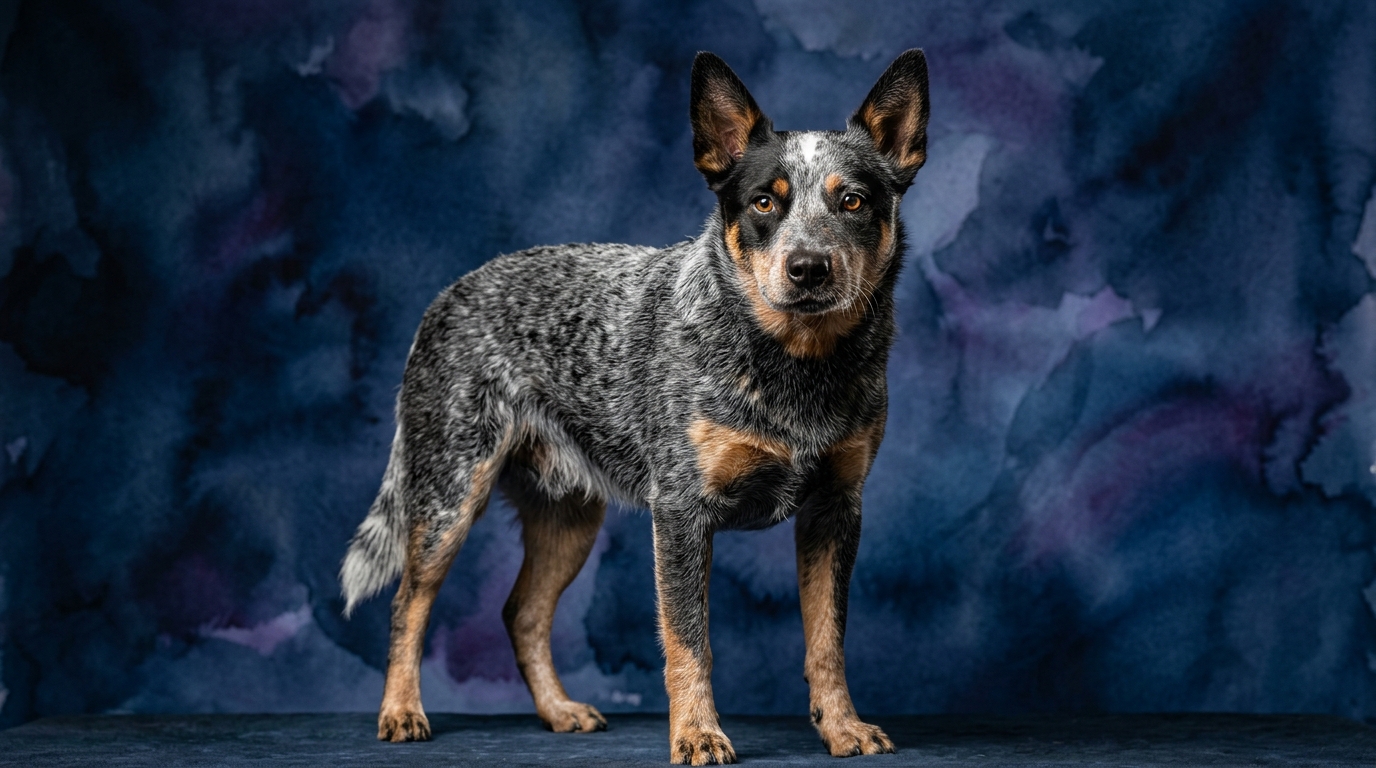
The Australian Cattle Dog, a breed forged for demanding livestock work, exhibits a robust intellectual profile. Its Problem Solving ability scores a perfect 5/5, indicating an exceptional capacity to independently assess and resolve complex situations, often without direct human instruction. Training Speed also hits 5/5, meaning these dogs absorb new commands and behaviors with remarkable alacrity, often anticipating their handler's next move. Social Intelligence stands at 3/5; while they understand human cues, their primary focus is often on tasks rather than overt emotional bonding. Their Instinctive Drive is a powerful 5/5, reflecting their profound innate desire to herd, chase, and work. Finally, Memory is a flawless 5/5, allowing them to retain vast amounts of information, from learned commands to spatial awareness of their environment, over long periods.
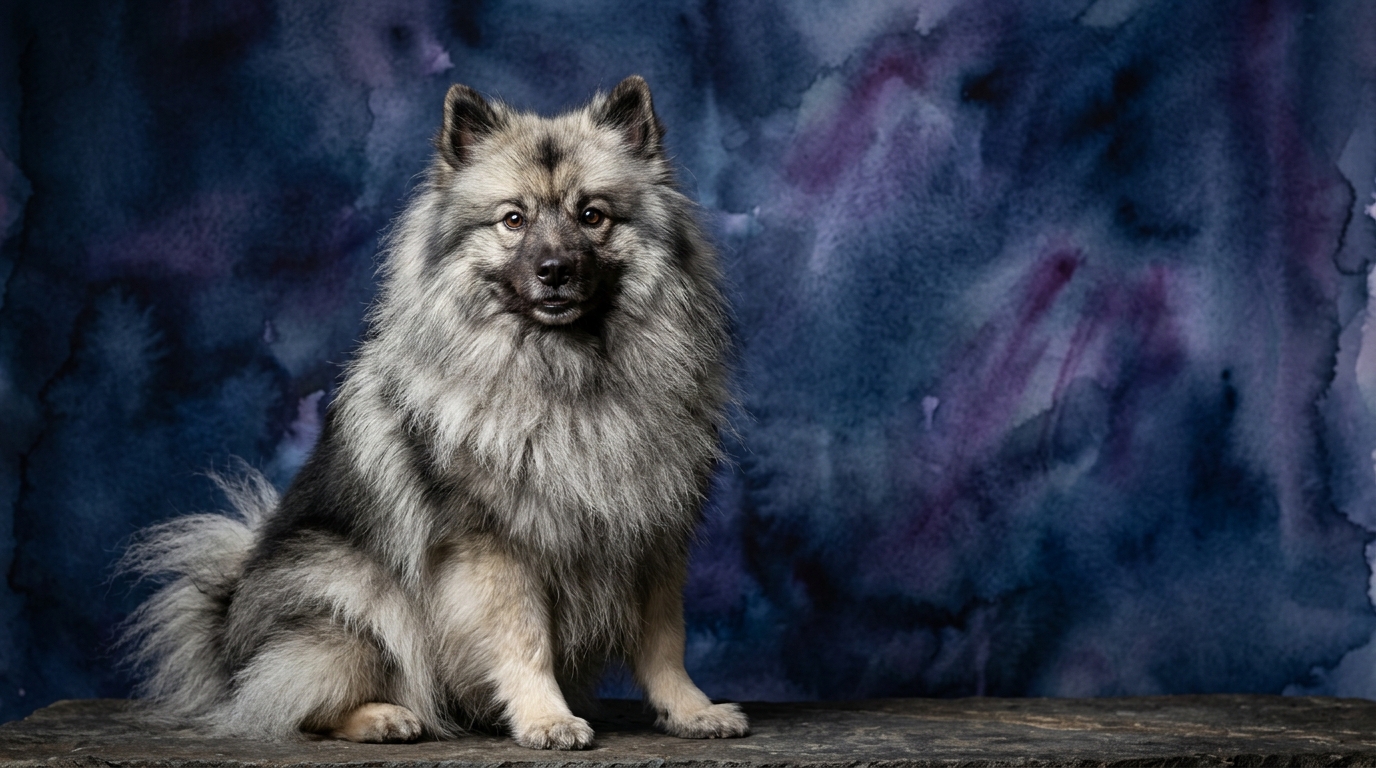
In contrast, the Keeshond, a delightful companion breed with a history as a watch and barge dog, presents a slightly different cognitive blend. Its Problem Solving capability is a strong 4/5, showing a good aptitude for figuring things out, though perhaps with a touch less independent initiative than the Cattle Dog. Training Speed is also rated 4/5, signifying that Keeshonden learn new tasks efficiently and respond well to consistent training. Social Intelligence matches the Cattle Dog at 3/5, suggesting they are attuned to their human companions but maintain a degree of independence. Their Instinctive Drive is a moderate 3/5, indicating some natural tendencies for alerting or monitoring but lacking the intense, task-oriented drive of a herding breed. Crucially, their Memory is an excellent 5/5, enabling them to remember routines, lessons, and past interactions with impressive recall.
Where the Australian Cattle Dog Wins Cognitively
The Australian Cattle Dog's cognitive advantages are pronounced in areas demanding independent thought and sustained effort. Its perfect 5/5 in Problem Solving means it excels at navigating novel situations, such as finding a lost toy in a complex environment or devising a strategy to move a stubborn animal. This isn't just about following commands; it's about genuine cognitive flexibility and strategic thinking. Coupled with a 5/5 in Instinctive Drive, the Cattle Dog possesses an inherent motivation to apply its problem-solving skills to real-world tasks, making it an unparalleled partner for complex work or dog sports requiring intricate sequences and quick decisions. Its 5/5 Training Speed means it not only understands what's asked but masters it with fewer repetitions, freeing up more time for advanced concepts. This breed's intellectual framework is geared towards constant engagement and mastery.
Where the Keeshond Wins Cognitively
While the Australian Cattle Dog excels in intense, task-driven cognition, the Keeshond's cognitive strengths lie in its balanced nature and adaptability to a companion role. Its 4/5 in Problem Solving and Training Speed demonstrates a keen mind capable of learning and adapting without the overwhelming intensity of a working breed. This means a Keeshond is less likely to 'overthink' situations or become restless if not constantly challenged with demanding mental puzzles. Its moderate 3/5 Instinctive Drive is a distinct advantage for owners seeking a family dog; it translates to less inherent compulsion to herd children or chase small animals, making it easier to integrate into a relaxed household environment without requiring constant redirection of powerful instincts. The Keeshond's 5/5 Memory ensures it remembers its manners and training, contributing to a reliable and pleasant home life without the need for endless refreshers.
Which is Easier to Train and Why?
When considering ease of training, the Australian Cattle Dog, with its 5/5 Training Speed and 5/5 Problem Solving, generally picks up new commands and complex sequences at a faster rate. Their inherent drive to work and please, combined with their quick grasp of concepts, means they often require fewer repetitions to solidify a behavior. However, this ease of learning comes with a caveat: their powerful 5/5 Instinctive Drive requires consistent, engaging, and challenging training to channel their energy constructively. Without sufficient mental and physical outlets, their intelligence and drive can lead to independent problem-solving that might not align with human expectations, such as finding their own 'job' around the house.
The Keeshond, scoring 4/5 in Training Speed and Problem Solving, is certainly trainable and enjoys learning, but typically progresses at a slightly more moderate pace. They may require more consistent positive reinforcement and patience compared to the lightning-fast Cattle Dog. Their 3/5 Instinctive Drive means they are less likely to become frustrated or destructive if not given intense daily 'work,' making them easier to manage for an average owner. Training a Keeshond is more about gentle encouragement and making learning enjoyable, rather than managing an intense work ethic. While they may not master advanced obedience as rapidly, their agreeable nature often makes the training process itself a more relaxed and bonding experience for many owners.
Which Suits Active Owners vs. Relaxed Owners
The cognitive makeup of the Australian Cattle Dog firmly places it in the active owner category. Their 5/5 Problem Solving and 5/5 Instinctive Drive mean they thrive when given a purpose and consistent mental and physical challenges. Owners who enjoy dog sports like agility, herding, flyball, or advanced obedience will find an eager and capable partner in a Cattle Dog. Their need for engagement means they require an owner who can dedicate significant time daily to structured activities, training sessions, and vigorous exercise. A relaxed owner who cannot meet these demands will likely find their Cattle Dog creating its own, potentially undesirable, forms of entertainment born from boredom.
The Keeshond, with its 4/5 Problem Solving and 3/5 Instinctive Drive, is an excellent fit for owners seeking a clever and engaging companion who doesn't demand a rigorous daily work schedule. While they certainly benefit from regular walks, play, and mental stimulation like puzzle toys or basic obedience, they are less prone to becoming restless or destructive if a day is less action-packed. Their intelligence allows them to be charming and responsive companions, but their lower inherent drive means they are content to be part of family life without needing a constant 'job.' They suit owners who appreciate a clever dog for companionship and moderate activity, rather than a high-octane working partner.
The Verdict
Choose the Australian Cattle Dog if you are an experienced, active owner seeking a highly driven, independent problem-solver for demanding sports, work, or extensive training. Be prepared to channel their immense cognitive and physical energy daily.
Opt for the Keeshond if you desire a clever, personable companion dog who is adaptable to a family lifestyle and enjoys moderate mental and physical engagement without requiring an intense daily 'job'.
🧠 Find Your Pet's IQ Score
Our Pet IQ Lab assessment covers 25+ tests across 5 cognitive dimensions — personalized to your breed.
Take the Full IQ Test →Frequently Asked Questions
Do Australian Cattle Dogs bark a lot?
Australian Cattle Dogs tend to be alert and vocal, often using barks to communicate or alert their owners. Their high instinctive drive means they are quick to notice changes and might bark at perceived threats or during play, requiring consistent training to manage.
Are Keeshonden good with children?
Keeshonden generally possess a friendly and adaptable nature, making them good companions for children when properly socialized. Their moderate instinctive drive means they are less likely to exhibit strong herding behaviors towards kids, promoting a harmonious household.
Which breed is more prone to destructive behaviors if bored?
The Australian Cattle Dog, with its 5/5 problem-solving and instinctive drive, is significantly more prone to destructive behaviors like chewing or digging if not provided with sufficient mental and physical stimulation. The Keeshond, while still needing engagement, is generally less inclined to such extremes due to its more moderate drive.