Side-by-Side Cognitive Profiles
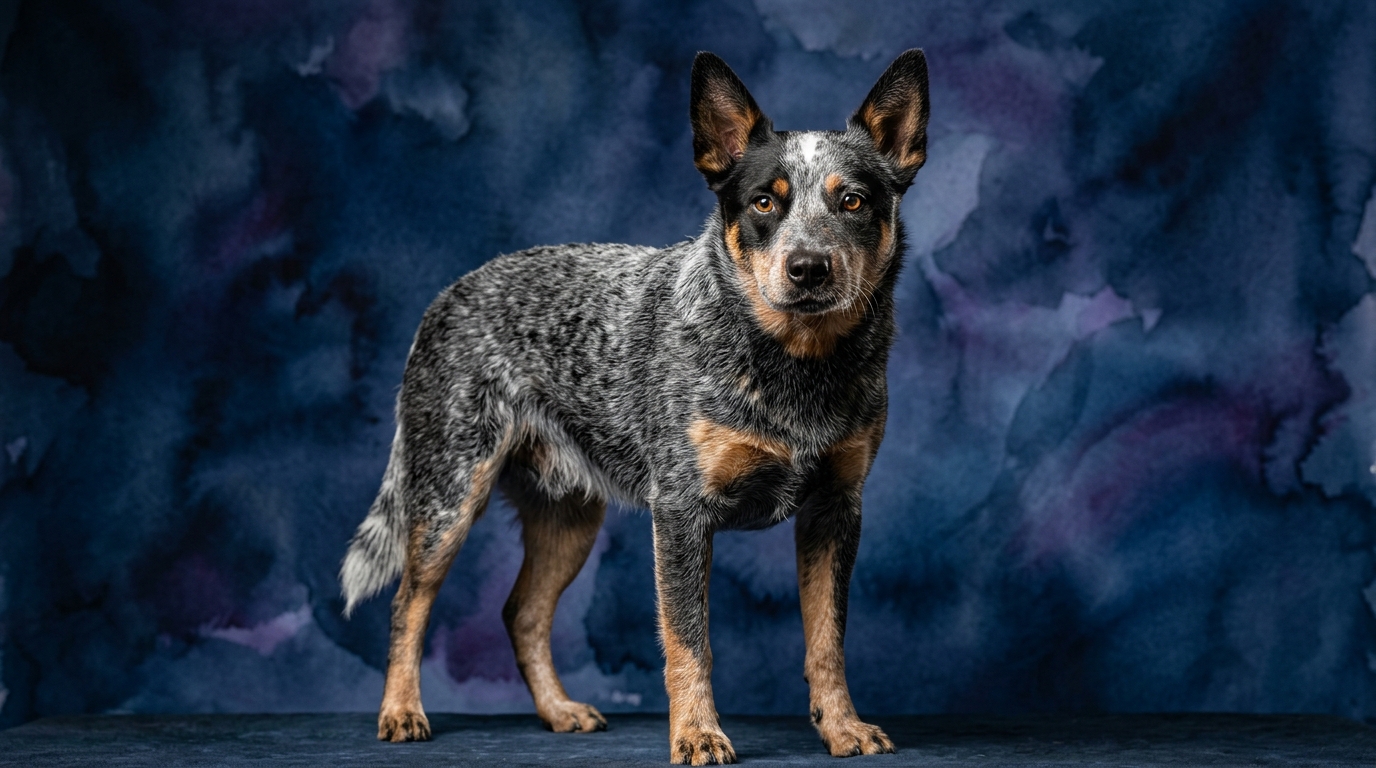
The Cosmic Pet Pet IQ Lab employs a five-dimensional framework to assess canine intelligence, offering a nuanced view beyond simple ranking. For the Australian Cattle Dog (ACD), ranked #10 by Coren, its profile paints a picture of exceptional cognitive prowess. Its Problem Solving is rated 5/5, indicating an outstanding capacity to independently strategize and overcome complex obstacles. Training Speed also sits at a top-tier 5/5, meaning new commands and intricate sequences are grasped with remarkable swiftness and minimal repetition. Social Intelligence is marked 3/5, suggesting an ability to interpret human cues within its working context, though it can be reserved or intensely focused on its primary handler rather than broad social engagement. Instinctive Drive is a profound 5/5, reflecting deeply ingrained, powerful herding behaviors and a strong inherent drive to work. Finally, Memory is a perfect 5/5, demonstrating an impressive ability to recall routines, learned behaviors, and past experiences over extended periods.
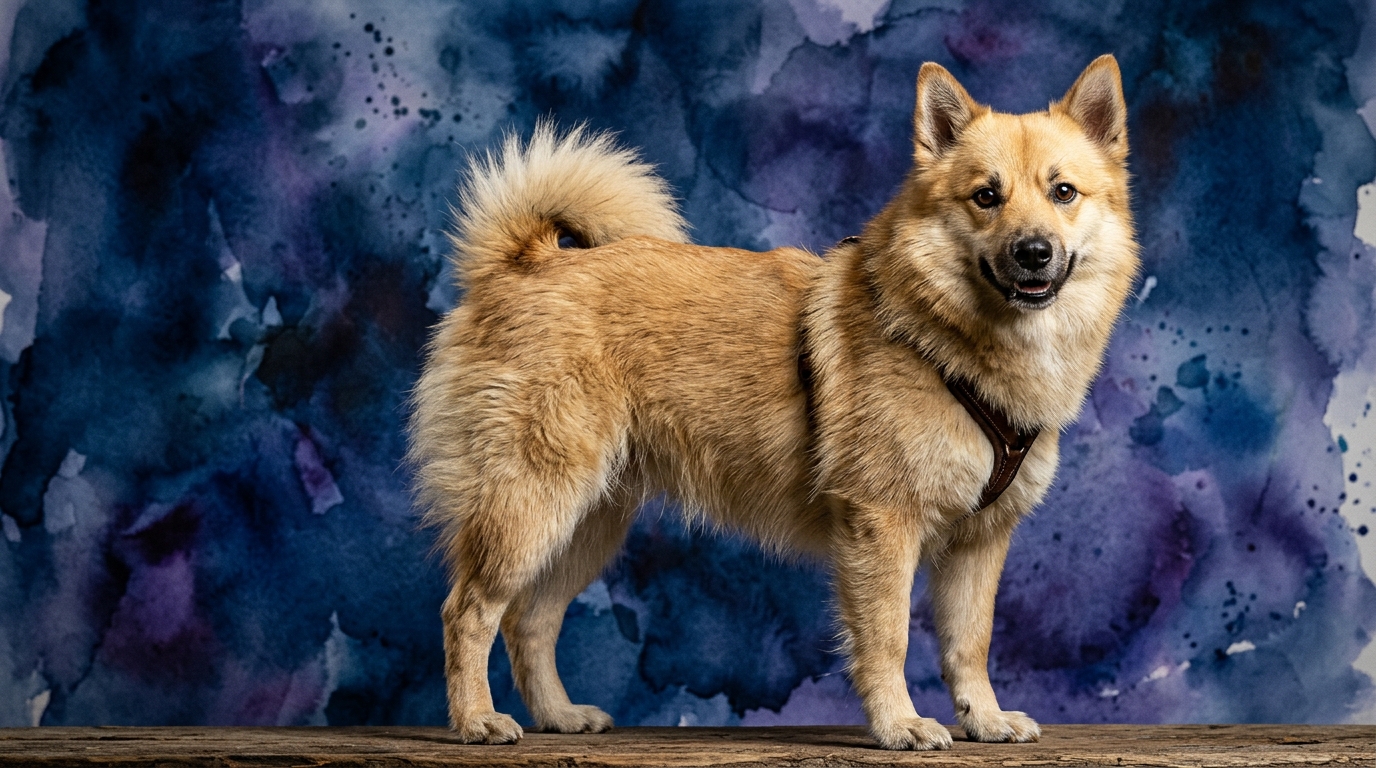
In contrast, the Norwegian Buhund, while not Coren-ranked, presents a balanced and capable cognitive profile. Its Problem Solving is rated 3/5, indicating a solid ability to tackle practical challenges, though it might rely more on trial-and-error or seek human guidance compared to the ACD’s independent strategizing. Training Speed is also 3/5, signifying a steady learning pace that benefits from consistent reinforcement and regular practice rather than instant comprehension. The Buhund’s Social Intelligence mirrors the ACD’s at 3/5, typically manifesting as an affectionate and attentive disposition towards its family, adept at reading familiar social cues within its immediate circle. Its Instinctive Drive is 3/5, meaning it possesses inherent herding traits, but generally with less intensity and obsessive focus than the ACD, allowing for greater adaptability in non-working roles. Memory is also 3/5, allowing it to retain information adequately, though consistent refreshers help solidify learned behaviors and routines.
Where the Australian Cattle Dog Excels Cognitively
The Australian Cattle Dog's cognitive profile reveals several areas of exceptional performance. Its 5/5 rating in Problem Solving signifies a dog that doesn't just react but actively thinks through situations. This breed excels at figuring out how to open gates, outmaneuver livestock, or solve complex puzzle toys with little to no human intervention. Owners frequently observe them devising novel solutions to challenges, often with a strategic foresight that can be both impressive and, at times, mischievous.
Similarly, the ACD's 5/5 Training Speed is a testament to its rapid absorption of new information. This isn't just about learning basic commands quickly; it's about mastering intricate multi-step sequences, complex agility courses, or advanced obedience routines with fewer repetitions than most breeds. Their profound Memory (5/5) underpins this, ensuring that once a task or command is learned, it is retained with remarkable clarity, allowing for consistent performance over time. This memory extends to remembering specific routines, environmental layouts, and even past interactions, shaping their responses in future scenarios. Coupled with a 5/5 Instinctive Drive, their inherent herding tendencies are deeply hardwired, making them supremely proficient at their original purpose and channeling this drive into various working dog sports or tasks.
Where the Norwegian Buhund's Cognitive Profile Offers Distinct Advantages
While the Australian Cattle Dog often demonstrates higher scores in raw cognitive power, the Norwegian Buhund’s balanced profile offers unique advantages, particularly for certain lifestyles. Its 3/5 Instinctive Drive, for instance, means that while it possesses clear herding tendencies, these are generally less intense and obsessive than the ACD's profound drive. This can be a significant 'win' for owners who appreciate the intelligence and activity of a herding breed but prefer a dog whose instincts are more manageable in a non-working home environment, making redirection easier and less prone to constant, demanding outlets.
The Buhund's 3/5 in Social Intelligence, while matching the ACD's score, often manifests differently. Buhunds typically display a more broadly amiable and outgoing demeanor, often eager to engage with family members and friendly strangers alike. This can make them more adaptable in varied social settings and potentially more broadly appealing to families seeking a generally convivial companion, whereas an ACD's 3/5 might lean towards a more reserved, task-focused social style. Furthermore, its 3/5 Problem Solving, while not as independently strategic as the ACD, often means the Buhund is less likely to 'outsmart' its owner in unwanted ways or create its own disruptive 'jobs.' They may be more inclined to seek human input for solutions, fostering a collaborative problem-solving dynamic that many owners find rewarding.
Ease of Training: Behavioral Differences Unpacked
When considering ease of training, the raw scores tell part of the story, but behavioral implications paint a fuller picture. The Australian Cattle Dog, with its 5/5 Training Speed and 5/5 Memory, is undeniably quick to learn and retains information exceptionally well. This means fewer repetitions are needed for a command to stick, and complex sequences can be mastered rapidly. However, their 5/5 Problem Solving and 5/5 Instinctive Drive also mean they are adept at training themselves to do things you might not want, like opening doors or herding children, if their minds aren't adequately challenged and their drives aren't appropriately channeled. Their intense focus and high energy necessitate a highly consistent, knowledgeable, and engaging handler who can stay a step ahead and provide a structured 'job.' Without this, their sharp intellect can lead to destructive behaviors or an independent streak that's challenging for inexperienced owners.
The Norwegian Buhund, with its 3/5 Training Speed and 3/5 Memory, learns at a steady, reliable pace. This means training requires more consistent repetition and patience, but it's generally a more straightforward process for a novice owner. Their 3/5 Instinctive Drive is present but less overwhelming, making them less prone to obsessive herding behaviors or intense prey drive that can be difficult to manage. Buhunds are often eager to please and generally more collaborative in their approach to learning, which can make the training journey less confrontational. While they won't pick up new tricks as instantaneously as an ACD, their willingness to work with their owner and their slightly less intense mental demands can make them a more forgiving and enjoyable training partner for those who appreciate a gradual, consistent approach.
Owner Suitability: Active vs. Relaxed Lifestyles
The choice between an Australian Cattle Dog and a Norwegian Buhund hinges significantly on an owner's lifestyle and experience. The Australian Cattle Dog is unequivocally suited for highly active owners who thrive on constant engagement and possess significant dog handling experience. Their intense 5/5 Instinctive Drive, coupled with their high Problem Solving and boundless energy, means they demand a consistent 'job' — be it herding, advanced dog sports like agility or flyball, or demanding obedience. A relaxed owner will quickly find themselves overwhelmed by an ACD's unmet mental and physical needs, which can manifest as destructive behavior, excessive barking, or attempts to 'herd' family members. They are not dogs for casual strolls or infrequent mental stimulation; they require a partnership built on purpose and rigorous activity.
The Norwegian Buhund, while still an active breed, offers more flexibility for owners who are active but perhaps less extreme in their dedication to dog sports or working roles. Its 3/5 Instinctive Drive and more balanced cognitive profile mean it still requires regular exercise and mental engagement, enjoying activities like hiking, jogging, or scent work. However, it can adapt more readily to varied daily routines and might be more content with a slightly less intense schedule than an ACD. Buhunds can be excellent companions for active families who enjoy outdoor adventures and are committed to daily training and play, but they may be less demanding of a constant, high-stakes 'job.' They are not suited for truly relaxed, sedentary owners, but they offer a more adaptable option for those seeking an engaged, yet slightly less intensely driven, canine partner.
The Verdict: When to Choose Each Breed
The Verdict
Choose the Australian Cattle Dog if you are an experienced, highly active owner seeking an intensely focused working partner for demanding sports, herding, or complex training, capable of meeting its profound mental and physical needs.
Choose the Norwegian Buhund if you are an active family or individual looking for a versatile, amiable companion, willing to engage in consistent training and varied activities, appreciating a balanced drive that is present but more manageable.
🧠 Find Your Pet's IQ Score
Our Pet IQ Lab assessment covers 25+ tests across 5 cognitive dimensions — personalized to your breed.
Take the Full IQ Test →Frequently Asked Questions
Are Australian Cattle Dogs suitable for first-time dog owners?
Generally, Australian Cattle Dogs are not recommended for first-time dog owners due to their intense drives, high energy, and sophisticated problem-solving abilities. They require a confident, consistent handler with a deep understanding of canine behavior to channel their intelligence effectively.
What kind of mental stimulation does a Norwegian Buhund need daily?
Norwegian Buhunds thrive on daily mental engagement through puzzle toys, obedience training sessions, scent work, or learning new tricks. While not as intensely demanding as an ACD, they still require consistent mental challenges to prevent boredom and promote well-being.
How do their herding instincts typically manifest in a non-working home environment?
An Australian Cattle Dog's strong herding instinct (5/5) often manifests as nipping at heels, circling family members, or intense focus on movement, requiring constant management. A Norwegian Buhund's instinct (3/5) is usually less intense, showing as alert barking or gathering family, generally more amenable to redirection and less prone to obsessive behaviors.