Side-by-Side IQ Profile: Australian Cattle Dog vs. Nova Scotia Duck Tolling Retriever
The Cosmic Pet Pet IQ Lab employs a five-dimensional framework to assess canine intelligence, providing a detailed lens through which to understand each breed's unique cognitive strengths. These dimensions—Problem Solving, Training Speed, Social Intelligence, Instinctive Drive, and Memory—reveal how each dog perceives, processes, and interacts with their world.
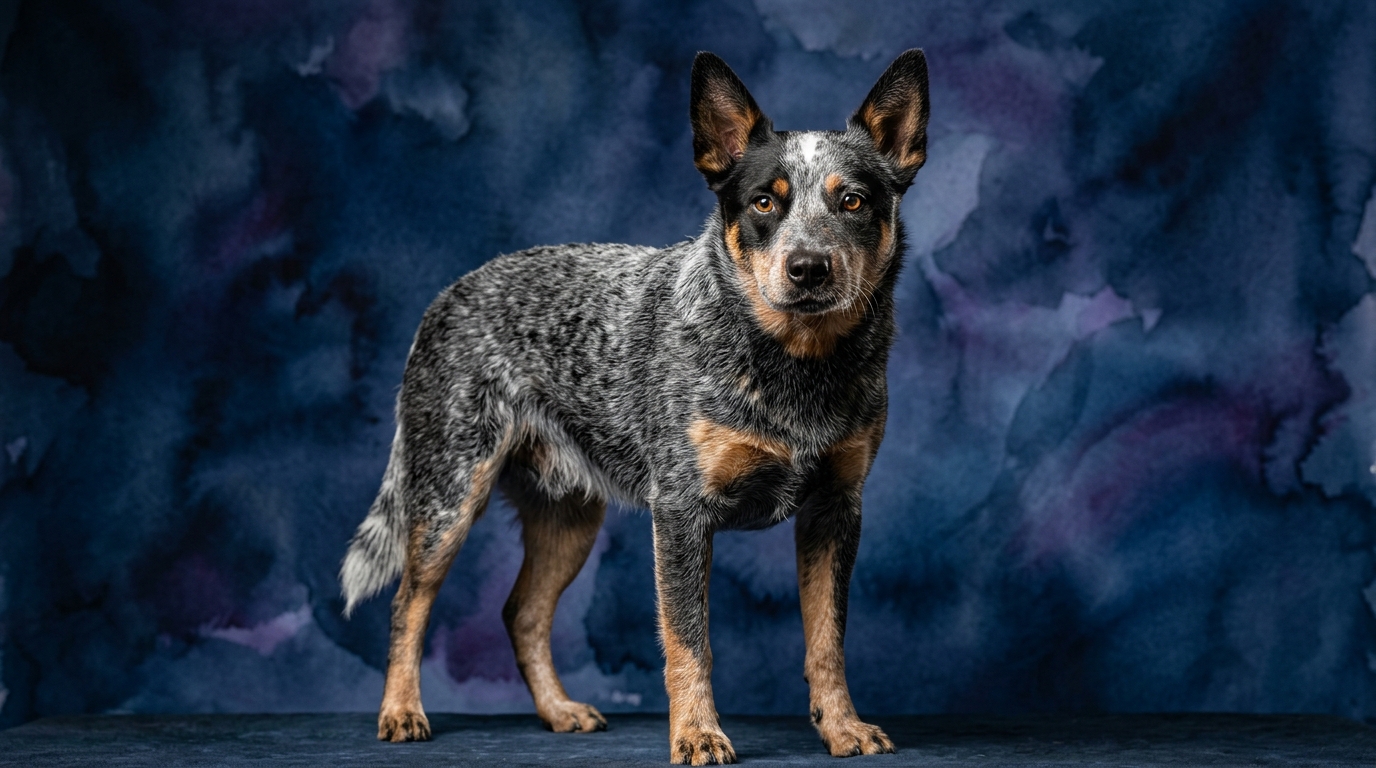
**Australian Cattle Dog (ACD) IQ Profile:**
**Problem Solving (5/5):** The ACD exhibits exceptional capacity for independent thought and strategic planning, often devising novel solutions to obstacles, particularly in dynamic herding scenarios. Their minds are constantly analyzing and adapting.
**Training Speed (5/5):** These dogs grasp new commands and complex sequences with remarkable rapidity, frequently needing only a few repetitions to integrate a new behavior into their repertoire. Their eagerness to engage mentally translates to swift learning.
**Social Intelligence (3/5):** ACDs form deep bonds with their primary handlers and family but can be reserved or discerning with strangers. Their social interactions are often purposeful, less about generalized friendliness and more about assessing roles and situations.
**Instinctive Drive (5/5):** An incredibly potent herding instinct defines the ACD, compelling them to manage and control movement. This drive is a fundamental aspect of their being, requiring consistent channeling and engagement.
**Memory (5/5):** Their recall of commands, routines, and past experiences, including complex sequences and environmental layouts, is outstanding. They retain learned information over long periods, making them reliable partners for intricate tasks.
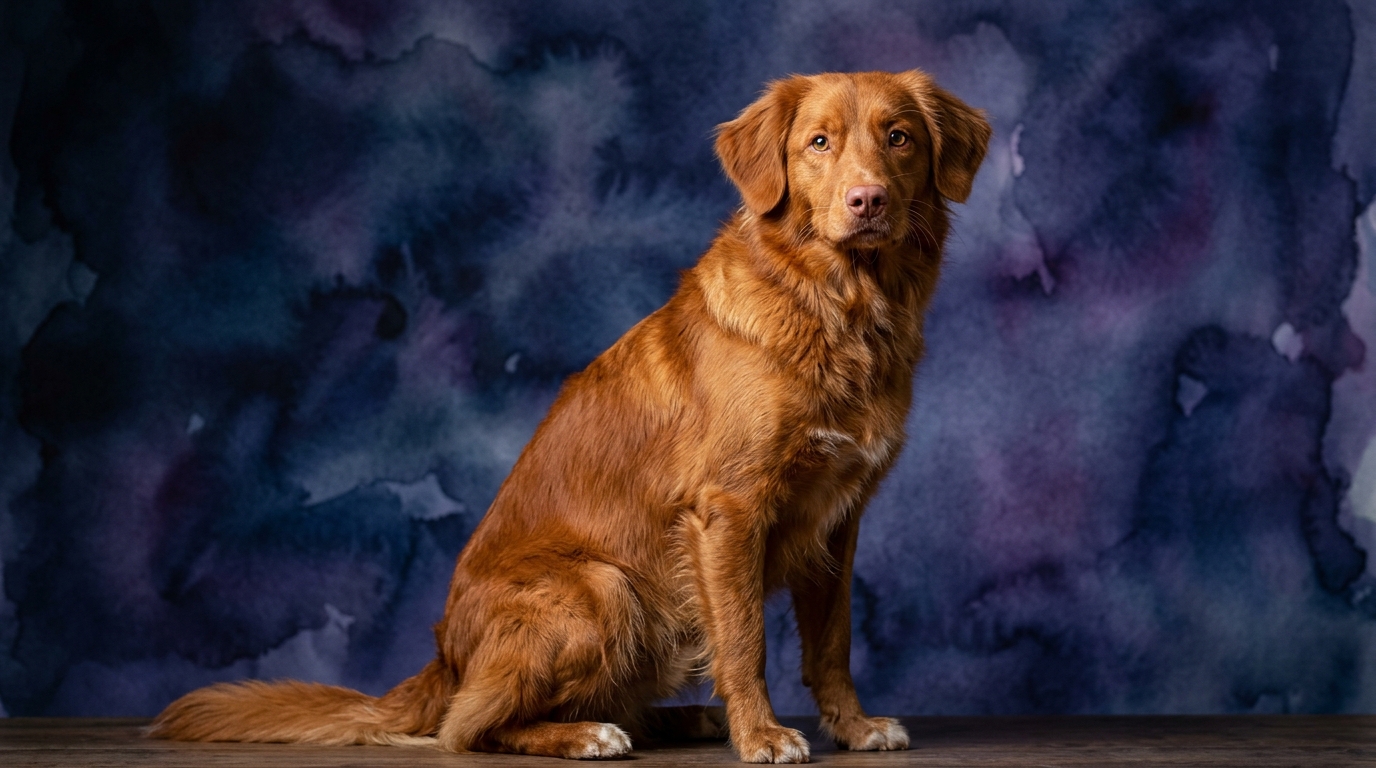
**Nova Scotia Duck Tolling Retriever (NSDTR) IQ Profile:**
**Problem Solving (3/5):** Tollers are capable of navigating straightforward challenges and learning established routines effectively. While not typically innovators of novel solutions like some breeds, they excel at applying learned methods to achieve specific goals.
**Training Speed (3/5):** Tollers require consistent, positive reinforcement and a moderate number of repetitions to master new commands. They are certainly trainable, but their learning curve is generally more gradual compared to the instantaneous grasp of a high-drive working breed.
**Social Intelligence (3/5):** Generally friendly and affable within their family unit, Tollers can display a degree of reserve or caution with unfamiliar individuals. They are attuned to their human companions' moods and social cues, fitting well into a family structure.
**Instinctive Drive (3/5):** Their core drive centers around retrieving and the unique 'tolling' behavior—luring waterfowl. This instinct is strong but typically more focused and less broadly applied than a herding dog's drive, making it manageable for specific tasks.
**Memory (3/5):** Tollers possess a solid memory for commands, routines, and the locations of objects, which is crucial for their retrieving work. They reliably remember learned behaviors and familiar environments, ensuring consistent performance in their tasks.
Where the Australian Cattle Dog Wins Cognitively
The Australian Cattle Dog's cognitive strengths are profoundly shaped by its history as a livestock drover, requiring a dog capable of independent decision-making far from human instruction. With a Coren rank of #10, the ACD demonstrates a superior ability in Working and Obedience Intelligence, manifesting as a profound capacity for complex, multi-stage problem-solving. They don't just follow commands; they anticipate, strategize, and adapt their approach based on real-time environmental feedback, a critical skill when managing a herd.
This breed's top scores in Problem Solving (5/5), Training Speed (5/5), and Memory (5/5) highlight an unparalleled mental agility. An ACD can quickly learn intricate sequences of tasks, retain them flawlessly, and then apply that knowledge to novel situations, often without direct cues. Their instinctive drive isn't just about movement; it's about intelligent control, requiring them to outthink animals and navigate challenging terrain, making them adept at tasks demanding both physical prowess and mental finesse.
Where the Nova Scotia Duck Tolling Retriever Wins Cognitively
While not Coren-ranked, the Nova Scotia Duck Tolling Retriever's cognitive profile is perfectly tailored for its specialized role: luring and retrieving waterfowl. Their strengths lie in focused endurance for repetitive tasks and cooperative work within a team, rather than independent, strategic problem-solving. A Toller excels at sustained attention on a single objective—the retrieving of a thrown object—and performing this action repeatedly with enthusiasm and precision.
The Toller's cognitive advantage is rooted in their adaptability for a specific purpose and their capacity for consistent, reliable performance under instruction. Their instinctive drive (3/5) is less about broad control and more about a dedicated pursuit, allowing them to remain highly task-oriented without the independent redirection that might characterize a herding breed. This focused energy, combined with solid memory (3/5) and social intelligence (3/5), makes them exceptional at collaborative, repetitive tasks that demand unwavering commitment to a specific goal.
Which is Easier to Train and Why
When assessing ease of training, it's crucial to distinguish between a dog's capacity to learn rapidly and its overall manageability in a typical training scenario. The Australian Cattle Dog, with a Training Speed of 5/5, absorbs new commands at an astonishing rate. They can learn complex tasks with minimal repetitions and possess an innate desire to work and please their primary handler. However, their equally high Problem Solving (5/5) and Instinctive Drive (5/5) mean they are also prone to thinking for themselves and can become bored or destructive if not consistently challenged. Their intelligence can make them *challenging* to live with if their mental and physical needs aren't met, as they may devise their own 'jobs' which might not align with human expectations.
The Nova Scotia Duck Tolling Retriever, with a Training Speed of 3/5, requires more patience and repetition to master new skills. They learn steadily, responding well to positive reinforcement and consistency. Their Instinctive Drive (3/5), while present, is typically more focused on retrieving and less on independent herding maneuvers, which can make them more pliable for *specific* training goals. Tollers are generally eager to please and less inclined to 'outsmart' their owners compared to an ACD, making their training journey more predictable and, for many owners, less demanding in terms of constant mental engagement and redirection.
Which Suits Active Owners vs. Relaxed Owners
For owners seeking a partner for intense physical activity and profound mental engagement, the Australian Cattle Dog is an undeniable match. Their relentless Instinctive Drive (5/5) and Problem Solving (5/5) mandate a lifestyle filled with purpose, whether it's herding, advanced obedience, agility, or extensive outdoor adventures. An ACD is not a dog content with short walks and occasional play; they require a 'job' to feel fulfilled, making them ideal for highly active, experienced owners who understand the demands of a working breed and can commit to daily rigorous activity and mental puzzles.
The Nova Scotia Duck Tolling Retriever, while certainly active, represents a different kind of energy. Their Instinctive Drive (3/5) for retrieving means they thrive on structured play, long walks, swimming, and canine sports like dock diving or fetch. They are well-suited for active owners who enjoy outdoor activities and consistent training, but perhaps without the same intensity or independent problem-solving demands as an ACD. A Toller can be content with a good daily exercise routine and focused mental games, making them a fit for active families who appreciate a dedicated, playful companion but may not be equipped for the constant mental management an ACD requires.
The Verdict: When to Choose Each
The Verdict
Choose an Australian Cattle Dog if you are an experienced, highly active individual or family seeking a truly co-working partner for complex tasks, competitive dog sports, or a working role, and can commit to extensive daily mental and physical stimulation.
Opt for a Nova Scotia Duck Tolling Retriever if you are an active owner who enjoys consistent outdoor activities, retrieving games, and structured training, seeking a dedicated, playful companion who thrives on focused engagement and family participation.
🧠 Find Your Pet's IQ Score
Our Pet IQ Lab assessment covers 25+ tests across 5 cognitive dimensions — personalized to your breed.
Take the Full IQ Test →Frequently Asked Questions
Are Australian Cattle Dogs good family pets?
Australian Cattle Dogs can be good family pets, especially for active, experienced families who understand their specific needs. Their Social Intelligence (3/5) means they bond deeply with their immediate family but can be reserved with strangers and may attempt to 'herd' children, requiring careful supervision and training to ensure appropriate interactions.
What kind of mental exercise do Tollers need?
Nova Scotia Duck Tolling Retrievers require regular mental exercise that taps into their retrieving drive and problem-solving skills (3/5). This can include scent work, puzzle toys, learning new tricks, obedience training, and consistent sessions of fetch or retrieving games, all of which help satisfy their instinctive urges and keep their minds engaged.
How do their Coren ranks compare and what does it mean?
The Australian Cattle Dog is Coren-ranked at #10, indicating a superior capacity for working and obedience intelligence, aligning with their high Problem Solving and Training Speed. The Nova Scotia Duck Tolling Retriever is not Coren-ranked, which doesn't imply a lack of intelligence but rather that its specific aptitudes are centered on its specialized 'tolling' and retrieving work, which wasn't the primary focus of Coren's ranking methodology.