Side-by-Side IQ Profile: Australian Cattle Dog vs. Pembroke Welsh Corgi
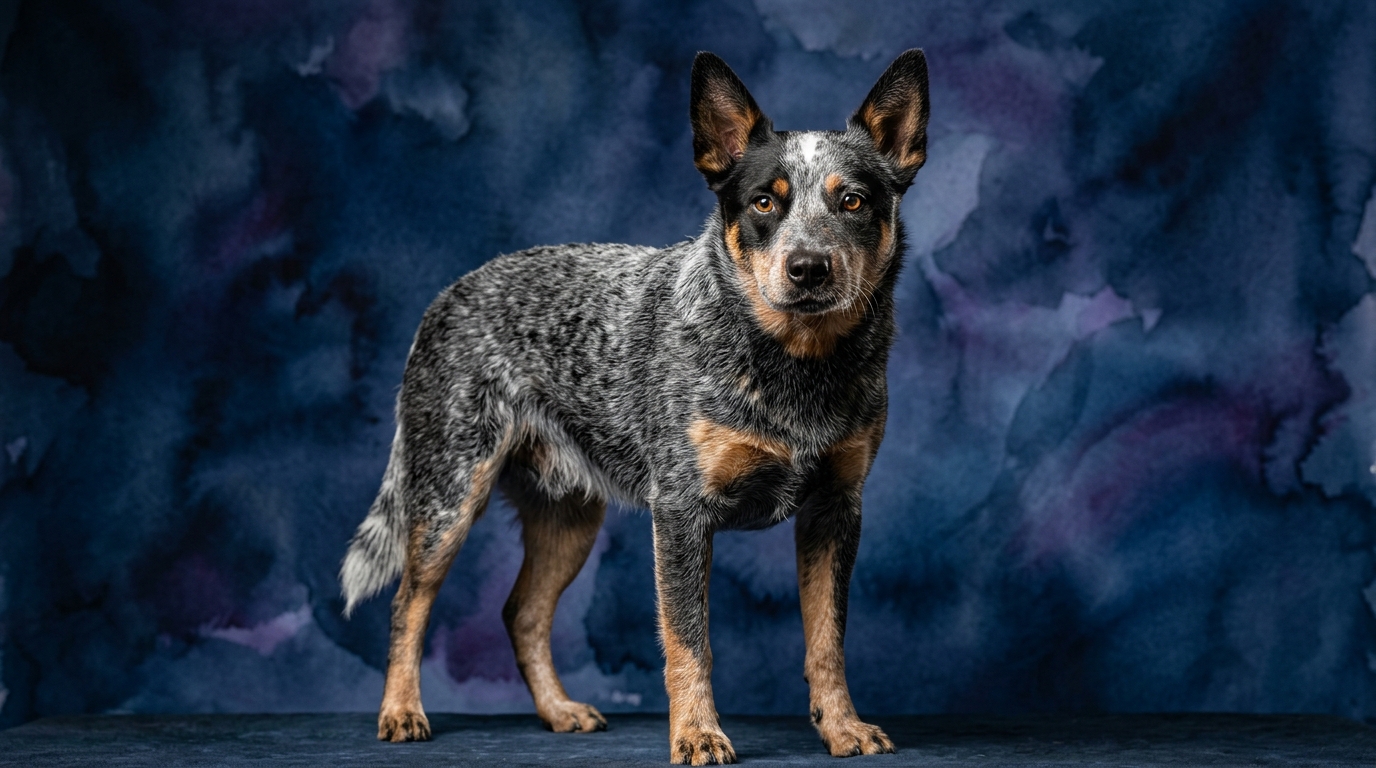
At The Cosmic Pet Pet IQ Lab, we dissect canine intelligence across five critical dimensions, providing a granular view of what makes each breed tick. For the Australian Cattle Dog (ACD), ranked #10 by Coren, its profile paints a picture of intense mental prowess: a perfect 5/5 in Problem Solving signifies an exceptional capacity to independently analyze situations and devise solutions, often with surprising ingenuity. Their Training Speed also scores a flawless 5/5, indicating a rapid absorption of new commands and routines, requiring minimal repetition to master tasks. However, their Social Intelligence registers at 3/5, suggesting a more selective approach to social interactions, often prioritizing task completion over broad social engagement and potentially being less overtly expressive of their social needs. A powerful 5/5 in Instinctive Drive underscores their profound innate desire to herd and work, channeling ancient instincts into focused, purposeful activity. Finally, their Memory is rated 5/5, showcasing an outstanding ability to recall complex sequences, past experiences, and learned behaviors over extended periods, making them formidable learners and strategists.
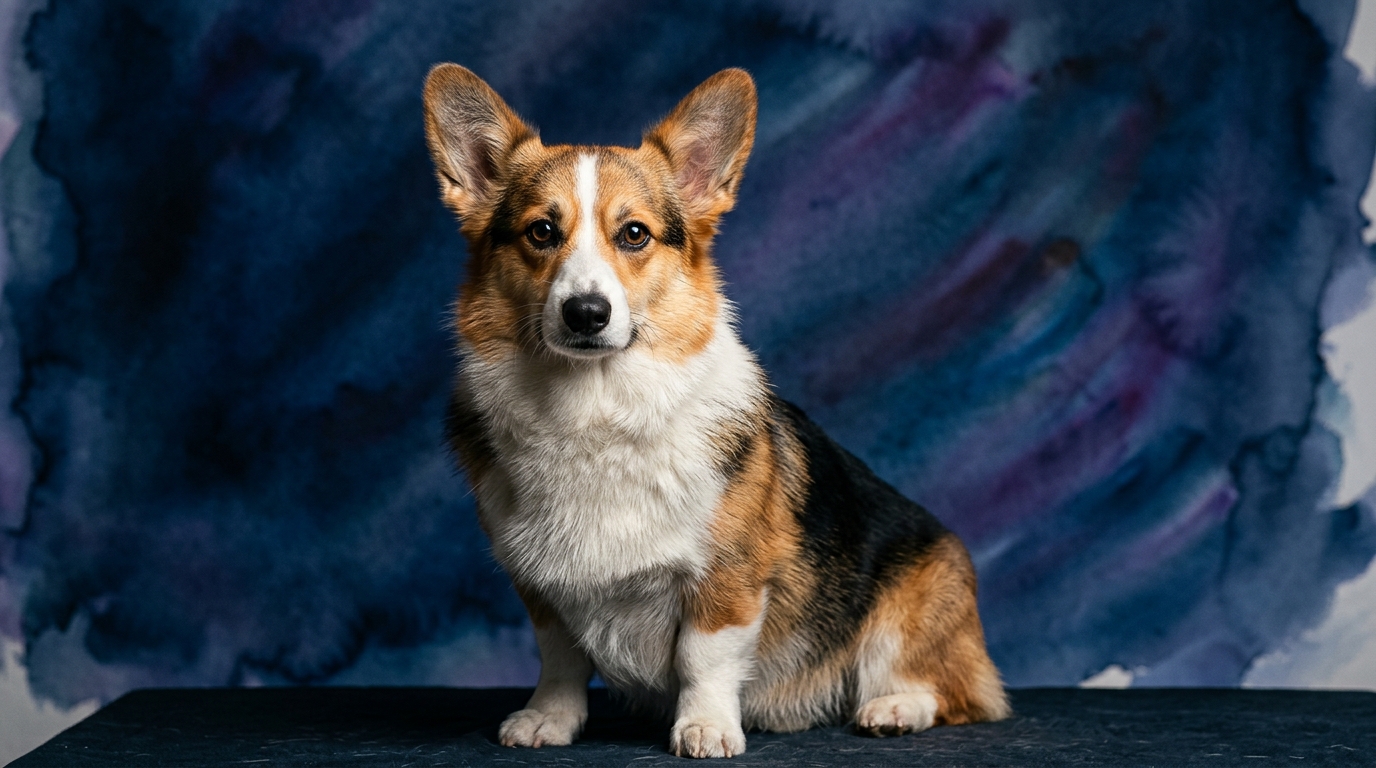
The Pembroke Welsh Corgi, hot on the ACD's heels at Coren rank #11, presents a slightly different yet equally compelling cognitive blueprint. Their Problem Solving capability stands at a robust 4/5, indicating a strong aptitude for navigating challenges and finding effective solutions, though perhaps with a touch more reliance on guidance or learned patterns compared to the ACD's independent ingenuity. Like the ACD, their Training Speed is a remarkable 5/5, highlighting their eagerness and quickness in picking up new commands and behaviors. Where the Corgi shines distinctively is in Social Intelligence, scoring 4/5; they are typically more attuned to human emotional states and social cues, often seeking interaction and thriving on companionship within their family unit. Their Instinctive Drive, also a perfect 5/5, reveals a potent herding impulse, manifest in their characteristic low-to-the-ground maneuvers and a drive to manage movement, often targeting heels. A solid 4/5 in Memory means they retain commands and routines effectively, building a strong repertoire of learned behaviors, although the most intricate, multi-layered tasks might require slightly more reinforcement than for their ACD counterparts.
Where the Australian Cattle Dog Wins Cognitively
The Australian Cattle Dog truly excels in scenarios demanding independent thought and sustained recall. Their 5/5 in Problem Solving means they aren't just following commands; they are actively assessing and strategizing. Owners frequently observe ACDs figuring out complex puzzles, like how to open a child-proof gate or retrieve a toy from an inaccessible spot, not through brute force but through methodical trial and error, often surprising with their novel approaches. This capacity for autonomous reasoning extends to their work ethic, where they can adapt to changing conditions on a farm or in an agility course without constant human direction. Paired with a 5/5 Memory, an ACD can retain intricate sequences of commands or multi-step tasks for extended periods, making them exceptional candidates for advanced obedience, tracking, or competitive dog sports where complex routines are the norm. They don't just remember *what* to do; they remember *how* they figured it out.
Where the Pembroke Welsh Corgi Wins Cognitively
The Pembroke Welsh Corgi's cognitive edge lies primarily in its superior Social Intelligence, scoring a 4/5 compared to the ACD’s 3/5. This higher social acumen translates into a dog generally more attuned to human emotions and social dynamics within a household. Corgis often demonstrate a greater sensitivity to their owner's mood, responding to subtle shifts in tone or body language, which can foster a deeply empathetic bond. They are typically more adaptable to various social situations, often greeting new people with more openness and integrating smoothly into multi-pet households, provided proper introductions. This social awareness makes them delightful companions who often seem to 'understand' what their human is feeling, making them particularly adept at forming strong, responsive family connections and excelling in roles where social interaction is key, such as therapy work.
Which is Easier to Train and Why
Both breeds boast an impressive 5/5 in Training Speed, indicating they absorb new information with remarkable quickness. However, 'easier' in training isn't solely about speed; it also encompasses biddability and motivation. The Corgi's higher Social Intelligence (4/5) often makes them more eager to please their human companions, responding well to positive reinforcement and social praise. Their motivation often stems from interaction and connection, making them generally cooperative in structured training sessions. Conversely, while the ACD also learns commands rapidly, their formidable Problem Solving (5/5) and Instinctive Drive (5/5) can sometimes translate into a training challenge for the inexperienced owner. An ACD might quickly grasp a command but then independently decide if executing it aligns with its own perceived 'job' or if there's a more efficient way to achieve the desired outcome. They require an owner who can consistently outthink them, provide clear purpose, and channel their intense drive, otherwise, they might 'train' their owner instead. Therefore, for most owners, the Corgi might feel 'easier' due to its inherent social cooperativeness, while the ACD demands a more sophisticated and engaging training partnership.
Which Suits Active Owners vs. Relaxed Owners
Owners with a highly active lifestyle, particularly those involved in dog sports, farm work, or extensive outdoor adventures, will find an ideal partner in the Australian Cattle Dog. Their combined 5/5 scores in Problem Solving, Instinctive Drive, and Memory mean they thrive on consistent mental and physical challenges. An ACD needs a 'job' – whether it's herding, agility, flyball, or complex obedience – to prevent boredom and destructive behaviors. They are not content to be couch potatoes; their minds are constantly seeking engagement, and their bodies demand vigorous exercise. A relaxed owner, or one unable to provide significant daily engagement, would likely find an ACD overwhelming and potentially frustrated.
The Pembroke Welsh Corgi, while possessing a 5/5 Instinctive Drive, can be a more adaptable companion for moderately active owners. They certainly require regular exercise, including daily walks and opportunities for off-leash play, to satisfy their herding instincts and maintain their health. However, their physical demands are generally less intense than an ACD's, and their higher Social Intelligence means they are often content to be a central part of family life, enjoying interactive play, short training sessions, and cuddles. They still need mental stimulation to prevent boredom, but this can often be achieved through puzzle toys, trick training, and regular social interaction rather than constant, high-intensity 'work.' They suit owners who enjoy daily activity and interaction but might not be seeking a full-time working partner.
The Verdict
Choose an Australian Cattle Dog if you are an experienced, highly active owner eager to engage in advanced training, dog sports, or a working role, and can consistently provide robust mental and physical challenges to a truly independent thinker.
Choose a Pembroke Welsh Corgi if you seek an active, socially intelligent companion for daily adventures and family life, appreciating a dog that is quick to learn, responsive to social cues, and thrives on interaction, without the ACD's intense demand for constant, complex work.
🧠 Find Your Pet's IQ Score
Our Pet IQ Lab assessment covers 25+ tests across 5 cognitive dimensions — personalized to your breed.
Take the Full IQ Test →Frequently Asked Questions
Are Australian Cattle Dogs difficult to train despite their high training speed?
While Australian Cattle Dogs learn commands rapidly (5/5 Training Speed), their high Problem Solving and Instinctive Drive mean they require an owner who can provide consistent, engaging, and purposeful training to channel their independent nature effectively. They aren't 'difficult' but demand a sophisticated training partnership.
Do Pembroke Welsh Corgis require significant mental stimulation?
Yes, Pembroke Welsh Corgis, with their 4/5 Problem Solving and 5/5 Instinctive Drive, absolutely need mental stimulation to prevent boredom and channel their herding instincts. This can be achieved through daily training, puzzle toys, interactive games, and regular social interaction with their family.
Which breed is generally more adaptable to living with children?
The Pembroke Welsh Corgi, with its higher Social Intelligence (4/5), is generally more attuned to family dynamics and human cues, often making them more adaptable and patient with children, provided proper socialization and supervision. Australian Cattle Dogs (3/5 Social Intelligence) can be excellent family dogs but may require more careful management around children due to their intense herding instincts and potential for independent decision-making.