Side-by-Side IQ Profile: Australian Cattle Dog vs. Petit Basset Griffon Vendéen
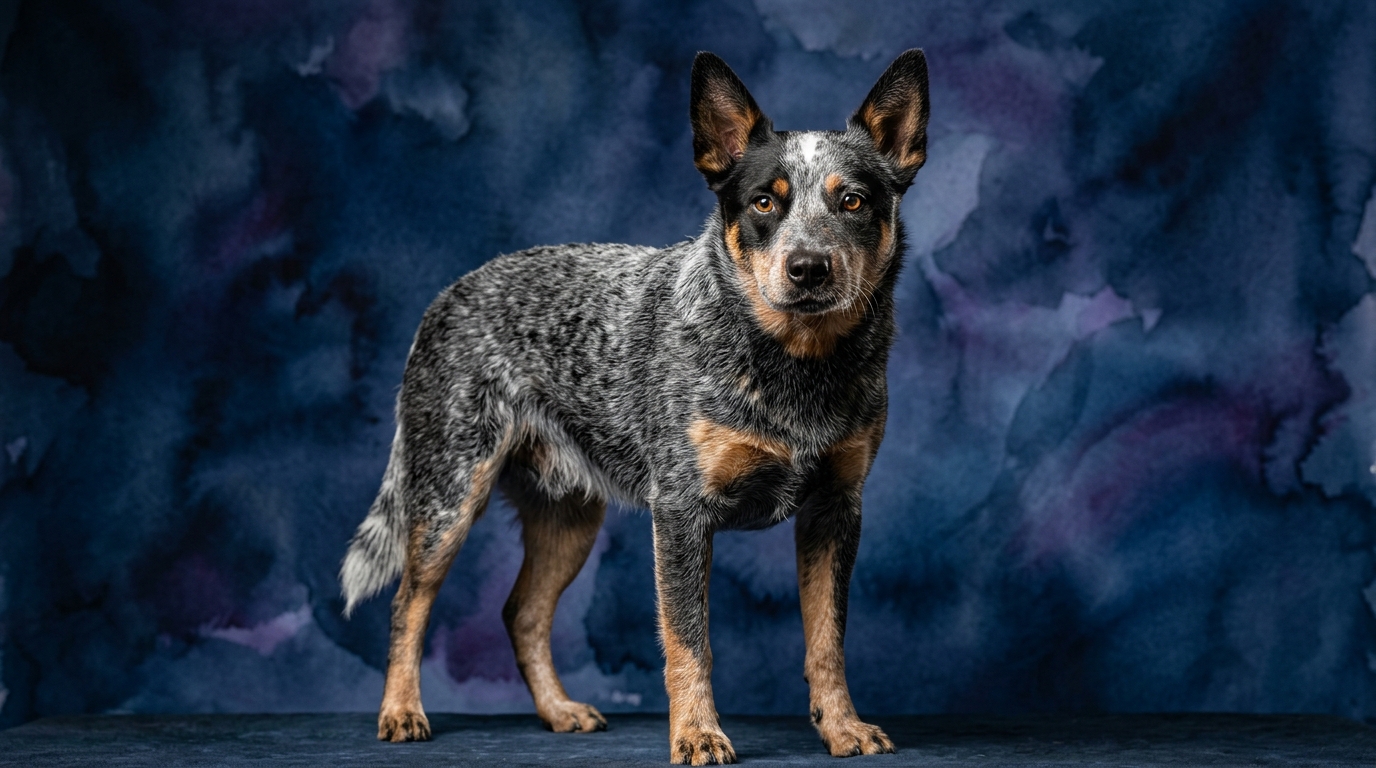
The Cosmic Pet Pet IQ Lab provides a unique lens through which to examine the cognitive landscapes of different dog breeds, breaking down intelligence into five key dimensions. For the Australian Cattle Dog, a breed Coren-ranked at an impressive #10, its profile speaks volumes about its working heritage: Problem Solving at 5/5, Training Speed at 5/5, Social Intelligence at 3/5, Instinctive Drive at 5/5, and Memory at 5/5. This paints a picture of a canine strategist, quick to learn and remember, with a powerful drive to manage livestock, often preferring to make its own decisions within its working context.
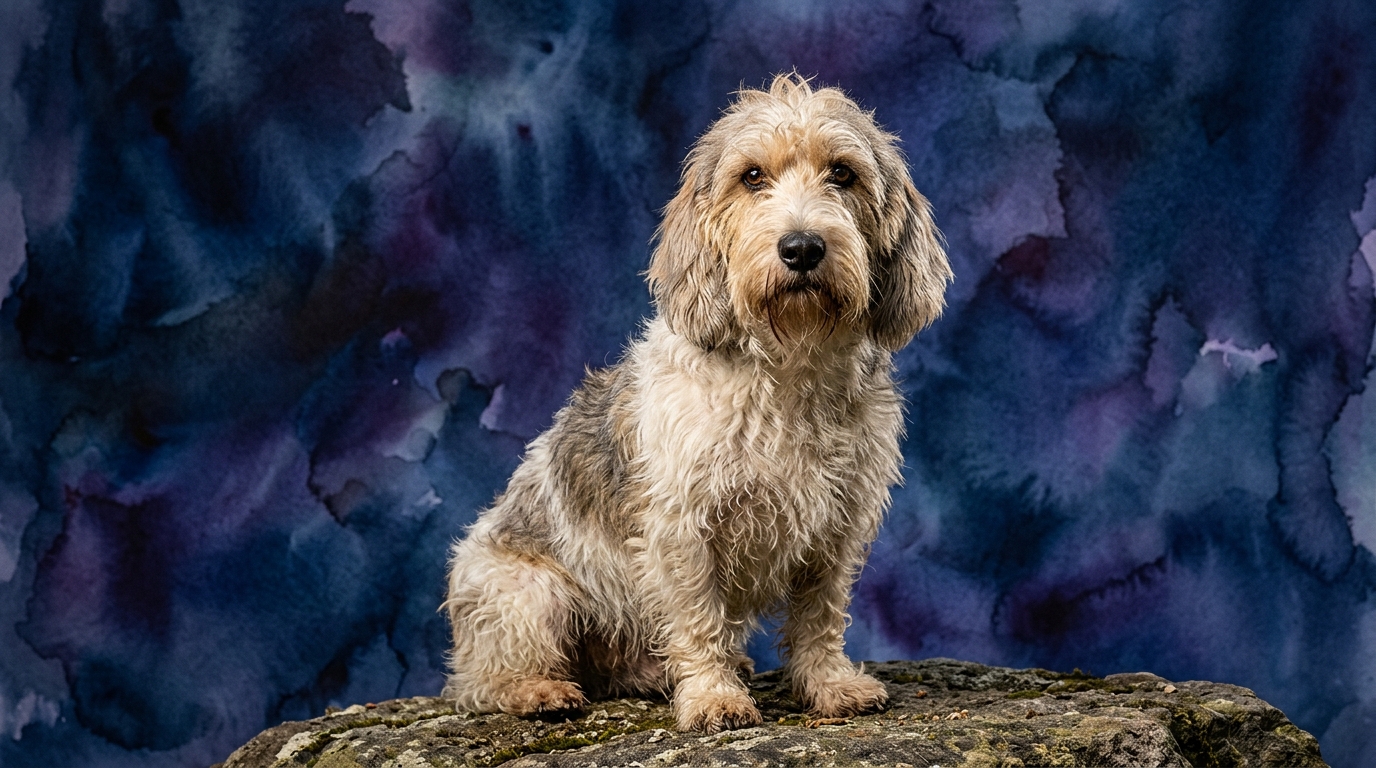
In stark contrast, the Petit Basset Griffon Vendéen, a breed not appearing on Coren's ranking, presents a profile reflecting its hound nature: Problem Solving at 3/5, Training Speed at 3/5, Social Intelligence at 3/5, Instinctive Drive at 3/5, and Memory at 3/5. This consistent scoring suggests an intelligence geared towards specific tasks, where persistence, sensory focus, and independent decision-making in the field take precedence over rapid obedience or complex, handler-directed strategizing.
Where the Australian Cattle Dog Excels Cognitively
The Australian Cattle Dog's cognitive strengths are undeniably rooted in its history as a livestock herder, requiring a specific set of advanced intellectual faculties. With a Problem Solving score of 5/5, the ACD excels at complex, multi-variable challenges, such as strategically maneuvering a stubborn herd across vast distances or anticipating the unpredictable movements of cattle. Their Training Speed, also a perfect 5/5, means they grasp new commands and sequences with remarkable alacrity, often needing only a few repetitions to master intricate tasks, making them star pupils in advanced obedience or canine sports.
This rapid learning is synergistically supported by their 5/5 Memory, allowing them to retain extensive repertoires of commands, routines, and environmental details, crucial for consistent performance in dynamic working environments. Furthermore, their Instinctive Drive, rated 5/5, is a powerful engine for their cognitive application; this isn't just a generic drive, but a finely tuned impulse to control and direct, employing sophisticated herding techniques that require constant evaluation and adjustment. In essence, the ACD's cognitive architecture is built for rapid assimilation of information, strategic application, and unwavering commitment to a task, a stark contrast to the PBGV's more sensory-focused approach.
Where the Petit Basset Griffon Vendéen Demonstrates Unique Cognitive Strengths
While the Petit Basset Griffon Vendéen's IQ scores of 3/5 across the board might seem modest when compared directly to the Australian Cattle Dog's high marks, it's crucial to understand that these scores reflect a specialized form of intelligence perfectly adapted to its breed purpose. The PBGV “wins” in the domain of sensory-driven problem-solving and persistent, independent pursuit. Their Problem Solving at 3/5 isn't about herding strategy, but about expertly unraveling a complex scent trail, navigating varied terrain, and making autonomous decisions in the field to locate quarry. This involves intricate discrimination between odors and a relentless focus that can override other stimuli.
Their Instinctive Drive, also 3/5, is a profound, self-rewarding compulsion to track, bay, and follow a scent for hours, demonstrating an unwavering mental endurance that few breeds can match in their specific pursuit. This drive fuels their memory (3/5), which excels at recalling specific scent patterns and the layout of hunting grounds, rather than a vast array of human commands. Their Social Intelligence at 3/5 indicates a companionable nature that is nonetheless independent when a compelling scent arises, allowing them to work cooperatively in a pack while still relying on their own sensory judgment. The PBGV's cognitive strength lies in its ability to immerse itself in a sensory world, processing subtle olfactory cues and maintaining focus on a singular objective with remarkable determination, a distinct form of brilliance from the ACD's handler-centric intellect.
Training Dynamics: Which Breed is More Amenable?
When considering ease of training, the Australian Cattle Dog stands out as a more straightforward candidate due to its exceptional Training Speed (5/5) and powerful Instinctive Drive (5/5) to work alongside a handler. ACDs possess an innate desire to understand and execute tasks, coupled with a quick comprehension that allows them to learn complex command sequences, agility courses, or advanced obedience routines rapidly. Their herding background instills a strong work ethic and a natural inclination to respond to direction, thriving on mental challenges and clear, consistent instruction. They are eager to please and find satisfaction in performing a “job,” making them highly receptive to positive reinforcement training methods.
Conversely, the Petit Basset Griffon Vendéen, with a Training Speed of 3/5, presents a different kind of training challenge. PBGVs are hounds, and their primary motivation is often their nose, which can easily override human commands. Their independent nature, crucial for tracking prey autonomously, means they require immense patience, consistency, and creative engagement from their trainers. Training a PBGV often involves making the process a game, leveraging their love for scent work, and accepting that their recall might always be secondary to an enticing aroma. While capable of learning, their learning curve is generally slower, and their focus more easily diverted by environmental stimuli, particularly scents, making them less “easy” in the traditional sense of obedience training compared to the highly biddable ACD.
Matching Breeds to Owner Lifestyles: Active vs. Relaxed
The Australian Cattle Dog is unequivocally suited for highly active owners who are prepared to provide rigorous physical exercise and consistent mental stimulation. With its 5/5 Instinctive Drive and high Problem Solving and Memory scores, an ACD requires a “job” to do, whether it's herding, competitive dog sports like agility or flyball, or extensive daily training sessions. An ACD left without sufficient outlets for its energy and intellect can become bored, leading to destructive behaviors, excessive barking, or attempts to “herd” family members. They are not a breed for relaxed or sedentary households; their well-being is intrinsically linked to constant engagement and purpose.
The Petit Basset Griffon Vendéen, while certainly an active breed, possesses a different energy profile. With its 3/5 Instinctive Drive, the PBGV still requires regular, moderate exercise, particularly opportunities for off-leash exploration in a secure area where it can indulge its powerful nose. They are less about relentless physical exertion and more about sustained, sensory engagement. After a good sniff-walk or a play session, a PBGV can be content to relax indoors, making them potentially suitable for owners who are active but do not require an intense, high-octane canine partner. However, they are not for truly relaxed owners who prefer minimal outdoor activity, as their need to explore and follow scents is fundamental to their happiness and cognitive fulfillment. They thrive with owners who appreciate their independence and provide structured opportunities for their hound instincts to flourish.
The Verdict
Opt for an Australian Cattle Dog if you are an experienced, active owner seeking a highly trainable, driven working partner who thrives on complex tasks, constant mental engagement, and consistent direction in activities like dog sports or actual herding.
Select a Petit Basset Griffon Vendéen if you appreciate an independent, curious, scent-driven companion, willing to engage with a dog that follows its nose, requires patient and creative training, and offers a charming, boisterous personality.
🧠 Find Your Pet's IQ Score
Our Pet IQ Lab assessment covers 25+ tests across 5 cognitive dimensions — personalized to your breed.
Take the Full IQ Test →Frequently Asked Questions
Are PBGVs difficult to train?
PBGVs are not inherently difficult to train, but they require patience and creativity due to their independent, scent-driven nature. Their strong instinctive drive to follow a nose can often override human commands, so training success depends on making it engaging and rewarding.
Do ACDs need a lot of exercise?
Absolutely, Australian Cattle Dogs require substantial daily exercise and mental stimulation to thrive. Without a job or consistent activity, their high energy and problem-solving abilities can lead to boredom and destructive behaviors.
What's the biggest difference in their problem-solving approaches?
The ACD excels at strategic, handler-directed problem-solving for tasks like herding, quickly adapting to variables. The PBGV, in contrast, uses its problem-solving skills primarily for independent, sensory-driven tasks such as meticulously tracking complex scent trails.