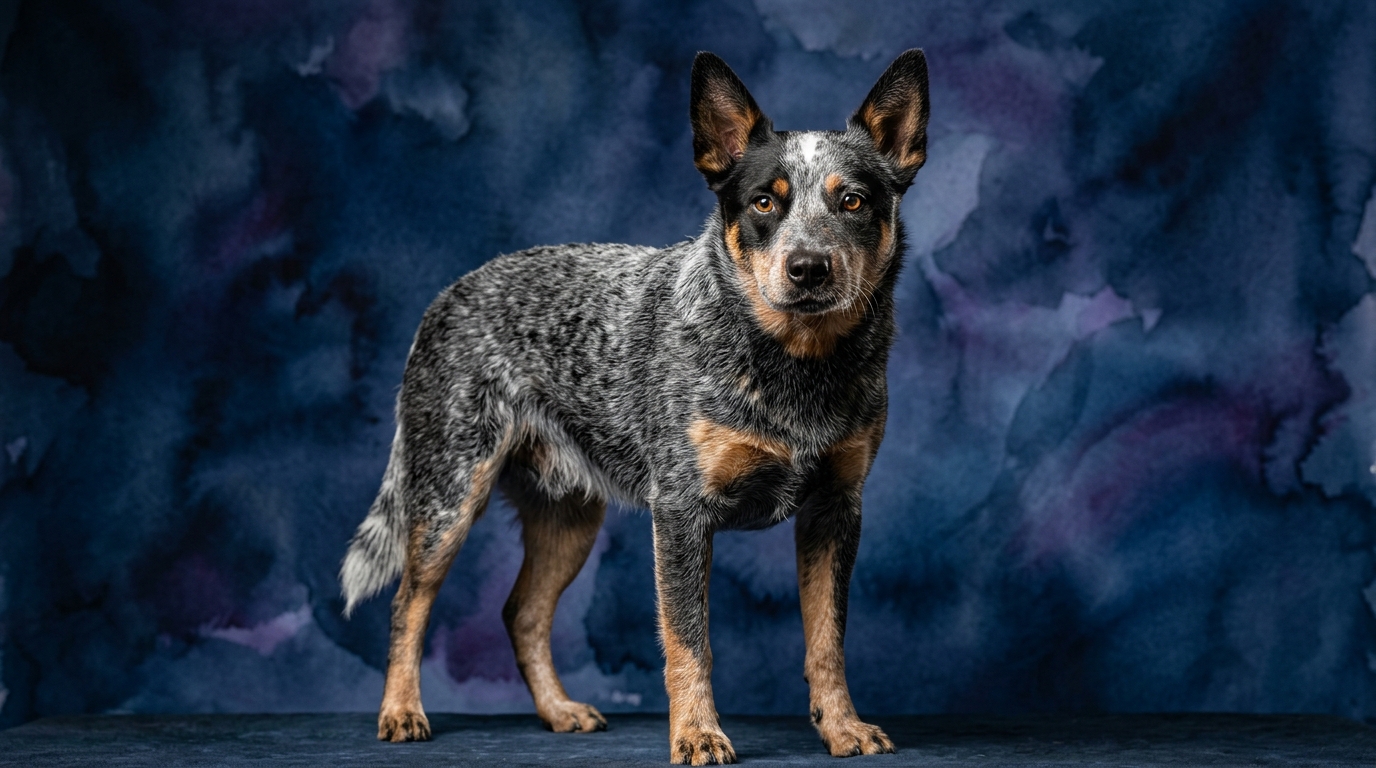
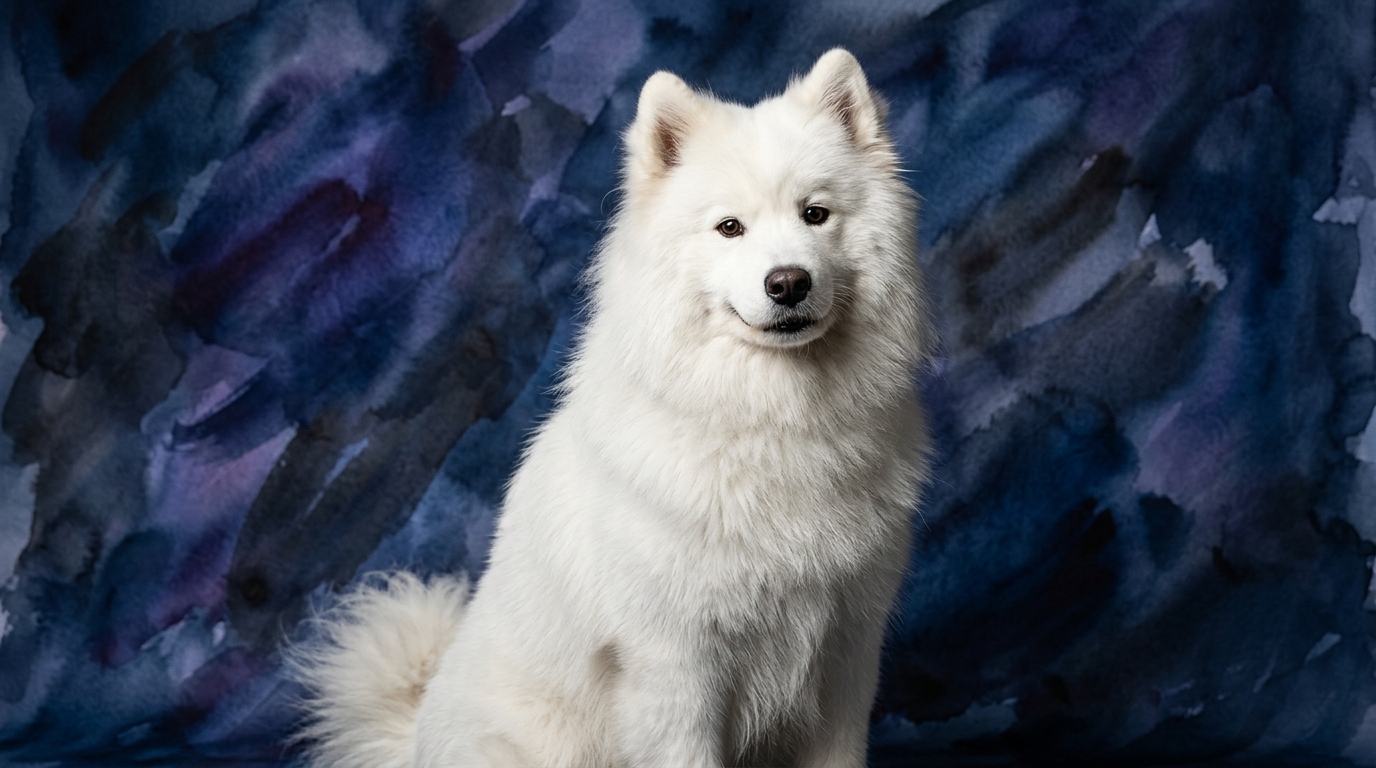
Side-by-Side IQ Profile: Australian Cattle Dog vs. Samoyed
At The Cosmic Pet Pet IQ Lab, we evaluate canine intelligence across five key dimensions, offering a nuanced view beyond mere obedience. For the Australian Cattle Dog, ranked #10 by Coren for obedience and working intelligence, their profile is marked by intense aptitude: problem Solving 5/5, training Speed 5/5, social Intelligence 3/5, instinctive Drive 5/5, and memory 5/5. This paints a picture of a dog built for demanding, independent work.
The Samoyed, holding Coren’s #33 rank, presents a different set of strengths tailored for companionship and collaborative effort. Their IQ profile reflects this: problem Solving 3/5, training Speed 3/5, social Intelligence 5/5, instinctive Drive 4/5, and memory 3/5. Understanding these specific scores helps us appreciate the unique cognitive contributions of each breed.
Where the Australian Cattle Dog Wins Cognitively
The Australian Cattle Dog’s cognitive architecture shines brightest in areas demanding intricate problem-solving and immediate application of learned skills. Their 5/5 problem-solving acumen allows them to strategize in real-time, quickly assessing situations and devising ingenious ways to manage livestock or navigate complex environments, far beyond simple obedience. This strategic depth, combined with their 5/5 training speed, means they can master multi-stage commands and demanding sports like agility or obedience trials with remarkable swiftness, often appearing to “think ahead” of their handlers.
Their 5/5 instinctive drive is not just about energy, but about a focused, persistent motivation to perform a job, enabling them to work tirelessly and intelligently towards a defined goal, whether it’s herding a flock or excelling in a canine sport. This unwavering focus and drive, paired with a 5/5 memory, allows them to recall complex patterns and adapt them as situations change, a cognitive advantage for roles requiring independent decision-making under pressure. They excel at retaining intricate sequences and applying them dynamically.
Where the Samoyed Wins Cognitively
Conversely, the Samoyed’s cognitive strengths lie profoundly in the realm of social and emotional intelligence. Their perfect 5/5 social intelligence score signifies an exceptional capacity to read and respond to human emotions, making them incredibly empathetic companions. They excel at understanding subtle shifts in mood, providing comfort, and fostering deep, reciprocal bonds with their human families, a trait invaluable for therapy work or simply enriching family life.
While their problem-solving might be a 3/5, their social understanding allows them to navigate complex human social dynamics with grace, often intuiting what is expected of them in a cooperative setting. Their 4/5 instinctive drive, while different from the ACD's control-oriented drive, is powerful in its collaborative nature, motivating them to work *with* humans in tasks like sledding or as loyal companions, rather than independently managing a situation. This collaborative spirit, rooted in their social aptitude, means they are adept at forming partnerships, prioritizing harmonious interaction and mutual understanding over strict, unyielding task completion.
Which Is Easier to Train and Why
Determining which breed is “easier” to train depends entirely on the trainer’s goals and methods. The Australian Cattle Dog, with its 5/5 training speed and 5/5 memory, will typically *learn* new commands and complex routines faster than a Samoyed. Their inherent drive to work and please a respected handler, coupled with their focus, means they soak up information rapidly. However, their intense 5/5 instinctive drive means that if not given a consistent “job” or mental challenge, their training can become a battle against redirected energy and boredom, leading to behaviors like nipping at heels or obsessive tendencies. They require a confident, experienced hand to channel their cognitive prowess productively, otherwise their capacity for independent action can manifest as willfulness.
The Samoyed, on the other hand, with a 3/5 training speed and 3/5 memory for intricate tasks, might take more repetitions to grasp new concepts. Their independent nature can sometimes manifest as “selective hearing” if they don’t see the immediate benefit or if the training isn’t engaging. However, their 5/5 social intelligence means they are deeply motivated by connection and positive reinforcement from their beloved humans. Once a strong bond and mutual understanding are established, they are eager to cooperate and please, making them responsive to training focused on partnership and reward. While they may not learn as quickly, their desire for social harmony can make them a joy to train for an owner who prioritizes relationship-building and patience over sheer speed of acquisition, rather than relying solely on their working drive.
Which Suits Active Owners vs. Relaxed Owners
The Australian Cattle Dog is unequivocally suited for highly active, committed owners who can meet their substantial mental and physical demands. Their 5/5 instinctive drive and boundless energy mean they thrive with daily, vigorous exercise that goes beyond a simple walk, such as running, hiking, or participating in demanding dog sports. Crucially, their 5/5 problem-solving and memory require consistent mental engagement through advanced training, puzzle toys, and purposeful tasks; a relaxed owner who cannot provide this will likely find themselves with a bored, destructive, and potentially frustrated companion. They are not a breed for a sedentary lifestyle or an owner seeking a low-maintenance pet, as their cognitive needs demand constant stimulation.
The Samoyed, while still an active breed, offers a slightly more adaptable profile for owners. Their 4/5 instinctive drive for working and companionship means they too require regular exercise, enjoying outdoor adventures like long walks, jogs, or even pulling a cart. However, their 5/5 social intelligence allows them to derive significant satisfaction from simply being an integrated part of family activities, making them suitable for active owners who prioritize companionship during their adventures. While they need consistent activity, their needs are less about constant, intense “work” and more about shared experiences. They are not ideal for truly relaxed, inactive owners, but can integrate more smoothly into a family life that balances activity with affectionate downtime compared to the relentless demands of the ACD.
The Verdict
If your lifestyle demands a canine partner for demanding sports, complex tasks, or a working role, and you can commit to intensive, consistent mental and physical engagement, the Australian Cattle Dog will be an unparalleled companion.
If you seek a deeply empathetic, socially attuned companion for outdoor adventures and family life, and you value a cooperative partnership built on mutual affection over strict, task-oriented obedience, the Samoyed will be a delightful addition.
🧠 Find Your Pet's IQ Score
Our Pet IQ Lab assessment covers 25+ tests across 5 cognitive dimensions — personalized to your breed.
Take the Full IQ Test →Frequently Asked Questions
Which breed is better for first-time dog owners?
Neither breed is typically recommended for first-time dog owners due to their distinct and demanding needs. However, the Samoyed might be marginally more forgiving if the owner is committed to consistent training and socialization, whereas the Australian Cattle Dog's intensity requires experienced handling.
Do these breeds generally get along with other pets?
The Australian Cattle Dog's strong herding instinct can make them prone to "herding" other pets, sometimes roughly, requiring careful supervision and early socialization. Samoyeds, with their higher social intelligence, generally adapt better to living with other pets, especially if introduced thoughtfully, though their prey drive should still be monitored.
What kind of mental stimulation do these breeds need?
Australian Cattle Dogs require extensive mental puzzles, advanced obedience, and "jobs" to prevent boredom, leveraging their high problem-solving and memory. Samoyeds thrive on interactive play, puzzle toys, and training that reinforces their social bond, satisfying their cooperative working drive and social intelligence.