The Cosmic Pet Pet IQ Lab: Side-by-Side Profiles
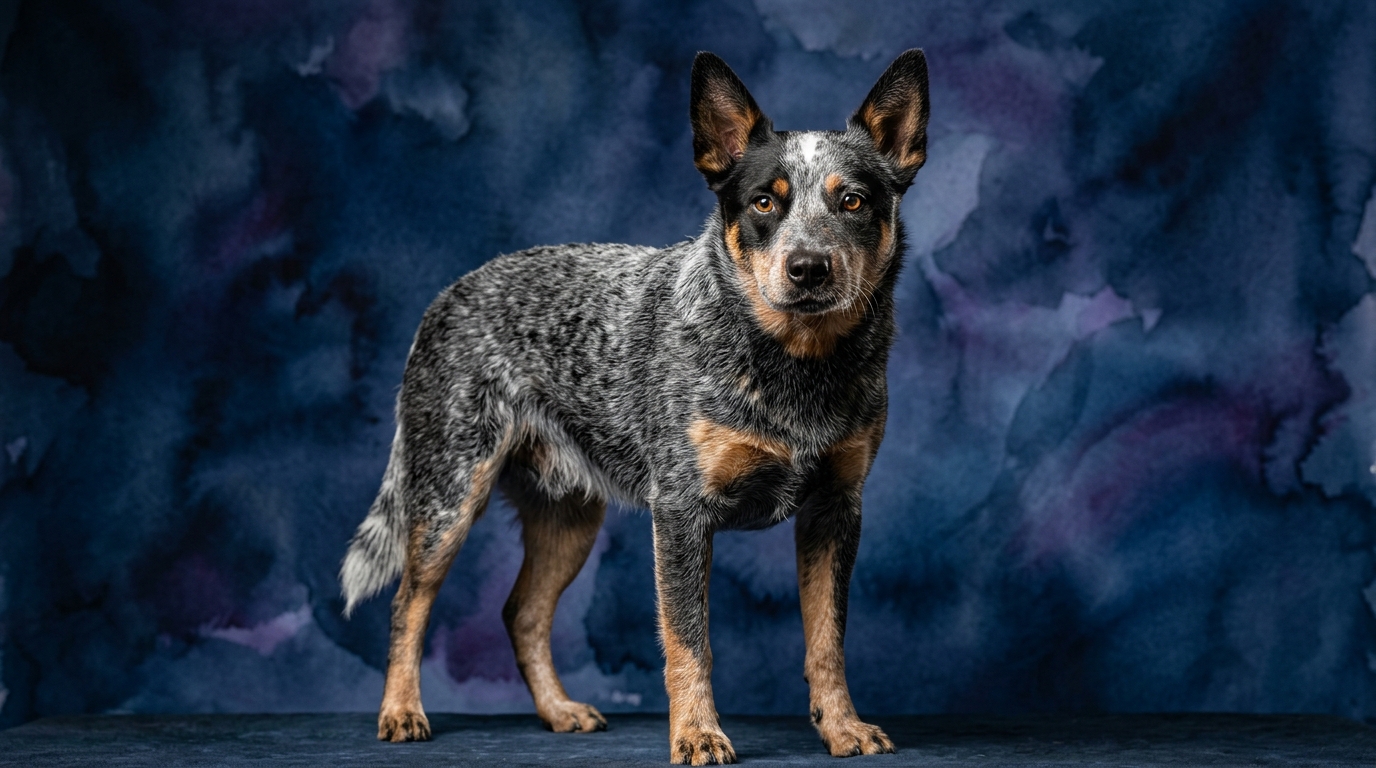
The Cosmic Pet Pet IQ Lab employs five key dimensions to evaluate canine intelligence, offering a nuanced perspective beyond simple obedience. For the Australian Cattle Dog, a Herding breed ranking #10 on the Coren scale, its profile is marked by exceptional cognitive prowess. It scores 5/5 in Problem Solving, indicating an outstanding capacity to strategize and devise novel solutions to complex tasks. Its Training Speed is also 5/5, reflecting a remarkable eagerness and ability to rapidly acquire new commands and behaviors. Social Intelligence is rated 3/5, suggesting it understands human cues adequately but often prioritizes task execution over intricate social bonding. Instinctive Drive, at 5/5, highlights powerful herding and working instincts, translating into intense focus and perseverance. Finally, Memory is 5/5, signifying a remarkable ability to retain information, commands, and experiences with high fidelity.
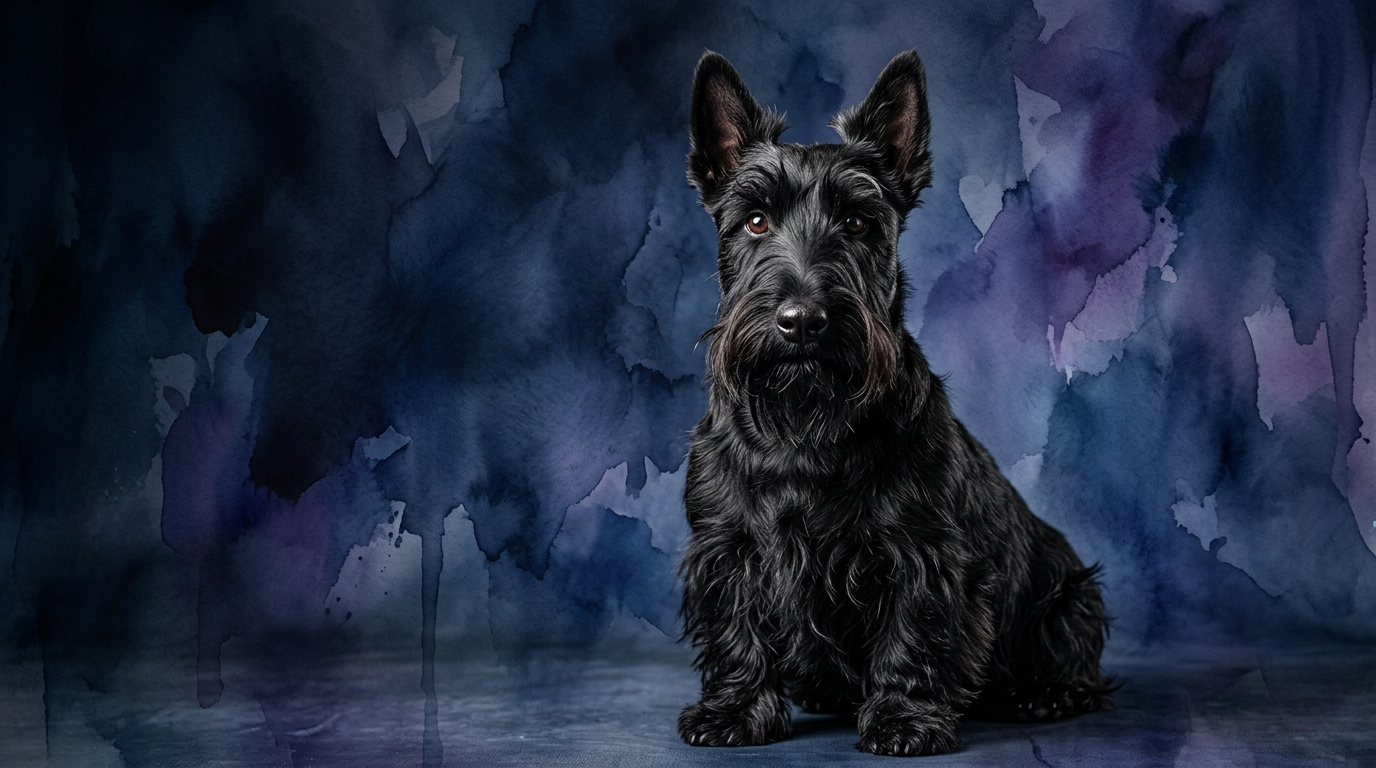
In contrast, the Scottish Terrier, a Terrier breed with a Coren rank of #65, presents a distinct, though equally valid, cognitive landscape. Its Problem Solving ability is rated 3/5, meaning it can solve direct problems but may rely more on persistence and physical effort than abstract reasoning. Training Speed also scores 3/5, indicating a moderate pace of learning that often requires repetition and motivation to solidify new behaviors. Like the Australian Cattle Dog, its Social Intelligence is 3/5; it engages with humans and other animals with a degree of independence, not always seeking close collaboration. Instinctive Drive is 3/5, exhibiting strong terrier prey drive and independence, but less focused on collaborative work than herding breeds. Its Memory is 3/5, possessing a functional memory for learned behaviors and routines, though perhaps not with the same depth or consistency as the Australian Cattle Dog.
Where the Australian Cattle Dog Wins Cognitively
The Australian Cattle Dog's cognitive strengths are evident in its consistently high scores across several dimensions, particularly in its problem-solving and memory capabilities. Its 5/5 rating for Problem Solving means this breed doesn't just react; it actively analyzes situations, formulating and adapting strategies on the fly to overcome obstacles. This translates into a dog that can navigate complex environments, understand multi-step commands, and even anticipate human intentions in a working context. Paired with a 5/5 Training Speed, the Australian Cattle Dog absorbs new information at an impressive rate, making sophisticated training possible and deeply rewarding. Their 5/5 Instinctive Drive fuels an unwavering focus on tasks, whether it's managing livestock or excelling in dog sports, providing the internal motivation to apply their mental faculties. Furthermore, their 5/5 Memory ensures that once a lesson is learned or a pattern understood, it's retained for the long term, leading to consistently reliable performance and minimal need for retraining.
Where the Scottish Terrier Wins Cognitively
While the Scottish Terrier doesn't boast the same high numerical scores as the Australian Cattle Dog, its cognitive profile possesses unique advantages, particularly in areas where independence and tenacity are paramount. Its 3/5 for Problem Solving, though moderate, manifests as a stubborn and persistent pursuit of goals, especially when it involves tracking or digging for small prey—a direct reflection of its terrier heritage. This isn't about complex strategic planning, but rather an unyielding determination to achieve a specific, often self-directed objective. Their 3/5 Social Intelligence, combined with their Instinctive Drive, allows them to operate effectively without constant human oversight. This self-reliance is a distinct cognitive asset for tasks that require individual initiative, such as pest control, where a dog needs to make its own decisions in the field rather than constantly deferring to a human handler. Their functional memory and drive mean they can master routines and specific tasks relevant to their purpose, thriving in environments where focused, independent work is valued over collaborative, multi-faceted endeavors.
Training: Ease and Behavioral Differences
When it comes to ease of training, the Australian Cattle Dog, with its 5/5 scores in both Problem Solving and Training Speed, is demonstrably more responsive. Their rapid acquisition of new commands stems from a profound eagerness to engage in structured work and a remarkable ability to quickly connect actions with consequences. This breed thrives on mental stimulation and finds deep satisfaction in mastering tasks, often requiring less repetition to solidify new behaviors. An ACD will typically demonstrate a keen interest in learning and performing, often anticipating the next command. Conversely, the Scottish Terrier's 3/5 in Training Speed means they require more patience and consistent motivation. Their inherent independence and terrier tenacity can sometimes translate into a "what's in it for me?" attitude, making them less inclined to comply simply for compliance's sake. Training a Scottish Terrier often involves finding the right incentives and understanding their strong-willed nature, whereas training an Australian Cattle Dog often feels like a highly collaborative partnership in learning.
Matching Breeds to Lifestyles: Active vs. Relaxed Owners
The Australian Cattle Dog is unequivocally suited for active owners who can provide consistent, demanding engagement. Their 5/5 instinctive drive and problem-solving abilities mean they require constant mental and physical stimulation to remain content. Owners who can offer extensive structured activities like herding, agility, advanced obedience, or long, vigorous hikes will find an ACD a highly fulfilling companion. A lack of appropriate outlets for their considerable intellect and energy can lead to boredom, manifesting as destructive behaviors or channeling their herding instincts into nipping at people's heels. The Scottish Terrier, while not a sedentary breed, is a better fit for owners seeking a more moderately active companion. Their 3/5 instinctive drive means they appreciate regular walks, engaging playtime, and consistent routines, but their energy levels are generally lower and their need for intense work is less pronounced than an ACD's. They thrive on companionship and structured environments, but don't require the same intensity of work or the constant, high-level mental challenge.
The Verdict
For owners who relish a highly engaged, intellectually demanding partnership and can commit to extensive training, mental stimulation, and physical activity, the Australian Cattle Dog offers unparalleled cognitive depth and working drive.
For those seeking a spirited, independent companion who enjoys focused engagement but doesn't require constant, high-intensity mental work, the Scottish Terrier provides a charming blend of tenacity and loyalty.
🧠 Find Your Pet's IQ Score
Our Pet IQ Lab assessment covers 25+ tests across 5 cognitive dimensions — personalized to your breed.
Take the Full IQ Test →Frequently Asked Questions
Does the Australian Cattle Dog's high instinctive drive make them difficult to live with?
While their 5/5 instinctive drive is powerful, it translates into a strong desire to work and focus, which can be channeled positively through training and activities. Without appropriate outlets, this drive can manifest as nipping, herding children, or excessive barking, so it requires dedicated owners.
Is the Scottish Terrier's moderate social intelligence a barrier to bonding?
Not at all. Their 3/5 social intelligence simply means they approach relationships with a degree of independence, valuing companionship on their own terms. They form deep, loyal bonds, often expressing affection subtly rather than with overt clinginess, making them devoted family members.
Can a Scottish Terrier excel in dog sports despite its lower IQ scores?
Yes, absolutely. While their training speed might be moderate, their tenacity and physical agility allow them to enjoy and succeed in sports like earthdog trials, obedience, or even agility, especially with patient and consistent training that leverages their natural drives and strong will.