A Side-by-Side Look at Cognitive Profiles
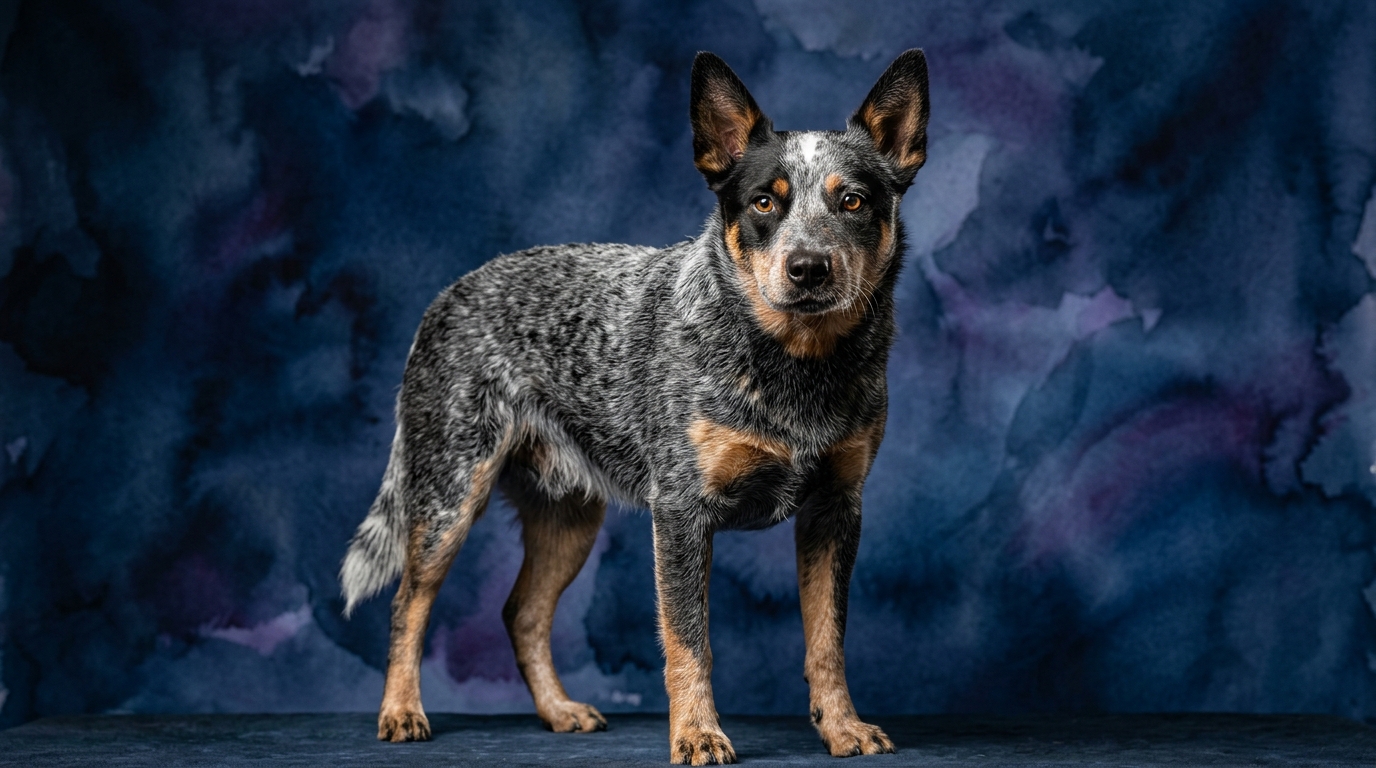
The Australian Cattle Dog, ranking impressively at Coren #10, exhibits a cognitive architecture built for purpose and precision. Their Problem Solving and Training Speed both score an exceptional 5/5, indicating an innate ability to rapidly grasp complex commands and independently navigate challenges. A robust Instinctive Drive at 5/5 fuels their tireless work ethic, while a perfect 5/5 Memory ensures they retain vast amounts of information and learned behaviors. Their Social Intelligence, at a practical 3/5, suggests competence in understanding social cues, but often in service of a task rather than purely for broad interpersonal engagement.
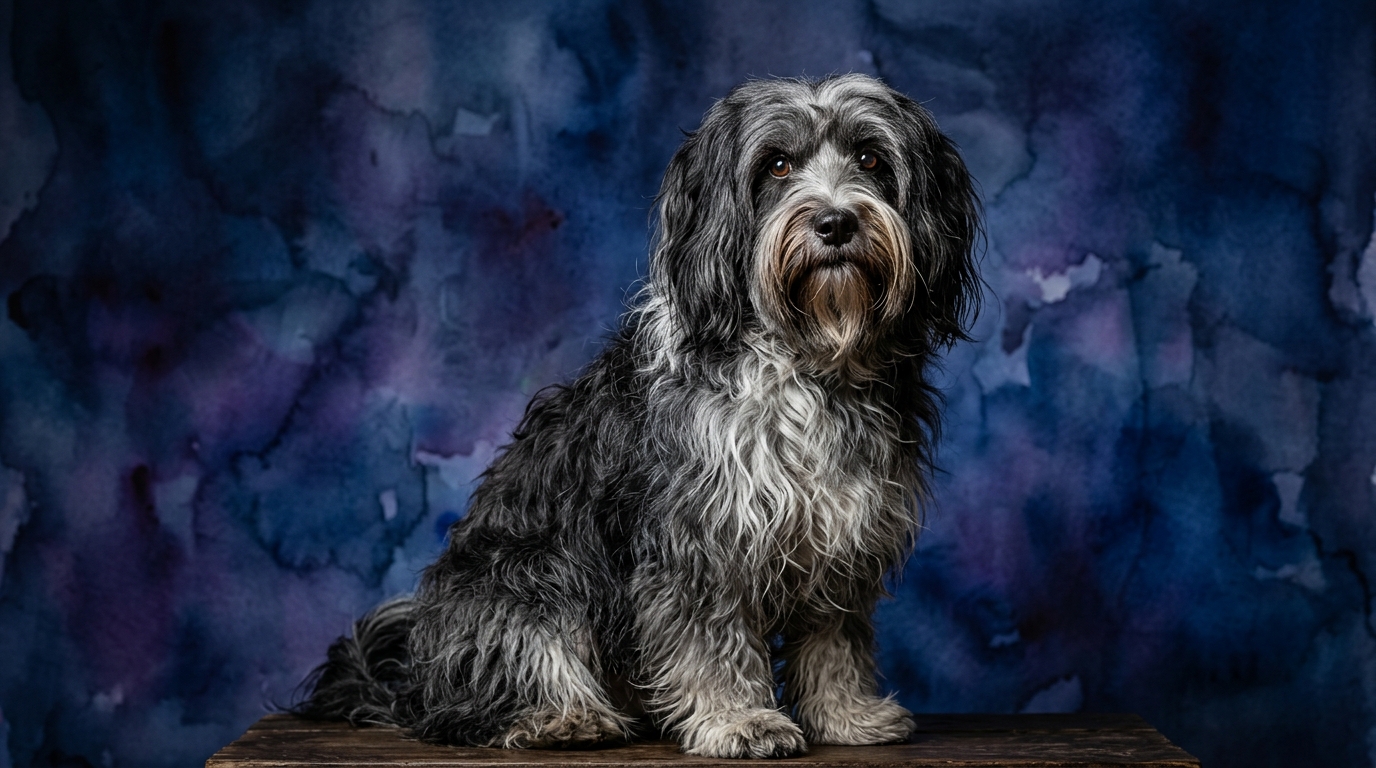
In contrast, the Tibetan Terrier, holding a Coren rank of #63, presents a more uniformly moderate cognitive blueprint. Across all five dimensions – Problem Solving, Training Speed, Social Intelligence, Instinctive Drive, and Memory – they consistently score 3/5. This symmetrical profile points to a well-rounded but not extreme cognitive capacity, suggesting they are capable learners and companions, though perhaps without the intense specialization seen in working breeds. Their moderate scores imply an adaptable nature, amenable to learning and social interaction, but without the overwhelming drive that demands constant engagement.
Where the Australian Cattle Dog Excels Cognitively
The Australian Cattle Dog's cognitive strengths are undeniably rooted in their herding heritage. Their 5/5 Problem Solving isn't just about figuring out puzzles; it manifests as an uncanny ability to strategize and adapt in dynamic environments, such as precisely maneuvering livestock or navigating complex agility courses with minimal human input. This breed's 5/5 Training Speed means they absorb new commands and routines with remarkable rapidity, often requiring fewer repetitions than many other breeds to achieve mastery. Coupled with a 5/5 Memory, an ACD can recall an extensive repertoire of commands and intricate sequences, making them exceptional candidates for advanced obedience, competitive dog sports, or demanding working roles. Furthermore, their 5/5 Instinctive Drive translates into an unwavering focus and persistence, a relentless determination to complete tasks that might daunt less driven breeds, often displaying a profound satisfaction in having a 'job' to do.
The Unique Cognitive Strengths of the Tibetan Terrier
While the Tibetan Terrier's cognitive scores are moderate at 3/5 across the board, this balanced profile itself constitutes a unique strength, especially for certain lifestyles. Their 3/5 Problem Solving, for example, means they are capable of learning and adapting to household routines and simple commands, but without the intense need to constantly challenge boundaries or outsmart their owners that a 5/5 problem-solver might exhibit. Similarly, a 3/5 Instinctive Drive translates to a less demanding daily energy requirement; they are active and playful, but generally not driven by an overwhelming urge to herd, hunt, or guard, making them less prone to destructive behaviors born from unfulfilled intense drives. Their 3/5 Social Intelligence, while not as task-oriented as the ACD's, allows for genuine, reciprocal companionship, forming strong bonds with their families without being overly aloof or hyper-focused on external stimuli. This moderation across dimensions makes them remarkably adaptable and generally easier to integrate into a diverse range of family dynamics.
Ease of Training: A Matter of Approach
When it comes to training, the Australian Cattle Dog presents a paradox: technically 'easier' due to their 5/5 Training Speed and 5/5 Problem Solving, yet demanding in their cognitive needs. They learn new commands and complex sequences with astonishing speed, often anticipating human cues. However, their high Instinctive Drive and problem-solving skills mean they require consistent, engaging training that challenges their intellect; without it, they can become bored and channel their considerable mental energy into less desirable behaviors, like independent 'herding' of children or nipping. Training an ACD is less about teaching *if* they can learn, and more about consistently providing appropriate mental stimulation and clear direction to harness their immense capacity. The Tibetan Terrier, with its 3/5 Training Speed, requires a more patient and positive reinforcement-based approach. They are not slow to learn, but they won't pick up complex commands in a single session. Their moderate problem-solving means they respond well to clear, consistent instruction without necessarily trying to 'outthink' the trainer. Success with a Tibetan Terrier hinges on making training fun and rewarding, avoiding repetitive drills that might bore them, and understanding that their motivation comes more from partnership than an intense drive to work.
Matching Cognitive Profiles to Lifestyles
The cognitive disparity between these breeds directly informs their suitability for active versus relaxed owners. An Australian Cattle Dog, with its 5/5 Instinctive Drive, 5/5 Problem Solving, and 5/5 Memory, thrives with highly active owners who can provide not just physical exertion but also rigorous mental engagement. They are ideal for individuals or families involved in dog sports like agility, herding, or flyball, or those who enjoy extensive hiking and outdoor adventures where the dog can have a 'job.' Their brain needs to be as tired as their body. Conversely, the Tibetan Terrier, with its balanced 3/5 scores across the board, is a better fit for owners seeking a more moderately active companion. While they enjoy walks, playtime, and engaging in family activities, their lower instinctive drive means they are generally content with regular exercise and moderate mental stimulation, such as puzzle toys or short training sessions. They adapt well to apartment living with sufficient daily outings and appreciate a relaxed evening on the couch, making them suitable for owners who enjoy a balanced lifestyle rather than extreme athleticism.
The Verdict
Choose the Australian Cattle Dog if you are an experienced, active owner ready to channel immense mental and physical energy into a dedicated working companion. They excel with consistent, challenging training and a purposeful lifestyle.
Opt for the Tibetan Terrier if you desire a balanced, adaptable companion who thrives on moderate activity and strong family bonds, offering a delightful blend of playful spirit and affectionate loyalty.
🧠 Find Your Pet's IQ Score
Our Pet IQ Lab assessment covers 25+ tests across 5 cognitive dimensions — personalized to your breed.
Take the Full IQ Test →Frequently Asked Questions
Do Australian Cattle Dogs require more mental stimulation than Tibetan Terriers?
Absolutely. With 5/5 scores in Problem Solving, Instinctive Drive, and Memory, Australian Cattle Dogs possess a powerful cognitive engine that demands constant engagement. They need complex tasks, training, and enrichment to prevent boredom and potential behavioral issues, far more intensely than the moderately driven Tibetan Terrier.
Are Tibetan Terriers difficult to train because of their 3/5 training speed?
Not necessarily 'difficult,' but they require a different approach. Their 3/5 Training Speed means they might not pick up commands as quickly as an ACD, but they are still capable learners. Patience, positive reinforcement, and making training sessions fun and varied will yield excellent results with a Tibetan Terrier.
How does the social intelligence score affect interaction with strangers for each breed?
An Australian Cattle Dog's 3/5 Social Intelligence often translates to a reserved, watchful demeanor around strangers, prioritizing their handler or task. A Tibetan Terrier's 3/5 Social Intelligence generally means they are friendly and adaptable, capable of warm interactions with new people once they've assessed the situation, without the intense guarding instincts of some breeds.