Side-by-Side Cognitive Profiles: The Pet IQ Lab Breakdown
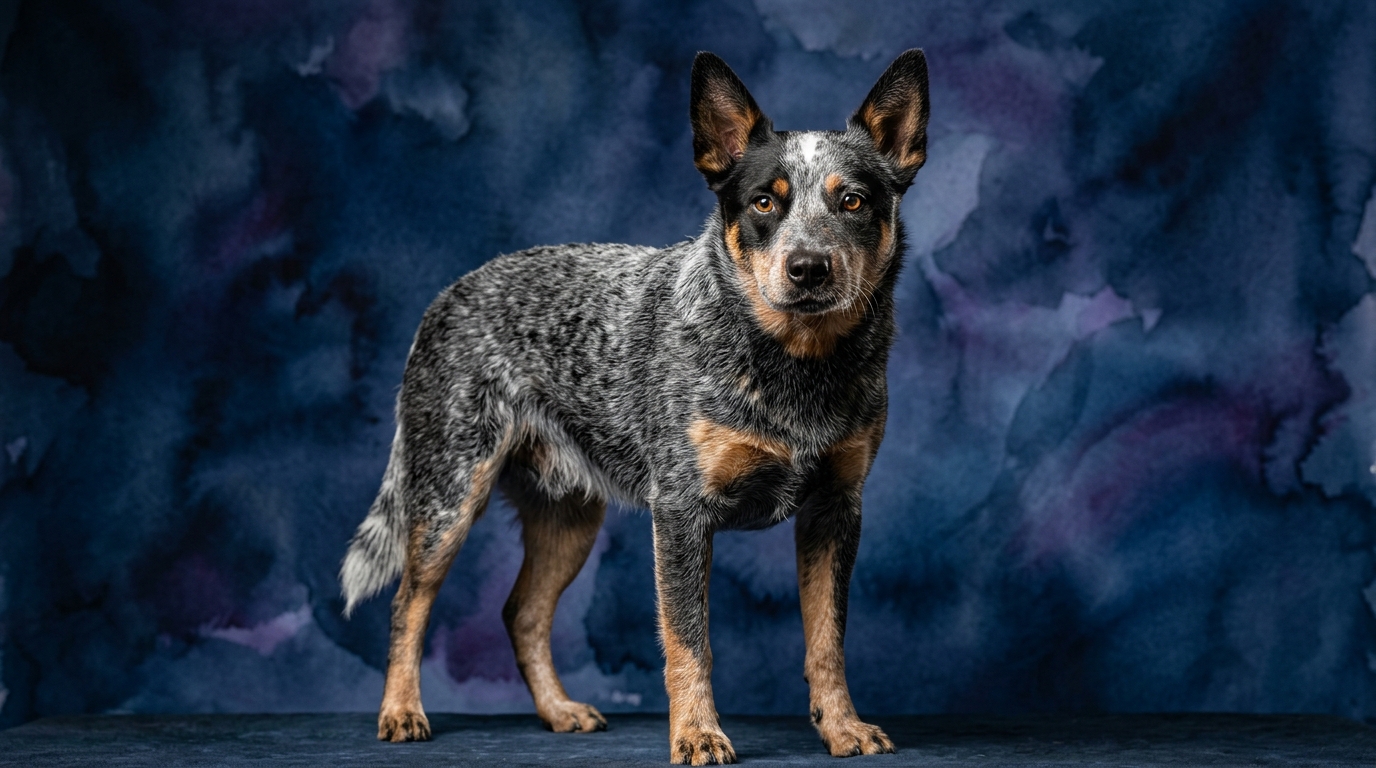
The Cosmic Pet Pet IQ Lab employs a five-dimensional framework, offering a granular view of each breed's mental landscape. The Australian Cattle Dog, Coren's #10, reflects a working animal built for autonomy. Its Problem Solving is 5/5, indicating exceptional ability to devise creative solutions for practical challenges, like managing livestock. Training Speed also scores 5/5, showcasing rapid grasp of complex commands, often fueled by a desire for purpose. Social Intelligence sits at 3/5; deeply bonded to its core family, it can be reserved with strangers, prioritizing working relationships. Instinctive Drive is a perfect 5/5, highlighting an intense, innate urge to herd, control movement, and engage in purposeful activity. Memory is 5/5, allowing robust recall of routines and spatial information.
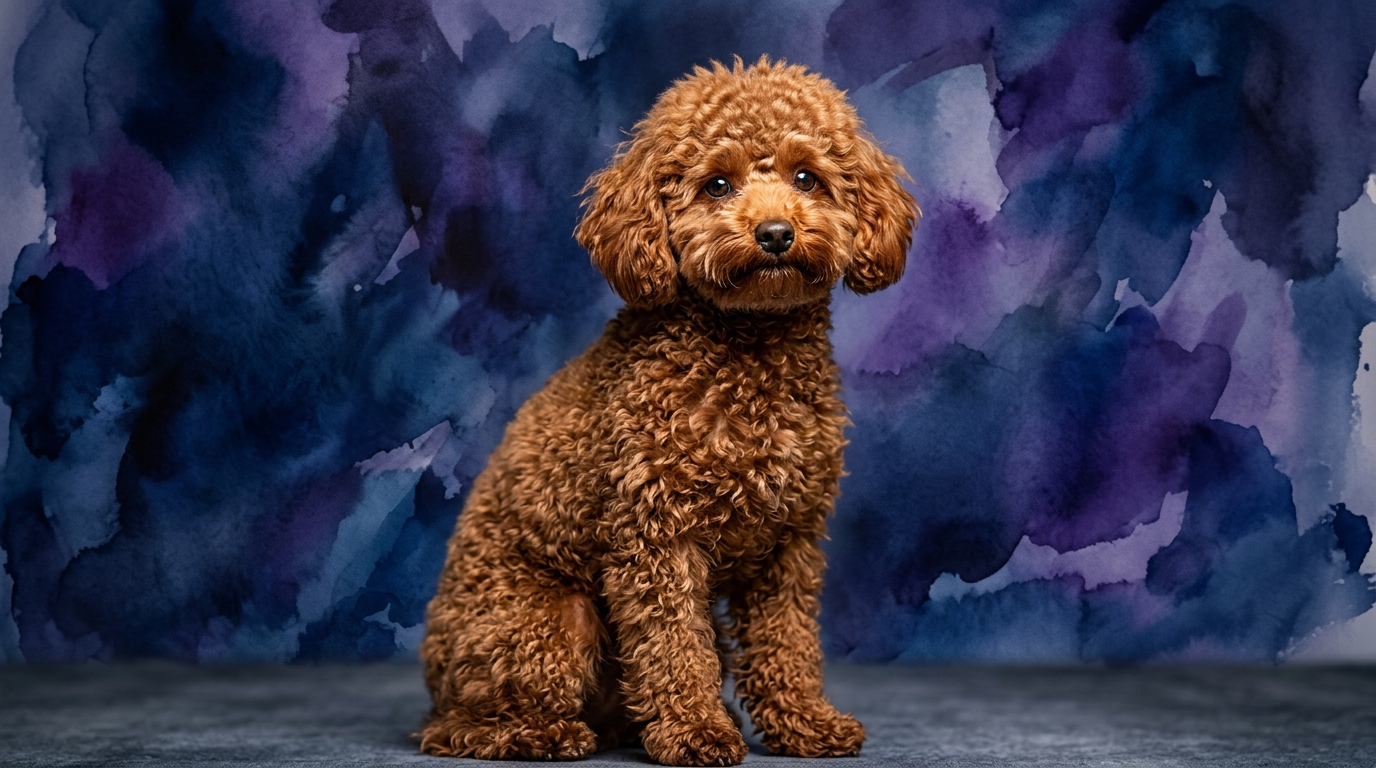
The Toy Poodle, Coren's #2, exhibits a cognitive blueprint optimized for adaptability and human interaction. Its Problem Solving mirrors the ACD at 5/5, demonstrating aptitude for puzzles and adapting to novel domestic situations. Training Speed is also 5/5, reflecting quick uptake of new behaviors and tricks, thriving on mental engagement. Social Intelligence, like the ACD, is 3/5; sensitive to family moods, it may display aloofness with unfamiliar individuals. Instinctive Drive, however, differs significantly at 3/5. While possessing some retrieve drive, it lacks the intense, focused working drive of herding breeds, leaning more towards companionship. Its Memory, like the ACD, is 5/5, ensuring strong retention of learned behaviors and social cues.
Where the Australian Cattle Dog Excels Cognitively
The Australian Cattle Dog's cognitive edge manifests most prominently in its robust Instinctive Drive and the application of its Problem Solving and Memory within a purposeful, often physical, context. With an Instinctive Drive of 5/5, these dogs possess an unwavering internal motivation to work, manage, and control their environment. This translates into anticipating and reacting to dynamic changes, whether managing a flock or a perceived household disruption. Their problem-solving isn't just about a puzzle toy; it's about devising strategies to overcome real-world obstacles, like finding the most efficient path to gather scattered objects. This drive, combined with a 5/5 Memory, allows them to recall complex action sequences and strategies for demanding tasks. They excel at understanding cause-and-effect in dynamic environments, learning from past experiences to execute a 'job' effectively. This profound intrinsic motivation for purpose requires consistent mental and physical engagement to prevent boredom and misdirection of powerful urges.
Where the Toy Poodle Demonstrates Cognitive Strengths
The Toy Poodle's cognitive strengths, while equally impressive, are channeled differently, making them exceptional companions and adaptable learners. Their 5/5 Problem Solving and 5/5 Training Speed shine in versatile learning and nuanced interaction within a domestic setting. Unlike the ACD, whose problem-solving ties to specific working functions, the Toy Poodle applies its mental agility to a broader range of human-centric tasks and environmental adaptations. They excel at understanding complex verbal cues, learning intricate tricks, and navigating the subtleties of human emotions. Their relatively lower Instinctive Drive (3/5) compared to the ACD is a cognitive advantage in a companion role; it means they are less likely to seek intense, specific working tasks and are generally more content to engage with their human's chosen activities. This adaptability, coupled with their exceptional memory, allows them to seamlessly integrate into diverse home environments and family routines, becoming masters of observation and tailored responses to their immediate social group.
Which Breed is Easier to Train and Why: Behavioral Nuances
Both the Australian Cattle Dog and the Toy Poodle boast a 5/5 Training Speed, yet 'ease' of training differs based on inherent behavioral drives. The Australian Cattle Dog, with its intense 5/5 Instinctive Drive, is eager to work and responds exceptionally well to training that provides clear purpose. They thrive on structured routines and complex challenges, viewing training as an opportunity to engage their powerful herding instincts. The 'why' behind the command is often about achieving an outcome. This intensity demands consistent, engaging training and sufficient outlets for their energy; without it, their drives can lead to self-directed activities like herding or nipping.
The Toy Poodle, equally quick to learn, approaches training with different motivation. Their lower Instinctive Drive (3/5) means less overwhelming urge for a specific job, and more by engagement with their human and mental stimulation. They respond enthusiastically to positive reinforcement, eager to please and earn attention. While still requiring consistent mental exercise, their innate behaviors are generally less intense, requiring less redirection than the ACD's strong herding urges. Thus, in a typical companion pet scenario, the Toy Poodle might be perceived as 'easier' due to fewer challenges from deeply ingrained working behaviors.
Matching Breeds to Lifestyles: Active vs. Relaxed Owners
The distinct cognitive profiles make these breeds suitable for vastly different owner lifestyles. An Australian Cattle Dog is ideally suited for active owners who can provide consistent outlets for its 5/5 Instinctive Drive and Problem Solving. These dogs thrive with a 'job,' whether competitive sports, herding, or challenging hikes. A relaxed owner unable to commit to vigorous daily activity and mental engagement will find an ACD challenging, prone to boredom-induced destructive behaviors as they fulfill innate needs. Their cognitive satisfaction comes from mastering tasks and expending energy.
Conversely, the Toy Poodle offers greater flexibility. While benefiting from regular exercise and mental stimulation (puzzles, tricks), their lower Instinctive Drive (3/5) means they don't require the same intense, sustained physical output as an ACD. They are highly adaptable and content with moderate daily walks, indoor games, and dedicated training sessions. A relaxed owner committed to consistent mental engagement and companionship, valuing interactive play and quiet moments, would find a Toy Poodle rewarding. They are excellent candidates for apartment living if cognitive needs are met, suiting owners without vast outdoor spaces but able to offer dedicated indoor enrichment.
The Verdict
Choose an Australian Cattle Dog if you lead a highly active lifestyle, desire a canine partner for demanding physical and mental challenges, and are prepared to channel its intense working drives into structured activities. This breed thrives with owners who can provide a clear purpose and consistent engagement for its robust cognitive and physical needs.
Opt for a Toy Poodle if you seek a versatile companion that excels in adaptability and mental engagement within a domestic setting, enjoying both active play and quieter companionship. This breed suits owners who value consistent mental stimulation through training and games, and can integrate a sensitive, clever dog into various home environments.
🧠 Find Your Pet's IQ Score
Our Pet IQ Lab assessment covers 25+ tests across 5 cognitive dimensions — personalized to your breed.
Take the Full IQ Test →Frequently Asked Questions
Do Australian Cattle Dogs and Toy Poodles have similar problem-solving abilities?
Yes, both breeds score 5/5 in Problem Solving according to The Cosmic Pet Pet IQ Lab. The difference lies in the context: ACDs often apply their problem-solving to practical, working tasks, while Toy Poodles demonstrate it in adapting to domestic environments and understanding human-centric puzzles.
How do their social intelligence scores impact their interactions?
Both breeds have a Social Intelligence score of 3/5, meaning they form deep bonds with their immediate family but can be reserved or aloof with strangers. For ACDs, this is often tied to their working focus; for Toy Poodles, it can manifest as sensitivity or selective affection towards their trusted circle.
Is one breed more prone to destructive behavior if not mentally stimulated?
While both require mental stimulation, the Australian Cattle Dog's powerful 5/5 Instinctive Drive means that a lack of appropriate outlets can more readily lead to destructive behaviors, as they will invent their own 'jobs.' Toy Poodles, with a 3/5 Instinctive Drive, also need engagement, but their boredom might manifest as excessive barking or anxiety rather than intense physical destruction.