The Cosmic Pet Pet IQ Lab: Side-by-Side Cognitive Profiles
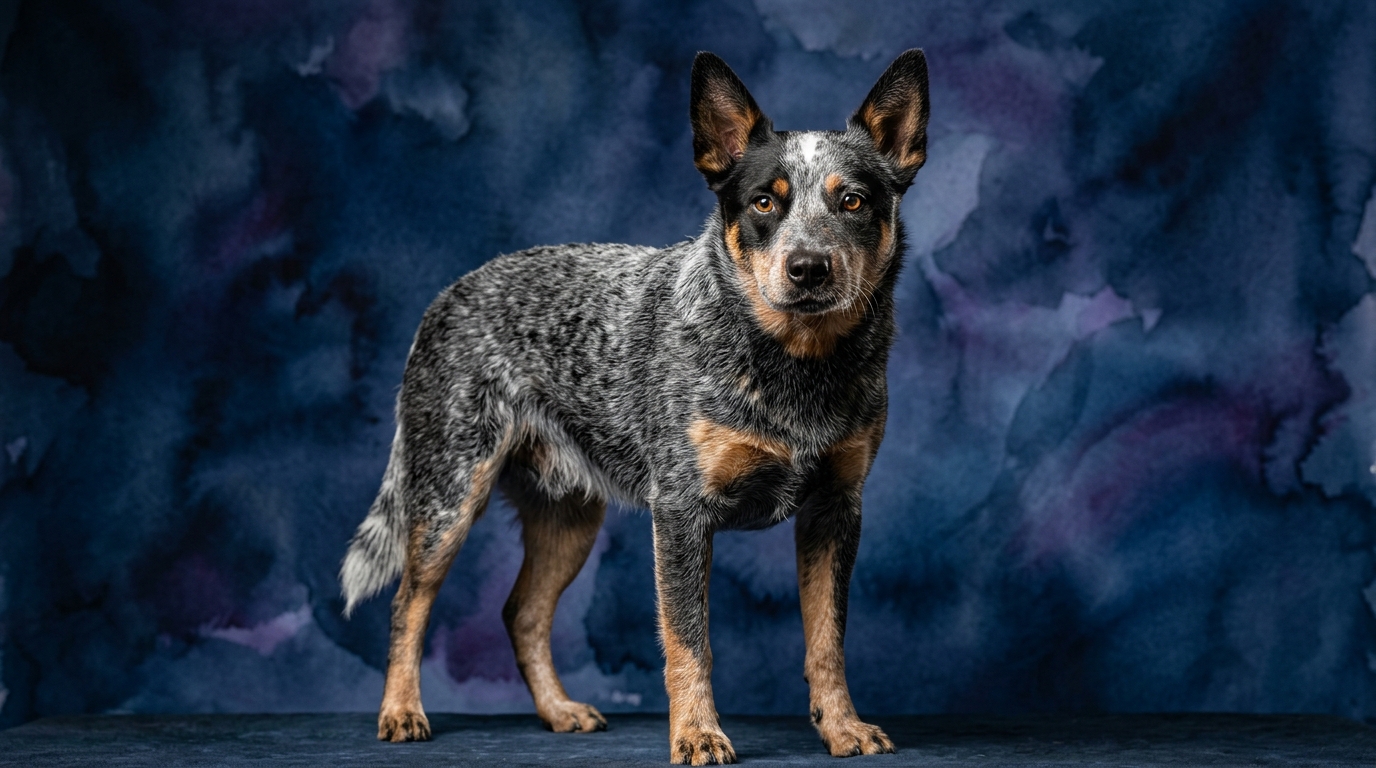
The Cosmic Pet Pet IQ Lab offers a granular view into the minds of our canine companions, dissecting intelligence into five critical dimensions. For the Australian Cattle Dog (ACD), their profile paints a picture of exceptional cognitive prowess. They score an impressive 5/5 in Problem Solving, indicating an outstanding capacity to navigate complex situations, devise solutions, and adapt to novel challenges. Their Training Speed also hits a perfect 5/5, meaning they absorb new commands and routines with remarkable swiftness, eager to engage in structured learning. Social Intelligence stands at 3/5, suggesting they understand human cues but often maintain a degree of independence, not overly reliant on constant social interaction. Their Instinctive Drive is a formidable 5/5, reflecting a powerful inherent desire to herd, work, and be active, demanding outlets for their profound natural instincts. Finally, their Memory is a stellar 5/5, demonstrating outstanding retention of learned behaviors, commands, and environmental details, contributing to their consistency and reliability. This robust profile positions the ACD at Coren rank #10, placing them among the top tier for working intelligence and obedience.
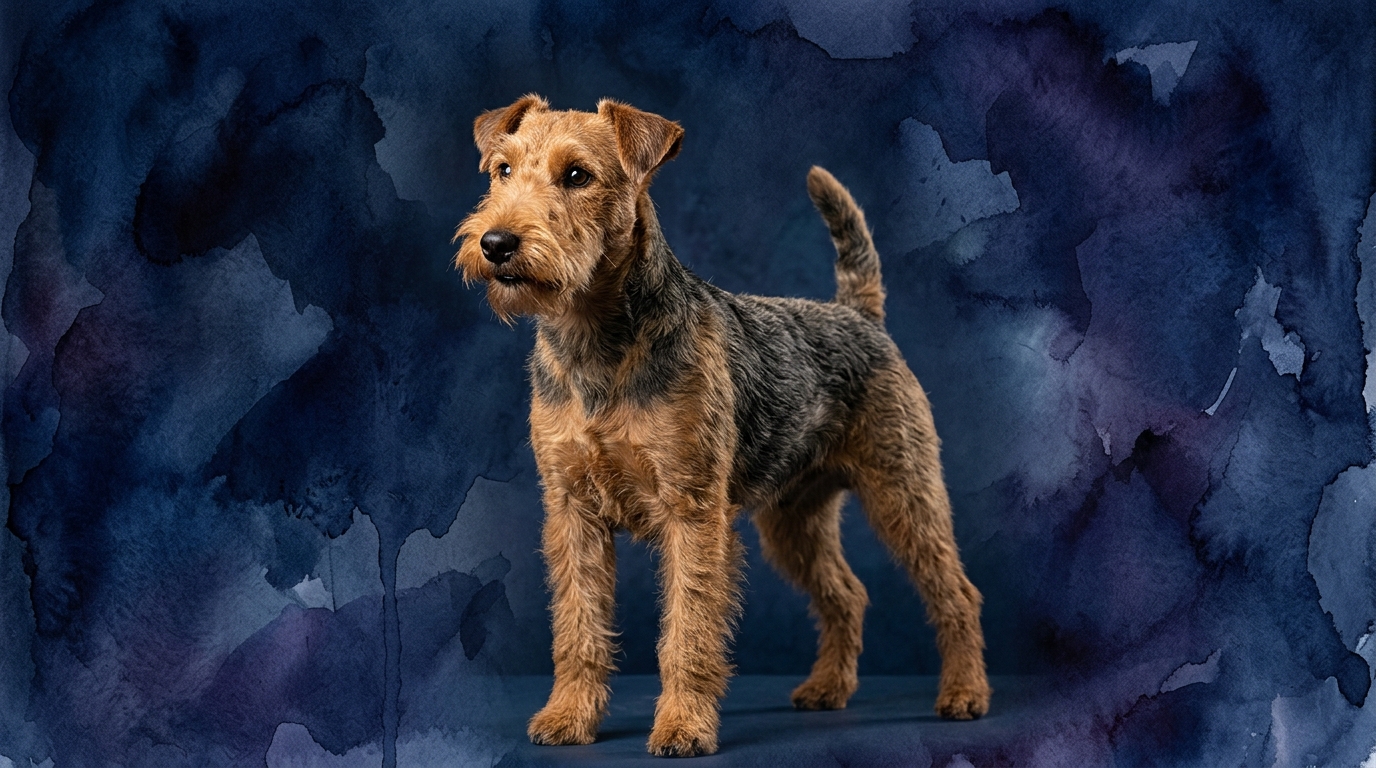
In contrast, the Welsh Terrier (WT) presents a more balanced, yet still capable, cognitive blueprint across the board. Their Problem Solving is rated 3/5, indicating competence at navigating moderate challenges and puzzles, approaching them with practical rather than abstract reasoning. Training Speed is also 3/5; they learn at a steady pace, capable of mastering commands with consistent effort, though not with the instantaneous grasp of a breed like the ACD. Their Social Intelligence matches at 3/5, showing they are generally good at reading human emotions and intentions, possessing an affable nature tempered by characteristic terrier independence. Instinctive Drive for the Welsh Terrier is 3/5, signifying a moderate but persistent drive for hunting and exploring, less intense than a herding dog’s continuous work ethic but still a potent force. Their Memory is a solid 3/5, ensuring good retention of training and experiences, making them reliable once concepts are firmly established, though perhaps not recalling every minor detail. Notably, the Welsh Terrier is not Coren-ranked, which often suggests their intelligence manifests differently or their obedience-focused skills are less universally recognized within that specific metric.
Where the Australian Cattle Dog’s Cognition Shines
The Australian Cattle Dog unequivocally excels in areas demanding intense focus, rapid learning, and robust retention. Their perfect 5/5 scores in Problem Solving, Training Speed, Instinctive Drive, and Memory signify a cognitive architecture built for demanding, high-stakes work. This breed is a master of efficiency, capable of quickly processing new information, retaining vast amounts of data, and applying solutions under pressure. Their Problem Solving prowess, combined with exceptional Memory, allows them to anticipate patterns and respond proactively, a critical asset born from generations of herding livestock. This translates into an unmatched capability for tasks requiring complex sequences, rapid decision-making, and consistent execution over long periods. The ACD's profound Instinctive Drive fuels a relentless focus on tasks, ensuring they remain engaged and driven even when challenges escalate, making them exceptional partners for intricate work or advanced dog sports.
Where the Welsh Terrier’s Cognitive Profile Holds Unique Advantages
While the Welsh Terrier may not boast the ACD's perfect scores, their balanced 3/5 ratings across all cognitive dimensions present a distinct advantage: a versatile and approachable intelligence. Their moderate Problem Solving and Training Speed mean they are capable learners and competent thinkers without the overwhelming intensity that can sometimes accompany a 5/5 profile. This allows them to adapt well to varied environments and training methodologies, providing a cognitive presence that is engaging but not necessarily hyper-demanding. The Welsh Terrier's 3/5 Social Intelligence, coupled with a 3/5 Instinctive Drive, suggests a dog that is engaged with its family and surroundings without being relentlessly task-oriented or requiring constant intellectual stimulation. Their cognitive profile enables them to be practical problem solvers and steady learners, which can be a significant 'win' for owners seeking a companion whose cognitive needs are substantial but more manageable, potentially leading to a more relaxed household dynamic once their exercise needs are met. Their moderate instinctive drive, while not a 5/5, is still a potent terrier trait that makes them formidable in their traditional role of vermin control – a different kind of problem-solving and persistence than herding, showcasing a tenacious cognitive strength in its own right.
Training Dynamics: Ease and Engagement
When it comes to ease of training, the Australian Cattle Dog generally presents a smoother path for complex tasks and obedience, provided the owner is experienced and consistent. Their 5/5 Training Speed means they absorb commands with remarkable swiftness, often requiring fewer repetitions. Their 5/5 Problem Solving allows them to grasp the 'why' behind the training, making them adept at generalizing lessons to new situations, and their 5/5 Memory ensures excellent retention. They thrive on clear direction and purpose, making advanced training like competitive obedience or agility a relatively fluid process for a knowledgeable handler. However, their high instinctive drive demands that training be engaging and purposeful to prevent boredom or redirection of their formidable energy towards less desirable outlets.
The Welsh Terrier, while certainly trainable, requires more patience and creative engagement. Their 3/5 Training Speed means concepts take longer to solidify, necessitating consistent repetition and abundant positive reinforcement. Their 3/5 Problem Solving and Memory scores indicate they will learn effectively, but they may not generalize lessons as quickly or intuitively as an ACD. The characteristic terrier independence, reflected in their 3/5 social intelligence, can sometimes translate into selective hearing if they don't perceive an immediate benefit or find the training sufficiently stimulating. Successful training with a Welsh Terrier often involves short, fun, and varied sessions that leverage their natural curiosity and playfulness, rather than relying solely on strict compliance. Owners must be prepared to be persistent and creative to keep these intelligent but sometimes stubborn dogs engaged.
Matching Canine Minds to Lifestyles: Active vs. Relaxed Owners
The choice between an Australian Cattle Dog and a Welsh Terrier heavily depends on an owner's lifestyle and capacity for engagement. The ACD is tailor-made for highly active owners who seek a true canine partner in adventure and work. Their 5/5 Instinctive Drive and 5/5 Problem Solving demand constant mental and physical engagement. These dogs need extensive daily exercise, challenging puzzle toys, advanced obedience training, or participation in dog sports like agility, flyball, or herding trials. A relaxed owner, unable to meet these profound cognitive and physical needs, would likely find an ACD bored, potentially destructive, and frustrated. They are happiest and most well-adjusted when given a 'job' to do, even if that job is competitive sport.
Conversely, the Welsh Terrier, while far from a sedentary breed, is a better fit for owners who are active but perhaps not seeking a canine co-worker with unrelenting demands. Their 3/5 Instinctive Drive means they genuinely enjoy vigorous walks, playtime, and exploring new environments, but generally don't require the same intensity or duration of activity as an ACD. Their cognitive needs are met with a good daily exercise routine, interactive play, and moderate training and enrichment, making them more adaptable to a less rigorous daily schedule than the ACD. They still benefit greatly from mental stimulation but are less likely to unravel if they miss a day of advanced training or competitive sport, making them a good choice for active families who enjoy regular outings without needing a full-time canine project.
The Verdict
Choose an Australian Cattle Dog if you are an experienced owner prepared for a highly engaged, intellectually demanding partner who excels in complex tasks, dog sports, or a working role, and can provide consistent, purposeful mental and physical stimulation.
Opt for a Welsh Terrier if you seek a spirited, intelligent companion whose cognitive needs are substantial but more manageable than a high-drive working breed, offering a lively and adaptable presence without requiring a full-time job for their dog.
🧠 Find Your Pet's IQ Score
Our Pet IQ Lab assessment covers 25+ tests across 5 cognitive dimensions — personalized to your breed.
Take the Full IQ Test →Frequently Asked Questions
Are Australian Cattle Dogs good with first-time owners?
Australian Cattle Dogs are generally not recommended for first-time owners due to their high cognitive demands, intense drive, and need for consistent, experienced handling to channel their formidable intelligence. Their rapid training speed and advanced problem-solving skills require an owner who can keep pace and provide sufficient mental engagement to prevent behavioral issues.
Do Welsh Terriers bark a lot?
Welsh Terriers, like many terriers, can be prone to barking due to their alert nature and instinctive drive to 'speak' about perceived threats or interesting stimuli. Consistent training, early socialization, and ensuring their exercise needs are met can help manage excessive barking, though their inherent watchfulness means some vocalization is natural for the breed.
What kind of mental exercise do these breeds need?
Australian Cattle Dogs require extensive mental exercises such as advanced obedience, complex puzzle toys, scent work, and dog sports to satisfy their 5/5 problem-solving and memory skills. Welsh Terriers benefit from regular, engaging training sessions, interactive games, and opportunities for exploration to stimulate their 3/5 problem-solving and instinctive drive without overwhelming intensity.