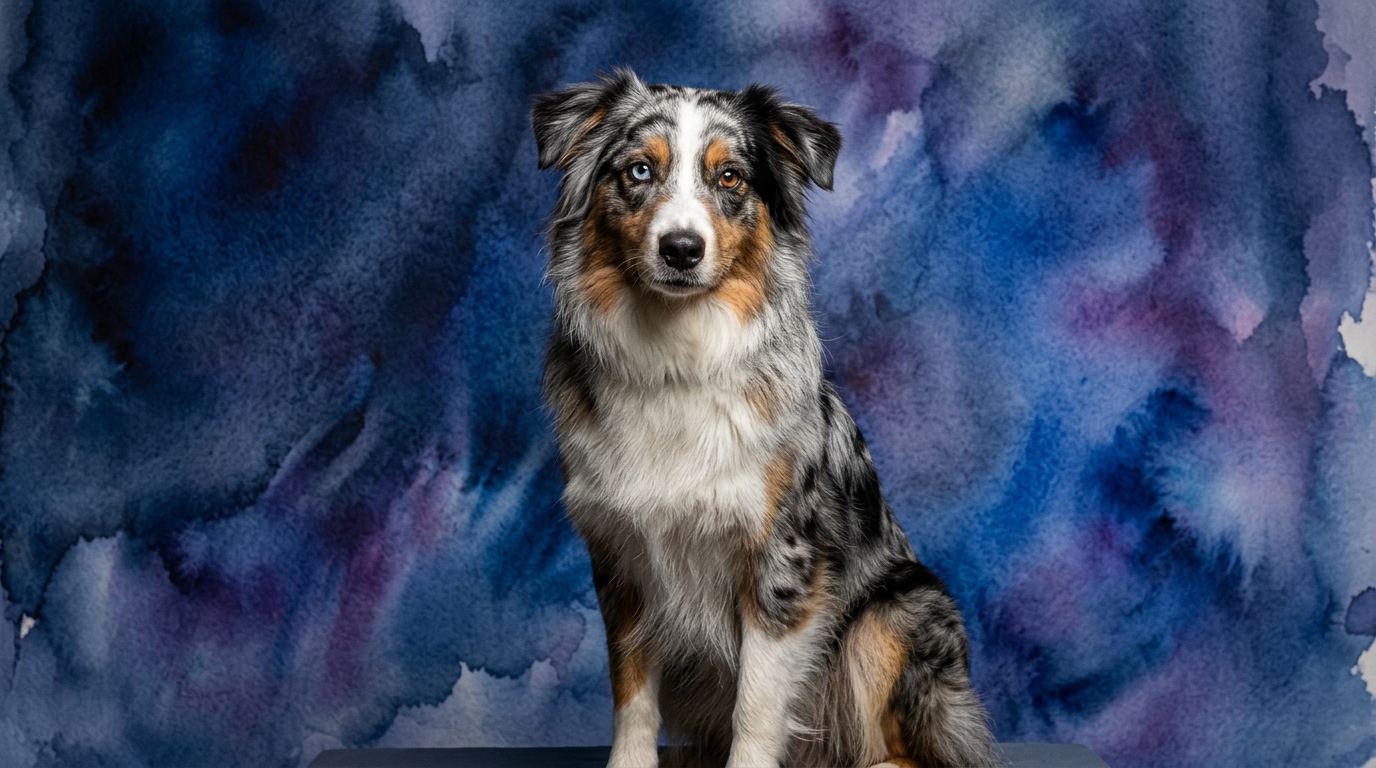
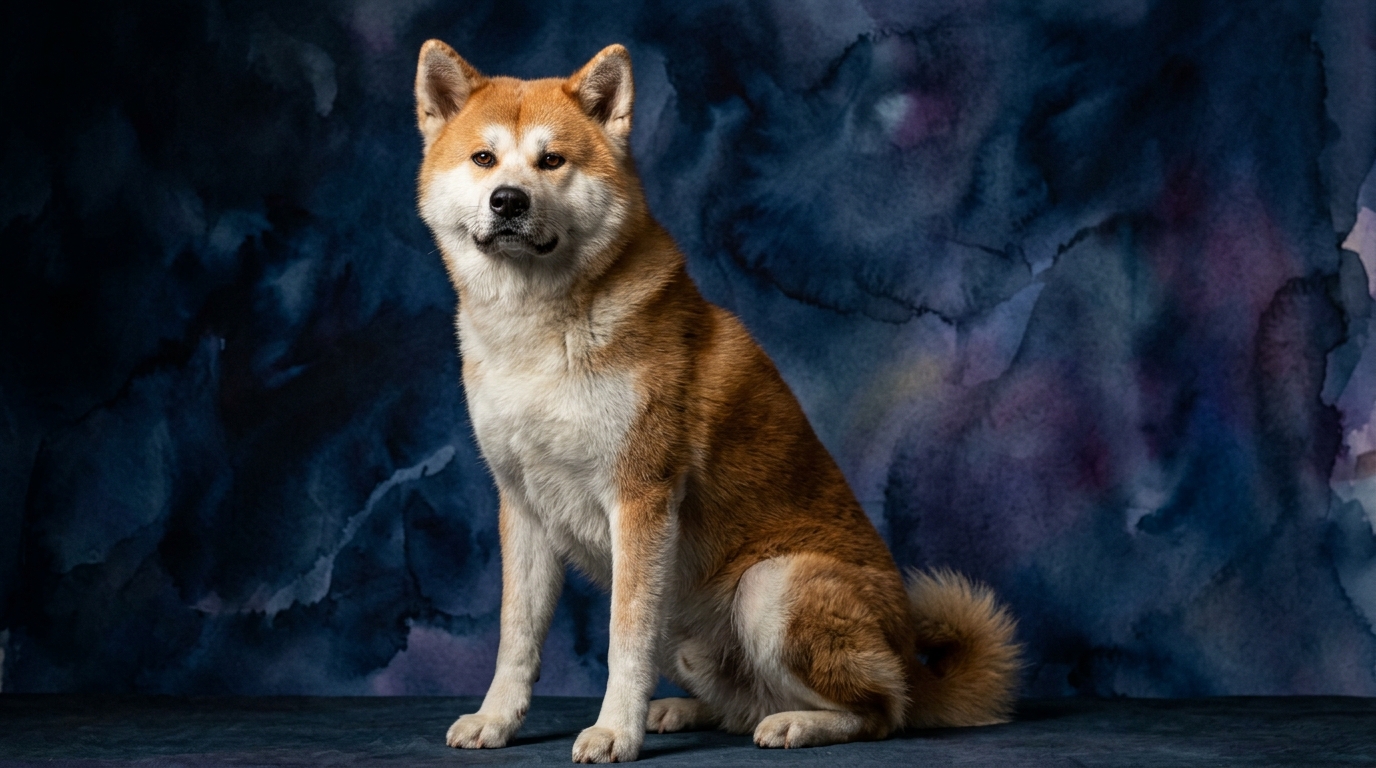
Side-by-Side IQ Profile: Australian Shepherd vs. Akita
The Cosmic Pet Pet IQ Lab provides a nuanced framework for understanding canine cognition beyond simple obedience. Let's examine how the Australian Shepherd and Akita measure up across five critical dimensions.
**Australian Shepherd IQ Profile:** As a herding breed, the Australian Shepherd's cognitive abilities are finely tuned for collaboration and rapid response. Their Problem Solving is rated 5/5, reflecting an exceptional capacity to analyze complex situations, devise strategies, and adapt quickly, often in concert with their human handler. Their Training Speed also scores a perfect 5/5; these dogs absorb new commands and routines with remarkable alacrity, driven by a strong desire to engage and perform tasks. Social Intelligence, at 4/5, indicates a deep understanding of human cues and emotions, fostering strong communicative bonds. An Instinctive Drive of 5/5 highlights their potent herding instincts, which manifest as a powerful urge to gather, organize, and control, requiring significant mental and physical outlets. Finally, their Memory is 5/5, allowing them to retain vast amounts of information, from intricate command sequences to past experiences, over extended periods.
**Akita IQ Profile:** The Akita, a robust working breed, presents a contrasting cognitive profile, emphasizing independence and discernment. Their Problem Solving is rated 3/5; while capable of figuring out solutions, Akitas often prefer to do so on their own terms, demonstrating less inclination for human-directed problem-solving. Training Speed is 2/5; they learn at a slower, more deliberate pace, often requiring consistent, patient repetition and a clear understanding of 'what's in it for them.' Their Social Intelligence, at 3/5, reflects a selective nature; Akitas form profound bonds with their immediate family but typically maintain a reserved, watchful demeanor with strangers, making their social cues less overtly collaborative than a herding breed. An Instinctive Drive of 5/5 underscores their powerful guarding and hunting instincts, a deep-seated urge to protect their family and territory. Their Memory is 4/5, enabling them to recall significant events, people, and routines with accuracy, though their recall of commands might be influenced by their independent will.
Where the Australian Shepherd Excels Cognitively
The Australian Shepherd's cognitive strengths primarily lie in their dynamic adaptability and collaborative spirit. Their superior problem-solving skills, combined with a 5/5 training speed, mean they can quickly grasp new concepts and apply them in novel situations. For instance, an Aussie can learn a complex agility course after just a few repetitions, not just memorizing the sequence but understanding the underlying principles to navigate variations. Their high social intelligence makes them exceptionally attuned to human intentions, allowing them to anticipate commands and react to subtle body language. This translates into a dog that can execute multi-step tasks, like moving specific livestock or retrieving particular items, with impressive precision and minimal prompting, making them highly effective partners in intricate work or competitive sports. Their memory allows them to build upon past successes, refining their approach to new challenges.
Where the Akita Demonstrates Unique Cognitive Strengths
The Akita's cognitive advantages are rooted in their capacity for independent judgment and unwavering resolve. While their training speed is lower, their 3/5 problem-solving score reflects a significant ability to make decisions without constant human oversight, particularly in situations requiring discernment or protection. An Akita might independently assess a perceived threat and react appropriately based on instinct and past experience, rather than waiting for a command. Their strong instinctive drive (5/5) means they possess a formidable sense of purpose, especially concerning guardianship. This breed remembers specific individuals or situations, whether friend or foe, with remarkable fidelity (4/5 memory), influencing their long-term behavior and interactions. This selective, deep retention and self-reliance are invaluable in roles requiring steadfastness and discretion, rather than constant human interaction.
Training Dynamics: Ease and Engagement
When it comes to training, the differences between these two breeds are pronounced and directly linked to their IQ profiles. The Australian Shepherd, with its 5/5 training speed and 4/5 social intelligence, is generally considered much easier to train. They possess an innate eagerness to please and thrive on mental stimulation and cooperative tasks. They respond enthusiastically to positive reinforcement, quickly forming associations between actions and rewards. Their low threshold for frustration and high desire for cooperation make them receptive students, often anticipating the next step in a training session. Owners will find an Aussie thrives on variety and challenge, making advanced obedience, agility, or trick training highly rewarding.
Conversely, the Akita's 2/5 training speed and independent nature make them a more challenging prospect for training. While they are capable of learning, they require immense patience, consistency, and a profound understanding of their motivations. An Akita is less inclined to perform purely for human approval; they need to perceive a clear benefit or logical reason for obeying. Their strong self-will means they might choose to ignore a command if they don't see the point, or if their independent judgment dictates a different course of action. Training an Akita involves building deep trust and respect, often through calm, consistent leadership and positive reinforcement, rather than relying on their innate desire to cooperate.
Suited Lifestyles: Active Engagement vs. Calm Companionship
The cognitive and instinctive drives of these breeds dictate very different ideal living situations. An Australian Shepherd is unequivocally suited for active owners. Their 5/5 instinctive drive and high energy levels demand significant physical exercise and constant mental engagement. These are not dogs content with a short walk around the block; they need opportunities for vigorous play, long runs, herding games, or participation in dog sports like agility or flyball. Owners must be prepared to dedicate substantial time daily to exercise and intellectual stimulation to prevent boredom, which can lead to destructive behaviors. They thrive in environments where they are given a 'job' to do, even if it's just fetching a ball repeatedly or learning new tricks.
The Akita, while possessing a 5/5 instinctive drive, expresses it differently, leaning towards a more deliberate, watchful energy. While they require regular, moderate exercise, such as daily walks or a secure yard for patrolling, they are not typically frantic or hyperactive once their needs are met. They are often more content with quiet companionship and will protect their family vigilantly. Owners of an Akita need to be calm, confident leaders who can respect the breed's independent nature and provide consistent structure. They are less suited for owners seeking a dog for high-intensity sports or constant 'go-go-go' interaction, preferring a more dignified and self-possessed presence within the home.
The Verdict
Choose an Australian Shepherd if you are an active, engaged owner seeking a highly cooperative, quick-witted partner for sports, complex tasks, or a dynamic family life.
Opt for an Akita if you appreciate an independent, dignified companion that offers profound loyalty and discerning protection, and you are prepared for a patient, respectful training approach.
🧠 Find Your Pet's IQ Score
Our Pet IQ Lab assessment covers 25+ tests across 5 cognitive dimensions — personalized to your breed.
Take the Full IQ Test →Frequently Asked Questions
Are Australian Shepherds good for first-time dog owners?
Australian Shepherds can be challenging for first-time owners due to their high energy, intense need for mental stimulation, and strong herding instincts. They require a significant commitment to training and exercise to thrive, making them better suited for experienced individuals prepared for an active lifestyle.
Do Akitas typically get along with other pets, especially other dogs?
Akitas generally have a strong prey drive and can be dog-selective or aggressive towards other canines, especially those of the same sex. Early and consistent socialization is crucial, but they often do best as the only dog in a household or with a very carefully selected, compatible companion.
What are the main challenges of owning an Akita?
The primary challenges of owning an Akita include their independent and sometimes stubborn nature, requiring immense patience and consistency in training. They also have a strong guarding instinct and can be wary of strangers and other animals, necessitating careful socialization and management throughout their lives.