Side-by-Side Cognitive Profiles
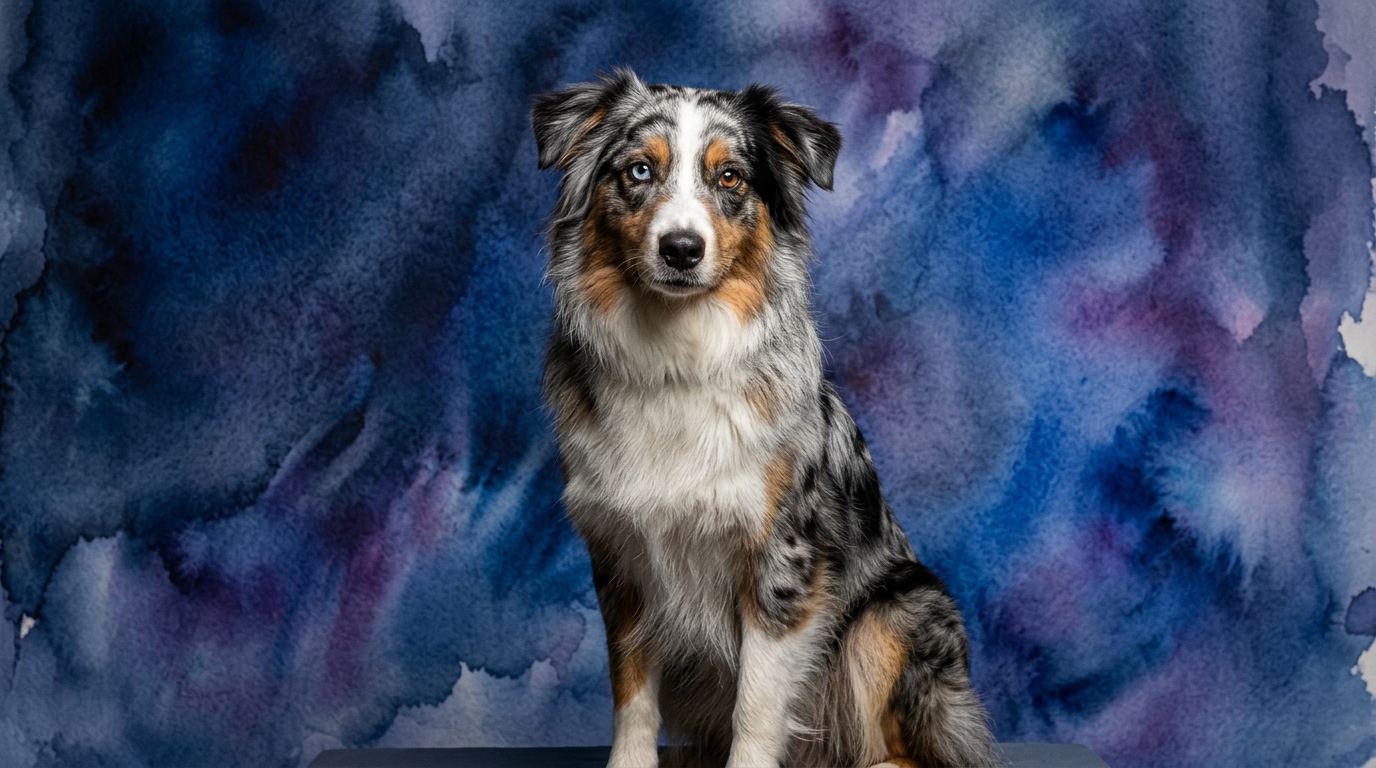
The Australian Shepherd, a breed rooted in pastoral heritage, boasts a cognitive profile built for complex tasks. Their Problem Solving is 5/5, reflecting an innate ability to assess situations, strategize, and execute solutions, often independently, for managing livestock or novel challenges. Training Speed is 5/5, indicating an extraordinary capacity for rapid learning, quickly grasping commands and routines. Social Intelligence is 4/5; they are highly attuned to human cues and group dynamics, often anticipating intentions, though their focus remains task-oriented. An Instinctive Drive of 5/5 highlights their powerful urge to herd, patrol, and engage in purposeful work, requiring consistent outlets. Finally, their Memory is 5/5, allowing them to retain vast amounts of information, including complex sequences and routines, with remarkable fidelity.
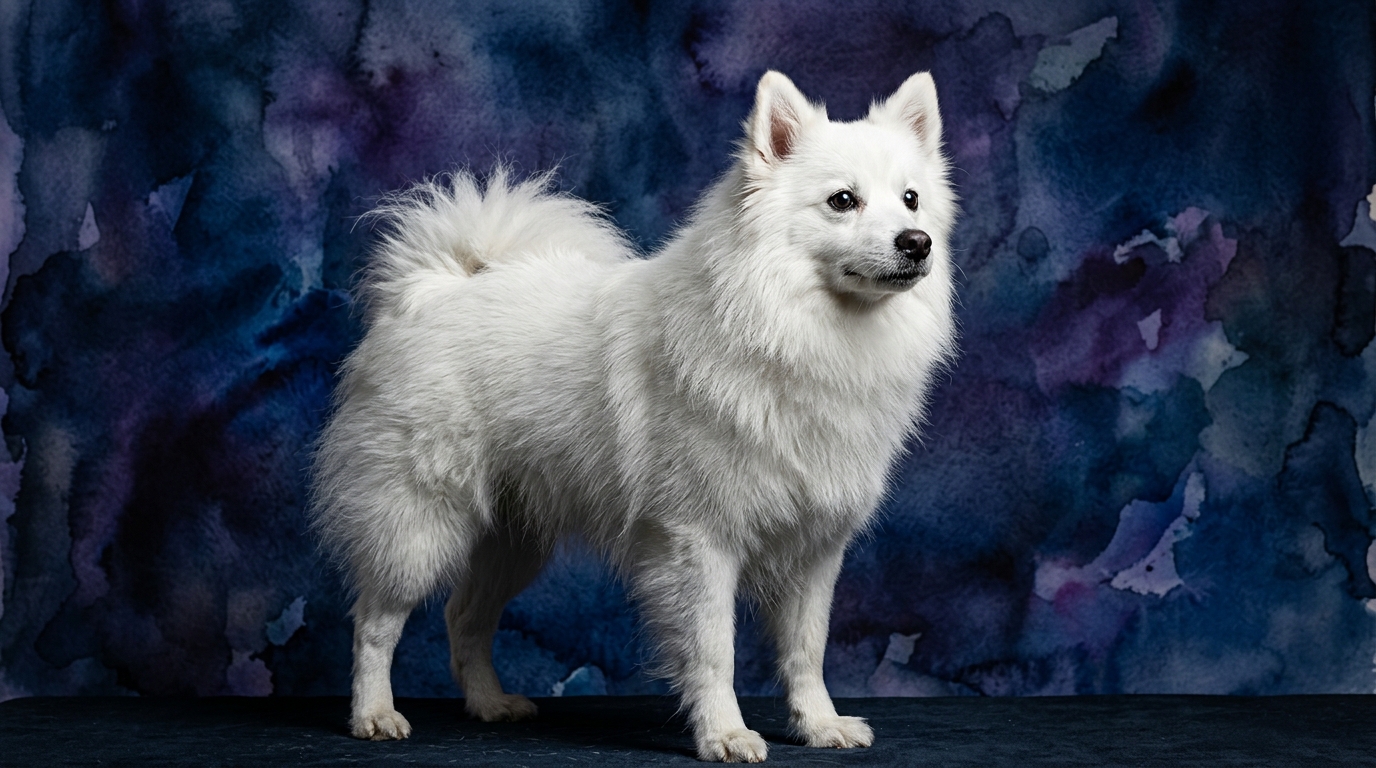
In contrast, the American Eskimo Dog, a descendant of German Spitz breeds, presents a cognitive makeup tailored for companionship and vigilance. Their Problem Solving ability is 3/5, suggesting a moderate capacity to navigate novel challenges, often relying on learned behaviors rather than complex, spontaneous strategizing. Training Speed for the Eskie is also 3/5; they are capable learners but typically require more repetition and consistent reinforcement than a herding breed to master new skills. Social Intelligence scores 3/5, indicating a sociable nature with a good understanding of their immediate human family, though perhaps less nuanced in interpreting broader social cues. Their Instinctive Drive is a balanced 3/5, manifesting as a desire for play, companionship, and alertness, rather than a singular, intense working drive. Memory for the American Eskimo Dog is likewise 3/5, allowing them to remember commands and routines reliably, but perhaps not with the intricate detail or long-term retention seen in breeds bred for complex, multi-stage tasks.
Where the Australian Shepherd Excels Cognitively
The Australian Shepherd's cognitive strengths are most evident in their capacity for intricate, multi-step problem-solving and their unparalleled learning efficiency. Their 5/5 rating in Problem Solving means an Aussie can quickly analyze a novel situation, such as a gate left open or a complex agility course, and devise a plan of action, often without direct instruction. This exceptional Training Speed (5/5) allows them to absorb new information with astonishing alacrity, often picking up new commands after just a few repetitions. This makes them adept at learning extensive vocabularies and mastering complex behavioral chains, making them prime candidates for advanced obedience, service work, or competitive dog sports where rapid acquisition and precise execution are paramount. The breed's robust Memory (5/5) underpins this rapid learning, ensuring that once a skill is learned, it is retained with remarkable fidelity, allowing for consistent performance even after long breaks.
Where the American Eskimo Dog Offers a Different Advantage
While the American Eskimo Dog's cognitive scores are moderate compared to the Australian Shepherd, their profile offers distinct advantages for specific lifestyles and owners. Their 3/5 Instinctive Drive, for example, means they typically do not possess the intense, inherent need to 'work' or herd, which can be a significant benefit in a non-working home. This reduces the likelihood of them attempting to herd children, other pets, or even inanimate objects, requiring less redirection and management of powerful innate behaviors. Similarly, their 3/5 Social Intelligence, while not as acutely perceptive as a herding dog, fosters a straightforward and affectionate companionship. They are deeply bonded to their families without the intense scrutiny or 'management' tendencies that some highly perceptive breeds exhibit, leading to a more relaxed and less demanding social dynamic within the home. This balanced cognitive profile means they are less prone to developing complex, self-reinforcing unwanted behaviors driven by extreme mental boredom or intense instinctual urges, often presenting a more predictable and manageable pet experience for the average owner.
Training: Ease and Behavioral Nuances
When it comes to training, the Australian Shepherd generally presents a faster and more eager learning curve due to their 5/5 Training Speed and 5/5 Problem Solving. They are often described as 'velcro dogs' due to their desire to be constantly engaged with their human, which translates into a strong motivation to please and understand commands. However, this high capacity also means they require consistent mental stimulation; without it, their ingenuity can be turned towards less desirable activities, such as outsmarting fences or inventing their own 'jobs' around the house. Their 5/5 Instinctive Drive means training must often incorporate outlets for their herding tendencies, whether through structured sports or specific games, to prevent frustration or misdirected energy. They thrive on challenge and variety, quickly becoming bored with repetitive drills and needing an owner who can keep pace with their intellect.
The American Eskimo Dog, with its 3/5 Training Speed and Problem Solving, requires a more patient and consistent approach. While capable of learning a wide array of commands, they typically need more repetitions to solidify new behaviors and may not generalize skills as quickly across different environments. Their moderate 3/5 Instinctive Drive means they are less likely to develop problematic behaviors stemming from an overwhelming urge to work, but they can exhibit a stubborn streak if not motivated appropriately. Positive reinforcement, short and engaging sessions, and clear expectations are key. They are generally less demanding in terms of the *intensity* of mental engagement required compared to an Aussie, but still benefit greatly from regular training and enrichment to prevent boredom and ensure good manners. Their companion-oriented social intelligence (3/5) makes them responsive to family members, but they may be less inclined to perform complex tasks for strangers or in high-distraction environments without significant generalization training.
Matching Breeds to Lifestyles: Active vs. Relaxed Owners
For active owners seeking a canine partner for sports, adventure, and constant engagement, the Australian Shepherd is an ideal match. Their 5/5 Instinctive Drive demands a lifestyle filled with purpose, whether that's agility, flyball, disc dog, hiking, or even actual herding work. Their exceptional Problem Solving and Memory mean they thrive on learning complex routines and solving novel challenges alongside their human. Owners who enjoy long daily walks, running, or structured training sessions will find an Aussie to be an enthusiastic and tireless companion. A relaxed owner, however, would likely find an Australian Shepherd's needs overwhelming, as insufficient mental and physical outlets can lead to anxiety, destructive behaviors, or hyperactive tendencies, directly stemming from their unfulfilled cognitive and instinctual drives.
The American Eskimo Dog, with its more moderate 3/5 ratings across the board, is better suited for owners who appreciate a lively but less intensely demanding companion. While they enjoy play and regular walks, their needs for structured 'work' or extreme physical exertion are not as pronounced as an Aussie's. They are content with daily walks, interactive playtime in the yard, and consistent training for manners and basic obedience. Their social intelligence (3/5) makes them adaptable companions for families, eager to participate in daily life without constantly seeking a 'job'. A relaxed owner who can provide consistent, moderate exercise and mental enrichment will find the Eskie a charming and devoted pet, capable of adapting to various living situations, including apartments, provided their moderate needs for activity and companionship are met.
The Verdict
Choose the Australian Shepherd if you are an active, experienced owner ready to consistently engage a highly perceptive and driven dog in complex mental and physical activities.
Opt for the American Eskimo Dog if you seek a spirited, companion-focused pet with moderate energy and cognitive needs, suitable for a consistent but less intensely demanding lifestyle.
🧠 Find Your Pet's IQ Score
Our Pet IQ Lab assessment covers 25+ tests across 5 cognitive dimensions — personalized to your breed.
Take the Full IQ Test →Frequently Asked Questions
Do Australian Shepherds get bored easily?
Yes, Australian Shepherds, with their high problem-solving and instinctive drive, get bored quickly without consistent mental stimulation and physical activity. They require engaging tasks to prevent them from creating their own, potentially undesirable, entertainment.
Are American Eskimo Dogs good apartment dwellers?
American Eskimo Dogs can be good apartment dwellers if their moderate exercise needs are consistently met through daily walks and indoor play, and they receive adequate mental enrichment. Their moderate drive makes them more adaptable to smaller spaces than a typical herding breed.
How much mental stimulation do these breeds need?
Australian Shepherds require extensive daily mental stimulation, including puzzle toys, training sessions, and learning new tricks, to satisfy their keen intellect. American Eskimo Dogs need moderate daily mental enrichment, such as regular training, interactive games, and varied walks, to keep them engaged.