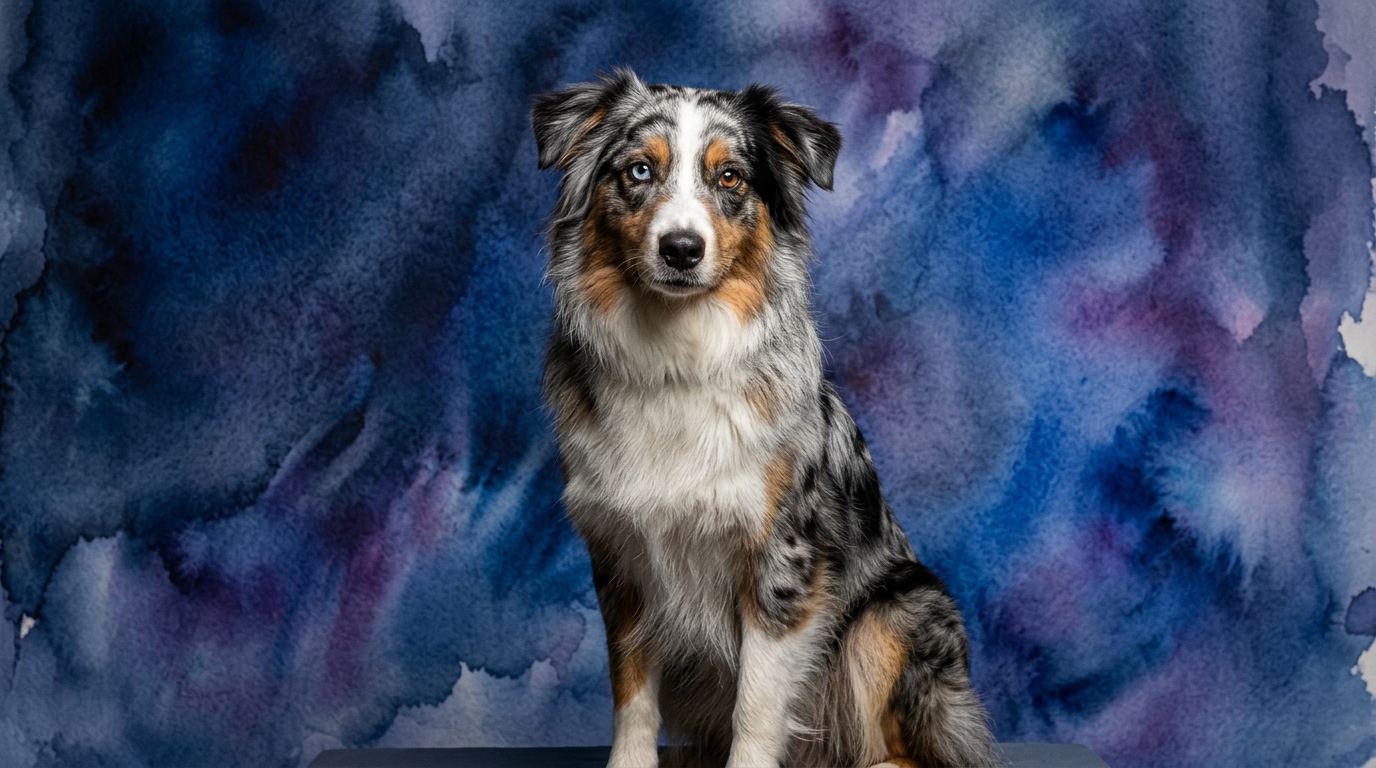
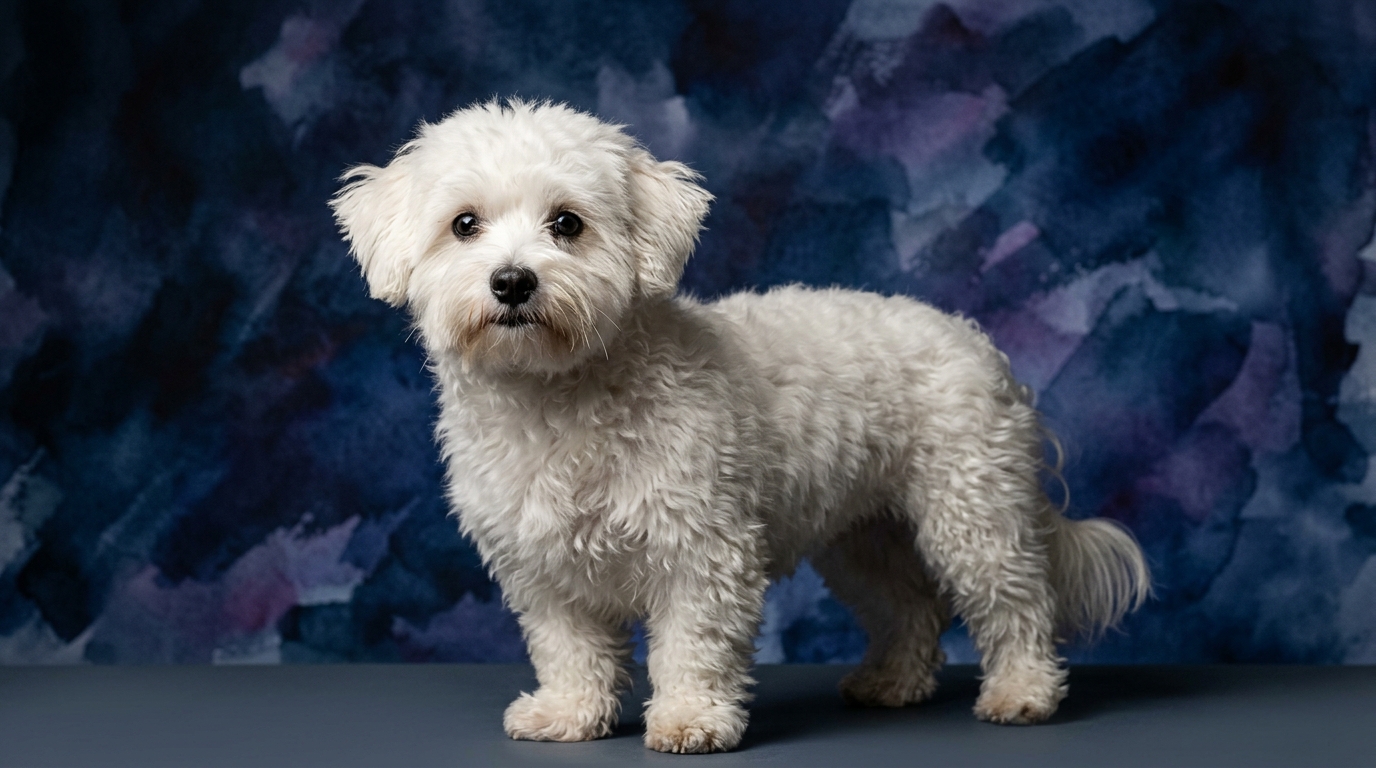
Side-by-Side Cognitive Profiles: Aussie vs. Coton de Tuléar
Our Pet IQ Lab provides a unique framework for understanding canine mental capabilities across five critical dimensions. For the Australian Shepherd, a breed originating from the demanding world of herding, their scores reflect a profound capacity for work and understanding. They achieve a 5/5 in Problem Solving, demonstrating an exceptional ability to devise novel solutions and navigate complex scenarios, a direct legacy of their need to manage livestock. Their Training Speed also stands at a perfect 5/5, indicating a remarkable quickness in absorbing new commands and routines, often with minimal repetition, driven by their eagerness to engage. Social Intelligence is rated 4/5, signifying a robust understanding of human cues and intentions, leading to perceptive bonds, though they may start with a reserved demeanor. Their Instinctive Drive is a powerful 5/5, reflecting an innate urge to herd, chase, and work, which acts as a core motivator for their cognitive engagement. Finally, their Memory is also a 5/5, showcasing an outstanding ability to retain learned information, locations, and complex sequences over extended periods.
In contrast, the Coton de Tuléar, a charming companion breed, presents a different cognitive landscape tailored more for affectionate interaction than demanding tasks. Their Problem Solving is rated 3/5, indicating a moderate capacity to tackle new challenges; they are adept at learning established solutions but less inclined to spontaneous innovation, preferring clear guidance. Training Speed is also 3/5, meaning they learn at a steady, consistent pace, responding well to positive reinforcement and requiring enjoyable, patient sessions to solidify new behaviors. Social Intelligence registers 3/5, reflecting an effective ability to connect with humans, understand basic social interactions, and generally seek companionship, albeit with perhaps less nuance in interpreting complex human social dynamics compared to higher-scoring breeds. Their Instinctive Drive is a moderate 3/5, typically expressed as playful curiosity or a desire for interaction rather than a strong urge to perform specific tasks. Lastly, their Memory is 3/5, capable of retaining information adequately for daily routines and learned commands, though perhaps not with the same depth for intricate sequences as breeds with higher scores.
Where the Australian Shepherd's Cognition Excels
The Australian Shepherd's cognitive profile showcases several areas where their mental architecture is particularly advanced, especially in contexts requiring active engagement and learning. Their 5/5 Problem Solving isn't merely about following instructions; it means they actively process their environment, often devising creative solutions to obstacles, whether it's navigating an intricate agility course or figuring out how to retrieve a toy from a tight spot. This cognitive flexibility allows them to adapt to rapidly changing situations.
The 5/5 Training Speed highlights their exceptional capacity for rapid skill acquisition and pattern recognition. This means they can master advanced obedience, complex trick sequences, or specialized tasks with fewer repetitions than many other breeds. Their focus and eagerness to engage make them highly receptive students, capable of absorbing and applying new information quickly across various working roles.
Furthermore, their 5/5 Instinctive Drive provides a powerful internal engine for their cognitive engagement. This drive isn't just about physical energy; it’s a mental motivator that encourages them to apply their problem-solving and memory skills to tasks, whether it involves herding, scent work, or disc dog activities. This intrinsic motivation ensures they are eager, active participants in cognitive challenges, seeking opportunities to engage their minds.
Finally, the Australian Shepherd's 5/5 Memory contributes significantly to their overall cognitive prowess. They can recall vast amounts of information, from intricate command sequences to the location of specific objects, or even the nuances of a training routine after a long break. This outstanding retention allows them to build upon previous learning, making them highly capable of continuous skill development and long-term task performance.
Where the Coton de Tuléar's Cognition Shines
While the Coton de Tuléar's cognitive scores are generally lower than the Australian Shepherd's, their specific blend of mental attributes represents a distinct advantage in different contexts, particularly for companion living. Their 3/5 Social Intelligence, for instance, is perfectly balanced for forming affectionate bonds and providing comforting presence without the intense need for complex mental stimulation or the potential for over-analysis that higher-scoring breeds might exhibit. Their social cognition is geared towards harmonious, approachable interaction rather than intricate task interpretation.
The Coton's moderate 3/5 Instinctive Drive is another area where their cognitive profile aligns uniquely with certain lifestyles. This means they are less burdened by overwhelming urges to work or herd, allowing them to be content with less structured mental engagement. Their drive is typically expressed as playful curiosity or a desire for interaction, which is a strength for owners seeking a relaxed yet engaging companion without the demanding mental exercise requirements of a working breed. They are not prone to creating their own 'jobs' that might conflict with household harmony.
Their 3/5 in Problem Solving also presents a practical advantage for typical home environments. Cotons are capable of learning household rules and routines without constantly seeking to outsmart their surroundings. They are less likely to devise elaborate schemes to open cupboards or escape yards, making them generally easier to manage in a standard home setting. Their cognitive approach is more about learning established patterns than inventing new, potentially challenging ones.
Lastly, a 3/5 Training Speed, while not as rapid as an Aussie’s, is still respectable and can be a distinct benefit for certain owners. It means they are receptive to learning, especially with positive reinforcement. This steady pace can be a strength for first-time owners or those who prefer a more relaxed training journey, fostering patience and a stronger bond through consistent, enjoyable sessions without the pressure of needing to constantly introduce new, complex challenges.
Training Dynamics: Ease and Behavioral Differences
When considering ease of training, the Australian Shepherd, with its 5/5 training speed, generally acquires new behaviors and commands with remarkable swiftness. Their exceptional focus, deep desire to engage, and intense work ethic mean they absorb complex sequences with minimal repetition. This rapid uptake is fueled by their high instinctive drive (5/5) and advanced problem-solving ability (5/5), making them active participants in their learning process. However, this inherent ease comes with a significant responsibility: their profound cognitive capacity demands consistent and varied mental engagement. An Aussie that is untrained or insufficiently stimulated can channel their impressive mental energy into undesirable behaviors, such as excessive herding of people or objects, nipping, or destructive chewing, making them challenging to manage if their cognitive needs are neglected.
The Coton de Tuléar, with its 3/5 training speed, requires a more patient and consistent approach. They learn at a steady, reliable pace and respond best to positive reinforcement, short, engaging sessions, and clear, repetitive instructions. Their moderate instinctive drive (3/5) means they aren't inherently driven to perform complex tasks, but their balanced social intelligence (3/5) ensures they are generally cooperative and enjoy the interaction that comes with training. While they won't master commands as quickly as an Aussie, their training journey can be more relaxed and less demanding of the owner's time and expertise. They are less prone to developing destructive habits out of sheer boredom or lack of intense mental challenge, making them a forgiving partner for novice trainers who appreciate a more gradual learning curve.
Cognitive Profiles and Owner Lifestyles
The distinct cognitive profiles of these two breeds naturally align with different owner lifestyles. The Australian Shepherd is an ideal match for active owners who thrive on consistent engagement and challenge. Their 5/5 instinctive drive demands a substantial outlet, not just physically but cognitively. Owners who participate in dog sports like agility, flyball, or advanced obedience, enjoy extensive outdoor adventures, or are committed to specialized training will find an Aussie to be an enthusiastic, highly capable partner. Their 5/5 problem-solving and memory mean they excel when given complex tasks to master, making them ideal for individuals or families committed to providing consistent mental stimulation and a structured 'job.' Without these crucial outlets, their profound cognitive abilities can lead to frustration, anxiety, and the manifestation of undesirable behaviors, as their minds seek constructive (or destructive) engagement.
Conversely, the Coton de Tuléar is ideally suited for owners seeking a more relaxed pace of life and a companion focused on affection. Their moderate 3/5 instinctive drive and problem-solving scores mean they are content with regular walks, interactive play, and cuddles on the couch. While they still benefit from consistent training and mental engagement to prevent boredom, their needs are far less intense than an Aussie's. They thrive on companionship, and their 3/5 social intelligence makes them excellent, adaptable housemates who enjoy being part of family activities without demanding constant, high-level mental challenges. They are a wonderful choice for individuals, seniors, or families who appreciate a cheerful, affectionate presence that doesn't require an exhaustive daily regimen of cognitive work, finding joy in simple interactions and a harmonious home life.
The Verdict: Choosing Your Canine Companion
The Verdict
Choose the Australian Shepherd if you are an experienced dog owner eager to engage a brilliant, driven partner in dog sports, advanced training, or demanding outdoor activities, ready to dedicate significant time to their profound cognitive needs.
Opt for the Coton de Tuléar if you seek a charming, adaptable companion who thrives on affection and moderate engagement, suitable for a relaxed household and owners who appreciate a steady learning pace and lower daily mental demands.
🧠 Find Your Pet's IQ Score
Our Pet IQ Lab assessment covers 25+ tests across 5 cognitive dimensions — personalized to your breed.
Take the Full IQ Test →Frequently Asked Questions
Do Australian Shepherds get bored easily?
Yes, with a 5/5 problem-solving and instinctive drive, Australian Shepherds require consistent mental engagement. They will quickly become bored and potentially destructive if not given adequate cognitive challenges and physical activity to channel their considerable mental energy.
Are Coton de Tuléars good for first-time dog owners?
Coton de Tuléars can be an excellent choice for first-time dog owners due to their moderate training speed (3/5) and balanced instinctive drive (3/5). They are generally cooperative and eager to please, making their training journey manageable with consistent positive reinforcement and patience.
How do their social intelligence scores impact family life?
An Australian Shepherd's 4/5 social intelligence means they are highly perceptive of family dynamics and human cues, often forming deep, protective bonds, though they might be reserved with strangers. A Coton de Tuléar's 3/5 social intelligence indicates they are amiable and enjoy interacting with family members, adapting well to various social situations with a cheerful disposition, making them great all-around companions.