Side-by-Side Cognitive Profiles
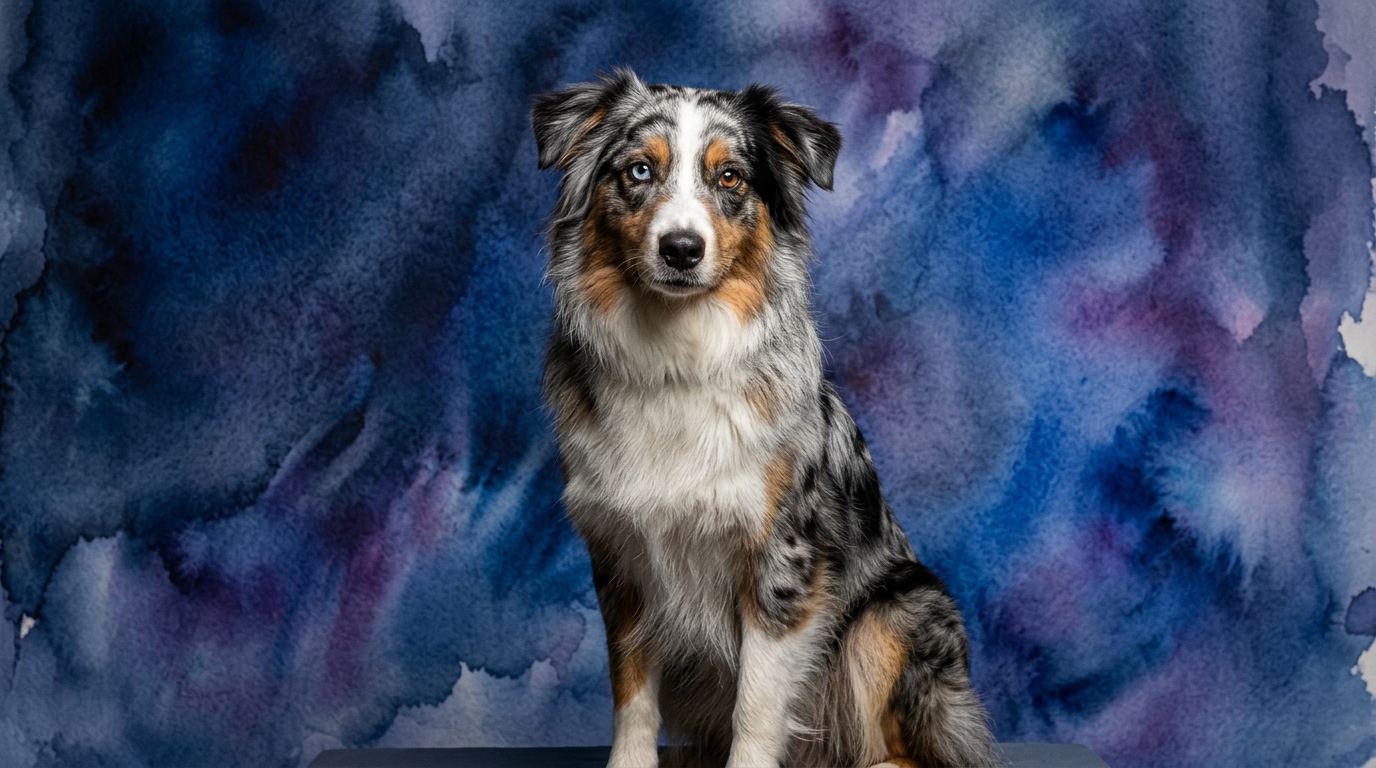
The Australian Shepherd, a breed forged for demanding herding tasks, exhibits a suite of cognitive abilities optimized for complex work. Their Problem Solving is rated 5/5, indicating an exceptional capacity to navigate intricate scenarios and devise solutions independently, often involving spatial reasoning and strategic movement. Training Speed, also at 5/5, highlights their rapid acquisition of new commands and behaviors, driven by an eagerness to engage and a strong work ethic. Social Intelligence, at 4/5, points to a keen awareness of human cues and emotional states, fostering strong bonds and cooperative efforts. An Instinctive Drive of 5/5 reflects their powerful innate desire to work, chase, and control, a core component of their herding heritage. Finally, their Memory at 5/5 ensures they retain complex sequences, commands, and learned experiences with remarkable fidelity, crucial for consistent performance over time.
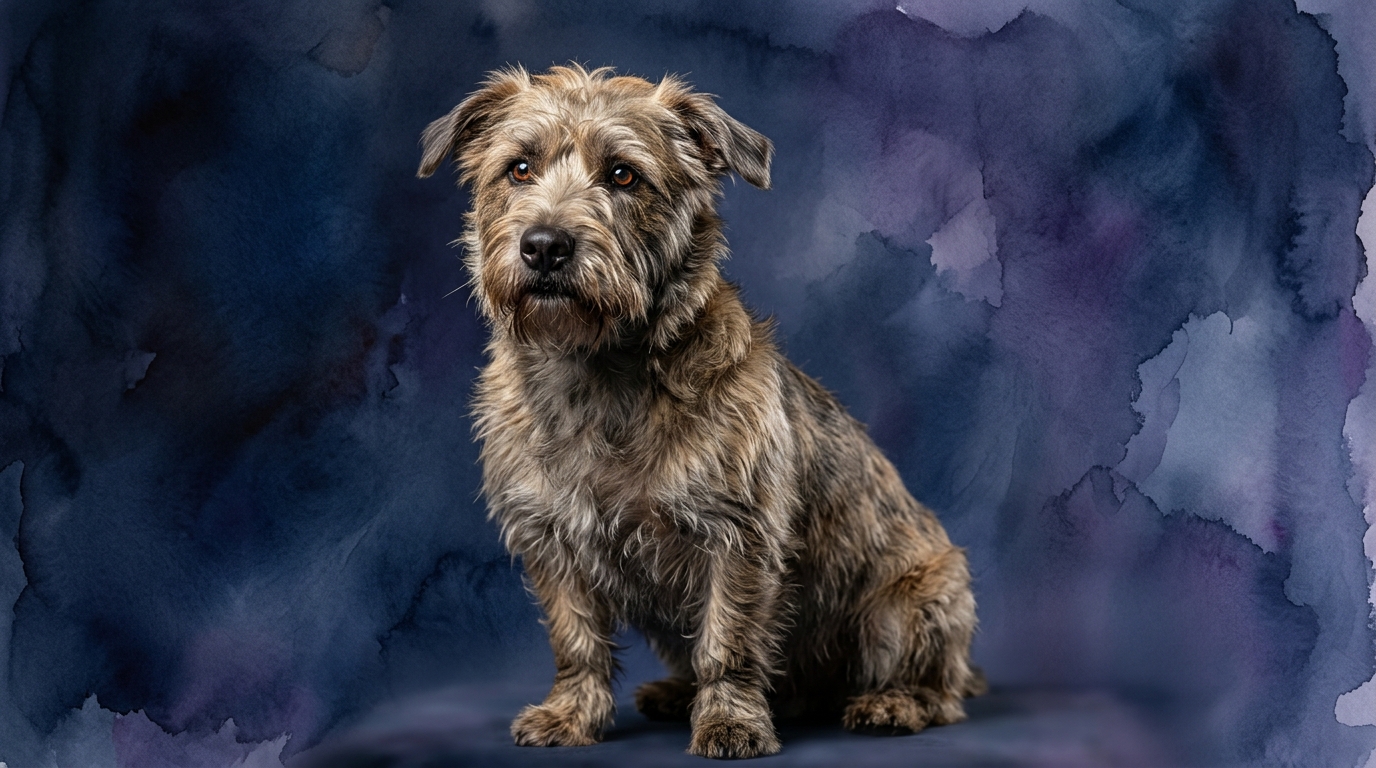
In contrast, the Glen of Imaal Terrier, originating as a tenacious badger and fox hunter, presents a different cognitive blueprint, tailored for independent, robust work underground. Their Problem Solving is rated 3/5; while capable, they might approach challenges with more direct persistence rather than intricate strategy, favoring brute force or single-minded focus. Training Speed at 3/5 suggests they learn at a moderate pace, often requiring more repetition and finding intrinsic motivation in tasks. Social Intelligence, also 3/5, indicates a more independent nature; while affectionate with their family, they may not be as attuned to subtle human signals or as driven by constant social interaction as some other breeds. An Instinctive Drive of 3/5 reflects a focused, but not overwhelming, drive for specific terrier tasks, less about broad control and more about determined pursuit. Their Memory, rated 3/5, allows them to recall learned behaviors and experiences, but perhaps with less precision or retention of complex details compared to the Australian Shepherd.
Where the Australian Shepherd Shines Cognitively
The Australian Shepherd's cognitive strengths are evident in their remarkable capacity for intricate tasks and adaptive learning. Their 5/5 Problem Solving means they don't just follow instructions; they can assess novel situations, like a gate left ajar or a missing flock member, and independently strategize a solution. This manifests in their aptitude for complex agility courses, where they must quickly process sequences of obstacles and adjust their approach on the fly. Their 5/5 Training Speed allows them to absorb new commands, tricks, and routines at an astonishing pace, often understanding concepts after just a few repetitions, making them ideal candidates for advanced obedience or competitive dog sports. Furthermore, their 5/5 Memory ensures that once a skill is learned, it is deeply ingrained, allowing for consistent, reliable performance even after long breaks. This combination of swift learning, deep retention, and autonomous problem-solving positions them as highly adaptable and versatile companions for engaged owners.
Where the Glen of Imaal Terrier Exhibits Unique Strengths
While the Glen of Imaal Terrier's scores might appear lower, their cognitive profile is perfectly suited to their original purpose, showcasing unique strengths that are often overlooked in broader intelligence comparisons. Their 3/5 Problem Solving, paired with a 3/5 Instinctive Drive, means they excel at tasks requiring unwavering focus and physical tenacity rather than intricate planning. When faced with a challenge, a Glen is more likely to dig in (literally and figuratively) and persist with a direct approach, a valuable trait for a dog expected to work independently underground. Their 3/5 Social Intelligence can be an advantage for owners seeking a more self-sufficient companion; Glens are typically devoted to their families but aren't constantly seeking validation or intense social engagement, making them less prone to separation anxiety. This independence, a facet of their cognitive makeup, allows them to be content with their own company for periods, offering a different kind of companionship than a perpetually people-focused breed.
Training Ease: A Clear Divide
When it comes to ease of training, the Australian Shepherd holds a distinct advantage due to their exceptional 5/5 Training Speed and 5/5 Memory. They possess an inherent drive to please their human companions, coupled with a deep desire for mental stimulation and a remarkable ability to process and retain information quickly. This means an Australian Shepherd will often pick up a new command in just a few sessions, eager for the next challenge. Their high social intelligence (4/5) further aids training, as they are highly attuned to human body language and vocal cues, facilitating clear communication. In contrast, the Glen of Imaal Terrier's 3/5 Training Speed and 3/5 Memory mean that while trainable, they require more patience, consistency, and a keen understanding of terrier motivation. Glens are known for their independent streak and can be more selective about when and why they choose to comply. Their motivation often stems from personal reward or the satisfaction of a task rather than an overarching desire to please, which can make training feel like a negotiation rather than a seamless partnership, demanding creative and engaging methods to hold their attention.
Matching Breeds to Lifestyles: Active vs. Relaxed Owners
The cognitive profiles of these two breeds naturally align with different owner lifestyles. The Australian Shepherd, with its 5/5 Instinctive Drive, 5/5 Problem Solving, and 5/5 Memory, is unequivocally suited for active owners who can provide consistent mental and physical engagement. These dogs thrive on having a 'job' to do, whether it's herding, agility, competitive obedience, or extensive hiking and interactive play. An owner who enjoys teaching complex tricks, participating in dog sports, or simply spending hours in mentally stimulating activities will find the Australian Shepherd to be an incredibly rewarding and responsive partner. Their cognitive needs are substantial, and unmet mental stimulation can lead to boredom and potentially undesirable behaviors.
Conversely, the Glen of Imaal Terrier, with its moderate 3/5 scores across most cognitive dimensions, is better suited for owners who appreciate a more relaxed, yet still engaged, companionship. While they certainly need regular exercise and mental enrichment, their demands are less intense and less constant than those of an Australian Shepherd. Owners who enjoy a brisk daily walk, occasional training sessions focused on specific tasks, and appreciate a dog that can entertain itself or relax quietly will find the Glen to be a more fitting companion. Their independent nature (reflected in 3/5 Social Intelligence) means they are less likely to demand constant attention, making them a good choice for individuals who prefer a dog with a robust, self-sufficient character that isn't always 'on.' They are sturdy, loyal companions for those who value a dog with a distinct personality and moderate activity requirements.
The Verdict
Choose the Australian Shepherd if you are an active, dedicated owner eager to engage in advanced training, dog sports, or provide consistent, high-level mental stimulation for a highly responsive partner.
Opt for the Glen of Imaal Terrier if you appreciate an independent, resilient companion with moderate activity needs, valuing a dog's distinct personality over constant, intense engagement.
🧠 Find Your Pet's IQ Score
Our Pet IQ Lab assessment covers 25+ tests across 5 cognitive dimensions — personalized to your breed.
Take the Full IQ Test →Frequently Asked Questions
Do Australian Shepherds get bored easily?
Yes, Australian Shepherds, with their 5/5 Problem Solving and 5/5 Instinctive Drive, require significant mental and physical engagement. Without sufficient stimulation, they can quickly become bored, potentially leading to destructive behaviors or excessive barking as they seek outlets for their unused energy.
Are Glen of Imaal Terriers good for first-time dog owners?
Glen of Imaal Terriers can be suitable for first-time owners who are prepared for their independent nature and moderate training speed (3/5). They require consistent, positive reinforcement training and an understanding of terrier tenacity, but their lower demands for constant social interaction can be manageable.
Which breed is better for apartment living?
While both breeds require exercise, the Glen of Imaal Terrier might adapt better to apartment living due to its moderate instinctive drive and social intelligence (3/5). An Australian Shepherd, with its high energy and need for space (5/5 instinctive drive), would typically require a very active owner committed to extensive outdoor activities to thrive in an apartment setting.