Side-by-Side Cognitive Profiles
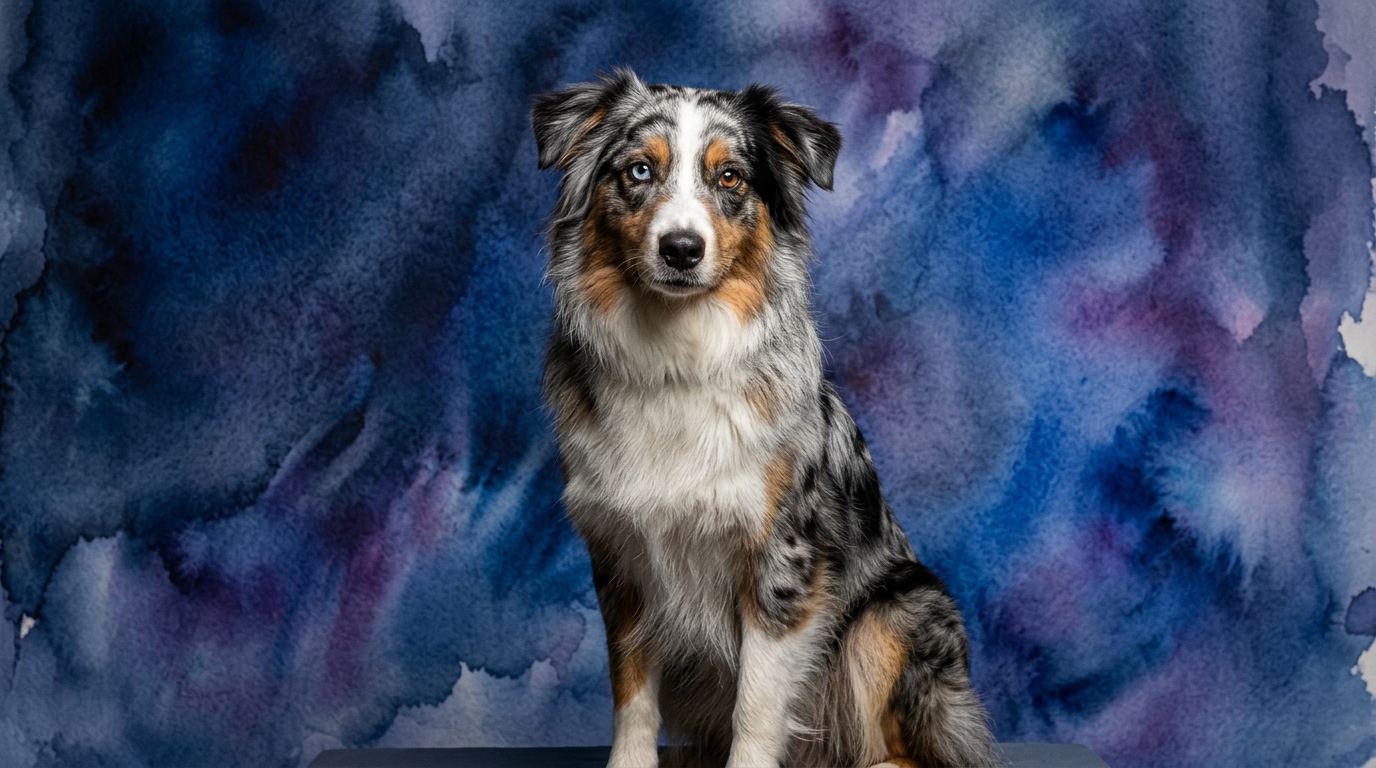
**Australian Shepherd (Herding)**: The Australian Shepherd presents a compelling cognitive profile tailored for dynamic work. Their **Problem Solving (5/5)** is exceptional, thriving on complex puzzles and quickly strategizing to achieve goals, whether it’s managing livestock or figuring out how to manipulate their environment. **Training Speed (5/5)** is lightning-fast; they typically grasp new commands with minimal repetition, eager to please and highly motivated by tasks. **Social Intelligence (4/5)** shines in their ability to read subtle cues and anticipate intentions, forming deep, cooperative bonds, though their independence and task focus mean they prefer working alongside you. Their **Instinctive Drive (5/5)** is a powerful engine, stemming from their herding heritage, manifesting as an intense desire for purpose and control. Finally, their **Memory (5/5)** is impressive, retaining complex sequences, routines, and experiences over extended periods, crucial for intricate work and recall.
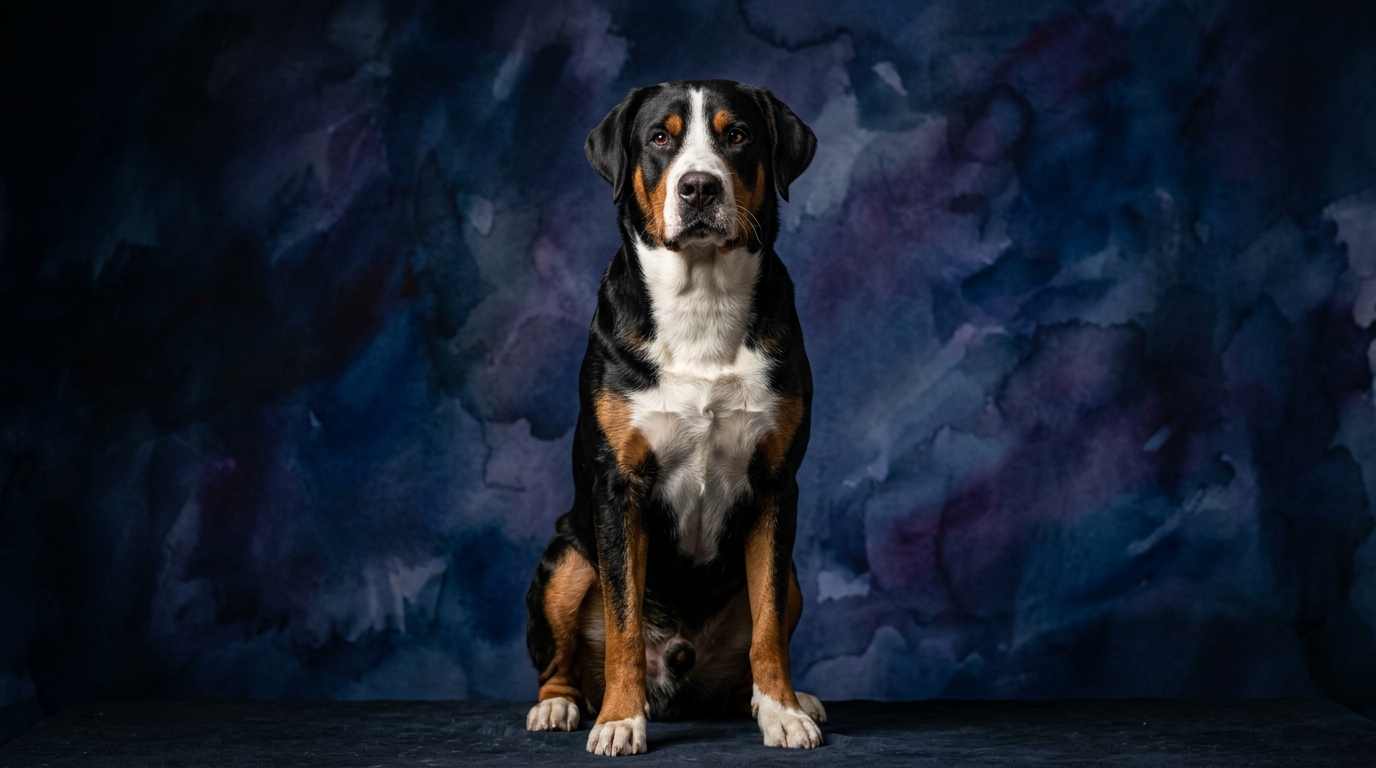
**Greater Swiss Mountain Dog (Working)**: The Greater Swiss Mountain Dog offers a cognitive approach rooted in strength and steadfastness. Their **Problem Solving (3/5)** is practical and straightforward; they excel at tasks requiring endurance like drafting, but may not display the same abstract or intricate problem-solving as a herding breed. **Training Speed (3/5)** is moderate; they learn at a steady pace, requiring consistency, clear communication, and often more repetitions due to an independent streak. **Social Intelligence (3/5)** means they are deeply loyal and form strong bonds with their families, preferring clear, direct communication over subtle cues and exhibiting affection in a more reserved, dignified manner. Their **Instinctive Drive (3/5)** is purposeful and steady, rooted in drafting and guarding, less frantic than a herding dog's, with a natural inclination to protect and engage in physical, meaningful work. Their **Memory (3/5)** is solid for core commands, routines, and familiar elements, but complex, multi-step sequences might take longer to solidify compared to breeds with higher memory scores.
Where the Australian Shepherd Wins Cognitively
The Australian Shepherd's cognitive strengths lie in their unparalleled mental agility and rapid processing. Their problem-solving prowess (5/5) means they don't just follow instructions; they often anticipate them, making split-second decisions in dynamic environments, a critical skill for managing livestock. This breed excels at multi-tasking and adapting to novel situations, quickly assessing new information and formulating effective responses. Their exceptional training speed (5/5) isn't just about learning tricks; it reflects a deep capacity for conceptual understanding and generalization, allowing them to apply learned behaviors to new contexts with ease. Furthermore, their memory (5/5) supports the retention of complex patterns and sequences, vital for mastering intricate dog sports or remembering the specific needs of different animals in a flock, making them highly predictive and proactive partners.
Where the Greater Swiss Mountain Dog Wins Cognitively
The Greater Swiss Mountain Dog's cognitive advantages manifest in a steadfast, deliberate approach to tasks, showcasing a different kind of mental strength. Their problem-solving (3/5), while not as intricate as the Aussie's, is highly practical and focused on endurance and strength-based challenges, such as navigating varied terrain while pulling a cart. They possess an impressive capacity for sustained, repetitive effort, demonstrating mental fortitude in tasks that require consistent application over long periods. This breed exhibits a calm under pressure, a cognitive trait that allows them to remain composed in potentially chaotic situations, making thoughtful, deliberate decisions rather than reacting impulsively. Their strong social intelligence (3/5) within their family unit fosters unwavering loyalty and a reliable, protective presence, where their cognitive focus is on stability and security rather than rapid-fire responses.
Training Dynamics: Which is Easier?
When considering ease of training, the Australian Shepherd generally presents a more straightforward experience due to their exceptional training speed (5/5) and intense desire to engage. Aussies are eager collaborators, quickly grasping new concepts and responding with enthusiasm, often requiring only a few repetitions to solidify a command. Their high instinctive drive (5/5) means they thrive on having a 'job' and find immense satisfaction in working alongside their human, making them highly motivated students. This contrasts with the Greater Swiss Mountain Dog, whose training speed (3/5) is more moderate. Swissys, while willing, can exhibit an independent streak, sometimes requiring more patience, consistent positive reinforcement, and a clear understanding of 'what's in it for them.' Their working drive (3/5) is more about steady, purposeful tasks than rapid-fire learning, meaning handlers need to be prepared for a slower, more deliberate training journey that builds on trust and routine rather than quick intellectual challenges.
Lifestyle Match: Active vs. Relaxed Owners
For truly active owners seeking a dynamic, constant companion, the Australian Shepherd is an ideal match. Their high instinctive drive (5/5) and problem-solving ability (5/5) demand significant daily mental and physical stimulation, thriving on activities like agility, flyball, herding trials, or long, challenging hikes. An Aussie needs an owner who is ready to provide consistent engagement, complex training, and opportunities to utilize their sharp intellect. Conversely, the Greater Swiss Mountain Dog better suits owners who appreciate a more relaxed, yet still engaged, lifestyle. While they require regular exercise – daily walks, play sessions, and opportunities for purposeful activity like carting – their needs are less frantic than an Aussie's. Swissys are content with a steady routine and enjoy simply being present with their family, offering a calm, loyal presence without the incessant demand for intricate mental puzzles or high-octane physical challenges.
The Verdict
Choose an Australian Shepherd if you are an experienced, active owner seeking a highly engaged, intellectually demanding partner for dog sports, complex tasks, and constant interaction.
Choose a Greater Swiss Mountain Dog if you appreciate a steadfast, loyal, and calm companion who thrives on routine, moderate activity, and a strong presence without requiring constant mental games.
🧠 Find Your Pet's IQ Score
Our Pet IQ Lab assessment covers 25+ tests across 5 cognitive dimensions — personalized to your breed.
Take the Full IQ Test →Frequently Asked Questions
Do Australian Shepherds bark a lot due to their intelligence?
Australian Shepherds can be vocal, especially if their cognitive needs aren't met; their strong instinctive drive means they might 'herd' with barks or alert to perceived threats if bored or under-stimulated. Providing ample mental and physical exercise can help manage excessive barking.
Are Greater Swiss Mountain Dogs good for first-time dog owners?
Greater Swiss Mountain Dogs can be suitable for first-time owners who are committed to consistent training, socialization, and understand their need for a strong, patient leader. While not as demanding as an Aussie, their size and independent streak require dedicated effort.
How do their social intelligence scores impact family life?
An Australian Shepherd's social intelligence (4/5) means they are highly attuned to family dynamics and eager to participate, often forming intense bonds with one or two primary people. A Greater Swiss Mountain Dog's social intelligence (3/5) leads to deep loyalty with their entire family, offering a more generalized affectionate and protective presence without the same level of intense, focused interaction.