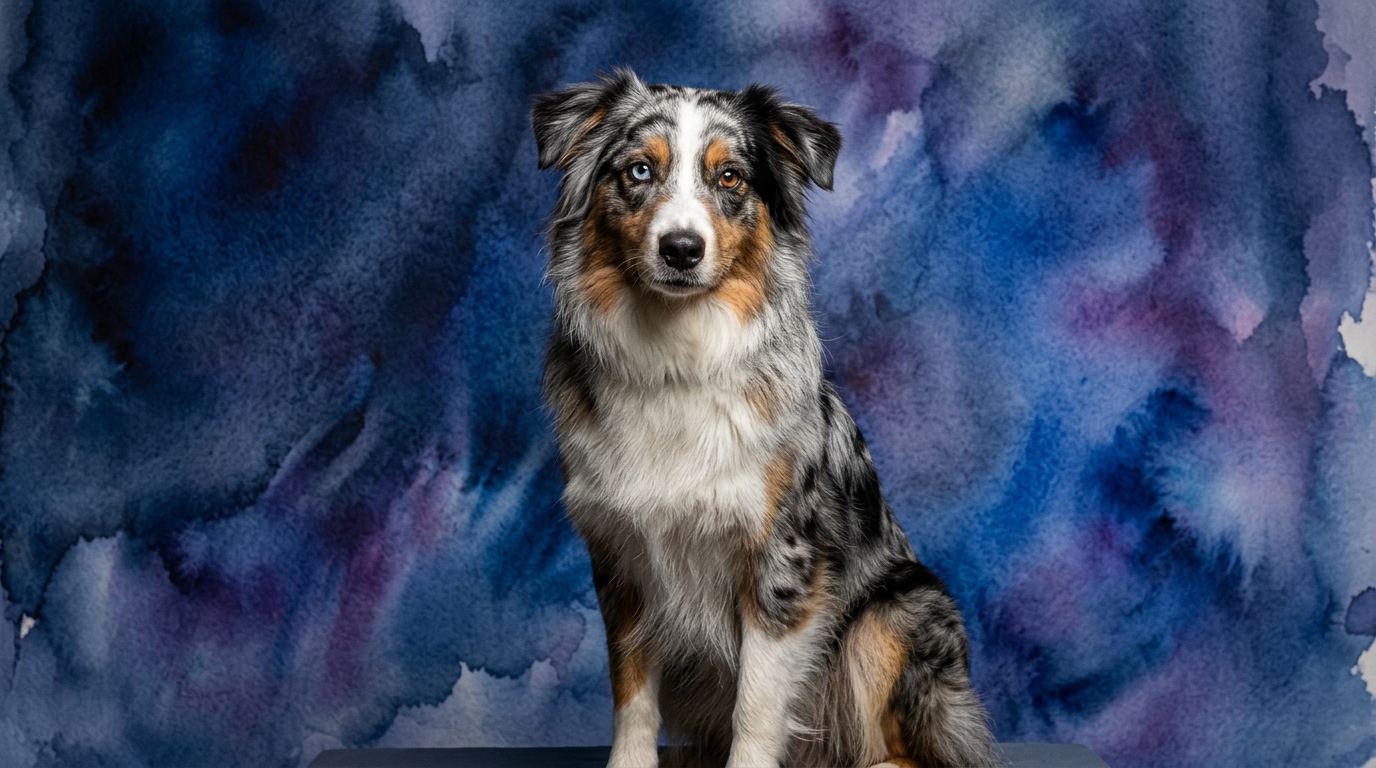
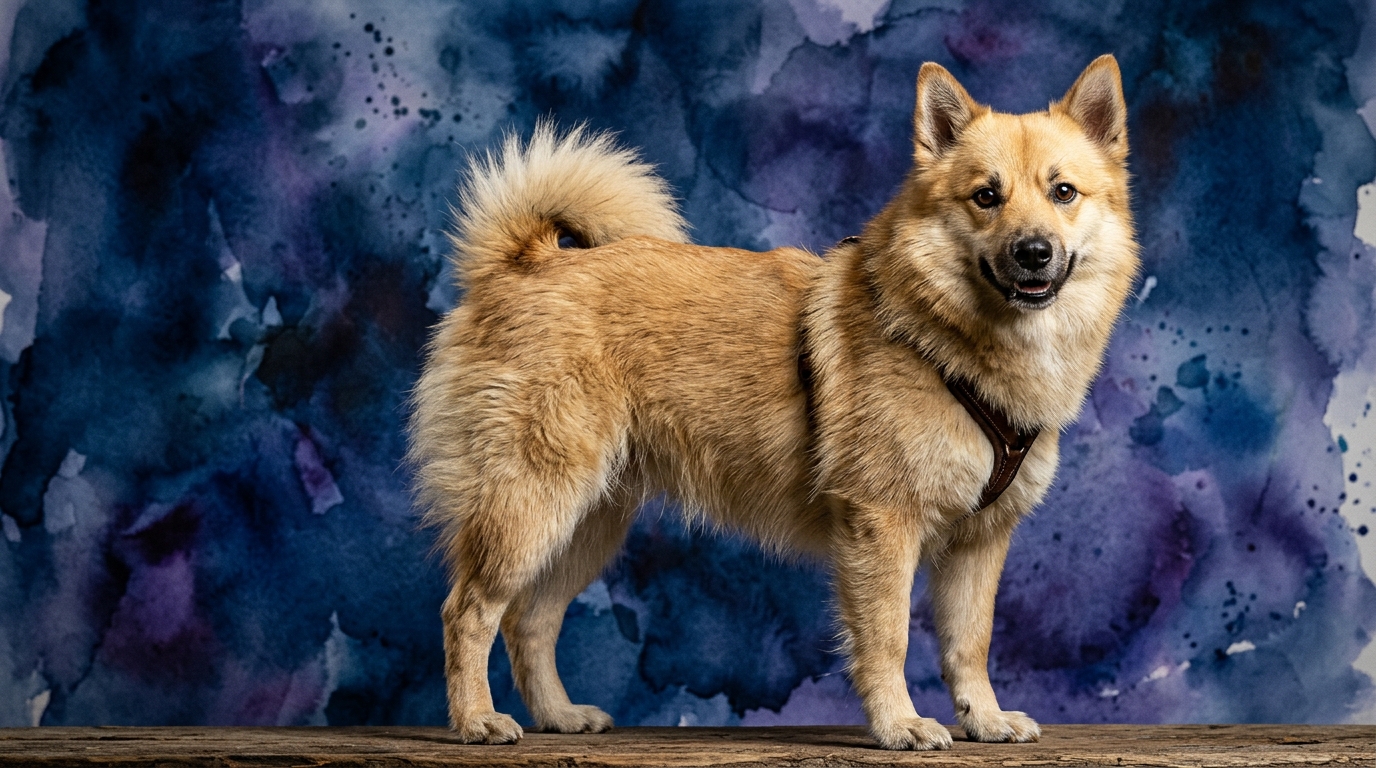
Side-by-Side IQ Profile: Australian Shepherd vs. Norwegian Buhund
The Cosmic Pet Pet IQ Lab employs a five-dimensional framework to assess canine intelligence, moving beyond simplistic labels to highlight specific cognitive aptitudes. For the Australian Shepherd, we observe a profile indicative of profound mental agility and a strong work ethic. Their Problem Solving is rated 5/5, reflecting an exceptional capacity to analyze novel situations, strategize, and adapt without explicit instruction. Training Speed also scores 5/5, meaning they assimilate new commands and complex sequences with remarkable quickness, often requiring minimal repetition. Social Intelligence stands at 4/5, showcasing a strong ability to read human cues and intentions, fostering deep, responsive bonds. Their Instinctive Drive is a commanding 5/5, underscoring an intense, persistent desire to herd and engage in purpose-driven work. Finally, Memory is 5/5, indicating an outstanding recall of commands, routines, and past experiences, contributing to their consistent performance.
In contrast, the Norwegian Buhund presents a more balanced, moderate cognitive profile across all dimensions. Their Problem Solving is rated 3/5, suggesting they are capable of tackling straightforward challenges but may require more guidance for highly abstract or multi-step tasks, often preferring established methods. Training Speed is 3/5, signifying a moderate learning pace where consistent, clear instruction and positive reinforcement yield steady progress over time. Social Intelligence also scores 3/5; while affectionate and family-oriented, they might interpret subtle human emotional shifts less acutely than a higher-scoring breed, possessing a more independent social demeanor. Their Instinctive Drive is 3/5, indicating a present but less overwhelming herding and guarding impulse that is generally more manageable in a pet home. Memory rounds out their profile at 3/5, meaning they retain essential information and commands adequately for daily life, but complex or infrequently practiced tasks might require refreshing.
Where the Australian Shepherd Excels Cognitively
The Australian Shepherd's cognitive strengths are evident in its exceptional scores for Problem Solving, Training Speed, Instinctive Drive, and Memory, all rated at 5/5. Their superior problem-solving ability allows them to innovate and adapt in dynamic environments, such as quickly figuring out how to bypass an obstacle to gather livestock or devising novel strategies in dog sports. This isn't just about following commands; it's about genuine cognitive flexibility and independent thought. A 5/5 in Training Speed means these dogs are a trainer's dream, capable of learning extensive repertoires of commands and tricks in a fraction of the time many other breeds require. They don't just memorize; they understand the 'why' behind the action, leading to profound versatility.
Furthermore, the Australian Shepherd's intense 5/5 Instinctive Drive fuels an unparalleled work ethic and persistence. This drive isn't merely an urge to run; it's a deep-seated desire to engage with a task, whether it's herding sheep, excelling in agility, or solving complex puzzle toys. Their mind is constantly seeking engagement, making them highly motivated partners in any endeavor. Coupled with a 5/5 Memory, an Aussie remembers intricate sequences, past training sessions, and specific cues with remarkable accuracy over long periods. This allows for consistent, reliable performance and the ability to build upon a vast foundation of learned behaviors, making them exceptional candidates for advanced obedience, service work, or competitive dog sports where precision and recall are paramount.
Unique Strengths of the Norwegian Buhund's Cognitive Profile
While the Norwegian Buhund's scores are consistently moderate at 3/5 across the board, this profile coalesces into a unique set of cognitive strengths that offer distinct advantages for certain lifestyles. Their 3/5 in Instinctive Drive, for instance, means they possess a natural working inclination without the overwhelming intensity that necessitates constant, high-level employment. This makes them a robust and active companion who enjoys engagement but can also settle comfortably into a family pet role after a good walk or play session, rather than perpetually seeking the next demanding task. They have a purpose-driven spirit, but one that is generally more adaptable to a less rigorous daily schedule than a breed with maximal drive.
The Buhund's 3/5 in Social Intelligence, while not indicating the same nuanced responsiveness as a higher score, often translates to a sturdy, independent temperament. They are affectionate and loyal to their family but may not be as prone to over-analyzing subtle human emotional shifts, potentially leading to a more emotionally robust and less sensitive disposition. This can be a strength for owners who appreciate a companion that is present and engaged, yet also self-possessed and less susceptible to separation anxiety or needing constant reassurance. Their 3/5 in Problem Solving also suggests a dog that thrives on clear routines and established methods. While they may not invent novel solutions as readily, this can result in a more predictable companion, less likely to outwit their owner or constantly test boundaries, preferring to reliably execute known tasks.
Training Dynamics: Which is Easier to Train and Why?
When it comes to ease of training, the Australian Shepherd generally holds a distinct advantage due to its 5/5 Training Speed and high Problem Solving and Memory scores. Aussies are eager learners, often picking up new commands within a few repetitions. Their keen intelligence means they not only learn the 'what' but also quickly grasp the 'why' and 'how,' allowing them to generalize learned behaviors to new situations. They thrive on mental stimulation and complex tasks, often seeing training as an engaging puzzle to solve, which fuels their enthusiasm and responsiveness. Their strong desire to work and please their handler makes them highly motivated partners in any training endeavor, from basic obedience to advanced competitive sports.
The Norwegian Buhund, with its 3/5 Training Speed, requires a more patient and consistent approach. While certainly trainable, they learn at a more deliberate pace and may need more repetitions and clearer communication to solidify commands. They respond best to positive reinforcement methods and consistent routines, but might not be as intrinsically motivated by the sheer challenge of learning complex sequences. Owners might encounter a streak of independence or a need for more direct motivation to maintain focus. While they form strong bonds, their social intelligence rating suggests they might not be as attuned to subtle handler cues as an Aussie, meaning trainers need to be explicit and consistent. Patience, clarity, and positive reinforcement are key to unlocking the Buhund's learning potential, building confidence and reliability over time.
Matching Breeds to Lifestyles: Active vs. Relaxed Owners
For owners with an active lifestyle and a desire for a highly engaged canine partner, the Australian Shepherd is an ideal match. Their 5/5 Instinctive Drive and Problem Solving capabilities mean they require significant physical exercise and, crucially, consistent mental stimulation. These dogs thrive when given a 'job,' whether it's herding, competing in agility, obedience, flyball, or engaging in extensive puzzle-solving and training sessions. An Aussie is not content with just a daily walk; they need to use their keen intellect and robust energy to remain balanced and content. Owners must be prepared to dedicate substantial time daily to structured activities that challenge both body and mind, preventing boredom-induced behaviors such as destructive chewing or excessive barking.
Conversely, the Norwegian Buhund, with its moderate 3/5 scores across all cognitive dimensions, is better suited for moderately active owners who appreciate a robust companion but do not require the intense, constant engagement of an Aussie. While still a herding breed that needs regular exercise – daily walks, play sessions, and opportunities to run – their instinctive drive is less overwhelming. A Buhund can often be content with a good physical outing and then settle down for family time, without the same urgent need for complex mental challenges throughout the day. They enjoy participating in family activities and can adapt well to a suburban or rural lifestyle with a securely fenced yard, making them a suitable choice for those who desire an active dog without the extreme demands for constant, high-level mental and physical exertion.
The Verdict
Choose an Australian Shepherd if you are an active individual or family seeking a highly intelligent, versatile working partner for dog sports, complex tasks, or a demanding outdoor lifestyle, and are prepared to provide daily, intense mental and physical stimulation.
Opt for a Norwegian Buhund if you appreciate an affectionate, sturdy companion with moderate working drive, suitable for a moderately active family life, and can offer consistent, patient training without needing a dog that constantly seeks out highly complex intellectual challenges.
🧠 Find Your Pet's IQ Score
Our Pet IQ Lab assessment covers 25+ tests across 5 cognitive dimensions — personalized to your breed.
Take the Full IQ Test →Frequently Asked Questions
Are Australian Shepherds prone to separation anxiety?
Australian Shepherds can be prone to separation anxiety due to their strong social intelligence and desire for constant engagement. Owners should establish routines and provide ample mental and physical stimulation to prevent this.
Do Norwegian Buhunds make good guard dogs?
Norwegian Buhunds, with their 3/5 instinctive drive, possess natural guarding instincts and are known for being alert barkers. They will typically alert their family to strangers or unusual occurrences, making them effective watchdogs.
What kind of grooming do these breeds require?
Both breeds have double coats, meaning they require regular grooming to manage shedding, particularly the Norwegian Buhund which is a seasonal heavy shedder. Brushing several times a week is generally recommended for both to keep their coats healthy and minimize loose fur.