Side-by-Side IQ Profile: Herding Precision vs. Hound Tenacity
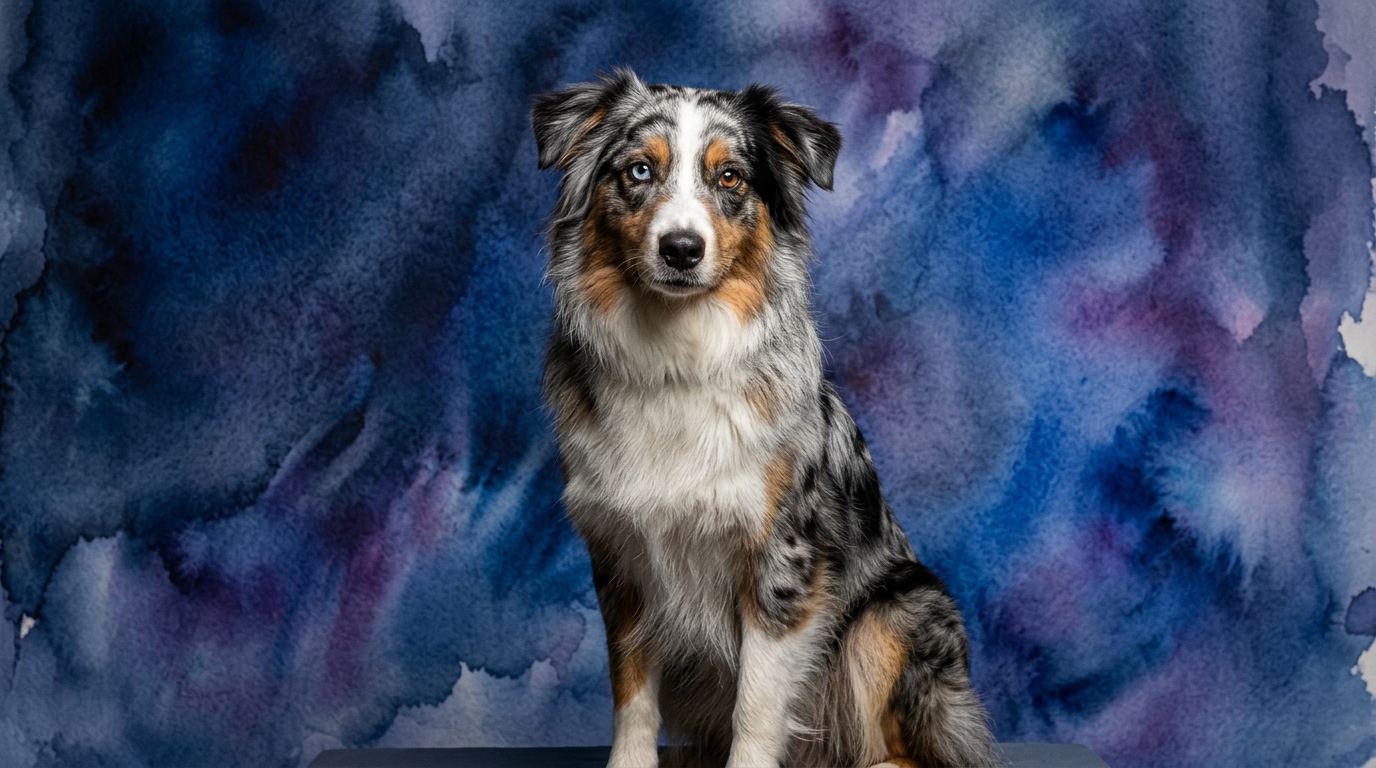
The Cosmic Pet Pet IQ Lab's framework provides a detailed lens through which to examine these two distinct canine minds. For the Australian Shepherd, a herding breed, its cognitive scores paint a picture of a highly adaptable and responsive partner. With a 5/5 in Problem Solving, they demonstrate a profound capacity to navigate novel situations and devise solutions, whether it's figuring out a gate latch or understanding complex multi-step commands. Their Training Speed, also 5/5, reflects an almost immediate grasp of new concepts and an eagerness to learn, making them exceptionally quick studies. Social Intelligence at 4/5 indicates a strong attunement to human cues and a desire to engage, though they can be discerning about who they grant their full attention. An Instinctive Drive of 5/5 is channeled towards control, organization, and responsiveness to direction, underpinning their herding prowess. Finally, a Memory score of 5/5 means they retain vast amounts of information, from specific commands to routines and past experiences, with remarkable accuracy.
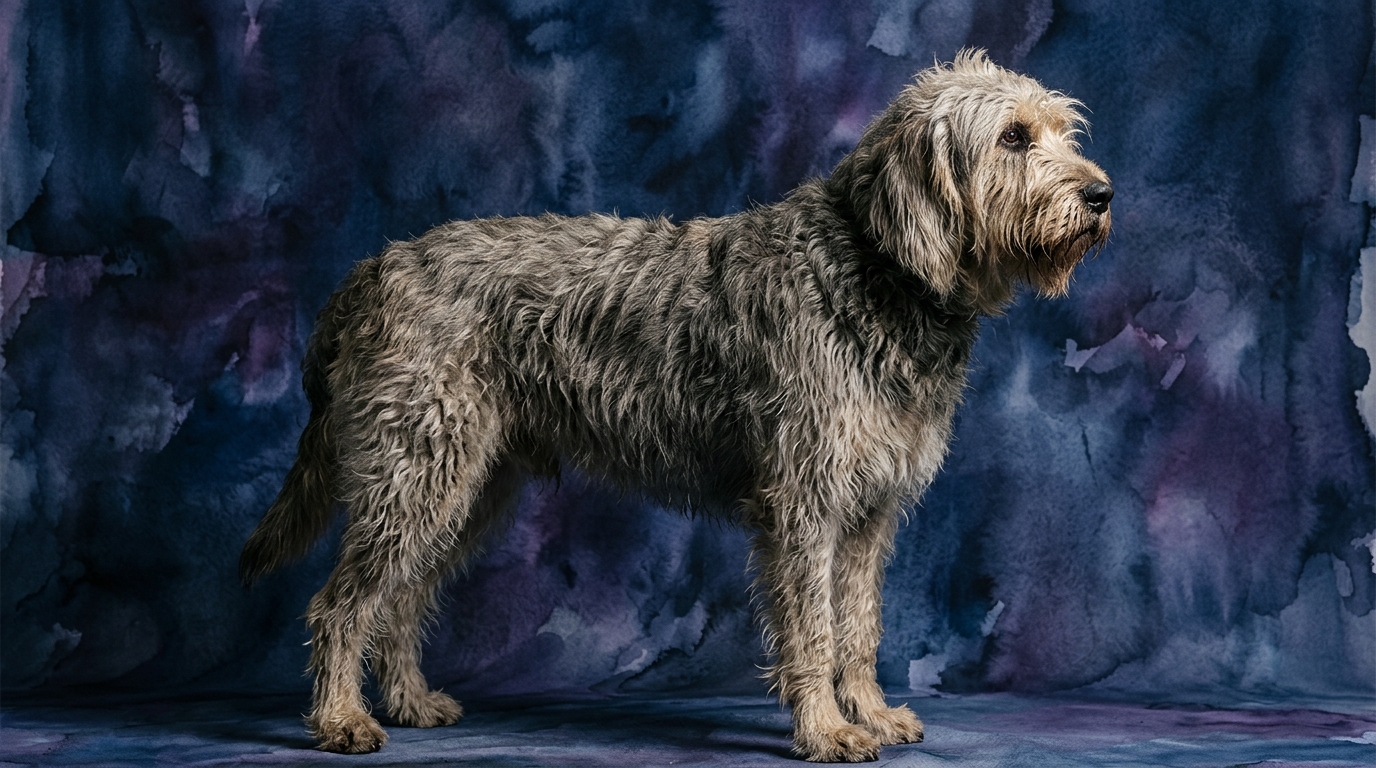
In contrast, the Otterhound, a member of the hound group, presents a different cognitive blueprint, reflecting its heritage as a dedicated scent tracker. Each of its dimensions — Problem Solving, Training Speed, Social Intelligence, Instinctive Drive, and Memory — scores a 3/5. This doesn't suggest a lack of capacity, but rather a specialized focus. Their Problem Solving is geared more towards unraveling scent puzzles in the environment than abstract human-designed tasks. Training Speed requires more patience and repetition, as their primary focus is often elsewhere, on the ground. Social Intelligence at 3/5 means they are amiable and form strong bonds, but possess a notable independence; they are less constantly seeking human approval and more likely to follow their own nose. Their Instinctive Drive of 3/5 is powerfully directed towards tracking and water work, a relentless pursuit that can override other considerations. Memory at 3/5 is sufficient for daily routines and basic commands, but perhaps less for the intricate, multi-layered sequences an Aussie might master.
Where the Australian Shepherd Excels Cognitively
The Australian Shepherd's cognitive strengths shine in areas demanding intricate collaboration and rapid intellectual engagement. Their 5/5 Problem Solving capability means they are adept at navigating complex environments, understanding causality, and even anticipating outcomes. This manifests in their ability to quickly learn how to open doors, untangle leashes, or strategize during herding games, often surprising owners with their ingenuity. They don't just follow commands; they understand the 'why' behind them, allowing for more flexible and creative responses.
The Aussie's exceptional Training Speed (5/5) allows them to absorb new commands and multi-step routines with minimal repetition. They connect actions to desired outcomes almost immediately, making them prime candidates for advanced obedience, agility, and even service dog work where a vast repertoire of learned behaviors is essential. Coupled with their perfect Memory (5/5), they retain these lessons over long periods, making their training incredibly efficient and long-lasting. Their Instinctive Drive, while strong, is highly malleable and directed towards working cooperatively with a handler, allowing it to be channeled into structured tasks and sports rather than solely independent pursuits.
Where the Otterhound Shows Its Unique Cognitive Strengths
While the Otterhound's general IQ scores are lower, its cognitive profile is uniquely adapted for its specialized role, showcasing strengths that are invaluable in their specific domain. The Otterhound's 3/5 Instinctive Drive, while not as broadly adaptable as the Aussie's, is an incredibly potent force when directed towards scent work. This isn't about solving abstract puzzles, but about an unwavering, relentless focus on a trail, often ignoring all other environmental stimuli. Their ability to track a cold scent for miles, through varied terrain and distractions, represents a highly specialized form of cognitive persistence and sensory processing that is unparalleled.
Their 3/5 Social Intelligence, manifesting as independence, can also be a unique strength. While it means they are less inclined to constantly seek handler approval, it allows them to make self-directed decisions in the field without constant human oversight. This independence is crucial for a hound that might work far from its handler, making complex choices based on scent alone. Furthermore, while their general Memory is 3/5, their olfactory memory is undoubtedly exceptional, allowing them to recall and differentiate specific scents and associate them with past experiences or locations, a critical component of their tracking prowess.
Training Dynamics: Which is Easier and Why?
When it comes to ease of training, the Australian Shepherd holds a clear advantage due to its integrated cognitive strengths. Their 5/5 in Training Speed and Problem Solving means they grasp new concepts with astonishing rapidity, often requiring only a few repetitions before a command is understood. Their high Social Intelligence (4/5) makes them keen to please and highly responsive to handler cues, thriving on the mental engagement and collaborative effort of training sessions. The Aussie's strong, yet malleable, Instinctive Drive can be readily channeled into structured tasks, making them eager participants in obedience, agility, and other dog sports. They find satisfaction in working with their human partners.
The Otterhound, by contrast, presents a more significant training challenge, primarily due to its independent nature and overwhelming instinctive drive. Their 3/5 in Training Speed means they require more patience, consistency, and repetition to internalize commands. Their 3/5 Social Intelligence means they are not constantly looking to their handler for direction; they are more likely to follow their nose than a verbal cue if a compelling scent is present. Their powerful, scent-driven Instinctive Drive (3/5) can make them easily distracted, as the allure of a trail often trumps human instruction. Training an Otterhound demands creative motivation, often leveraging high-value treats or toys, and an understanding that their primary cognitive focus lies in scent exploration, which needs to be managed rather than suppressed.
Matching Lifestyles: Active Engagement vs. Independent Exploration
Choosing between an Australian Shepherd and an Otterhound also means aligning with their inherent needs for physical and mental engagement. The Australian Shepherd is unequivocally suited for active owners who relish structured activities and mental stimulation. Their high Problem Solving, Training Speed, and Instinctive Drive mean they thrive on having a 'job,' whether it's herding, agility, flyball, or complex trick training. They require extensive physical exercise, such as running, hiking, or vigorous play, but equally important is daily mental work to prevent boredom and potential destructive behaviors. Owners who enjoy dog sports, long training sessions, and a highly collaborative canine partner will find the Aussie an unparalleled fit.
The Otterhound, while often appearing more relaxed indoors, still requires a significant commitment from active owners, though their activity needs differ. They need regular, vigorous exercise, especially opportunities to follow scents in secure, fenced areas. Long, meandering walks where they can engage their nose are paramount. Their independent nature and scent drive mean they aren't as demanding of structured 'mental work' in the same way an Aussie is, but they absolutely need outlets for their primary instinct. Relaxed owners who prefer minimal interaction or short walks will find an Otterhound's needs unfulfilled, leading to a boisterous and potentially challenging companion. They suit owners who appreciate their independence, enjoy outdoor adventures, and are prepared for a dog that sometimes prioritizes a captivating scent over immediate human direction, and who can provide ample space for their robust size and energy.
The Verdict
Choose an Australian Shepherd if you seek a highly cooperative, intellectually nimble companion eager for complex tasks, structured activities, and consistent mental engagement, thriving on a partnership where responsiveness and quick learning are paramount.
Opt for an Otterhound if you appreciate an independent, jovial, and scent-driven companion, are prepared for patient training and robust exercise that satisfies their natural tracking instincts, and are charmed by a dog with a unique, self-directed approach to the world.
🧠 Find Your Pet's IQ Score
Our Pet IQ Lab assessment covers 25+ tests across 5 cognitive dimensions — personalized to your breed.
Take the Full IQ Test →Frequently Asked Questions
Are Otterhounds difficult to train because of their intelligence scores?
Otterhounds aren't 'difficult' due to a lack of intelligence, but rather because their cognitive strengths are highly specialized and their independent nature means training requires more patience and consistency. Their powerful scent drive often takes precedence over human commands, so training methods must be highly motivating and consistent to capture their focus.
How does an Australian Shepherd's social intelligence manifest?
An Australian Shepherd's social intelligence manifests as a deep attunement to human emotional states and intentions, making them highly responsive to subtle cues from their handlers. They are adept at reading body language and vocal inflections, fostering a strong, collaborative bond, though they can be reserved with strangers until trust is established.
Can an Otterhound excel in dog sports like an Australian Shepherd?
While an Otterhound can participate in some dog sports, their natural inclination and cognitive profile make them less likely to excel in fast-paced, highly structured activities like agility compared to an Australian Shepherd. They might enjoy scent work trials or tracking events, which align better with their powerful instinctive drive and unique problem-solving abilities.