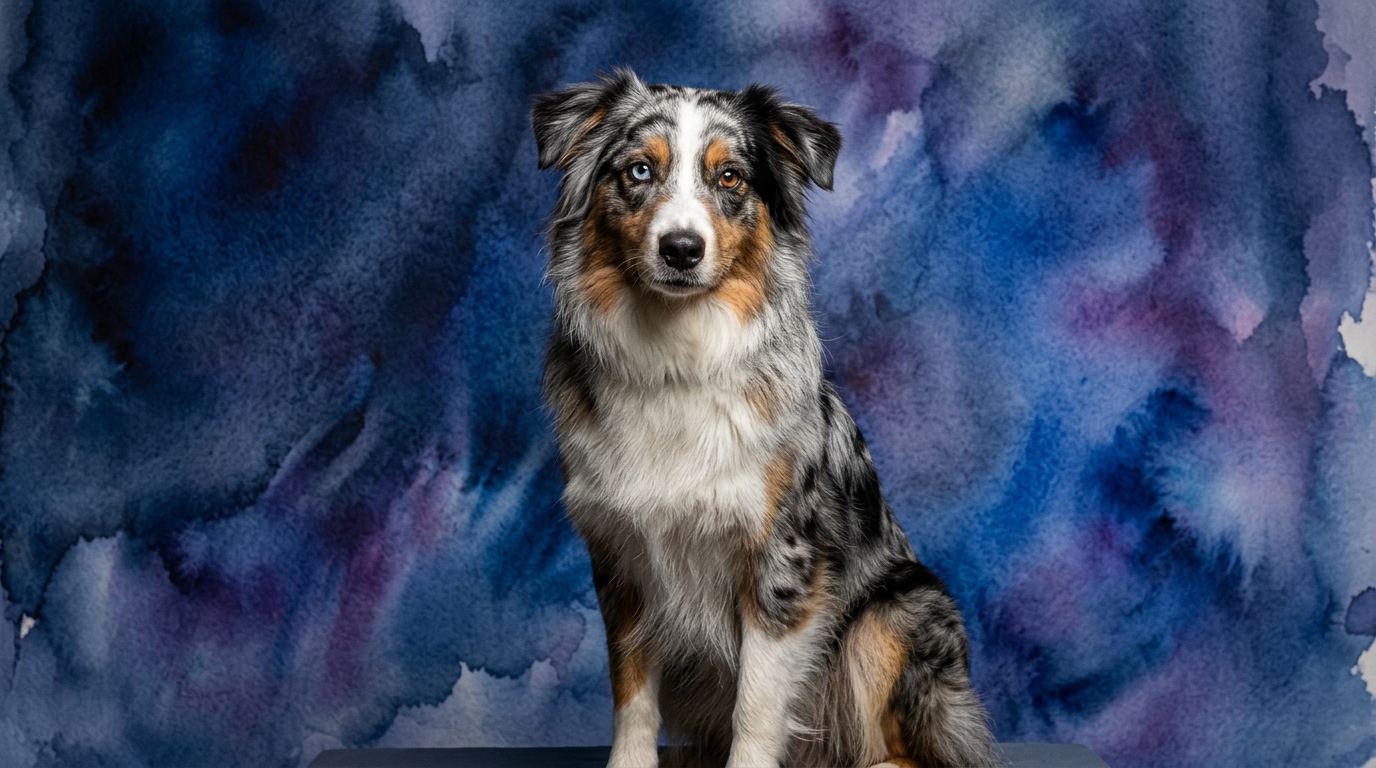
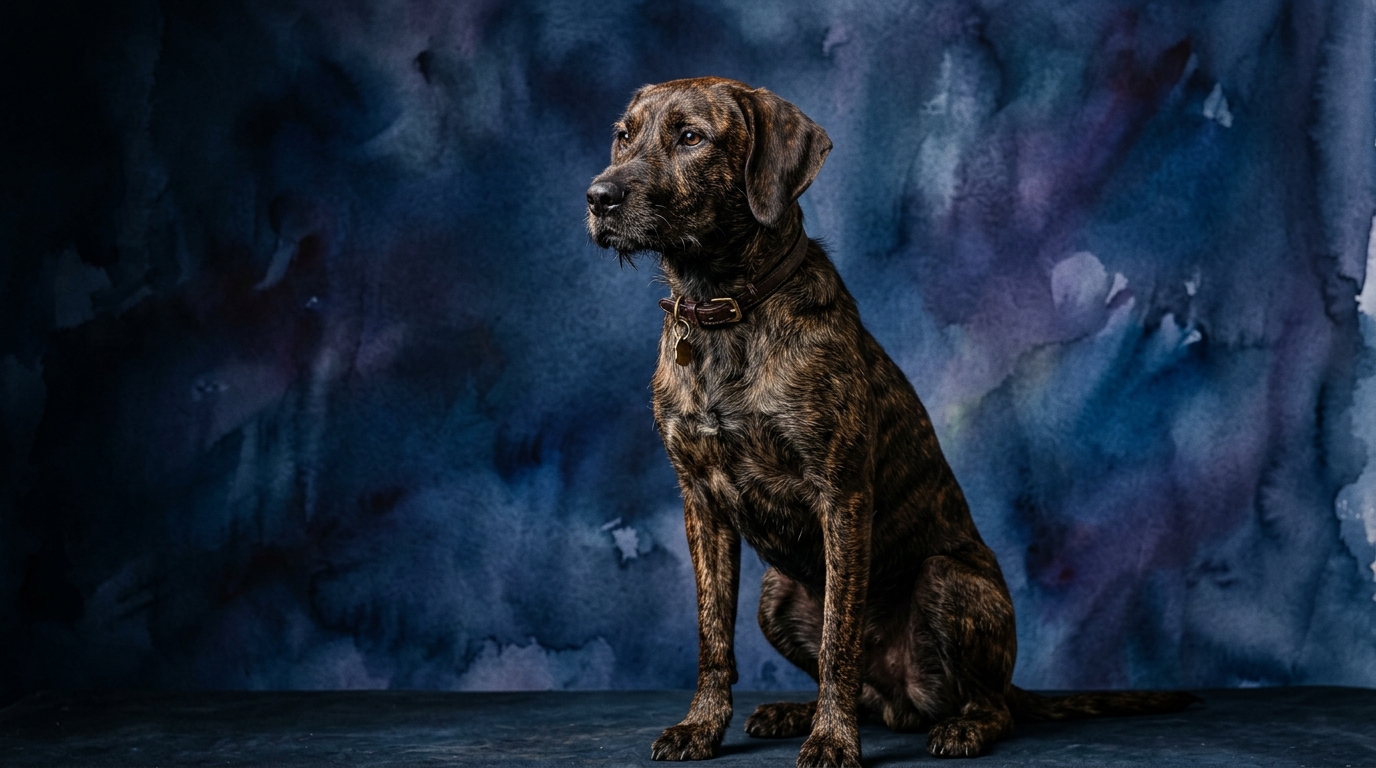
Side-by-Side IQ Profile: Australian Shepherd vs. Plott Hound
The Australian Shepherd, a breed forged for demanding herding tasks, possesses a robust cognitive profile. Their Problem Solving (5/5) signifies an exceptional capacity for strategic thinking, allowing them to independently assess and navigate novel situations with remarkable ingenuity. They don't just react; they anticipate and plan.
Training Speed (5/5) highlights their rapid acquisition of new commands and routines, often mastering tasks with minimal repetition. This swift learning stems from a strong desire to engage with their handler and a natural inclination towards structured mental work.
Social Intelligence (4/5) reflects a deep attunement to human cues and emotions, fostering strong, responsive bonds. They intuit their handler's intentions, making them highly collaborative partners, though this sensitivity also means they thrive on consistent direction.
Their Instinctive Drive (5/5) is a powerful impulse to gather, control, and manage, rooted in their herding heritage. This inherent work ethic demands productive outlets to prevent boredom and channel their high energy effectively.
Memory (5/5) underscores their ability to retain extensive information, from intricate command sequences to past experiences. This robust recall significantly enhances their training efficiency and their capacity for reliable, multi-step performance.
The Plott Hound, developed for relentless tracking, exhibits a specialized intelligence centered on persistence and sensory acuity. Their Problem Solving (3/5) focuses on unraveling scent trails and navigating terrain, demonstrating practical ingenuity within their hunting domain rather than abstract puzzles.
Training Speed (3/5) indicates a moderate learning pace. Plott Hounds are capable, but their independence and powerful scent drive can sometimes override immediate compliance when a compelling odor is present, requiring consistent, motivation-centric training.
Social Intelligence (3/5) suggests they form loyal attachments but tend towards independence, less overtly focused on subtle human emotional states. Their social interactions are straightforward, valuing clear communication over nuanced partnership.
Their Instinctive Drive (3/5) is profoundly rooted in their heritage as scent hounds, manifesting as an unwavering determination to follow a trail. This drive is a potent force for sustained concentration and formidable stamina within their specialized role.
Memory (3/5) enables Plott Hounds to effectively recall scent patterns and hunting routes. While they learn commands, general obedience recall might be less immediate than a herding dog's, especially when a strong scent memory takes precedence.
Where the Australian Shepherd Wins Cognitively
The Australian Shepherd's cognitive prowess is evident in their versatile Problem Solving and rapid Training Speed. They quickly generalize learned behaviors to new contexts, stringing together complex commands for tasks like agility or herding. Their exceptional Memory ensures these intricate skills are retained, allowing for consistent performance. Coupled with high Social Intelligence, Aussies are acutely responsive partners, capable of nuanced communication crucial for dynamic working roles requiring proactive engagement and adaptability. They excel at processing multiple stimuli simultaneously, making strategic decisions on the fly, and adapting their approach based on real-time feedback from their environment and handler.
Where the Plott Hound Wins Cognitively
The Plott Hound's brilliance lies in its specialized sensory intelligence and unwavering Instinctive Drive, excelling where broad versatility is less critical than focused persistence. Their brain is exquisitely tuned to interpret scent, allowing them to follow cold trails for miles with incredible precision, discerning target scents amidst countless others. This involves complex cognitive processing of scent profiles, spatial reasoning for tracking, and immense sustained concentration. Their problem-solving, though specialized, is peerless when navigating obstacles to access a scent source, making them formidable in hunting and tracking roles where their relentless pursuit and endurance are paramount.
Ease of Training: A Behavioral Comparison
Without a doubt, the Australian Shepherd presents a significantly easier training experience for most owners. Their 5/5 Training Speed is a testament to their innate eagerness to learn and please, coupled with a remarkable capacity for understanding and retaining commands. Aussies thrive on mental engagement and view training as a collaborative activity, often offering behaviors and actively trying to figure out what's expected of them. Their strong Social Intelligence means they are highly attuned to their handler's feedback, making communication during training fluid and responsive, reducing the need for constant repetition.
Conversely, the Plott Hound, with its 3/5 Training Speed, often requires a different approach. Their powerful Instinctive Drive for scent work means that when a compelling odor is present, their focus can be entirely consumed by it, leading to 'selective hearing' where commands may be ignored. Training a Plott demands immense patience, creativity in motivation (often food- or scent-based rewards), and an understanding that their primary drive will always be a potent factor. Owners must work harder to maintain engagement and ensure commands supersede environmental distractions, requiring more consistent reinforcement and specialized techniques.
Matching Canine Companions to Lifestyles
For truly active owners who seek a canine partner for high-energy pursuits and structured activities, the Australian Shepherd is an ideal match. Their 5/5 Instinctive Drive and high Problem Solving demand consistent mental and physical outlets, making them perfect companions for dog sports like agility, flyball, or obedience competitions, as well as hiking, running, or even continuing their traditional herding work. They thrive when given a 'job' and can become restless, anxious, or destructive if under-exercised or under-stimulated, needing an owner committed to their substantial daily engagement requirements.
In contrast, while Plott Hounds also require significant exercise, their needs are often more focused on endurance and scent work rather than high-intensity bursts. They suit owners who appreciate long, meandering walks or hikes where their nose can lead the way, or those involved in hunting or tracking sports. Once their scenting needs are met, a Plott Hound can be a relatively relaxed companion at home, though their lower Social Intelligence score means they might be less inclined to engage in constant interactive play than an Aussie. They are not suited for entirely sedentary lifestyles, but their activity profile differs, emphasizing purposeful exploration over structured athleticism.
The Verdict
Choose the Australian Shepherd if you desire a highly engaged, versatile partner who thrives on learning complex tasks, excels in structured activities, and seeks a strong, collaborative bond. They are ideal for owners providing consistent mental and physical engagement and purpose.
Opt for the Plott Hound if you appreciate a dedicated companion with an extraordinary nose, value independence, and are prepared to provide consistent outlets for their profound scenting drives. They are perfect for owners seeking a loyal partner whose specialized instincts make them unparalleled in scent work.
🧠 Find Your Pet's IQ Score
Our Pet IQ Lab assessment covers 25+ tests across 5 cognitive dimensions — personalized to your breed.
Take the Full IQ Test →Frequently Asked Questions
Are Australian Shepherds good family dogs?
Yes, with proper socialization and training, Australian Shepherds can be loyal and protective family members. They thrive in active households that can meet their significant exercise and mental stimulation requirements, often forming strong bonds with children, though their herding instincts might occasionally lead them to 'herd' small children.
Do Plott Hounds bark a lot?
Plott Hounds are known for their distinctive 'baying' vocalizations, especially when on a scent trail or alerting to perceived threats. While not constant barkers in a general sense, their bay can be loud and persistent, a characteristic hound trait that requires owners to be prepared for this vocal expression, particularly when their instincts are engaged.
What kind of exercise do Plott Hounds need?
Plott Hounds require substantial exercise that engages both their bodies and their incredible noses. Long walks, vigorous hikes, and especially scent-tracking games or opportunities for supervised off-leash exploration in safe, contained areas are crucial to satisfy their instinctive drive and prevent boredom. Their exercise should focus on endurance and mental stimulation through scent.