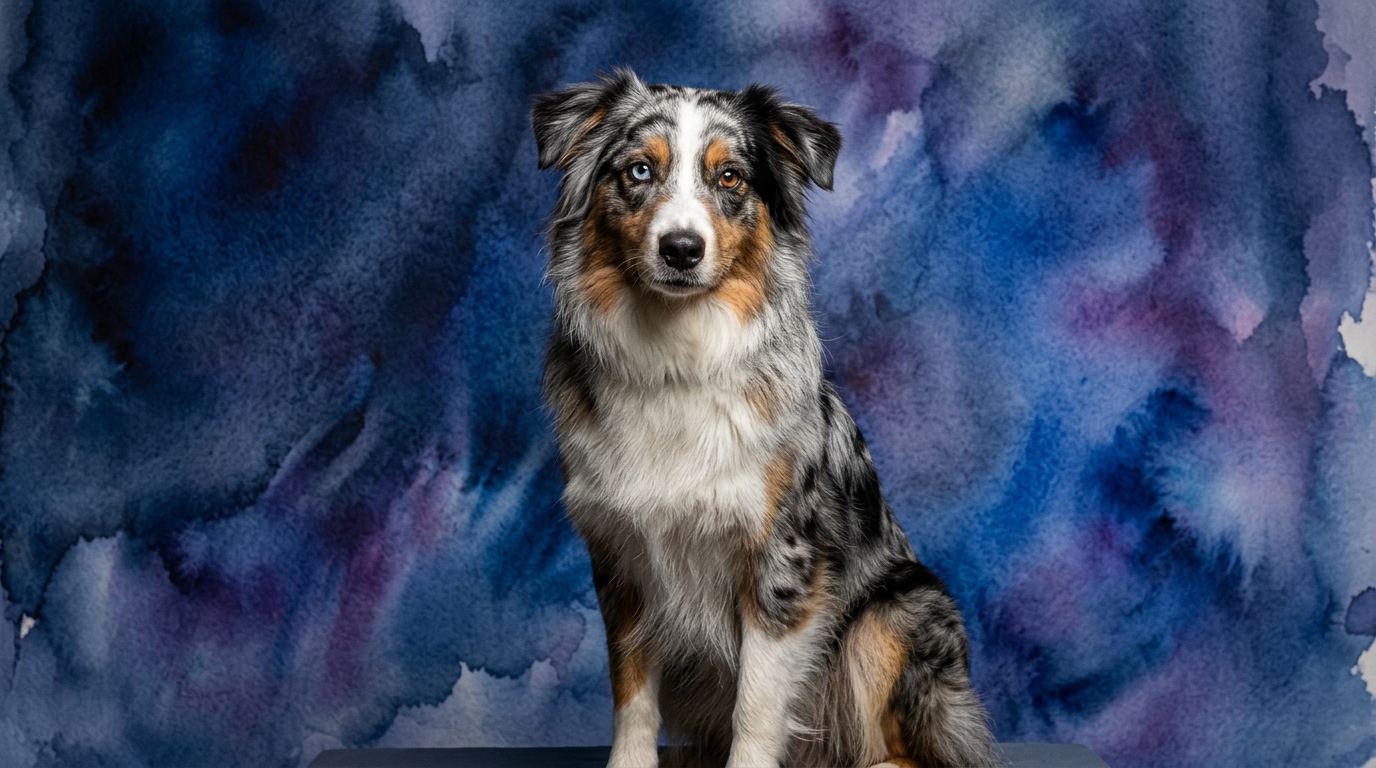
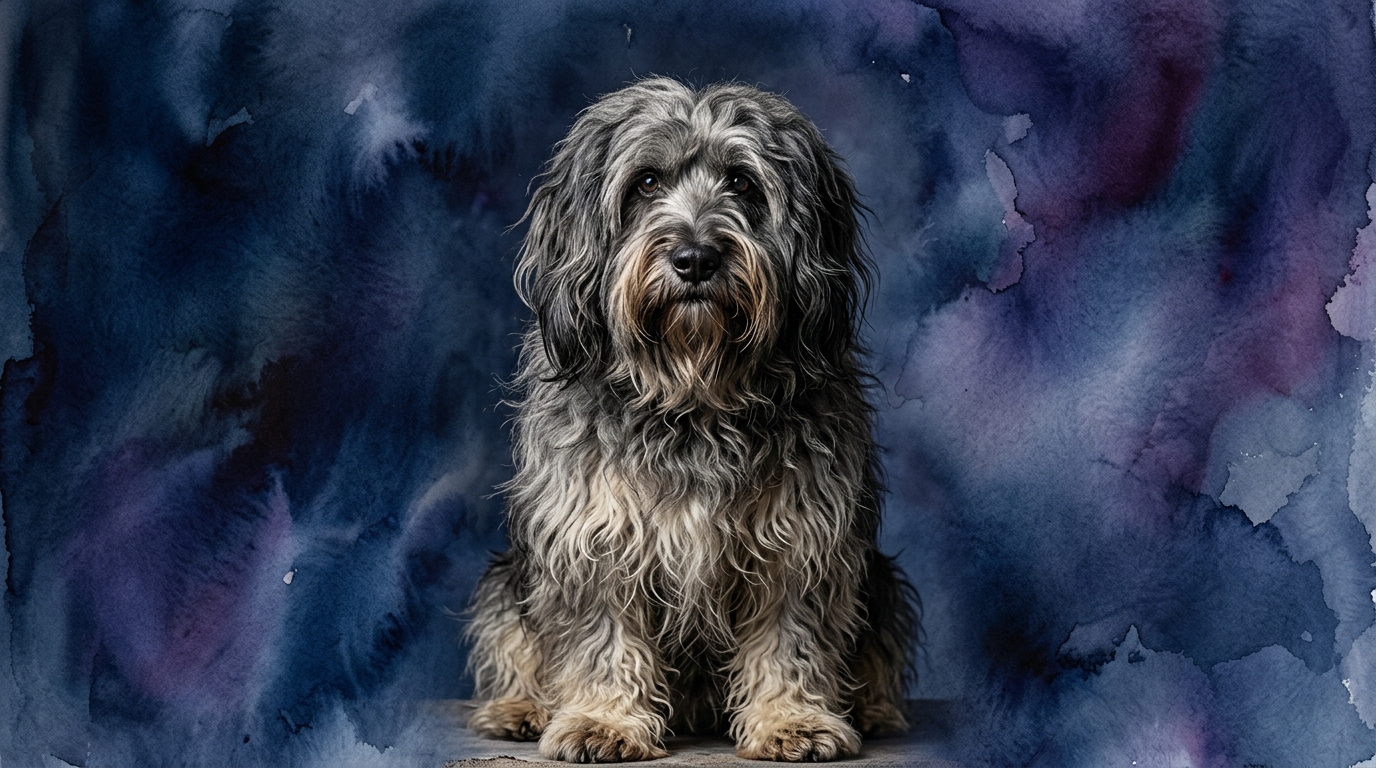
Side-by-Side Cognitive Profiles
At The Cosmic Pet Pet IQ Lab, we assess canine cognition across five crucial dimensions, providing a nuanced understanding beyond simple labels. For the Australian Shepherd, we observe a remarkable confluence of mental capabilities. Their Problem Solving is rated 5/5, indicating an innate ability to quickly analyze novel situations and devise effective solutions, often demonstrating creative workarounds. Training Speed also scores 5/5, reflecting their rapid acquisition of new commands and complex routines, often driven by an eagerness to engage. Social Intelligence sits at 4/5, showing a deep attunement to human cues and emotional states, fostering strong, responsive partnerships. Their Instinctive Drive is a powerful 5/5, manifesting as an intense, focused impulse to herd and organize, requiring appropriate outlets. Finally, Memory is a solid 5/5, allowing them to recall vast repertoires of learned behaviors, past experiences, and environmental details with impressive accuracy.
The Polish Lowland Sheepdog, while also a dedicated herding breed, presents a different cognitive blueprint. Their Problem Solving is rated 3/5, suggesting a more methodical approach to challenges; they are capable of finding solutions but may require more time or directed guidance compared to their Aussie counterparts. Training Speed is also 3/5, meaning they are steady learners who retain information well with consistent instruction, though they might not pick up new tasks with the same lightning-fast pace as an Aussie. Social Intelligence is 3/5, indicating they form strong bonds with their primary caregivers and are observant of their social environment, though they tend to be more reserved or independent, especially with strangers. Their Instinctive Drive is 3/5, a moderate impulse to herd that is present but often more adaptable and less all-consuming than in some other herding breeds. Memory, rated 3/5, means they possess a functional recall of past training and experiences, but might benefit from occasional refreshers to solidify less frequently used information.
Where the Australian Shepherd Excels Cognitively
The Australian Shepherd's cognitive strengths are particularly evident in their capacity for dynamic adaptation and rapid learning. Their 5/5 Problem Solving isn't just about finding a solution; it's about finding the *most efficient* solution in real-time, often anticipating changes in their environment or the behavior of livestock. This cognitive agility allows them to excel in fast-paced activities like agility or competitive obedience, where quick decisions and seamless transitions are paramount. Complementing this is their 5/5 Training Speed, which means they don't just learn commands, they often generalize concepts quickly, applying learned principles to new situations. An Aussie can learn a multi-step routine in fewer repetitions than many other breeds. Their profound 5/5 Instinctive Drive fuels this learning, giving them an inherent motivation to engage in structured tasks, making them highly responsive partners for complex work. This intense drive, combined with a 5/5 Memory, enables them to build an extensive mental catalog of behaviors and cues, rarely forgetting what they've mastered, allowing for advanced, layered training.
Cognitive Advantages of the Polish Lowland Sheepdog
While the Polish Lowland Sheepdog's cognitive scores might appear lower on paper, their profile presents distinct advantages in certain contexts. Their 3/5 Problem Solving, characterized by a more methodical and deliberate approach, can translate into a thoughtful resilience. They are less likely to act impulsively and may consider options more thoroughly before committing, which can be beneficial in situations requiring patience rather than immediate action. This measured approach can lead to stable, well-considered behaviors once a solution is found. Their 3/5 Social Intelligence, marked by a more reserved and observant nature, means they aren't easily overstimulated by new people or environments. They build deep, discerning bonds, offering a quiet loyalty that doesn't demand constant affirmation but rather thrives on mutual understanding. This independence means they are less prone to separation distress or anxiety when not constantly engaged, allowing them to be content observers of their surroundings. Their moderate 3/5 Instinctive Drive, while not as intense, makes them highly adaptable to varied lifestyles beyond traditional herding, without the underlying frustration that can arise in breeds with a more overwhelming working impulse.
Ease of Training: Aussie vs. PON
When it comes to ease of training, the Australian Shepherd generally offers a more straightforward experience for most owners due to their 5/5 Training Speed and eager disposition. Aussies are often described as 'velcro dogs' due to their desire to be involved and their attentiveness to human cues. They actively seek to understand what is being asked of them, often 'offering' behaviors or trying to anticipate commands, which makes shaping new skills relatively swift. This responsiveness, coupled with their strong work ethic stemming from their 5/5 Instinctive Drive, means they thrive on consistent, positive reinforcement training and quickly become adept at complex tasks and routines. They enjoy the mental engagement that training provides and see it as a collaborative activity.
The Polish Lowland Sheepdog, with a 3/5 Training Speed, requires a more patient and consistent approach. They are not necessarily 'difficult' to train, but they are often more independent and may need more repetitions to solidify new commands. PONs tend to process information at their own pace and might need to understand the 'why' behind a request rather than simply complying out of an immediate desire to please. Their independent streak means they can be selective about when and how they engage, sometimes requiring more motivational tools or a stronger understanding of their individual personality. However, once a PON understands a command and trusts their trainer, their learning is durable due to their functional memory, even if the initial acquisition takes longer.
Matching Breeds to Lifestyles: Active vs. Relaxed Owners
The stark differences in their cognitive profiles make the Australian Shepherd and the Polish Lowland Sheepdog suited for different ownership styles. An Australian Shepherd is the ideal companion for active owners who relish a highly engaged, dynamic partnership. Their 5/5 Instinctive Drive and 5/5 Problem Solving mean they require substantial daily mental and physical stimulation. They thrive in environments where they have a 'job' to do, whether it's competitive dog sports like agility, disc dog, or herding, or even extensive daily walks, runs, and complex training sessions. Owners who are prepared to dedicate significant time to training, exercise, and enrichment will find an Aussie an incredibly rewarding, albeit demanding, partner. Neglecting their needs can lead to boredom-driven behaviors.
Conversely, the Polish Lowland Sheepdog is better suited for owners who appreciate a more moderately active lifestyle and a somewhat more independent companion. While they still require regular exercise to maintain physical health and mental well-being, their 3/5 Instinctive Drive means they don't possess the same relentless need for intense, focused work as an Aussie. They can be content with daily walks, playtime in a securely fenced yard, and consistent but not necessarily high-octane training. Relaxed owners who enjoy a thoughtful, observant companion who is happy to participate in family life without demanding constant, high-level engagement will find the PON's steady temperament and moderate cognitive demands a good match. Their reserved social intelligence also means they can be comfortable observing rather than always being the center of attention.
The Verdict
Choose an Australian Shepherd if you are an active individual or family seeking a highly engaged, quick-thinking partner for dog sports, complex training, or a demanding working role, and can provide extensive mental and physical outlets.
Opt for a Polish Lowland Sheepdog if you prefer a more self-sufficient, observant companion with a moderate activity level, valuing a steady, patient approach to training and a discerning, loyal bond.
🧠 Find Your Pet's IQ Score
Our Pet IQ Lab assessment covers 25+ tests across 5 cognitive dimensions — personalized to your breed.
Take the Full IQ Test →Frequently Asked Questions
Are Australian Shepherds suitable for first-time dog owners?
Australian Shepherds are best suited for experienced owners or highly committed first-timers who are prepared for significant dedication to training, exercise, and mental stimulation. Their high drive and cognitive needs require consistent management to prevent boredom-related behaviors.
Do Polish Lowland Sheepdogs bark frequently?
Polish Lowland Sheepdogs can be vocal, often using their bark to alert their owners to new sights or sounds, a remnant of their herding and guarding instincts. Consistent training from a young age can help manage excessive barking, but they are generally more prone to vocalization than some other breeds.
What kind of exercise do these breeds need daily?
Australian Shepherds require at least 1-2 hours of vigorous exercise daily, often including structured activities like fetch, running, or dog sports, alongside mental challenges. Polish Lowland Sheepdogs need 45-60 minutes of moderate daily exercise, such as walks or backyard play, combined with regular mental engagement through training or puzzle toys.