Side-by-Side IQ Profile: Herder vs. Terrier
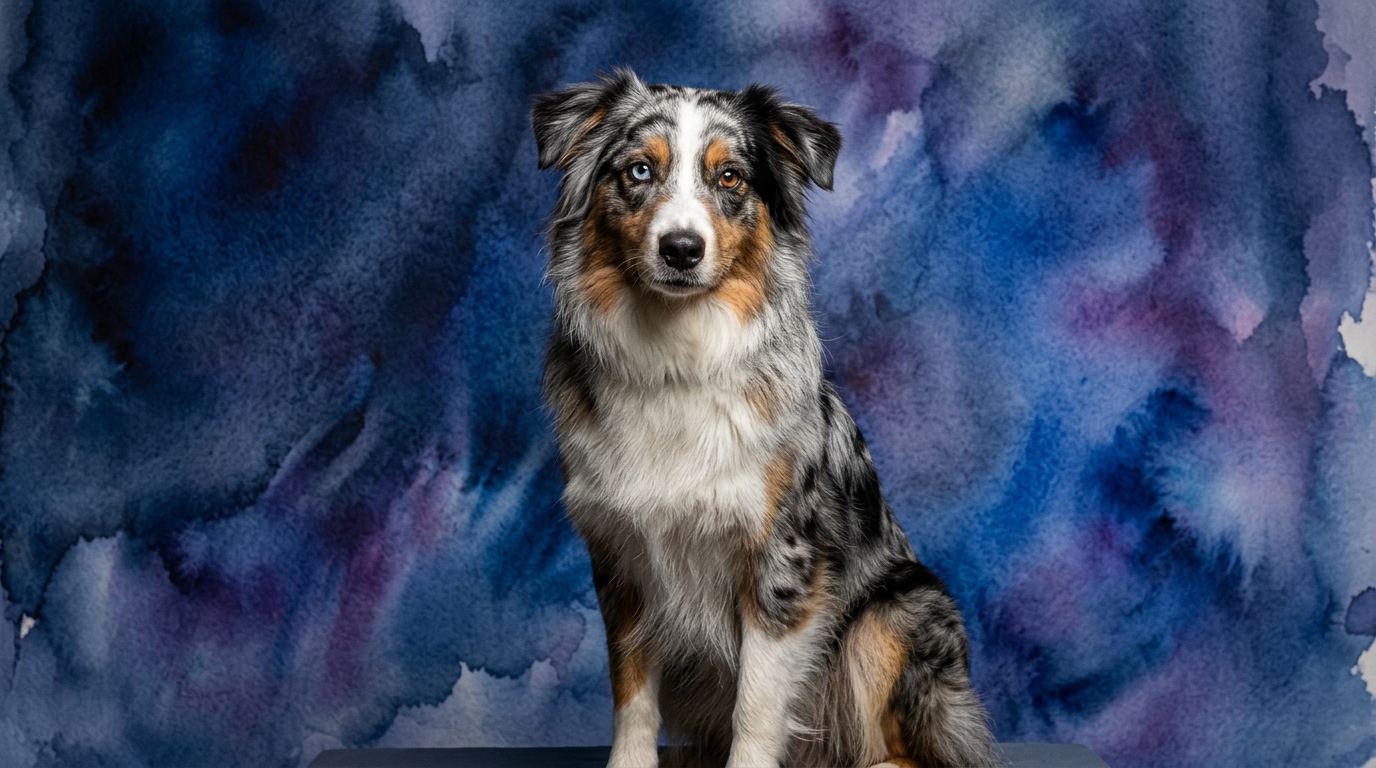
The Cosmic Pet Pet IQ Lab evaluates canine intelligence across five key dimensions, offering a nuanced understanding beyond simple obedience. For the Australian Shepherd, a Herding group dog, the profile is notably robust: Problem Solving 5/5, Training Speed 5/5, Social Intelligence 4/5, Instinctive Drive 5/5, and Memory 5/5. This reflects their history as versatile working dogs, bred to manage livestock with minimal human direction, requiring quick thinking and adaptability.
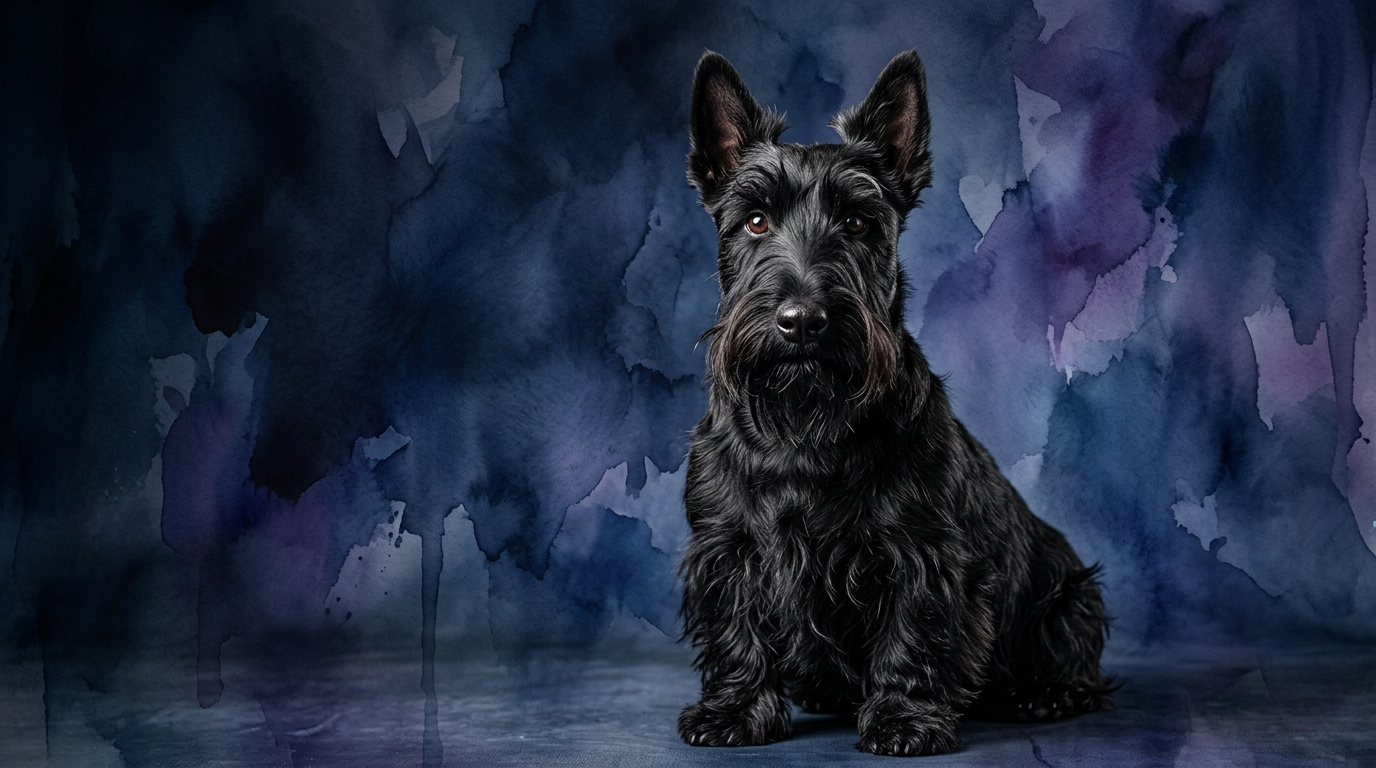
The Scottish Terrier, a Terrier group dog, presents a different cognitive blueprint. With a Coren rank of #65, their IQ scores are: Problem Solving 3/5, Training Speed 3/5, Social Intelligence 3/5, Instinctive Drive 3/5, and Memory 3/5. These scores are not a measure of general capacity but rather an indication of their specialized intelligence, honed for independent vermin hunting. Their cognitive strengths lie in persistence, self-reliance, and a focused drive for their specific tasks, rather than broad cooperative problem-solving or rapid obedience acquisition.
Where the Australian Shepherd Excels Cognitively
The Australian Shepherd's cognitive strengths are evident across nearly all dimensions. Their 5/5 in Problem Solving signifies an exceptional capacity to analyze situations and devise solutions, whether it’s navigating complex agility courses, figuring out how to open a gate, or outsmarting a flock of sheep. This isn't just about brute force; it's about strategic thinking and adapting tactics on the fly.
A 5/5 in Training Speed highlights their remarkable ability to grasp new commands and concepts rapidly. They possess an eagerness to engage and work alongside their human companions, absorbing complex sequences and cues with impressive efficiency. This quick learning is bolstered by their 5/5 Memory, allowing them to retain vast repertoires of commands, routines, and experiences over extended periods, making advanced training and task chaining particularly effective. Their 4/5 Social Intelligence means they are highly attuned to human emotions and intentions, fostering a deep, cooperative bond that enhances their trainability and partnership.
Where the Scottish Terrier Demonstrates Unique Cognitive Strengths
While the Scottish Terrier's scores are generally lower, their cognitive profile reflects a specialized set of aptitudes crucial to their historical role. Their 3/5 in Problem Solving, for instance, often manifests as tenacious determination rather than multi-step strategy. A Scottie might not devise an elaborate plan to retrieve a toy, but they will persist with singular focus, digging or squeezing into tight spaces until they achieve their objective, a valuable trait for hunting burrowing prey.
The 3/5 in Instinctive Drive, though numerically lower than the Aussie's, speaks to a deeply ingrained, independent hunting instinct. This drive allows them to work autonomously, making decisions without constant human oversight, a necessary trait for a lone terrier pursuing vermin underground. Their 3/5 Social Intelligence means they form profound, loyal bonds with their chosen family members, offering a deep, albeit sometimes reserved, connection. This selective social engagement means they are not easily swayed or distracted by strangers, maintaining focus on their 'pack' and perceived duties.
Training Dynamics: Eager Partnership vs. Independent Spirit
Training an Australian Shepherd is generally a more straightforward and rewarding experience for those who enjoy active participation. Their 5/5 Training Speed and 5/5 Memory mean they absorb new commands quickly and retain them well. They thrive on mental challenges and cooperative work, often performing tasks with enthusiasm and precision. Their strong instinctive drive, channeled appropriately, translates into focused engagement during training sessions, making them excellent candidates for advanced obedience, agility, and other dog sports. They genuinely enjoy learning and pleasing their human partners.
Training a Scottish Terrier, by contrast, requires patience, consistency, and an understanding of their independent nature. Their 3/5 Training Speed means they learn at a moderate pace, and their problem-solving often involves figuring out how to get *their* way rather than immediately complying. The Scottish Terrier's strong, independent drive for hunting means they can be single-minded and less inclined to follow commands if they perceive a more interesting 'job' (like chasing a squirrel). Successful training involves making it feel like their idea, using positive reinforcement, and understanding that their loyalty, while deep, does not always translate to immediate, eager obedience.
Matching Breeds to Lifestyles: Active Engagement vs. Focused Companionship
The Australian Shepherd is an ideal match for active owners who can provide ample physical exercise and mental stimulation. Their high instinctive drive and problem-solving abilities mean they need a 'job' to feel fulfilled, whether it's herding, agility, flyball, or long, engaging hikes. Owners who enjoy training and want a cooperative partner for outdoor adventures or complex tasks will find an Australian Shepherd incredibly rewarding. They are not suited for a sedentary lifestyle and will develop behavioral issues if their cognitive and physical needs are not met.
The Scottish Terrier suits owners who appreciate a dog with a distinct personality and independent streak. While they enjoy regular walks and playtime, their exercise requirements are more moderate compared to the high-energy Aussie. They are content with focused companionship and less demanding of constant interaction. Owners who understand and respect a terrier's self-reliant nature, and who can provide consistent, patient guidance, will find a loyal and spirited companion. They are suitable for individuals or families who prefer a dog that is not constantly seeking instruction but is happy to engage on its own terms.
The Verdict
Choose an Australian Shepherd if you seek an exceptionally trainable, cooperative, and physically active partner eager for complex tasks and constant engagement.
Opt for a Scottish Terrier if you appreciate an independent, tenacious companion with a strong personality, loyal to its chosen few, and content with focused, less demanding interaction.
🧠 Find Your Pet's IQ Score
Our Pet IQ Lab assessment covers 25+ tests across 5 cognitive dimensions — personalized to your breed.
Take the Full IQ Test →Frequently Asked Questions
Does an Australian Shepherd truly need a 'job'?
Yes, their 5/5 instinctive drive and problem-solving acumen mean Australian Shepherds thrive on mental and physical challenges. Without a constructive outlet for their energy and intelligence, they can become bored and develop undesirable behaviors, making a 'job' crucial for their well-being.
Are Scottish Terriers good with children?
Scottish Terriers can be good with respectful, older children who understand their independent nature. Their 3/5 social intelligence means they form strong bonds with their family but may be less tolerant of boisterous or intrusive interactions, preferring a calm and predictable environment.
Which breed is better for first-time dog owners?
Neither breed is typically recommended as a 'beginner' dog without proper research and commitment. Australian Shepherds require significant training experience to manage their high drive, while Scottish Terriers need patient owners who understand terrier independence and can navigate their specific training challenges.