Side-by-Side IQ Profile: Aussie vs. Husky Cognition
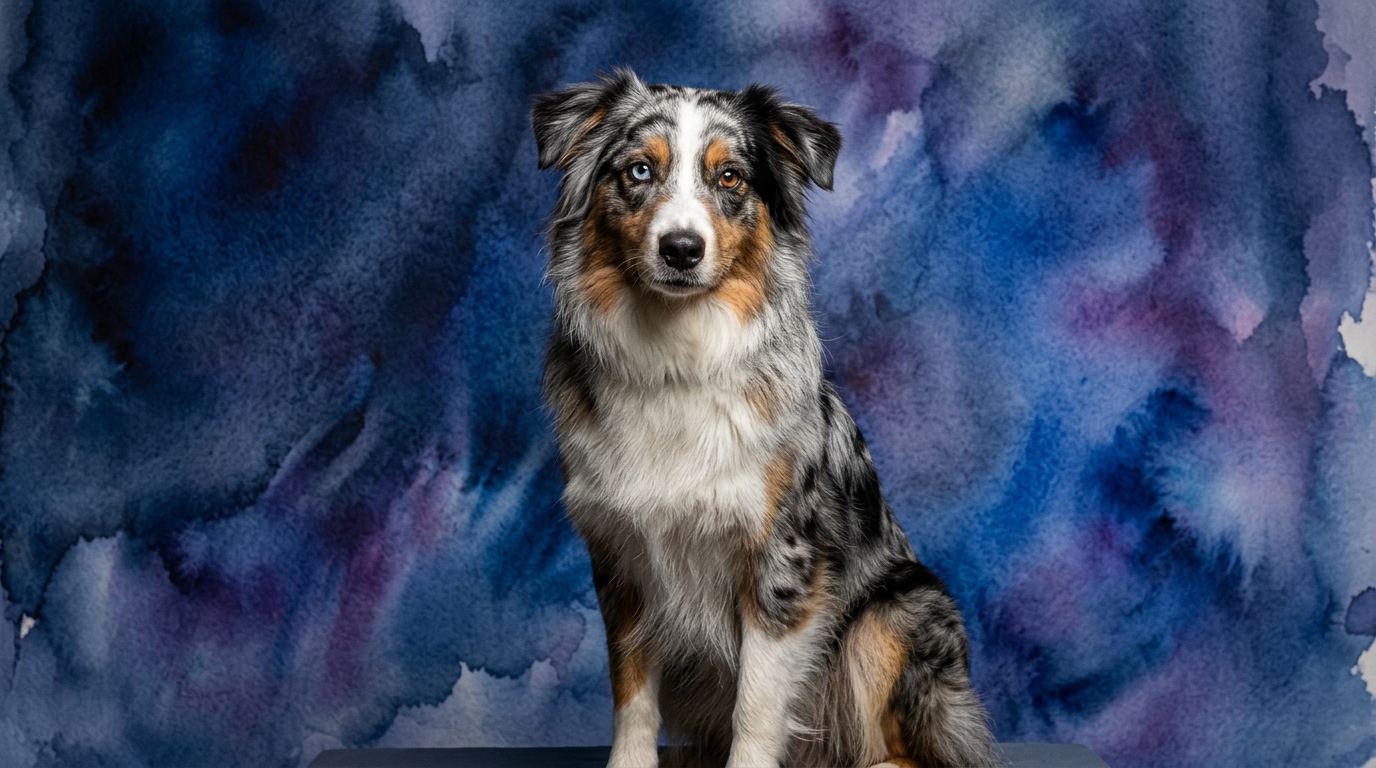
At The Cosmic Pet Pet IQ Lab, we assess canine cognition across five critical dimensions, offering a nuanced view beyond traditional rankings. Comparing the Australian Shepherd and Siberian Husky reveals distinct mental architectures shaped by their ancestral roles. The Australian Shepherd, a breed unranked by Coren but consistently demonstrating high aptitude, shows a near-perfect profile: Problem Solving at 5/5, Training Speed at 5/5, Social Intelligence at 4/5, Instinctive Drive at 5/5, and Memory at 5/5. This profile paints a picture of a canine deeply engaged with its environment and human partners, eager to learn and apply its mental faculties.
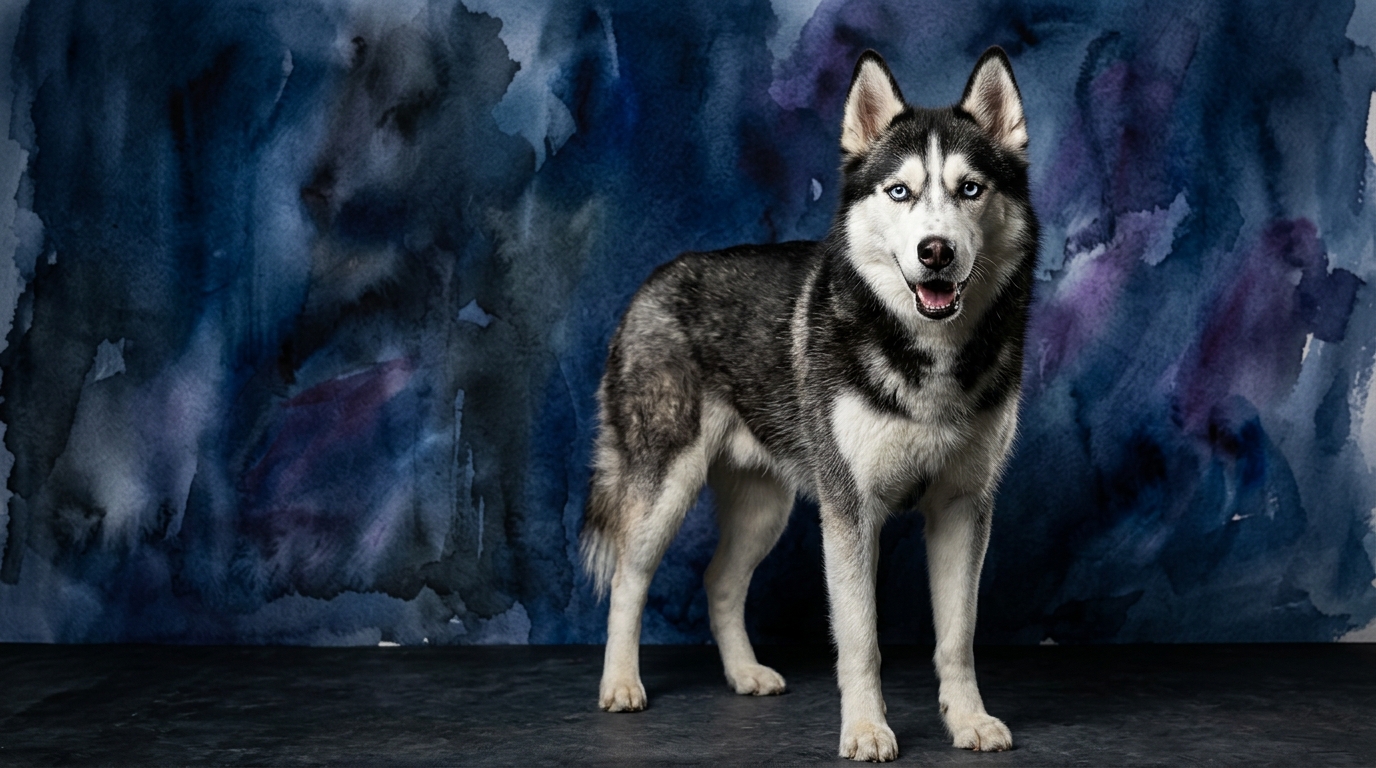
In contrast, the Siberian Husky, Coren-ranked #45 for working/obedience intelligence, presents a different cognitive landscape. Its Problem Solving is rated 4/5, Training Speed a more modest 2/5, Social Intelligence at 3/5, Instinctive Drive a robust 5/5, and Memory at 4/5. This data highlights a dog that is capable but often self-directed, with a strong internal compass guiding its actions. The Coren rank, which measures trainability for obedience commands, places the Husky in the 'average' category, reflecting its independent nature compared to the Aussie's inherent desire to cooperate. While both breeds possess impressive instinctive drives, the *nature* of these drives differs significantly, influencing their overall cognitive expression. The Aussie's drive is channeled into precise herding and human-directed tasks, while the Husky's is geared towards endurance, navigation, and often, self-preservation or exploration.
Where the Australian Shepherd Excels Cognitively
The Australian Shepherd's cognitive strengths are evident across multiple dimensions, making it a standout in specific mental tasks. Their Problem Solving, rated 5/5, means they approach new challenges with a strategic mindset, quickly assessing situations and formulating solutions. This isn't just about figuring out a puzzle toy; it extends to understanding complex multi-step commands or adapting to changes in their environment with minimal fuss. Their Herding group heritage demands rapid, on-the-fly decision-making, a trait that translates into a general aptitude for cognitive flexibility.
Complementing this is their 5/5 Training Speed. Aussies absorb new commands and concepts with remarkable quickness, often picking up new behaviors after just a few repetitions. This eagerness to engage and their capacity to generalize learning makes them highly adaptable students. Furthermore, their 4/5 Social Intelligence allows them to deeply tune into human cues, understanding subtle body language and vocal inflections, which enhances their responsiveness and the bond they form. Finally, a 5/5 Memory ensures that these learned behaviors and complex routines are retained over long periods, making their training durable and reliable, crucial for intricate tasks.
Where the Siberian Husky's Cognition Shines
While the Australian Shepherd excels in human-directed tasks, the Siberian Husky's cognitive profile reveals strengths rooted in its unique working heritage. Their 5/5 Instinctive Drive is paramount here, though it manifests differently. For Huskies, this drive is a powerful engine for endurance, exploration, and resilience, enabling them to cover vast distances and navigate challenging terrains. Their Problem Solving, at 4/5, often shines brightest when applied to tasks *they* deem important, such as finding a way to overcome obstacles to reach a desired location or resource.
This can manifest as impressive resourcefulness and ingenuity when their self-interest is engaged, like figuring out how to open a gate or outsmart a fence. Their Memory, at 4/5, supports their navigational abilities, allowing them to recall routes and environmental landmarks with precision. This combination of strong instinctive drive, self-directed problem-solving, and reliable memory makes them exceptionally adept at independent decision-making in environments where human guidance might be scarce, a crucial trait for a sled dog needing to make survival decisions.
Trainability: Australian Shepherd vs. Siberian Husky
When it comes to trainability, the data points to a clear distinction. The Australian Shepherd is significantly easier to train, primarily due to its 5/5 Training Speed and high Social Intelligence (4/5). Aussies possess a deep desire to engage with their human companions and actively seek to understand what is expected of them. Their quick grasp of commands, combined with their excellent memory, means they learn rapidly and retain lessons effectively. They thrive on positive reinforcement and mental challenges, viewing training as a collaborative activity.
In contrast, the Siberian Husky presents a more formidable training challenge, reflected in its 2/5 Training Speed. Huskies were bred for independence, making decisions on long sledding journeys without constant human input. This translates into a 'what's in it for me?' attitude; they are less inclined to obey simply for the sake of pleasing an owner. Their 3/5 Social Intelligence means they might be less attuned to subtle human cues, requiring more explicit and consistent communication. Training a Husky demands immense patience, creativity, and a strong understanding of their intrinsic motivations, often requiring more repetition and varied rewards to maintain engagement.
Matching Breeds to Owner Lifestyles
Neither the Australian Shepherd nor the Siberian Husky are suited for relaxed, sedentary owners; both demand active lifestyles, but the *nature* of that activity differs significantly. An Australian Shepherd is ideal for owners who are not only physically active but also eager to provide consistent mental stimulation. This breed thrives on having a 'job,' whether it's participating in agility, obedience, herding, or even complex trick training. They need daily vigorous exercise combined with significant cognitive engagement to prevent boredom and potential destructive behaviors, making them a full-time commitment.
Conversely, the Siberian Husky requires an owner capable of providing extensive physical exertion, primarily through running, hiking, or mushing. Their 5/5 Instinctive Drive for covering ground means they need outlets for this innate desire, often requiring several hours of high-intensity activity. While they are intelligent, their cognitive needs are less about complex problem-solving tasks and more about satisfying their powerful urge to move and explore. Both breeds will become restless and potentially destructive if their considerable energy and mental requirements are not met, highlighting the importance of matching their needs to your lifestyle.
The Verdict
Opt for an Australian Shepherd if you seek a highly trainable, deeply responsive canine partner eager to engage in complex mental tasks and dog sports, thriving on a close, communicative relationship and consistent mental challenges.
Select a Siberian Husky if you are an exceptionally active individual prepared for a resilient, independent companion whose primary joy comes from covering vast distances and exploring, requiring consistent management of their powerful instinctive drives and a secure environment.
🧠 Find Your Pet's IQ Score
Our Pet IQ Lab assessment covers 25+ tests across 5 cognitive dimensions — personalized to your breed.
Take the Full IQ Test →Frequently Asked Questions
Are Australian Shepherds good for first-time dog owners?
Australian Shepherds can be challenging for first-time owners due to their high cognitive needs and strong herding instincts. They require consistent training, significant mental stimulation, and ample physical exercise to prevent boredom and destructive behaviors, making them better suited for experienced individuals.
Do Siberian Huskies get along with other pets?
Siberian Huskies can coexist with other pets, but their strong prey drive requires careful supervision and early socialization, especially with smaller animals. Their pack mentality often means they do well with other dogs, though individual personalities vary and introductions should always be managed.
How much exercise does an Australian Shepherd need daily?
An Australian Shepherd typically requires at least 1-2 hours of vigorous exercise daily, coupled with mental stimulation like puzzle toys or training sessions. This breed thrives on having a 'job' and will become restless or destructive if their energy and cognitive needs aren't met consistently.