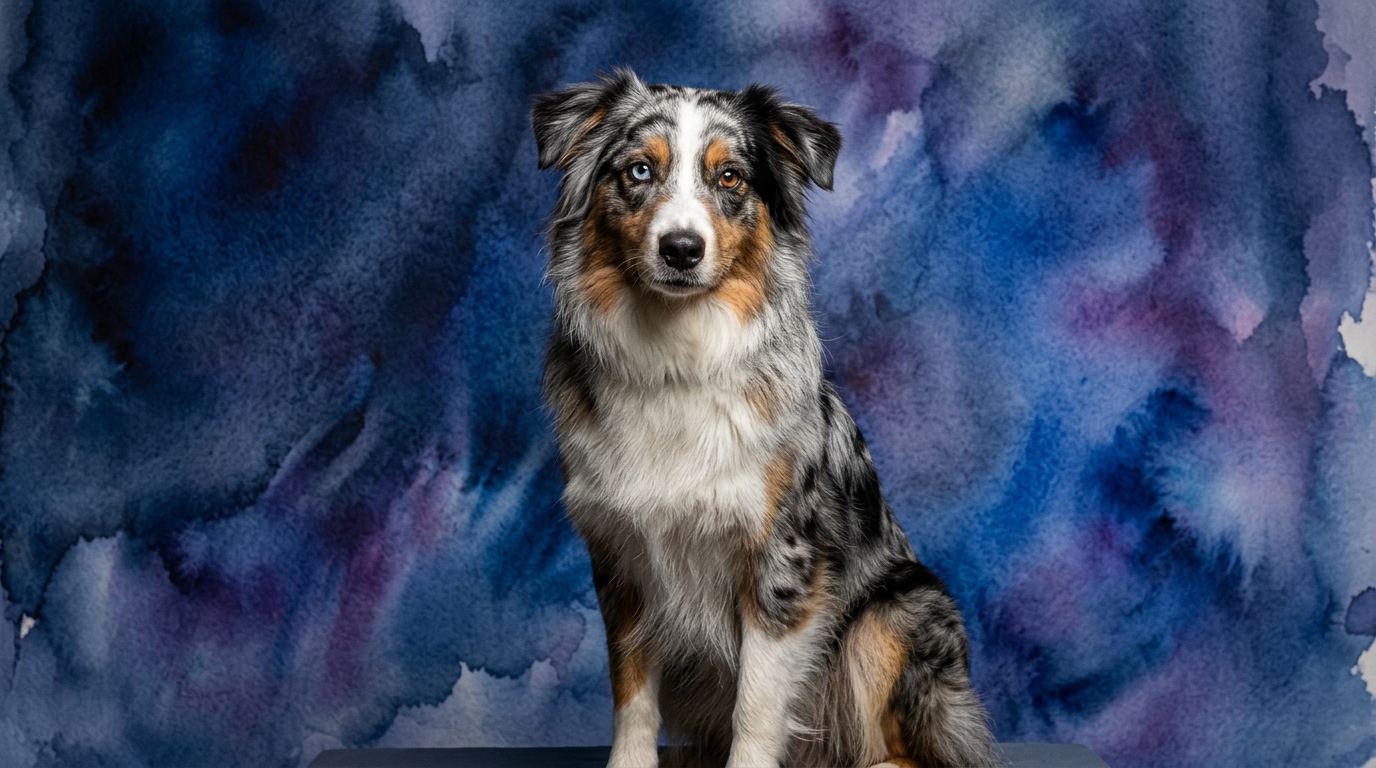
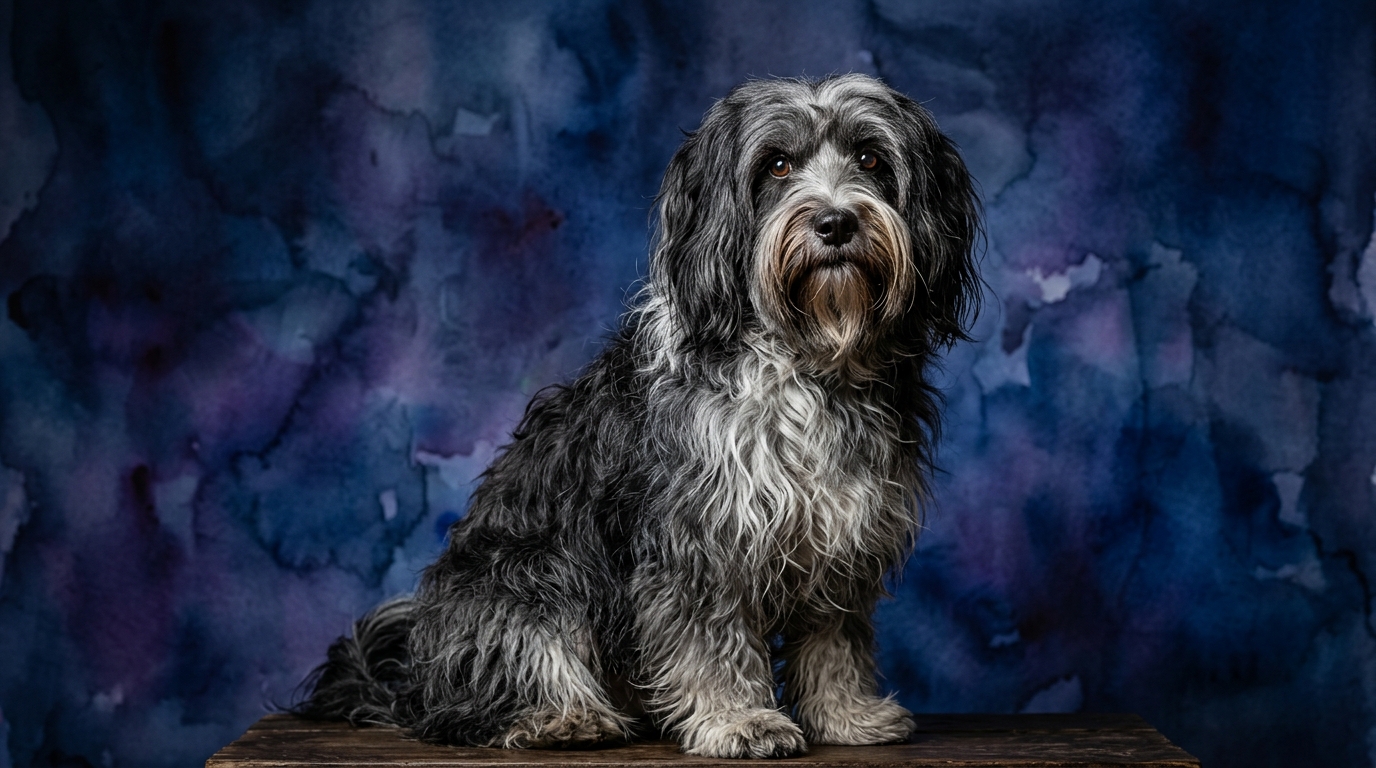
Side-by-Side IQ Profile: Australian Shepherd vs. Tibetan Terrier
The Cosmic Pet Pet IQ Lab evaluates canine cognition across five crucial dimensions, offering a nuanced understanding beyond simple obedience. For the Australian Shepherd, a breed renowned for its working acumen, the profile illuminates a powerhouse of mental capacity. Its Problem Solving is rated 5/5, indicating an exceptional ability to analyze and independently resolve complex environmental puzzles, often demonstrating foresight in their actions. Training Speed also sits at a perfect 5/5, signifying a remarkable aptitude for rapidly acquiring and executing new commands, often with minimal repetition. Social Intelligence is strong at 4/5, reflecting a keen responsiveness to human emotional states and a desire to engage cooperatively. The breed’s Instinctive Drive is an undeniable 5/5, manifesting as a profound intrinsic motivation to herd, gather, and control, a trait deeply embedded in its lineage. Finally, Memory is also 5/5, allowing for a vast retention of learned behaviors, intricate sequences, and past experiences, making them highly adaptable in dynamic situations.
In contrast, the Tibetan Terrier, a venerable companion breed with a different historical purpose, presents a balanced yet distinct cognitive blueprint. Its Problem Solving ability is rated 3/5, suggesting a moderate capacity for independent thought in novel situations; they can learn to navigate challenges but may require more structured guidance than a highly analytical breed. Training Speed is likewise 3/5, indicating a steady, consistent learning pace that benefits greatly from positive reinforcement and patience, though they may not absorb new concepts with the same lightning speed. Social Intelligence for the Tibetan Terrier is 3/5, showing a warm connection with family members and an awareness of their immediate social circle, but often with a confident independence that means they aren't constantly seeking human direction. Their Instinctive Drive scores 3/5, reflecting some inherent predispositions such as alertness and watchfulness, but these are typically not as intense or task-oriented as the powerful drives seen in working breeds. Memory is also 3/5, meaning they reliably retain fundamental commands and routines, building a functional repertoire of behaviors over time with regular practice.
Where the Australian Shepherd Excels Cognitively
The Australian Shepherd's cognitive strengths are particularly evident in its capacity for complex operational thinking and rapid assimilation of new information. With a 5/5 in Problem Solving, an Australian Shepherd doesn't just learn a task; it often deduces the underlying principles, enabling it to generalize solutions to new, related challenges. For example, if taught to open a specific gate latch, an Aussie might quickly apply that understanding to similar, unfamiliar latches. This breed's 5/5 Training Speed means it can master multi-step commands and intricate routines in fewer repetitions than many other breeds, making it a favorite for advanced obedience, agility, and competitive sports where precision and quick learning are paramount. Their exceptional Memory (5/5) means these complex sequences and solutions are not easily forgotten, allowing for a vast and reliable behavioral repertoire over their lifetime. This cognitive profile makes them adept at tasks requiring sustained focus and the ability to adapt learned behaviors to changing circumstances, a hallmark of their herding heritage where split-second decisions and fluid responses are critical.
Unique Cognitive Strengths of the Tibetan Terrier
While the Tibetan Terrier’s IQ scores are moderate across the board, their cognitive profile fosters a different kind of strength: adaptability and a balanced temperament that can be highly appealing. A 3/5 in Instinctive Drive means they possess inherent watchful qualities without the overwhelming need for a 'job' that can characterize breeds with higher drives. This translates to a companion that is alert and discerning without being perpetually restless or prone to obsessive behaviors. Their 3/5 Social Intelligence, while not indicating a constant need for human validation, allows for a self-sufficient yet deeply affectionate bond. They observe, learn at a steady pace, and integrate into family life with a quiet confidence rather than an intense, demanding presence. This balanced cognitive approach means they are less likely to experience the frustration or anxiety that can arise in breeds whose immense mental capacities and drives are not adequately challenged. Their moderate scores suggest a dog that is trainable, observant, and capable of forming strong bonds, but with an independent streak that allows them to be content in their own space, a valuable trait for owners seeking a less overtly 'needy' companion.
Training Dynamics: Australian Shepherd vs. Tibetan Terrier
When it comes to training, the differences between these two breeds are pronounced and directly reflect their IQ profiles. The Australian Shepherd, with its 5/5 Training Speed and 5/5 Problem Solving, is often described as a sponge for information. They not only absorb commands quickly but actively seek to understand the purpose and context of what they are learning. Their strong Instinctive Drive (5/5) means they thrive on having a 'job' and find immense satisfaction in working collaboratively with their handler. This combination makes them highly responsive to positive reinforcement and eager to please, making advanced training a relatively swift and rewarding experience. However, their high cognitive needs mean that if not adequately challenged, they can become bored, leading to the development of undesirable behaviors as they find their own 'work' to do, which might include herding children, nipping at heels, or becoming destructive.
The Tibetan Terrier, by contrast, with its 3/5 Training Speed and 3/5 Problem Solving, requires a more patient and consistent approach. They are certainly trainable, but they learn at a more deliberate pace and may not always see the immediate 'point' of a repetitive drill. Their moderate Instinctive Drive (3/5) means they aren't inherently driven to work for human approval in the same way a herding dog might be; they are more independent thinkers. This can manifest as a selective hearing or a charming stubbornness if the training isn't engaging or if they perceive no immediate benefit. Success with a Tibetan Terrier hinges on making training sessions fun, varied, and short, utilizing high-value rewards, and maintaining unwavering consistency. They respond best to positive reinforcement techniques that build trust and make learning a game, rather than a demanding task.
Lifestyle Suitability: Active vs. Relaxed Owners
The distinct cognitive profiles of the Australian Shepherd and the Tibetan Terrier naturally align them with different owner lifestyles. The Australian Shepherd is unequivocally suited for active, engaged owners who are prepared to integrate their dog into a dynamic daily routine. Their high Problem Solving, Training Speed, and Instinctive Drive mean they require significant physical exercise coupled with consistent mental stimulation. This breed thrives in environments where they have a purpose, whether it's participating in dog sports like agility, obedience, flyball, or having a 'job' on a farm. Owners who enjoy long hikes, running, or structured training sessions multiple times a week will find a willing and enthusiastic partner in an Aussie. Neglecting their mental and physical needs can lead to frustration for the dog and challenging behaviors for the owner, making them a poor fit for sedentary households.
The Tibetan Terrier, with its balanced cognitive scores, is a far more adaptable companion for a wider range of owners, including those with a more relaxed lifestyle. While they enjoy regular walks, playtime, and mental engagement, their moderate energy and drive mean they don't demand the intense, structured 'work' that an Australian Shepherd requires. They are content with a good daily walk, some interactive play, and puzzle toys to keep their minds engaged. Their moderate Social Intelligence and Instinctive Drive mean they are affectionate and connected to their family but also comfortable entertaining themselves or relaxing quietly. This makes them an excellent choice for individuals or families seeking a devoted companion who is not overly demanding but still brings a lively, curious presence into the home. They fit well into suburban or even apartment living, provided their basic needs for exercise and mental enrichment are met consistently, albeit without the intensity required by a high-drive working breed.
The Verdict
Choose an Australian Shepherd if you are an active individual or family prepared for a deep commitment to training, mental stimulation, and physical exercise, seeking a highly engaged and collaborative partner for work or sport.
Opt for a Tibetan Terrier if you desire a versatile, affectionate, and somewhat independent companion who thrives on consistent, positive engagement without demanding an intense working partnership, fitting well into a moderately active household.
🧠 Find Your Pet's IQ Score
Our Pet IQ Lab assessment covers 25+ tests across 5 cognitive dimensions — personalized to your breed.
Take the Full IQ Test →Frequently Asked Questions
Can a Tibetan Terrier participate in dog sports like agility?
Absolutely, Tibetan Terriers can excel in dog sports like agility, rally, and obedience. While their training speed is moderate, their intelligence and desire for engagement mean they can learn and perform well with consistent, positive reinforcement and an owner who makes training fun.
Are Australian Shepherds suitable for first-time dog owners?
Australian Shepherds can be challenging for first-time owners due to their high cognitive needs, intense drives, and requirement for extensive training and socialization. They thrive with experienced owners who understand working dog behaviors and are committed to providing substantial mental and physical outlets.
How does the Coren rank for Tibetan Terriers (#63) compare to the Australian Shepherd's unranked status?
Stanley Coren's ranking primarily assesses 'working and obedience intelligence.' The Tibetan Terrier's #63 rank reflects its steady, but not top-tier, ability to learn and obey commands. The Australian Shepherd, though unranked by Coren, consistently demonstrates cognitive abilities (5/5 in problem-solving and training speed) that would place it among the highest-ranked breeds, indicating its exceptional capacity for learning and task execution.