Side-by-Side Cognitive Profiles
The Cosmic Pet Pet IQ Lab categorizes canine intelligence across five key dimensions: Problem Solving, Training Speed, Social Intelligence, Instinctive Drive, and Memory. Examining these metrics for the Australian Shepherd and the Treeing Walker Coonhound provides a clear picture of their predispositions and cognitive strengths.
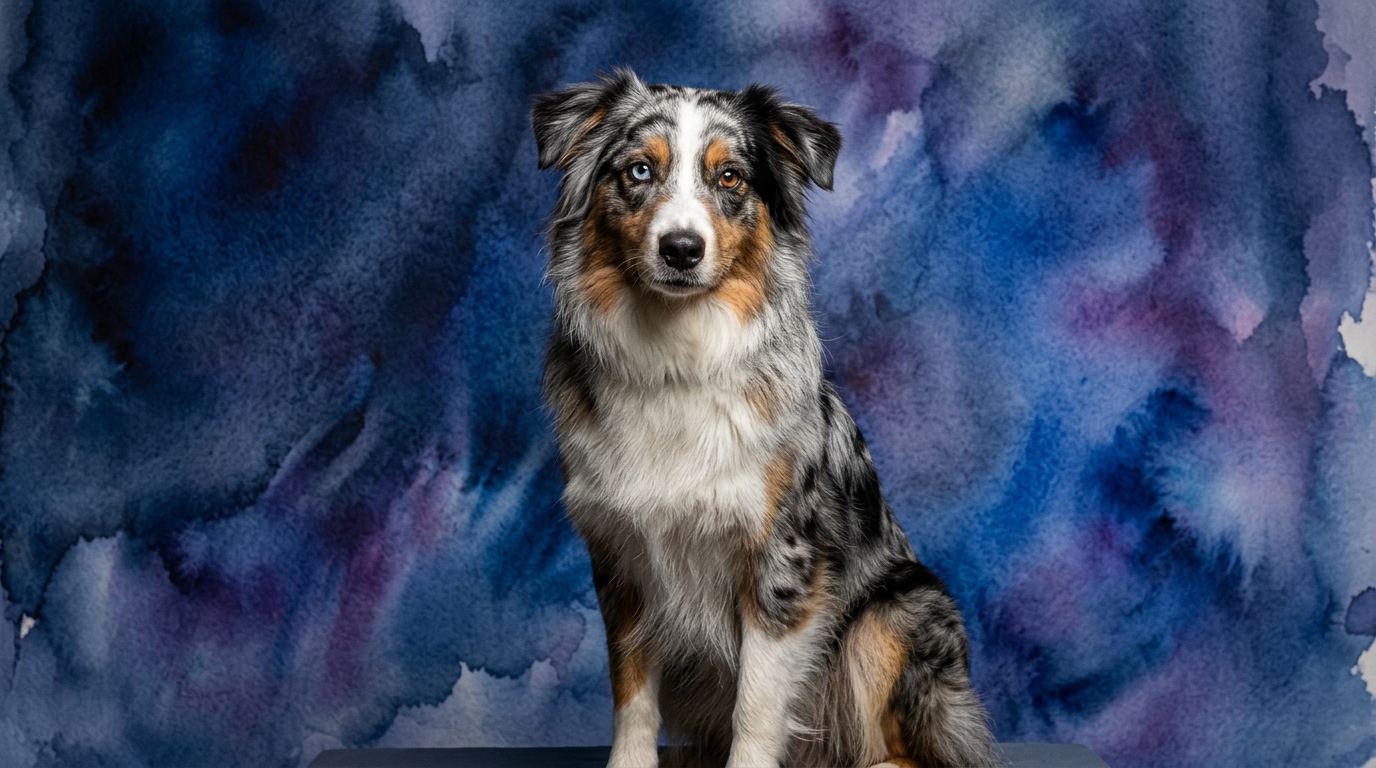
The Australian Shepherd, a breed developed for herding livestock, exhibits an exceptional cognitive profile. Their Problem Solving score of 5/5 indicates a remarkable capacity to analyze complex situations, adapt strategies, and execute multi-step solutions, often without direct instruction. This translates into an ability to figure out puzzles, navigate intricate environments, and understand sequential tasks with impressive fluidity.
With a Training Speed score of 5/5, Australian Shepherds acquire new commands and concepts with astonishing rapidity. They often grasp new cues in just a few repetitions, making them highly responsive to structured learning. Their high retention further solidifies learned behaviors, minimizing the need for constant reinforcement.
Their Social Intelligence, rated at 4/5, highlights their strong attunement to human companions. Australian Shepherds are adept at interpreting human body language, vocal tones, and intentions, fostering a deep collaborative bond. This sensitivity makes them eager partners in various activities, often anticipating their handler's next move.
An Instinctive Drive of 5/5 reflects their powerful, innate herding impulse and a profound work ethic. This drive is often channeled into productive activities, making them persistent and focused when engaged in a task. Their high energy is typically directed towards purposeful engagement rather than undirected restlessness.
Finally, an Australian Shepherd's Memory score of 5/5 means they possess outstanding recall for commands, routines, and past experiences. They can remember complex sequences of behaviors over long periods, making them reliable and consistent performers once a skill is mastered.
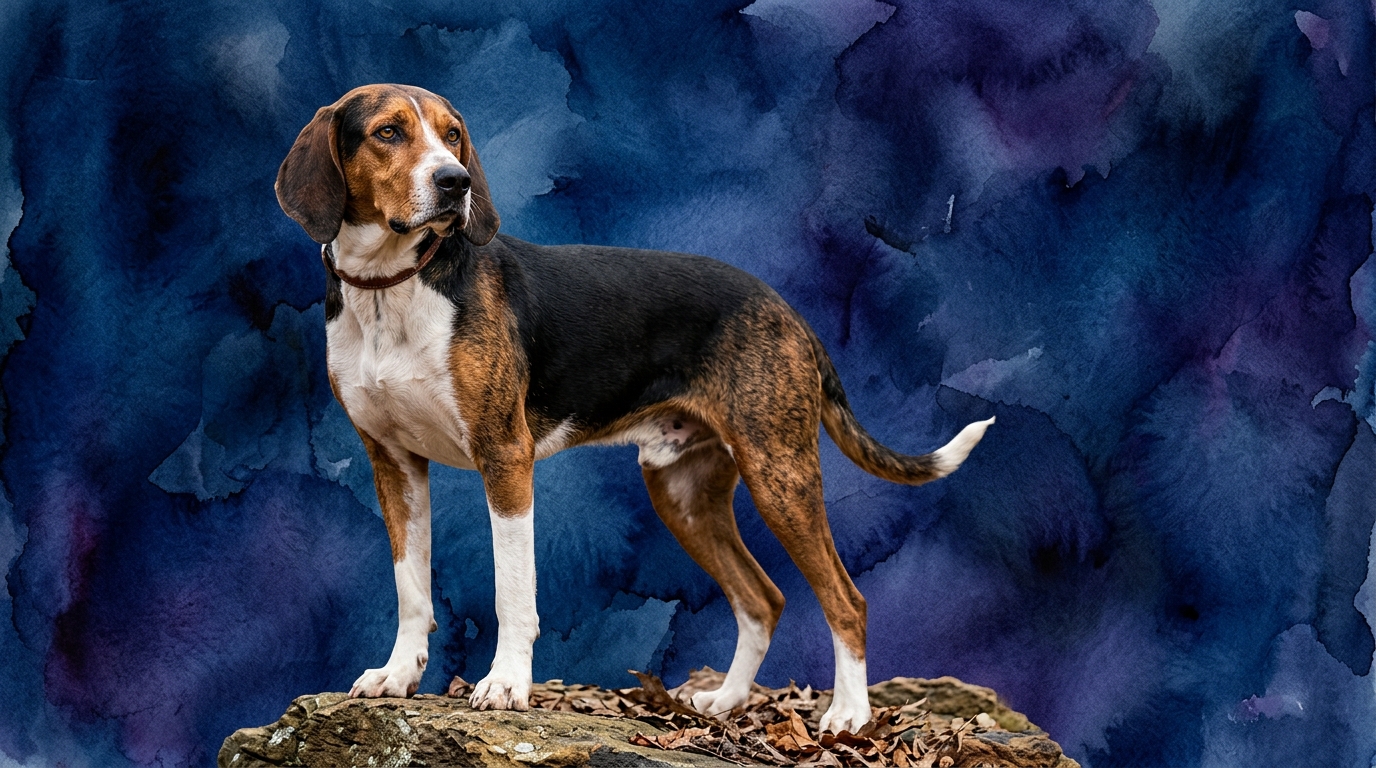
In contrast, the Treeing Walker Coonhound, a scent hound bred for tracking and treeing game, presents a different cognitive landscape. Their Problem Solving score of 3/5 suggests they are capable of solving straightforward, immediate problems, particularly those related to scent tracking. However, they are less inclined towards abstract or multi-stage cognitive challenges that don't directly align with their primary drive.
Their Training Speed, at 3/5, indicates a moderate pace of learning. Treeing Walker Coonhounds require consistent, patient reinforcement and often more repetitions to solidify new commands. Their focus can be easily diverted by compelling environmental scents, which naturally takes precedence over human instruction.
A Social Intelligence score of 3/5 means they are affectionate and generally good-natured, but often possess an independent spirit. While they form strong bonds with their families, their primary motivation is frequently internal or sensory, rather than solely driven by human approval or desire to please in a cooperative working sense.
The Instinctive Drive of 3/5 for a Treeing Walker Coonhound is specifically geared towards their olfactory prowess. They possess an unwavering persistence when on a scent trail, demonstrating remarkable endurance and focus in this specialized task. This drive is less about general cooperation and more about autonomous pursuit.
Their Memory score of 3/5 reflects good recall for established routines and particularly for scent trails. However, their memory for arbitrary commands or complex sequences may require more frequent reinforcement compared to breeds with higher scores, particularly if those commands compete with a strong sensory stimulus.
Where the Australian Shepherd Wins Cognitively
The Australian Shepherd's cognitive strengths shine brightest in areas requiring collaborative problem-solving and rapid, flexible learning. Their superior Problem Solving (5/5) allows them to excel in dynamic environments, quickly assessing new situations and devising effective actions. For instance, they can master intricate agility courses, understanding complex sequences of obstacles and adapting their approach on the fly.
Their exceptional Training Speed (5/5) means they not only learn quickly but also generalize concepts readily. An Australian Shepherd can often apply a learned behavior to a novel context with minimal guidance, demonstrating a deeper understanding of the underlying principle rather than just rote memorization. This makes them highly adaptable partners for various activities.
The Australian Shepherd's high Social Intelligence (4/5) positions them as master communicators with their human counterparts. They are acutely aware of subtle shifts in human mood and intention, making them incredibly responsive and eager to engage in shared activities. This strong social bond is a powerful cognitive asset for cooperative tasks, translating into seamless teamwork in everything from obedience to service work.
Where the Treeing Walker Coonhound Wins Cognitively
While their general IQ scores might appear moderate, the Treeing Walker Coonhound possesses specialized cognitive strengths that are unparalleled within their domain. Their primary cognitive triumph lies in sophisticated Olfactory Problem Solving and Discrimination. They can parse an astonishing array of environmental scents, isolating a specific target odor from countless distractions, tracking it over vast distances and varied terrain, and making complex decisions based purely on this sensory information. This is a highly specialized form of intelligence critical for their purpose.
Furthermore, their independent decision-making in the field is a distinct cognitive advantage. When on a trail, Treeing Walker Coonhounds demonstrate remarkable autonomy, making choices about pathfinding and pursuit without constant human direction. This self-reliance and persistence (stemming from their Instinctive Drive) allow them to operate effectively over long periods and in challenging environments where human guidance might be impractical.
Their Sensory-Driven Memory is another area of cognitive excellence. While their memory for arbitrary commands might be moderate, their recall for scent patterns, established routes, and the location of game is exceptional. They can remember where a specific scent was last detected, even after a significant time lapse, showcasing a specialized form of spatial and olfactory memory that is finely tuned to their hunting heritage.
Which is Easier to Train and Why
The Australian Shepherd is unequivocally easier to train, primarily due to their confluence of high scores in Training Speed, Social Intelligence, and Instinctive Drive. They possess an inherent desire to work collaboratively with humans, actively seeking to understand and comply with commands. Their rapid learning curve means new behaviors are acquired quickly, and their strong memory ensures excellent retention. This makes them highly rewarding for structured training, as they thrive on mental engagement and the satisfaction of a job well done alongside their handler.
Conversely, the Treeing Walker Coonhound presents a more significant training challenge. Their independent nature and overwhelming instinct to follow a scent trail often mean their attention is primarily directed outwards, towards their olfactory world, rather than inwards towards human instruction. Training requires immense patience, consistent positive reinforcement, and often creative methods that capitalize on their love for scent work. Their moderate Training Speed and Memory mean more repetitions are needed, and distractions from compelling smells can easily derail a training session, requiring handlers to be persistent and understanding of their hound's innate priorities.
Which Suits Active Owners vs. Owners Who Appreciate Independent Activity
The Australian Shepherd is an ideal match for highly active owners who thrive on structured engagement and shared activities. These dogs require substantial mental and physical stimulation to prevent boredom and redirected behaviors. Owners who enjoy dog sports like agility, obedience, flyball, or even herding will find a willing and enthusiastic partner in an Australian Shepherd. They need daily opportunities for complex tasks, problem-solving games, and vigorous exercise that involves their human companion.
The Treeing Walker Coonhound suits owners who appreciate an independent, affectionate companion and are prepared to accommodate their powerful scent drive. While they certainly need physical activity, their 'activity' is often self-directed scent exploration rather than cooperative tasks. Owners who enjoy long, leash-controlled walks where their dog can immerse themselves in sniffing, or who can provide securely fenced areas for supervised outdoor exploration, will find a good fit. They are often content to relax indoors after adequate mental and physical exertion, but their independent spirit means their 'relaxation' might look different from a breed that constantly seeks human interaction for stimulation.
The Verdict
Choose an Australian Shepherd if you seek a highly collaborative partner for advanced training, dog sports, or a working role, and can provide consistent mental stimulation and structured physical activity.
Choose a Treeing Walker Coonhound if you appreciate an independent, affectionate companion with an unparalleled nose, are willing to accommodate their strong scent drive with secure outdoor exploration, and possess patience for their unique training approach.
🧠 Find Your Pet's IQ Score
Our Pet IQ Lab assessment covers 25+ tests across 5 cognitive dimensions — personalized to your breed.
Take the Full IQ Test →Frequently Asked Questions
Can a Treeing Walker Coonhound be trained for obedience like an Australian Shepherd?
While a Treeing Walker Coonhound can certainly learn obedience commands, their independent nature and strong scent drive make it a more challenging and time-consuming endeavor compared to an Australian Shepherd. Success requires immense patience, consistency, and often finding ways to incorporate their natural scenting abilities into training.
Do Australian Shepherds need a 'job' to be content?
Yes, Australian Shepherds thrive on having a 'job' or purposeful activity. Their high instinctive drive and problem-solving abilities mean they require regular mental stimulation and physical outlets. Without sufficient engagement, they can become bored, which may lead to undesirable behaviors.
Are Treeing Walker Coonhounds good family pets despite their independent nature?
Treeing Walker Coonhounds are generally affectionate and good-natured with their families, often forming strong bonds. While independent outdoors, they are typically quite mellow and loving inside the home, making them wonderful companions for families who understand and appreciate their unique characteristics and provide appropriate outlets for their instincts.