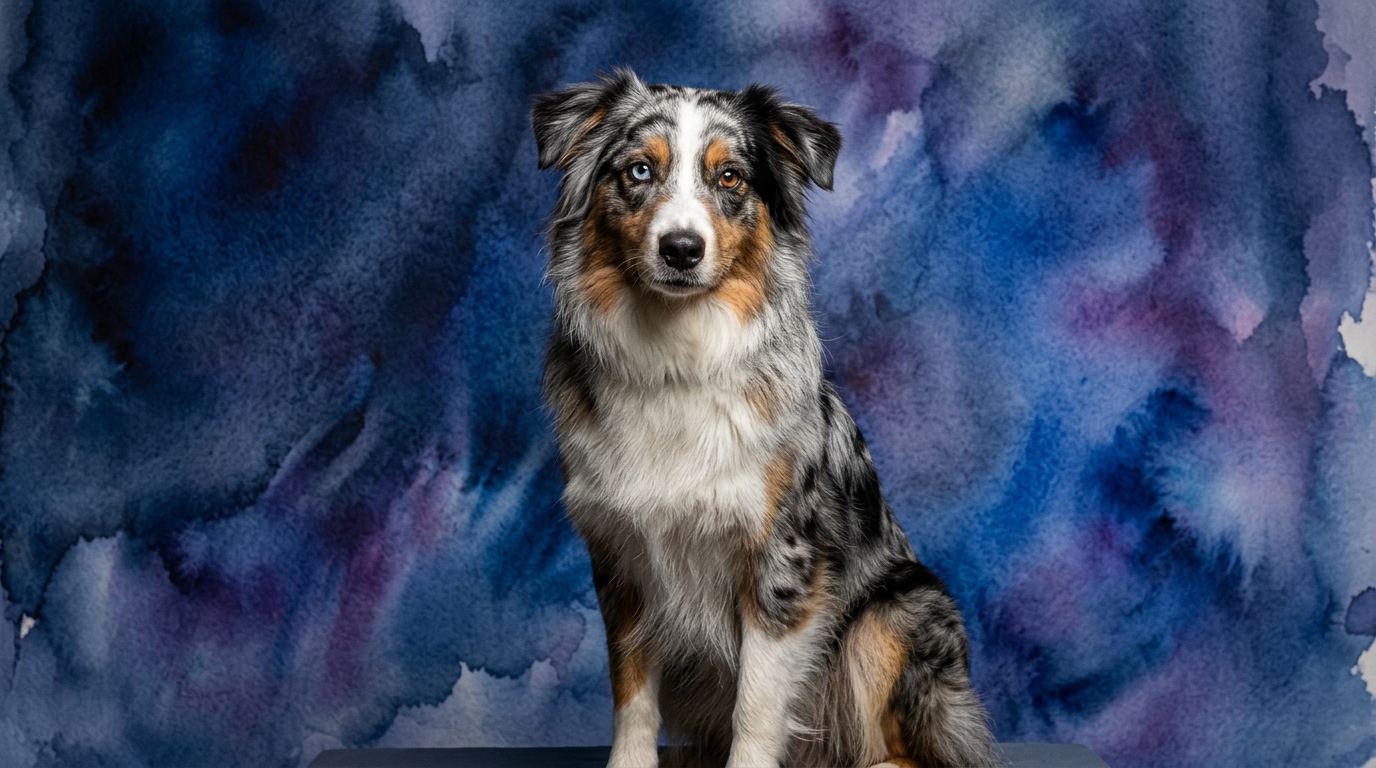
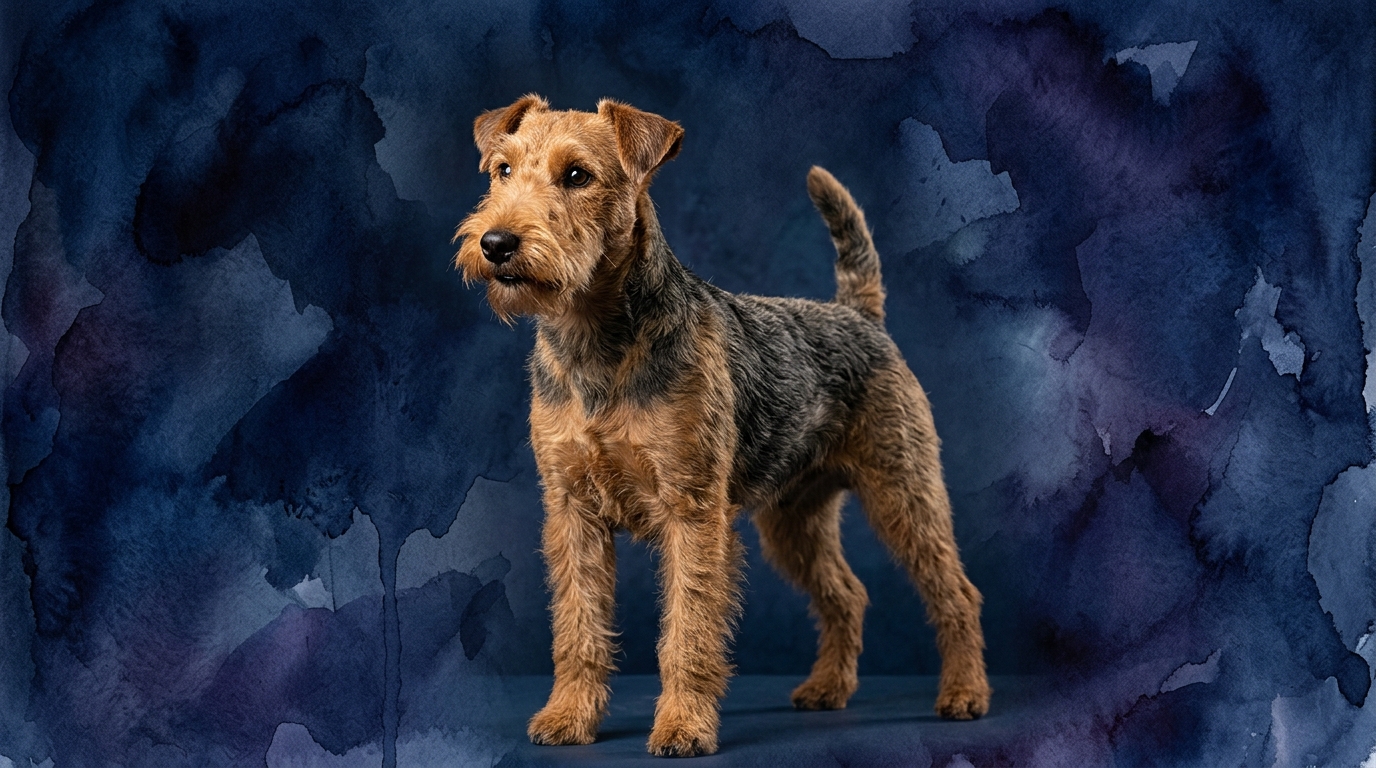
Side-by-Side Pet IQ Profile
**Australian Shepherd (Aussie): The Herding Prodigy**
**Problem Solving (5/5):** Aussies exhibit exceptional capacity to analyze and navigate complex situations, quickly adapting to novel challenges like opening gates or strategizing to gather scattered sheep. Their cognitive flexibility allows them to devise effective solutions.
**Training Speed (5/5):** Renowned for rapid command acquisition, Aussies' eagerness to engage and sharp focus mean they often grasp complex sequences with minimal repetition. This makes them a joy for advanced obedience or sport training.
**Social Intelligence (4/5):** Deeply attuned to human companions and subtle cues, their 4/5 score reflects a primary focus on their immediate family. They read human intentions well but can be reserved with strangers, requiring careful socialization.
**Instinctive Drive (5/5):** Their powerful herding instinct translates into an intense desire to gather and direct, often seen in attempts to 'herd' family members. This profound internal motivation shapes much of their interaction with their environment.
**Memory (5/5):** Australian Shepherds possess outstanding memory, retaining a vast repertoire of commands, locations, and experiences. This strong recall supports advanced training and allows them to perform intricate, multi-step tasks reliably.
**Welsh Terrier (Welshie): The Spirited Independent**
**Problem Solving (3/5):** Welsh Terriers approach problems with characteristic determination. Their problem-solving often revolves around overcoming obstacles for specific, instinct-driven goals like reaching perceived "prey." While persistent, their methods are less varied or adaptable than breeds with higher scores.
**Training Speed (3/5):** Welshies learn at a moderate pace, needing more repetition and consistent motivation. Their independent nature makes them less inclined to perform solely for approval, requiring clear incentives and engaging methods.
**Social Intelligence (3/5):** Affectionate with family, Welsh Terriers exhibit a more independent social demeanor. Their 3/5 score suggests less concern with nuanced human emotions or group dynamics, preferring to engage on their own terms.
**Instinctive Drive (3/5):** Their strong, specifically channeled drive targets vermin hunting, translating to a keen prey drive and love for digging. This focused, task-specific drive is for exploration and investigation, not generalized control.
**Memory (3/5):** Welsh Terriers have functional memory, retaining basic commands adequately. However, their recall is less extensive or precise than higher-scoring breeds, sometimes needing refreshers for less frequent behaviors.
Where the Australian Shepherd Wins Cognitively
The Australian Shepherd's cognitive strengths shine in adaptability, foresight, and deep partnership. Their 5/5 Problem Solving means they anticipate next steps, react to changing environments, and 'think around' obstacles, crucial for a working herding dog. Complemented by 5/5 Memory, they build complex mental maps and recall intricate command sequences with remarkable precision. For dog sports like agility or advanced obedience, the Aussie's rapid learning (5/5 Training Speed) provides a significant advantage, translating into faster mastery of challenging tasks.
Where the Welsh Terrier Wins Cognitively
While the Welsh Terrier's scores are generally lower, their profile represents a strength in independence and targeted persistence. A 3/5 Social Intelligence means less reliance on human company, offering self-sufficiency and less potential for separation distress. Their 3/5 Instinctive Drive, though not overwhelming, signifies a focused, tenacious drive for specific tasks like tracking and digging. This singular focus, with moderate Problem Solving (3/5), means they apply intellect to self-directed challenges, making them formidable in their chosen 'work' without needing constant human direction for complex, abstract tasks.
Which is Easier to Train and Why
Without question, the Australian Shepherd (5/5 Training Speed) is significantly easier to train than the Welsh Terrier (3/5 Training Speed). The Aussie’s inherent desire to work collaboratively, exceptional memory, and problem-solving abilities make them eager, quick learners. They thrive on mental engagement and positive reinforcement, quickly picking up and retaining commands. Their 'velcro dog' tendency means constant responsiveness. In contrast, the Welsh Terrier’s independence requires more patience, consistency, and creative motivation. They aren't naturally inclined to perform solely to please, needing clear incentives and engaging methods to maintain focus, often exhibiting a charming stubborn streak if they don't perceive a compelling reason to comply.
Which Suits Active Owners vs. Relaxed Owners
The Australian Shepherd is undeniably suited for active owners ready to integrate their dog into a dynamic lifestyle. Their 5/5 Instinctive Drive and high Problem Solving demand extensive physical exercise and constant mental engagement to prevent boredom. They excel in dog sports, long hikes, and jobs utilizing herding instincts, ideal for runners, hikers, or competitive enthusiasts. A truly 'relaxed' owner would struggle to meet an Aussie's profound stimulation needs. The Welsh Terrier, while active, suits a different kind of owner. Their 3/5 Instinctive Drive manifests as bursts of energy for chasing, digging, and exploring, rather than sustained, directed work. They thrive with structured play, walks, and independent exploration in secure areas, often content to relax indoors once exercise needs are met, making them adaptable to owners with a more moderate, yet engaged, approach to activity.
The Verdict
Choose the Australian Shepherd if you seek an intensely engaged, highly trainable partner for advanced activities, dog sports, or a working role, and are prepared to provide extensive mental and physical stimulation daily.
Opt for the Welsh Terrier if you appreciate an independent, spirited companion with a focused drive, valuing a dog that is affectionate but self-sufficient, and you can provide consistent, engaging training and moderate, varied activity.
🧠 Find Your Pet's IQ Score
Our Pet IQ Lab assessment covers 25+ tests across 5 cognitive dimensions — personalized to your breed.
Take the Full IQ Test →Frequently Asked Questions
Are Australian Shepherds prone to separation anxiety?
Given their 4/5 Social Intelligence and strong bond with their family, Australian Shepherds can be prone to separation anxiety if not properly conditioned or if left alone for extended periods without sufficient mental and physical enrichment. Their deep need for companionship means they thrive on being part of their human's daily life.
How much exercise does a Welsh Terrier need?
Welsh Terriers, with their 3/5 Instinctive Drive, require a moderate amount of daily exercise, typically 45-60 minutes of brisk walking, running, or active play. This helps manage their energy and satisfy their terrier instincts for exploration and chasing.
Can a Welsh Terrier live in an apartment?
A Welsh Terrier can adapt to apartment living if their exercise and mental stimulation needs are consistently met. Their moderate size and ability to settle indoors after activity make it feasible, but owners must be diligent about daily walks, play sessions, and opportunities for safe, off-leash exploration.