Side-by-Side IQ Profile: Unpacking Cognitive Dimensions
At first glance, the cognitive assessments for both the Australian Terrier and the Irish Wolfhound present a striking uniformity, with each breed scoring an identical 3 out of 5 across all five measured dimensions: Problem Solving, Training Speed, Social Intelligence, Instinctive Drive, and Memory. This consistent rating suggests a balanced, moderate cognitive capability in both, indicating neither is a prodigy nor particularly challenged in any single area. However, these identical scores do not imply identical minds; rather, they highlight how similar underlying cognitive capacities manifest uniquely through the lens of each breed's distinct history, physical attributes, and innate predispositions.
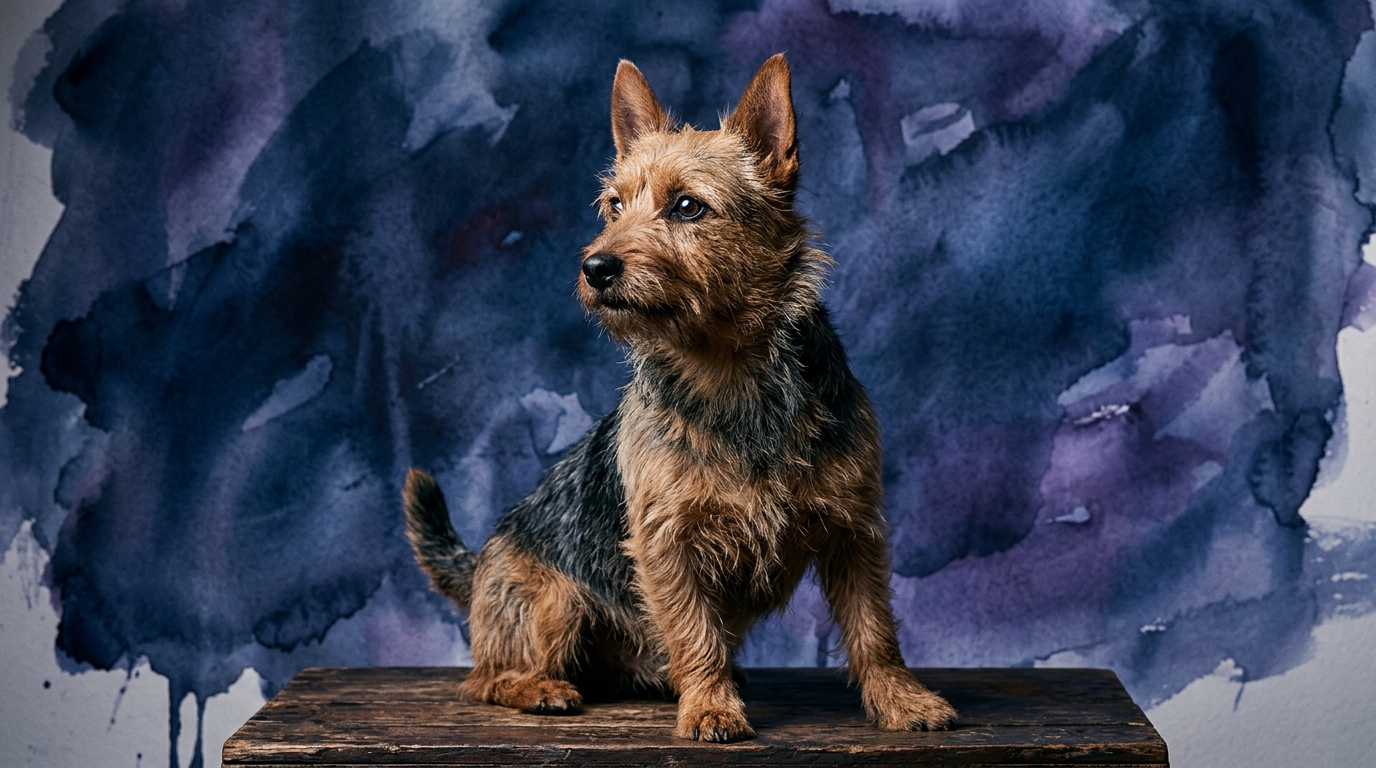
For the Australian Terrier, a 3/5 in Problem Solving translates into an adeptness at figuring out how to access small, hidden spaces or outmaneuver tiny prey, often with persistent, direct action. Their 3/5 Training Speed means they learn new commands at a moderate pace, thriving on engaging, consistent sessions that appeal to their independent terrier spirit. Social Intelligence at 3/5 indicates a good grasp of family dynamics and an ability to interact appropriately within their human pack, sometimes with a confident self-assertion. Their Instinctive Drive, also 3/5, is strongly geared towards hunting small vermin, digging, and exploring, serving as a powerful motivator. Finally, a 3/5 Memory allows them to retain learned behaviors and routines moderately well, particularly those linked to positive reinforcement or their inherent drives.
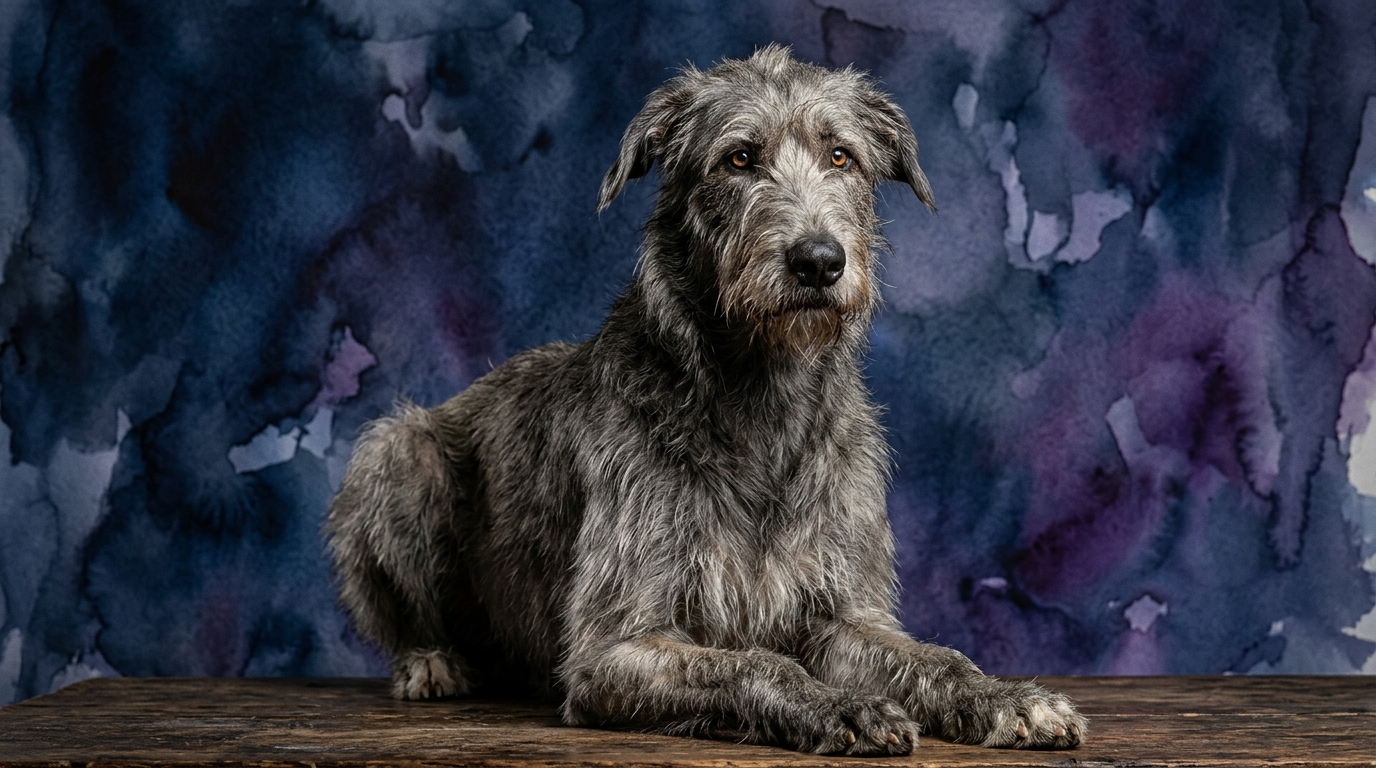
The Irish Wolfhound's identical 3/5 scores paint a different picture in application. Their Problem Solving ability manifests as a calm assessment of large spaces and the tracking of distant movements, crucial for a sighthound, often leading to deliberate, graceful solutions. A 3/5 Training Speed signifies they learn at a moderate pace, responding best to gentle, patient methods, as their sensitive nature can be easily deterred by harshness. Social Intelligence at 3/5 means they possess a keen, quiet understanding of human emotions and household harmony, often acting as a gentle, observant presence within the family. Their Instinctive Drive, also 3/5, is a strong sighthound prey drive for fast-moving, large objects, historically for hunting wolves, triggered primarily by sight. Lastly, their 3/5 Memory enables them to reliably recall routines, people, and specific experiences, contributing to their deep, loyal bonds with their human companions.
Distinct Cognitive Strengths of the Australian Terrier
While both breeds share a 3/5 Problem Solving score, the Australian Terrier's compact size and terrier ingenuity allow this capacity to shine uniquely in specific scenarios. Their tenacity in navigating confined spaces or outsmarting small, quick-moving targets is a hallmark. An Aussie might more readily devise a strategy to squeeze under a garden gate, retrieve a toy from a tight corner, or relentlessly pursue a scent trail, driven by an unwavering persistence that transforms their moderate problem-solving into effective, focused action in their world. This capability is deeply intertwined with their historical role, demanding quick, practical solutions to immediate, small-scale challenges.
Similarly, the Australian Terrier's 3/5 Instinctive Drive, while numerically equivalent to the Wolfhound's, expresses itself with a distinct intensity and focus on small vermin. This isn't just a general drive; it's a finely tuned cognitive engagement that involves sophisticated scent discrimination, strategic pursuit, and the mental stamina required to outwit tiny, elusive prey. This specific manifestation of instinct requires a unique blend of observation, prediction, and physical coordination, showcasing a specialized cognitive strength in their natural hunting behaviors that differs significantly from a sighthound's wide-ranging visual pursuit.
Unique Cognitive Manifestations in the Irish Wolfhound
The Irish Wolfhound's 3/5 Social Intelligence, though numerically identical to the Australian Terrier's, manifests with a profound, calm empathy and observational depth. Their ability to read subtle human emotional cues and contribute to household harmony, despite their imposing physical presence, requires a high degree of self-awareness and gentle restraint. This isn't just understanding social rules, but often acting as a comforting, intuitive presence, showcasing a quiet, respectful social acumen that is a unique cognitive strength in their interactions with their human family, reflecting their historical role as companions as much as hunters.
Furthermore, their 3/5 Problem Solving capacity is notably applied to spatial reasoning and predictive analysis on a grander scale. This involves surveying a large environment, anticipating the movement of distant objects, and navigating obstacles with a deliberate grace that speaks to a different kind of mental processing than the terrier's close-quarters ingenuity. For a sighthound, this cognitive strength is about understanding vast landscapes and the dynamics of fast-moving targets, demonstrating a type of intelligence that prioritizes broad assessment and calm, calculated response over quick, persistent pursuit in confined spaces.
Training Dynamics: Which is Easier and Why?
Both breeds hold a 3/5 rating for Training Speed, indicating a moderate learning pace, yet their inherent temperaments dictate vastly different approaches to training. The Australian Terrier's independent, spirited nature means they can exhibit a strong will and occasional stubbornness. To achieve success, training sessions must be consistent, short, and highly engaging, utilizing positive reinforcement to channel their natural enthusiasm and zest for life. They learn most effectively when tasks are presented as stimulating games or as a direct means to a desirable outcome, such as finding a hidden treat, as their attention can quickly wander if they perceive the activity as repetitive or unrewarding.
Conversely, the Irish Wolfhound's sensitive and gentle disposition means that their training journey requires immense patience, kindness, and unwavering consistency. They respond poorly to harsh corrections or loud voices, which can cause them to shut down or become anxious, hindering their learning process. Effective training relies on positive reinforcement, clear, calm communication, and building a foundation of trust. Given their considerable size, early socialization and diligent leash training are paramount, and while their moderate training speed necessitates persistent effort, their inherent desire to please, coupled with their sensitivity, ensures that a calm and understanding handler will foster the most cooperative and successful learning environment.
Lifestyle Match: Active Owners vs. Relaxed Owners
For owners with an active lifestyle, the Australian Terrier makes an excellent companion, despite their small stature. They possess surprising energy levels and a keen intellect that demands regular physical and mental stimulation. Owners who enjoy brisk walks, engaging games of fetch, and providing opportunities for 'terrier work' such as puzzle toys or supervised digging will find them deeply rewarding. Their cognitive engagement thrives on variety and challenges, making them ideal for individuals or families who can integrate consistent activity and interactive play into their daily routine, preventing boredom and channeling their lively spirit constructively.
The Irish Wolfhound, while often described as a 'gentle giant,' requires a specific blend of activity and tranquility, making them suitable for owners who appreciate a relaxed pace but are prepared for their significant physical needs. They are not high-strung, but their sighthound heritage necessitates opportunities for long, unhurried walks or controlled runs in a securely fenced area to stretch their long limbs and satisfy their natural desire to move. Owners should be prepared for their considerable physical presence and a patient, calm approach to daily life, understanding their need for both quiet companionship within the home and regular, appropriate exercise to maintain their physical and mental well-being. They thrive with owners who offer a peaceful home environment but can accommodate bursts of majestic activity.
The Verdict
Choose the Australian Terrier if you seek a spirited, compact companion eager for interactive play and ready to tackle small-scale 'problems' with tenacity, thriving on engaging, consistent training.
Choose the Irish Wolfhound if you desire a gentle, calm giant who offers profound companionship and quiet empathy, and you are prepared to accommodate their significant size and moderate exercise needs with patient, positive guidance.
🧠 Find Your Pet's IQ Score
Our Pet IQ Lab assessment covers 25+ tests across 5 cognitive dimensions — personalized to your breed.
Take the Full IQ Test →Frequently Asked Questions
Do Australian Terriers and Irish Wolfhounds have similar memory capabilities?
Yes, both breeds are rated 3 out of 5 for memory by The Cosmic Pet Pet IQ Lab. This indicates they possess a moderate ability to retain learned behaviors and routines. For the Australian Terrier, this might manifest in remembering specific hiding spots or scent trails, while for the Irish Wolfhound, it often involves recalling established daily routines and trusted individuals, reinforcing their gentle companionship.
How does the problem-solving ability compare between these two breeds?
Both breeds score 3 out of 5 in problem-solving, but the nature of their problem-solving differs significantly due to their breed purposes. Australian Terriers typically excel at intricate, close-quarters challenges related to their vermin-hunting instincts, such as navigating tight spaces. Irish Wolfhounds, conversely, demonstrate problem-solving through assessing large environments and tracking distant movements, reflecting their sighthound heritage and need for broad spatial awareness.
Is one breed significantly more socially intelligent than the other?
No, both the Australian Terrier and Irish Wolfhound are rated 3 out of 5 for social intelligence. This suggests they are moderately adept at understanding social cues and interacting within their family unit. The Australian Terrier might express this through assertive play and clear communication of desires, while the Irish Wolfhound often shows it through quiet observation, empathy, and gentle interactions, acting as a calm, understanding presence within the household.