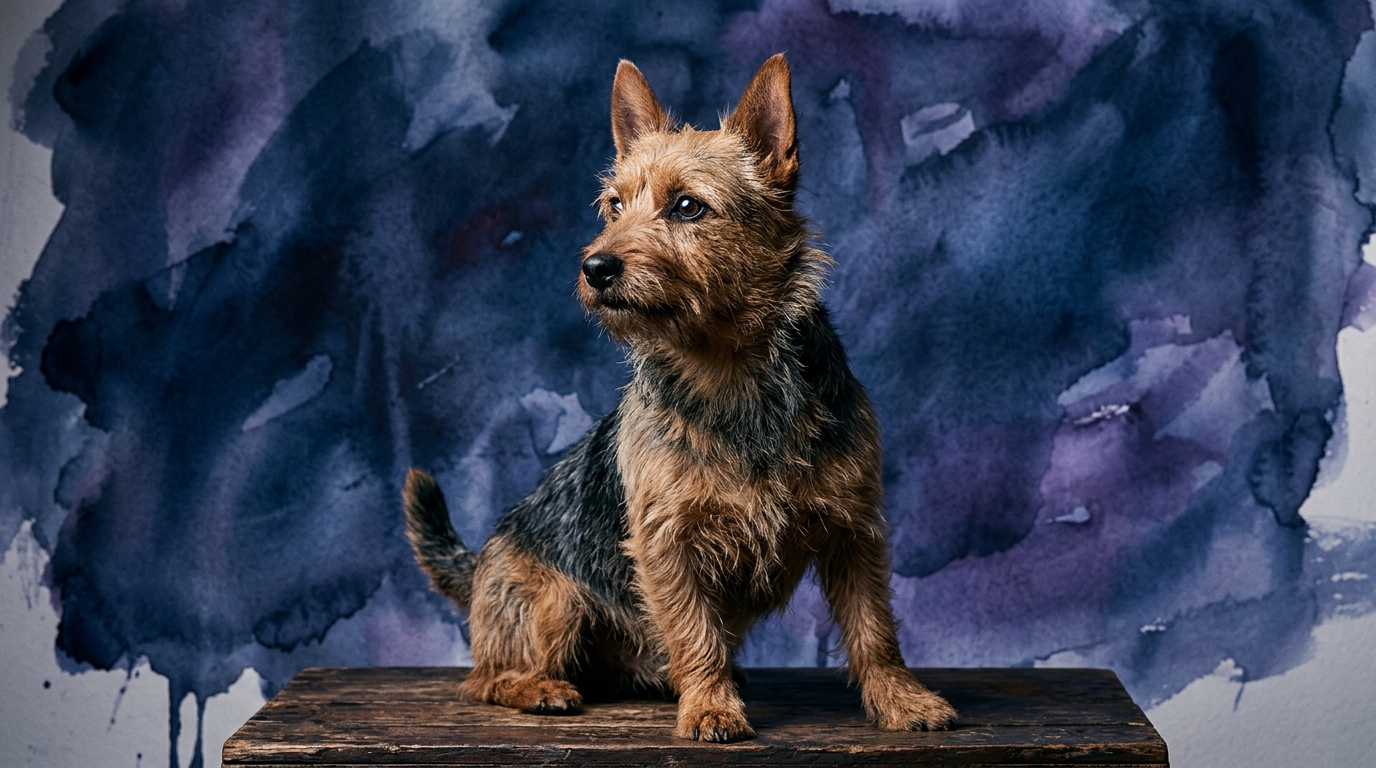
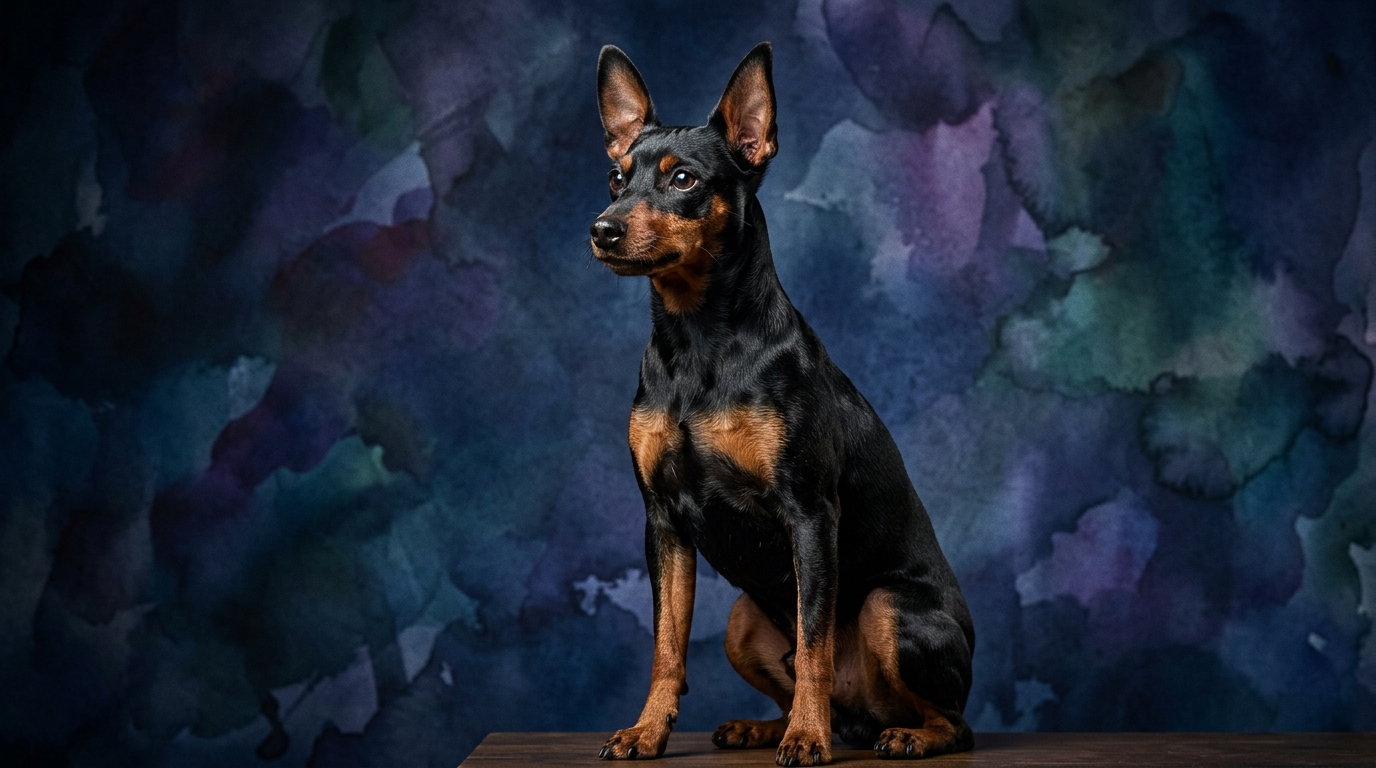
Side-by-Side Cognitive Profiles: A Deeper Look at 3/5 Scores
At first glance, The Cosmic Pet Pet IQ Lab data presents both the Australian Terrier and the Miniature Pinscher with identical 3/5 ratings across all five cognitive dimensions: Problem Solving, Training Speed, Social Intelligence, Instinctive Drive, and Memory. This symmetry doesn't suggest a lack of individual mental flair, but rather indicates a moderate, capable baseline that manifests uniquely within each breed's historical role and temperament. For both, a 3/5 score signifies a solid, functional intellect, rather than exceptional brilliance or significant cognitive limitations, but the *flavor* of that intellect differs markedly.
For the **Australian Terrier**, their 3/5 Problem Solving score suggests a moderate capacity to navigate environmental challenges, often applying persistence rooted in their terrier heritage. They might figure out how to access a buried toy or navigate a complex yard, driven by curiosity and a desire to investigate. Their 3/5 Training Speed indicates they grasp new commands at a steady pace, neither exceptionally fast nor particularly slow, but their independent streak might sometimes mean they 'choose' when to apply what they've learned. Social Intelligence, also at 3/5, means they understand human cues and family dynamics reasonably well, forming strong bonds, but they are not overly reliant on constant human direction, maintaining a certain self-reliance. An Instinctive Drive of 3/5 is perfectly aligned with their terrier nature, manifesting as a moderate but present urge to dig, chase, and 'work' through exploration. Finally, their 3/5 Memory allows them to retain learned behaviors and routines effectively, making them reliable once a command is truly ingrained, though they might 'forget' if a more compelling scent or activity presents itself.
The **Miniature Pinscher**, despite identical scores, expresses these capacities with a distinct 'pinscher' zest. Their 3/5 Problem Solving often involves more social or tactical maneuvers, such as figuring out how to get attention, open a cabinet door, or strategically position themselves for a prime sunbeam spot. This problem-solving can be quite clever and often self-serving. A 3/5 Training Speed means they learn commands quickly, often with a keen desire to please, but their assertive nature means they can also be quick to test boundaries or develop their own interpretations if consistency wanes. Their 3/5 Social Intelligence makes them highly attuned to their human family, often displaying a confident, sometimes demanding, social presence; they read emotions and intentions well, using this understanding to their advantage. The 3/5 Instinctive Drive manifests strongly in their role as vigilant, albeit pint-sized, guardians, with a sharp prey drive for small critters and an ever-alert demeanor. Their 3/5 Memory is robust, ensuring they recall past lessons and routines, but it also means they remember perceived slights or opportunities for mischief, making consistency in training paramount.
Where the Australian Terrier Excels Cognitively
While both breeds share a 3/5 cognitive baseline, the Australian Terrier often demonstrates a particular strength in applying their problem-solving and instinctive drive to practical, physical tasks. Their terrier lineage imbues them with a tenacious spirit that, when combined with their 3/5 Problem Solving, means they are adept at figuring out how to overcome physical obstacles or pursue a goal with moderate persistence. This might manifest as methodically digging under a fence to explore a scent or strategically maneuvering toys to reach a desired spot.
Their 3/5 Instinctive Drive, while moderate, is channeled more directly into exploration and interaction with their physical environment compared to the Min Pin's often more 'alert and guard' focus. An Australian Terrier's memory (3/5) is particularly effective at recalling spatial layouts and practical routines related to their environment, making them reliable companions for consistent outdoor adventures. They tend to process their surroundings with a practical, hands-on curiosity, utilizing their cognitive skills to engage with the world in a tangible, rather than purely observational, manner. This makes them particularly suited for owners who appreciate a dog that actively participates in exploring their surroundings.
Where the Miniature Pinscher Shines Cognitively
The Miniature Pinscher, with its identical 3/5 scores, often distinguishes itself through its sharp social acumen and keen observational intelligence. Their 3/5 Social Intelligence allows them to quickly gauge human moods and intentions, often using this understanding to elicit attention or treats, showcasing a clever, almost manipulative, streak. This breed's problem-solving (3/5) frequently involves navigating complex household dynamics or devising strategies to achieve desired outcomes within a human-centric environment, such as opening a cupboard or finding the optimal spot for a nap.
Their 3/5 Instinctive Drive, though moderate, is heavily weighted towards vigilance and territoriality, making them exceptionally perceptive observers of their immediate surroundings. They remember (3/5) routines and people with remarkable clarity, quickly learning who is allowed where and what the daily schedule entails. This sharp memory, combined with their social intelligence, allows them to be highly adaptable to various social settings, provided they are properly socialized, and to become deeply integrated into the family's daily life, often acting as the household's self-appointed, miniature sentinel. Their cognitive strengths lean towards understanding and influencing their social world.
Training Dynamics: Australian Terrier vs. Miniature Pinscher
When considering ease of training, both breeds score a 3/5 for Training Speed, indicating they learn at a moderate pace. However, the *nature* of their training challenges differs significantly due to their inherent temperaments. The Australian Terrier's independent terrier spirit means that while they grasp commands, their willingness to consistently execute them can be contingent on their current interest level. Their 3/5 problem-solving and instinctive drive can sometimes lead them to prioritize an interesting scent or a digging opportunity over a recall command, making consistent motivation and engaging training methods crucial. They need training to be fun, varied, and to feel like a partnership, rather than a rigid set of rules.
The Miniature Pinscher, despite also having a 3/5 Training Speed, brings its own set of unique training considerations. Their assertive 'big dog in a small body' mentality means they can be prone to testing boundaries and, if not managed with consistent, positive reinforcement, may attempt to assert dominance. Their sharp social intelligence means they quickly learn what they can get away with. While they learn quickly, their high instinctive drive for guarding and their confident nature require early and thorough socialization to prevent excessive barking or territoriality. Training a Min Pin demands a firm but fair hand, unwavering consistency, and a clear establishment of human leadership to ensure their quick learning translates into reliable obedience rather than clever defiance.
Lifestyle Match: Active Explorers vs. Vigilant Companions
Choosing between these two breeds based on their cognitive profiles also involves aligning with your lifestyle. The Australian Terrier, with its balanced 3/5 scores and terrier heritage, thrives with owners who enjoy an active, exploratory lifestyle. Their moderate instinctive drive for digging and chasing, combined with their problem-solving skills, makes them excellent companions for hikes, long walks in varied terrain, or engaging in scent work and earthdog trials. They appreciate opportunities to use their physical and mental energy in an outdoor setting, where their memory for routes and their social intelligence in navigating new environments can shine. They are adaptable but truly flourish when given a 'job' or an outlet for their natural curiosity and moderate energy levels.
The Miniature Pinscher, while energetic, often channels its 3/5 instinctive drive into vigilance and playful bursts within a more contained environment. Their keen social intelligence and observational memory make them exceptional indoor companions who are always aware of their surroundings. They suit owners who appreciate a dog that is highly engaged with family life, often preferring to be involved in household activities and acting as a watchful protector. While they certainly need regular exercise, their cognitive strengths are often best utilized within the family unit, where their sharp social problem-solving and memory for routines can be fully expressed. They are excellent for owners who enjoy a dog with a confident, sometimes sassy, personality that is always 'on duty' within the home.
The Verdict
Choose the Australian Terrier if you seek a moderately independent, tenacious companion eager to explore the world with you, valuing a dog whose problem-solving is often applied to physical engagement and outdoor adventures.
Opt for the Miniature Pinscher if you desire a confident, socially astute, and vigilant companion that thrives on being the alert center of household activity, leveraging its quick wit and memory within a family setting.
🧠 Find Your Pet's IQ Score
Our Pet IQ Lab assessment covers 25+ tests across 5 cognitive dimensions — personalized to your breed.
Take the Full IQ Test →Frequently Asked Questions
Do Australian Terriers or Miniature Pinschers have better memory?
Both breeds score a 3/5 in memory, indicating a solid capacity for retaining information and routines. The Australian Terrier's memory might be more geared towards spatial recall and practical tasks, while the Miniature Pinscher's memory often excels in remembering social cues and household dynamics.
Which breed is more adaptable to different social situations?
Both breeds have a 3/5 in social intelligence. The Australian Terrier is generally adaptable but maintains a degree of independence. The Miniature Pinscher is highly attuned to its family, and with proper socialization, can adapt well to various social settings, often acting as a confident, albeit vigilant, participant.
Are these breeds good for first-time dog owners?
Both breeds, with their 3/5 training speed and distinct temperaments, can be suitable for first-time owners who are committed to consistent, positive training and early socialization. Their independence (AT) and assertiveness (MP) require a dedicated approach, but their moderate cognitive abilities mean they are responsive to good guidance.