Side-by-Side IQ Profile: Unpacking the 3/5 Scores
At The Cosmic Pet Pet IQ Lab, we evaluate canine intelligence across five key dimensions, each scored out of five. Both the Australian Terrier and the Norwegian Lundehund consistently register a 3/5 across the board. This doesn't imply a lack of cognitive capacity, but rather a moderate, practical application of their mental faculties, deeply rooted in their breed histories and specific purposes. Understanding what a '3/5' means for each breed individually is crucial to appreciating their distinct forms of cleverness.
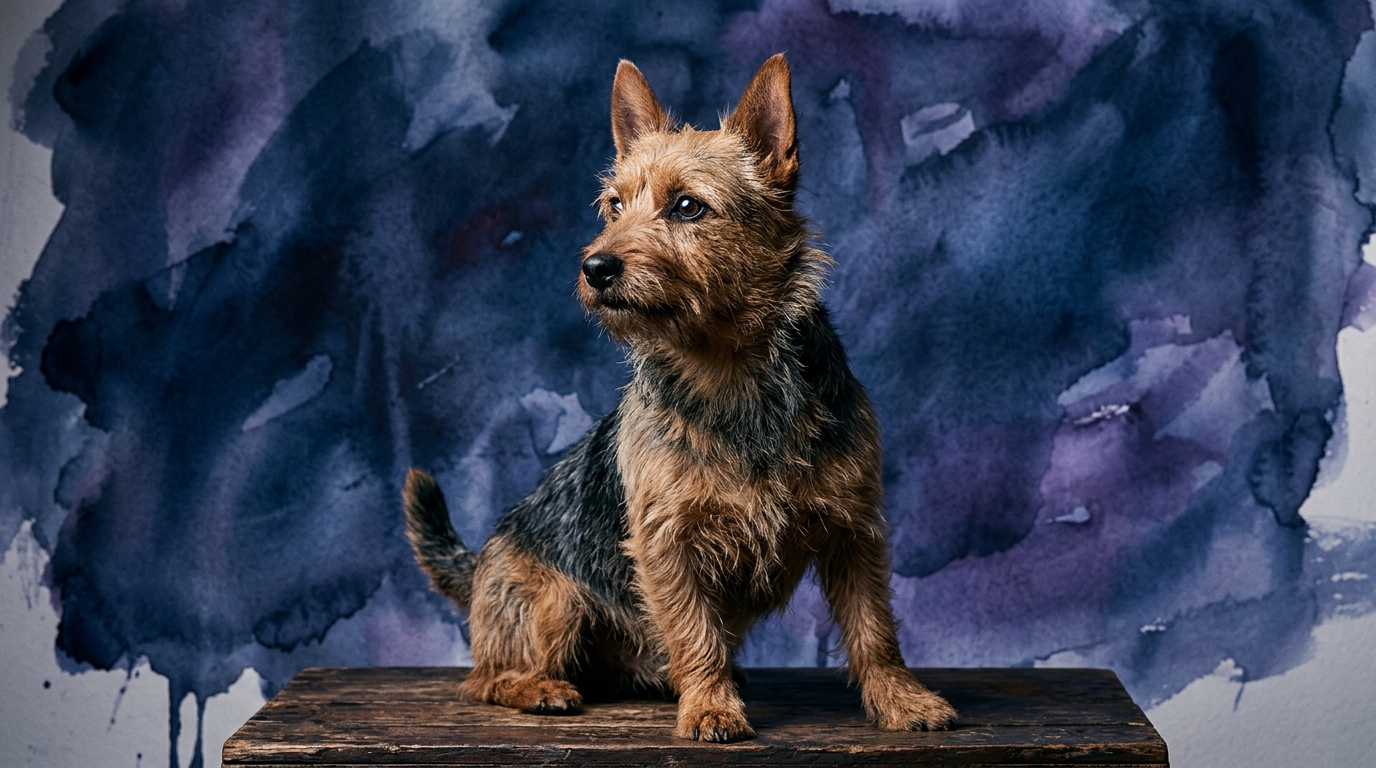
For the **Australian Terrier**, a 3/5 in **Problem Solving** reflects their terrier heritage of independent vermin control. This isn't about abstract puzzles, but rather the persistent, often cunning, ability to locate, pursue, and extract prey from tight spots, requiring spatial awareness and strategic maneuvering within their environment. Their problem-solving is hands-on and goal-oriented. A 3/5 in **Training Speed** indicates they are capable learners, but their inherent terrier independence means they often evaluate commands against their own perceived interests. They grasp concepts but may require consistent motivation and patient reinforcement to ensure compliance, rather than immediate, eager obedience. Their **Social Intelligence** at 3/5 means they are perceptive to household dynamics and their human companions' moods, forming strong bonds. However, this intelligence can also manifest as selective engagement with strangers or other dogs, often asserting their presence rather than passively accepting new introductions. The 3/5 for **Instinctive Drive** is a clear nod to their powerful prey drive, digging instincts, and alert vocalizations, all honed for their original role as small game hunters and guardians. Lastly, their **Memory** at 3/5 suggests a good recall for routines, commands, and the locations of favored toys or past 'hunts,' contributing to their consistent, if sometimes stubborn, personality.
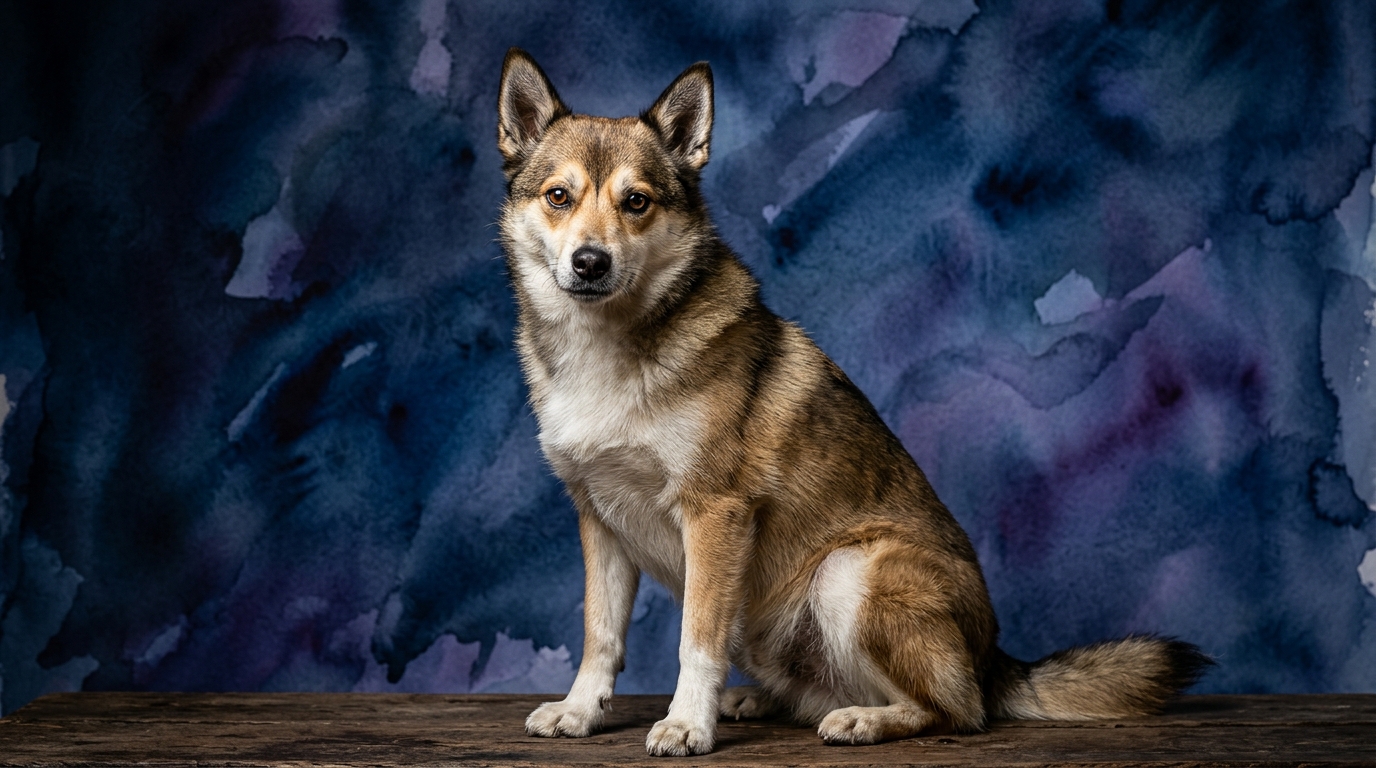
The **Norwegian Lundehund's** 3/5 in **Problem Solving** is equally impressive, though entirely different in its manifestation. This breed's unique physical adaptations—extra toes, flexible joints, and ability to tip their head back to touch their spine—speak to a history demanding intricate physical problem-solving: navigating treacherous cliff faces, climbing into narrow crevices, and extracting puffins. Their cleverness is often expressed through unconventional physical solutions to environmental challenges. A 3/5 in **Training Speed** for the Lundehund highlights their independent, sometimes 'cat-like' nature. They are intelligent and capable of learning, but their compliance is often voluntary and requires a highly engaging, positive, and patient approach. They are not typically driven by a strong desire to please, making training a unique partnership. Their **Social Intelligence** at 3/5 means they are deeply attuned to their immediate family, forming profound, discerning bonds, but can be reserved, cautious, or even aloof with strangers. They observe and process social cues, but are not overtly expressive in their social interactions beyond their trusted circle. The 3/5 for **Instinctive Drive** points to their ancestral role as puffin hunters, manifesting in a strong drive for exploration, climbing, and an insatiable curiosity about their surroundings. Their physical uniqueness is intrinsically linked to these drives. Finally, their **Memory** at 3/5 is notable for their spatial recall, remembering complex paths and specific locations, which was vital for navigating their challenging hunting grounds. They also retain memories of past interactions, influencing their cautious yet loyal disposition.
Where the Australian Terrier Excels Cognitively
Despite sharing identical numerical scores, the Australian Terrier showcases its cognitive strengths through a direct, tenacious approach. Their problem-solving, while rated 3/5, shines in its persistence and singular focus. An Australian Terrier presented with a perceived 'problem'—be it a rustling in the bushes or a hidden toy—will apply unwavering determination and practical cunning to resolve it. This is not about complex strategic planning, but rather an efficient, relentless drive to achieve an immediate objective, making them particularly effective in tasks requiring grit and follow-through. Their social intelligence, while sometimes expressed with a confident assertiveness, allows for a relatively straightforward understanding of household routines and the emotional states of their core family unit, leading to predictable and loyal companionship.
Where the Norwegian Lundehund Excels Cognitively
The Norwegian Lundehund's cognitive strengths lie in its unparalleled adaptability and unique physical intelligence. Their 3/5 problem-solving is expressed through inventive, sometimes unconventional, methods to navigate their world. A Lundehund might choose to climb over an obstacle rather than go around it, or find an ingenious way to access a high shelf, leveraging their extraordinary flexibility and agility. This demonstrates a cognitive ability to integrate physical prowess with environmental challenges in a way few other breeds can. Their memory for intricate spatial layouts and their discerning social intelligence, which allows them to form exceptionally deep, albeit selective, bonds, are also notable. They are keen observers, often processing situations before reacting, showcasing a subtle yet profound depth of understanding.
Training Dynamics: Which is Easier and Why?
When considering ease of training, both breeds score 3/5 in Training Speed, indicating a moderate learning curve that is heavily influenced by their innate temperaments. The Australian Terrier, while intelligent, possesses the classic terrier independence. They learn commands efficiently, but their compliance is often conditional on what's in it for them or if it aligns with their current agenda. Their strong prey drive can make off-leash reliability challenging without extensive, consistent training and strong recall work. They thrive with firm, fair, and positive reinforcement, but an owner must be prepared for moments where the terrier decides its own instincts take precedence over a command. Their motivation is often food, toys, or the thrill of the chase, making these excellent training tools.
The Norwegian Lundehund, on the other hand, presents a different set of training considerations. Their intelligence is undeniable, but their independence is often described as 'cat-like.' They are not inherently driven to please and can be quite selective in their obedience. A Lundehund might understand a command perfectly well but choose not to execute it if they don't see the immediate benefit or are preoccupied with something more intriguing. Training a Lundehund requires immense patience, creativity, and a deep understanding of their unique motivations. Forceful methods are counterproductive; positive reinforcement, short engaging sessions, and making training feel like a game or an exploration are key. Their innate curiosity and love for exploration can be harnessed, but consistent compliance will always be a work in progress. While both score 3/5, the Australian Terrier is generally perceived as 'easier' for a typical owner due to a more direct, albeit stubborn, response pattern, whereas the Lundehund demands a much more nuanced and dedicated approach to training.
Lifestyle Match: Active vs. Relaxed Owners
Neither the Australian Terrier nor the Norwegian Lundehund are suited for truly relaxed, sedentary owners. Both breeds demand active engagement, albeit in different forms. The Australian Terrier, a true terrier, requires consistent daily exercise and mental stimulation to prevent boredom and destructive behaviors. They thrive on walks, playtime, and opportunities to 'hunt' (whether for toys or in supervised, secure environments). They are robust, energetic companions who enjoy being part of family activities and require an owner who can provide structured outlets for their considerable energy and keen intellect. Without proper engagement, their problem-solving skills might be applied to less desirable activities like digging up the yard or excessive barking.
The Norwegian Lundehund also requires an active owner, but their needs are more focused on exploration and satisfying their unique physical drives. They need opportunities to climb, investigate, and use their extraordinary agility. Long walks are good, but opportunities for off-leash exploration in secure areas, or even dog sports like agility, can be immensely satisfying for them. While they can be calm indoors after sufficient exercise, their innate curiosity means they are always observing and processing their environment. A Lundehund owner must be prepared to engage their dog's mind and body in ways that cater to their unique physical attributes and independent spirit. They are not content to simply lounge; they need to experience the world.
The Verdict
Choose the Australian Terrier if you seek a plucky, loyal, and tenacious companion who thrives on consistent engagement, structured activities, and an owner who appreciates a dog with a confident, independent streak.
Opt for the Norwegian Lundehund if you are drawn to a truly unique, independent, and physically clever companion, willing to invest in patient, creative training and provide outlets for their distinct exploratory drives and physical prowess.
🧠 Find Your Pet's IQ Score
Our Pet IQ Lab assessment covers 25+ tests across 5 cognitive dimensions — personalized to your breed.
Take the Full IQ Test →Frequently Asked Questions
Do their identical IQ scores mean they are equally easy to live with?
No, while both score 3/5 across the board, the expression of their intelligence and their inherent temperaments lead to very different companionship experiences. The 'ease' of living with them depends entirely on an owner's lifestyle and experience with independent breeds.
How does their 'Instinctive Drive' of 3/5 manifest differently?
For the Australian Terrier, it manifests as a strong, ground-based prey drive for vermin and a propensity for digging. For the Norwegian Lundehund, it's a drive for climbing, exploration, and the unique agility required for their ancestral puffin hunting on cliffs.
Are either of these breeds good for first-time dog owners?
Both breeds possess significant independence and require consistent, patient training and socialization, making them potentially challenging for first-time owners without prior research and commitment. The Lundehund, with its unique needs and reserved nature, might be a greater undertaking for a novice.