Side-by-Side Cognitive Profile
The Cosmic Pet Pet IQ Lab employs a five-dimensional framework to evaluate canine intelligence, offering a nuanced perspective beyond simple obedience. Let's examine how the Basenji and Great Pyrenees measure up across these specific cognitive traits.
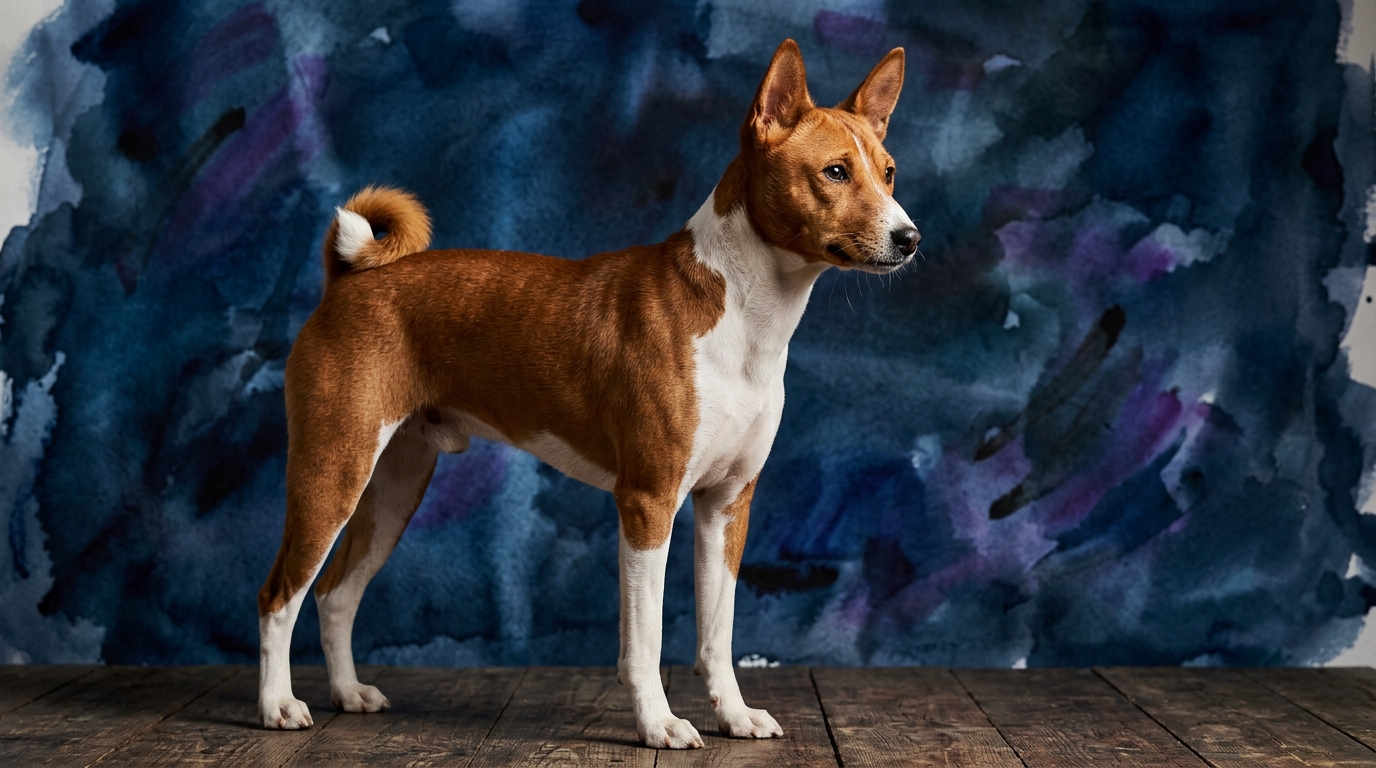
Basenji (Hound, Coren rank #78): Problem Solving 5/5, Training Speed 1/5, Social Intelligence 3/5, Instinctive Drive 5/5, Memory 4/5. The Basenji exhibits exceptional independent thinking, often devising novel solutions to challenges such as opening latches, scaling fences, or outsmarting barriers designed to contain them. This reflects a profound capacity for assessing situations and formulating a plan of action without human direction. Learning new commands is a protracted process for the Basenji, not due to a lack of understanding, but rather a strong inclination towards self-determination. They require immense patience, creative motivation, and consistent repetition, frequently choosing to prioritize their own agenda over compliance. While capable of forming deep, selective bonds with their chosen humans, Basenjis often interact on their own terms, displaying a reserved nature towards strangers and a preference for individual pursuits over constant group engagement. Their understanding of social cues is present but often filtered through their independent lens. Possessing a potent instinctive drive, particularly for scent and sight-based pursuit, the Basenji is intensely motivated by hunting and tracking impulses. This strong internal compass means they are highly attuned to environmental stimuli that trigger their ancient sighthound and scenthound heritage. Basenjis demonstrate strong recall for routines, spatial layouts, and significant past experiences, which can manifest as remembering where a treat was hidden or recalling specific training scenarios. This robust memory contributes to their ability to learn complex sequences, for better or for worse.
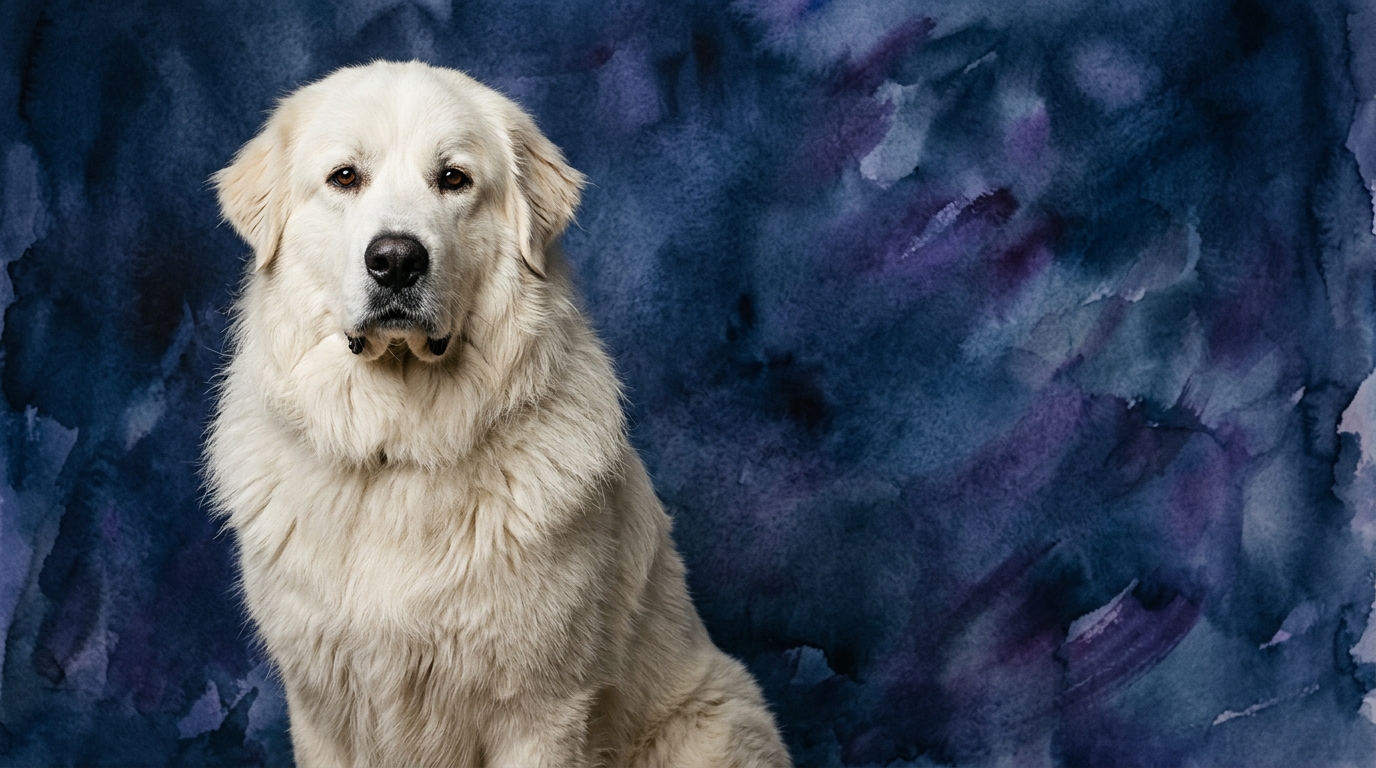
Great Pyrenees (Working, Coren rank #64): Problem Solving 3/5, Training Speed 3/5, Social Intelligence 3/5, Instinctive Drive 3/5, Memory 3/5. The Great Pyrenees applies its problem-solving abilities primarily to its core function: guarding. They are adept at assessing potential threats to their 'flock' and territory, making decisions about appropriate responses, but are less inclined to solve abstract puzzles or engage in complex obedience for amusement. This breed learns at a moderate pace, capable of grasping basic obedience commands and routines with consistent, clear instruction. While not quick studies, they respond well to positive reinforcement and repetition, particularly when tasks align with their natural protective instincts. Great Pyrenees bond profoundly with their immediate family, displaying a deep understanding of their human and animal companions' social dynamics. They are protective and devoted but tend to be reserved and watchful with unfamiliar individuals, carefully evaluating new social interactions. Their primary instinctive drive revolves around guardianship and territorial protection, manifesting as vigilance, barking at perceived threats, and a calm, watchful presence. This is distinct from a high prey drive, focusing instead on deterrence and defense. Great Pyrenees possess a solid memory for important people, places, and established routines, contributing to their reliability as guardians. They remember their boundaries and responsibilities, though their recall for minor details or transient events might not be as sharp as breeds with higher cognitive scores in this area.
Where the Basenji Excels Cognitively
The Basenji's cognitive strengths shine brightest in their exceptional problem-solving abilities and intense instinctive drives. Rated 5/5 in both categories, these dogs are masters of independent thought and action. Their capacity to figure out complex scenarios, whether it’s manipulating a gate latch or devising an escape route from a seemingly secure enclosure, is unparalleled. This resourceful nature means they are constantly assessing their environment for opportunities and challenges, making them fascinating, albeit sometimes challenging, companions.
Furthermore, their potent instinctive drive fuels a keen awareness of their surroundings. This manifests as an acute sensitivity to scents and sights, making them exceptional at tracking and highly motivated by engaging their natural hunting instincts through activities like lure coursing or scent work. Their impressive memory (4/5) further enhances these capabilities, allowing them to recall successful strategies or the locations of interesting smells, contributing to their reputation as clever, self-sufficient hounds.
Where the Great Pyrenees Excels Cognitively
The Great Pyrenees demonstrates its unique cognitive strengths through its specialized problem-solving related to guardianship and a more balanced approach to social interaction and learning. While their problem-solving is rated 3/5, this score reflects a different kind of intelligence than the Basenji's independent ingenuity. Pyrenees excel at assessing the safety of their flock and territory, making calm, deliberate decisions about how to manage perceived threats or unfamiliar situations. This involves a deep understanding of their environment and the dynamics within their family unit, allowing them to act as vigilant protectors rather than impulsive responders.
Their training speed, at 3/5, presents a significant cognitive advantage over the Basenji's 1/5. This moderate learning pace means they are generally more amenable to foundational obedience and can grasp commands with consistent, patient instruction, particularly when these tasks reinforce their role within the family. Coupled with their social intelligence (3/5), which fosters deep bonds and a clear understanding of their human companions' needs, the Great Pyrenees offers a more cooperative learning experience, focused on partnership rather than constant negotiation.
Training Dynamics: Which is Easier and Why?
When it comes to ease of training, the Great Pyrenees distinctly outpaces the Basenji. The Pyrenees' training speed is rated 3/5, indicating a moderate capacity for learning and a willingness to engage in structured instruction. While they are not known for lightning-fast comprehension, their inherent desire to protect and be a steady part of their family means they are generally receptive to commands that establish order and reinforce their role. Their training benefits from patience, positive reinforcement, and a clear understanding of their guardian instincts, which can be channeled into reliable obedience.
In stark contrast, the Basenji's training speed is a challenging 1/5. This low score is not due to a lack of mental capacity; rather, it reflects their profound independence and low intrinsic desire to please. A Basenji's high problem-solving ability often means they quickly understand what is being asked but will then deliberately choose whether or not to comply, often prioritizing their own interests or strong instinctive drives (5/5) like chasing a scent. Training a Basenji requires exceptional creativity, unwavering consistency, and an acceptance that they will always retain a unique, self-directed spirit, making basic obedience a continuous negotiation rather than a straightforward lesson.
Matching Breeds to Owner Lifestyles
For active owners seeking a dynamic and mentally engaging companion, the Basenji is often a more suitable choice. Their exceptional instinctive drive (5/5) means they thrive on activities that engage their senses, such as lure coursing, scent work, or extensive hikes where they can explore. Their high problem-solving (5/5) also necessitates consistent mental challenges through puzzle toys, trick training, or agility, preventing boredom and potential destructive behaviors. These dogs require owners who are prepared to match their energy and channel their independent intelligence into structured, stimulating outlets, making them ideal for individuals who enjoy an active, hands-on lifestyle with their pet.
Conversely, the Great Pyrenees often aligns better with relaxed owners who appreciate a calmer, watchful presence in their home. While they are large dogs requiring adequate space and regular, moderate exercise to maintain health, their primary drives are centered around guarding (instinctive drive 3/5) rather than high-octane physical pursuits. They are content with a routine that includes patrolling their territory, quiet observation, and steady companionship. Owners who prefer a less overtly demanding dog, value a loyal, protective presence, and can provide a secure, spacious environment will find the Great Pyrenees a fulfilling match, provided they understand the breed's need for a sense of purpose and a deliberate pace of life.
The Verdict
Choose a Basenji if you appreciate an independent, clever companion, are prepared for consistent, creative training challenges, and can provide ample mental and physical stimulation for a dog with intense drives.
Choose a Great Pyrenees if you seek a calm, protective guardian who values loyalty and a steady presence, is prepared for managing a large breed's needs, and understands their deliberate approach to learning.
🧠 Find Your Pet's IQ Score
Our Pet IQ Lab assessment covers 25+ tests across 5 cognitive dimensions — personalized to your breed.
Take the Full IQ Test →Frequently Asked Questions
Do Basenjis understand commands quickly?
Basenjis typically process commands slowly, often choosing independent action over compliance, making training a patient endeavor. Their high problem-solving ability means they might understand but opt not to perform.
Are Great Pyrenees good at protecting the home?
Yes, Great Pyrenees excel as guardians, possessing strong instinctive drives for territorial protection and keen social intelligence to discern threats. They are vigilant and naturally protective of their family and property.
Which breed requires more mental stimulation?
The Basenji, with its 5/5 problem-solving and instinctive drive, generally demands more consistent and varied mental challenges to prevent boredom and destructive behaviors. The Great Pyrenees needs mental engagement related to its guardian role.